
Is Mahjong Good for Millennials? Yes—Here's Why
Last updated: Nov 23, 2026
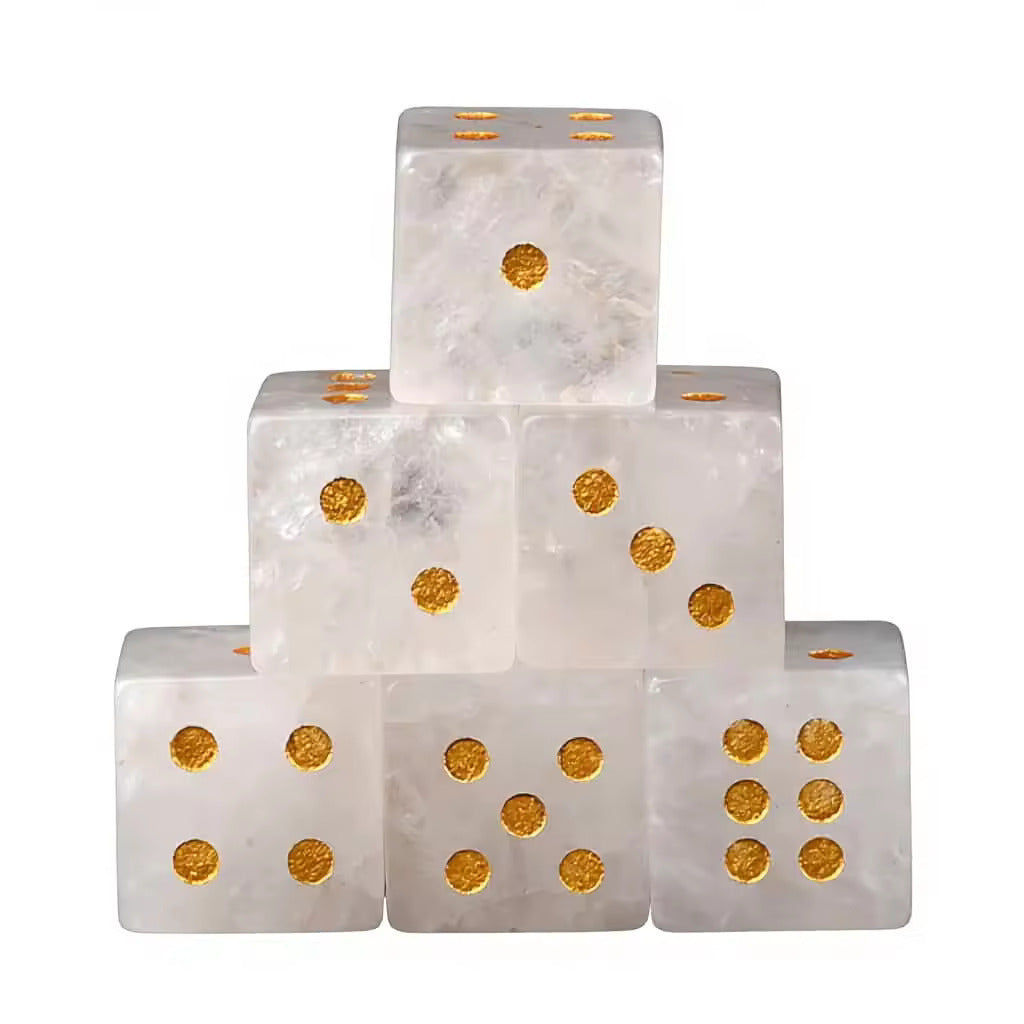
Yes. Mahjong suits millennials because it trains working memory and pattern recognition under mild time pressure (competitive without being ruthless), builds real friendships through weekly hosting, and offers a genuine pause from notifications. A standard American game takes 45 minutes to two hours with four players; a 160-tile acrylic set costs roughly what a good dinner out and lasts decades. The barrier to entry is real—you need to learn the hand patterns from the annual National Mah Jongg League card and understand the Charleston tile-passing ritual—but that learning curve is exactly the appeal: it's complex enough to feel like progress, but not so arcane that a working adult can't pick it up in one afternoon. Mahstead's best-selling mahjong sets come engraved and color-coded, which cuts confusion by weeks. You avoid the common trap of buying a cheap set: flimsy tiles crack, don't stack, and kill the game's tactile pleasure, which is half the point.
Why Mahjong Hits Different for Your Brain
Mahjong demands active working memory—you track which tiles your opponents discard, remember which patterns win this year, and calculate odds on your hand in real time. Unlike passive scrolling, every turn forces a micro-decision: do you keep the 5 Crak or throw it? This isn't meditation; it's low-stakes problem-solving. Neuroscientific literature on strategy games shows that players report sustained focus and reduced anxiety after play, partly because the game requires enough attention that your default-mode network (the part that worries) quiets down. You can't check your phone during your turn without breaking rhythm—and once you're in, you don't want to. The hand-reading phase typically takes 10–15 minutes per round, which teaches patience and discernment. After eight weeks of weekly games, most millennials report better tile memory and faster mental calculation, and they feel different: sharper, less scattered.
🀄 Shop best-selling mahjong sets →

How Mahjong Builds Real Community (Not Forced)
You host a game; four players show up. No moderator, no facilitator, no team-building consultant. The game creates its own social container: you talk while you play, no agenda, no performative intimacy. Over weeks, patterns emerge—someone always cracks jokes when they're losing; someone else plays recklessly late in the round; you learn each other's tells. Mahjong generates what sociologists call "thick sociality": repeated, unforced, structured time together. Unlike group chat or brunch plans, the game requires that you sit across from each other for two hours with nowhere to hide. Millennials report that weekly mahjong replaced anxiety about "maintaining friendships" with something simpler: a standing appointment. You don't text to ask if everyone's okay; you deal tiles. Hosting also reclaims domesticity as something valuable—your home becomes a place where adults gather for skill, not consumption.
The Millennial Appeal: Skill + Low Stakes + Ritual
Mahjong scratcts a specific itch: it's competitive without cruelty, learnable without gatekeeping, and ritualistic without kitsch. You want a game that rewards study (reading the National Mah Jongg League card is real work) but doesn't punish beginners—and mahjong does both. The cost is transparent: a decent set with a mat and racks is an entry fee, not a subscription trap. And the ritual—the Charleston, the wall-building, the draw sequence—creates a container where ordinary people suddenly move like a team, even in friendly competition. Unlike poker (money on the line) or chess (crushing your opponent is the point), mahjong offers score-tracking drama without resentment. Most millennial games are played for the prize: a story to post, a photo, bragging rights. Mahjong is played for the game itself, and the people at the table.

What Mahjong Demands (And It's Worth It)
There's no free version of mahjong—not online, not casual, not "just like the app." The game requires the physical National Mah Jongg League card issued every spring (you buy it for a few dollars annually), access to a solid tile set, four seats, and commitment to learning the hand patterns. Most millennials underestimate this barrier; they think "my grandmother played" means instant understanding. It doesn't. You need 4–6 hours of focused study (reading hands from the card, practicing the Charleston, understanding joker substitution rules) before your first game stops being confusing. That barrier, though, is precisely the draw: you're not scrolling a list of possible activities, you're learning a tradition. Compare this to other pastimes millennials embrace—sourdough baking, mechanical keyboards, vinyl collecting—and mahjong demands less equipment and far more human contact. A mahjong mat, a set, and racks with pushers run a modest one-time cost, and after the first three games, players report the investment feels trivial.
How to Know If Mahjong Is for You (Honest Test)
Answer yes to most of these: you enjoy puzzle games or Wordle-style pattern work; you prefer group activities where everyone sits still; you'd host regular dinner parties if you had an excuse; you can read a rule set and apply it; you enjoy spending 2 hours on one thing without a phone. If you answered no to three or more, mahjong may feel like obligation instead of play. The social commitment is real—you can't play one-off; weekly frequency over months is the deal. Your brain needs repetition to internalize hand patterns, and your group needs consistency to build chemistry. If you're the kind of person who makes commitments lightly or whose schedule shifts weekly, start by watching two full games before you buy a set. Millennials who thrive at mahjong tend to be slightly introverted, detail-oriented, and bored by surface socializing—they want the real thing, or nothing. If that's you, the pillar on getting started walks you through the exact steps.
Setup | Time Commitment | Learning Curve | Social Payoff | Best For |
Four players, one set, one mat, annual card | 2–3 hours weekly | 4–6 hours upfront | High (weekly ritual) | Millennials seeking real community |
Casual app play (Mahjong Solitaire, etc.) | 10 mins anytime | None | None | Brain training on commute |
Vegas mahjong or money games | Variable | Medium | Medium (transactional) | Competitive players; not our focus |
Solo hand-practice (learning) | 1–2 hours | Steep | None (solo) | Prep before joining a group |
🎁 See our most-loved mahjong sets & accessories →
What to Check Before You Buy
Buy a proper set, not a novelty. Cheap tiles warp, separators break, and the game stops being fun. Acrylic sets from Mahstead's collection are durable, color-coded for speed, and built to handle weekly play for years. Verify that the set includes all 152 playing tiles (not a short deck), a mat that fits your table, and a card rack or tile holders so you don't strain your wrists during a two-hour session.
Confirm the annual card is current. Buy the current-year National Mah Jongg League card (new every spring) before your first game. Hands change annually; last year's card is useless. Plan to host your first game in April or May so everyone learns the same hand set.
Test the rhythm with an experienced player first. Watch someone who knows the game play an entire round. Ask questions about the Charleston, the concept of joker substitution, and what an exposure looks like. Don't buy a set until you've sat through two full games; the decision should feel inevitable, not rushed.
Measure your table or buy a mat with variable size options. A mahjong mat shapes the game: too small and tiles cluster; too large and reaching the center wall strains your back. Check the mat selection guide for dimensions and materials.
✨ Find your Mahstead set — free US shipping →

FAQ
Can I learn mahjong online, or do I need a real group?
You can watch tutorials (helpful for understanding rules), but you learn mahjong by playing. Apps and solitaire versions teach tile recognition, not strategy or social rhythm. Join a local group (search community centers, libraries, synagogues, or meetup boards) or start one with friends who commit to weekly play for at least two months.
How much does a decent mahjong set cost, and is it worth the investment?
A solid acrylic set with mat and racks is a one-time purchase—see current pricing on the product page. Most players report the cost per game hour is lower than a weekly hobby like golf or yoga classes, and the set lasts decades. You avoid cheap sets (tiles crack, don't stack) and online-only play (no tactile pleasure, no real community).
Do I need to understand Chinese or Asian culture to play American mahjong?
No. American mahjong uses the National Mah Jongg League card, English notation (Bams, Craks, Dots, Winds, Dragons), and no cultural context. It's a strategy game with a global audience. The tiles have historical roots, but the game doesn't require cultural knowledge—only the rules and pattern recognition.
What's the difference between American mahjong and other versions?
American mahjong uses the league card (fixed hands each year), 152 tiles, and no exposed chows or sequences—only pungs, kongs, and quints. Chinese, Hong Kong, and Riichi mahjong use different tile counts, hand-building rules, and scoring. Start with American if you want a local group; it's the most common version in North America among millennials.
How long does a game take, and can I pause mid-round?
A full game (four rounds, one per wind) takes 45 minutes to two hours, depending on player speed. Each round takes about 15–20 minutes once everyone knows the hands. You can pause between rounds, but stopping mid-round disrupts the flow and group momentum. Plan for a two-hour window with no interruptions.
Will I actually use a mahjong set, or is it a novelty purchase?
Honest answer: you will if you commit to weekly play with the same group for at least three months. The barrier to entry is real—learning the card, finding four consistent players, clearing two hours weekly. But millennials who stay past month two become lifelong players. The game offers something rare: genuine skill growth, real friendship time, and a reason to host. If weekly commitment sounds possible, it's worth the investment; if you're not sure, watch others play first.


View More
View More
View More
