
Is an Expensive Mahjong Starter Kit Worth It?
Last updated: Nov 23, 2026
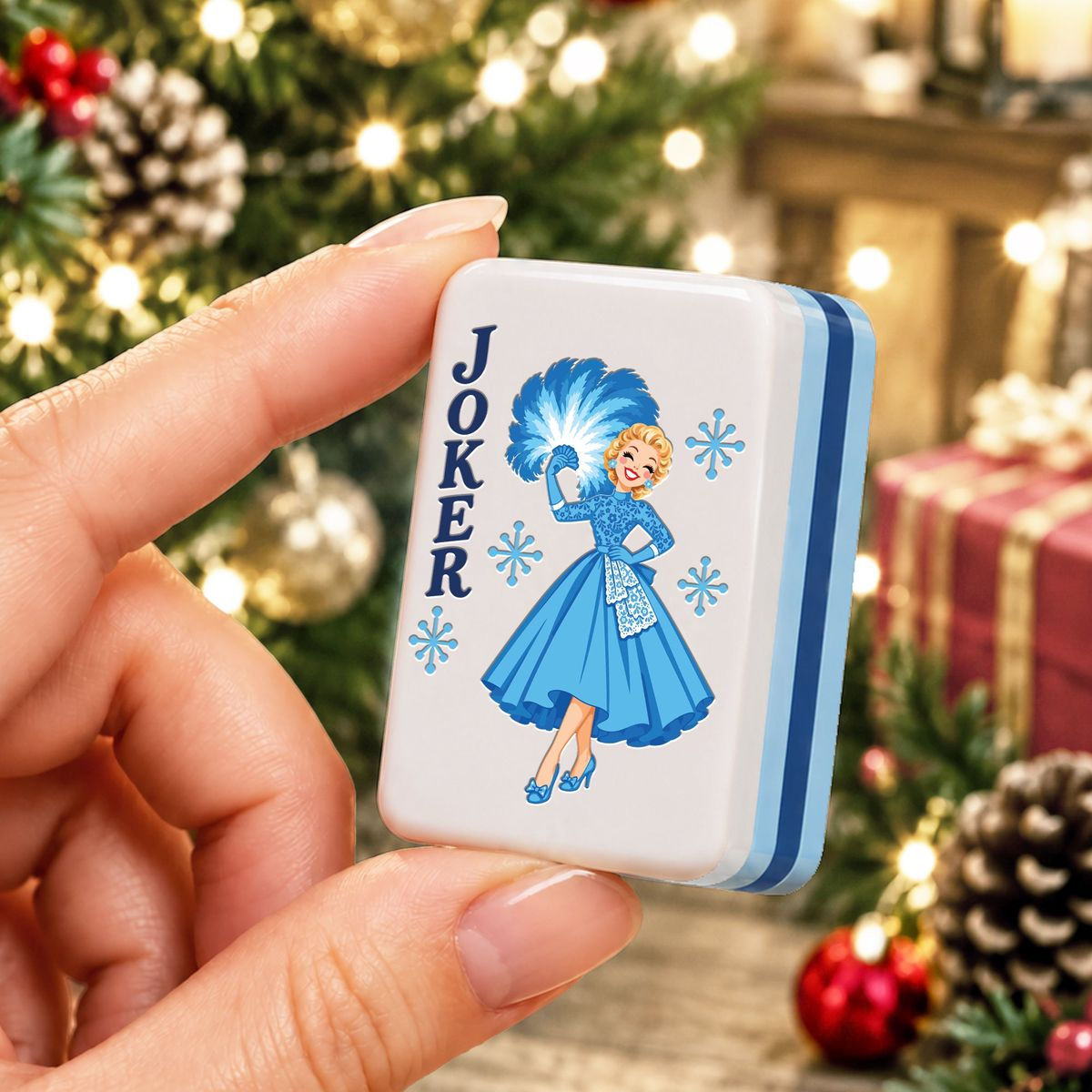
A premium mahjong starter kit is worth it if you plan to play weekly and value clarity, durability, and hosting ease. Standard American mahjong requires exactly 152 tiles plus 8 jokers; both budget and expensive sets contain this same count. The real difference: tile readability under varied light, rack comfort over long games, case durability during transport, and mat quality for smooth play. Budget sets use thinner plastic or flat tiles; premium acrylic sets feature engraved suits, larger pips, weighted construction, and cushioned racks. If you're joining an existing game or playing casually once a month, a mid-range set suffices. If you're hosting weekly, expect to pay more for tiles that won't fade, racks that won't crack, and a mat that protects your table. Mahstead 160-tile acrylic sets include engraved tiles, pushers, a mat, and storage—designed for players who take the game seriously and want equipment that survives a decade of play.
🀄 Shop best-selling mahjong sets →
What exactly do you get in a starter kit?
A true starter kit includes 152 playing tiles (Bams, Craks, Dots, winds, dragons, flowers, and jokers), racks to hold and organize tiles, a mat or table cover, at least one set of dice, and a carrying case. Budget kits often ship tiles in a cheap velvet pouch; premium kits include a protective case with dividers, cushioned racks with pushers (the small sticks used to draw tiles forward), and a durable mat. What's in an American mahjong set details every component. Our Mahstead sets add engraved tile numbers and suit symbols so you read hands instantly, even in dim restaurant light—a feature that saves time during fast rounds and prevents squinting.

How much does a beginner really need to spend?
Tile cost depends on material and design. Plastic sets are the cheapest entry point. Resin or acrylic tiles cost more but resist cracking and fading. Engraving adds cost because each tile is individually marked; blank or painted tiles are faster to produce. A functional set meeting American mahjong standards (152 tiles, storage, mat, racks) typically begins at a mid-tier price and rises with acrylic quality, custom designs, and case upgrades. A set you'll keep for ten years costs more upfront than one you'll replace in two. As a weekly player hosting games, we've learned that cheap racks warp, flat tiles blur, and thin mats slide—all problems that solve themselves with one investment in quality equipment.
🎁 See our most-loved mahjong sets & accessories →
Budget vs. Premium: What's the real difference?
Feature | Budget Set | Mid-Range Set | Premium Set |
Tile material | Plastic, thin | Resin blend | Acrylic, weighted |
Tile design | Printed/flat | Painted numbers | Engraved details |
Readability in low light | Poor | Moderate | Excellent |
Rack comfort (4-hour session) | Cramping fingers | Manageable | Cushioned, pushers included |
Mat quality | Thin rubber, slides | Standard felt | Leather-backed, grips |
Case durability | Velvet pouch, tears easily | Cardboard box | Reinforced hard case |
Expected lifespan | 1–2 years | 3–5 years | 8–10+ years |
Who it's for | Trying once | Monthly casual play | Weekly hosts, serious players |
We've seen budget sets fail after one year of weekly play: tiles chip, racks crack, mats fray. Premium sets in our circle still look new after a decade. The cost difference per play session (spread over years) often makes expensive kits cheaper in the long run.
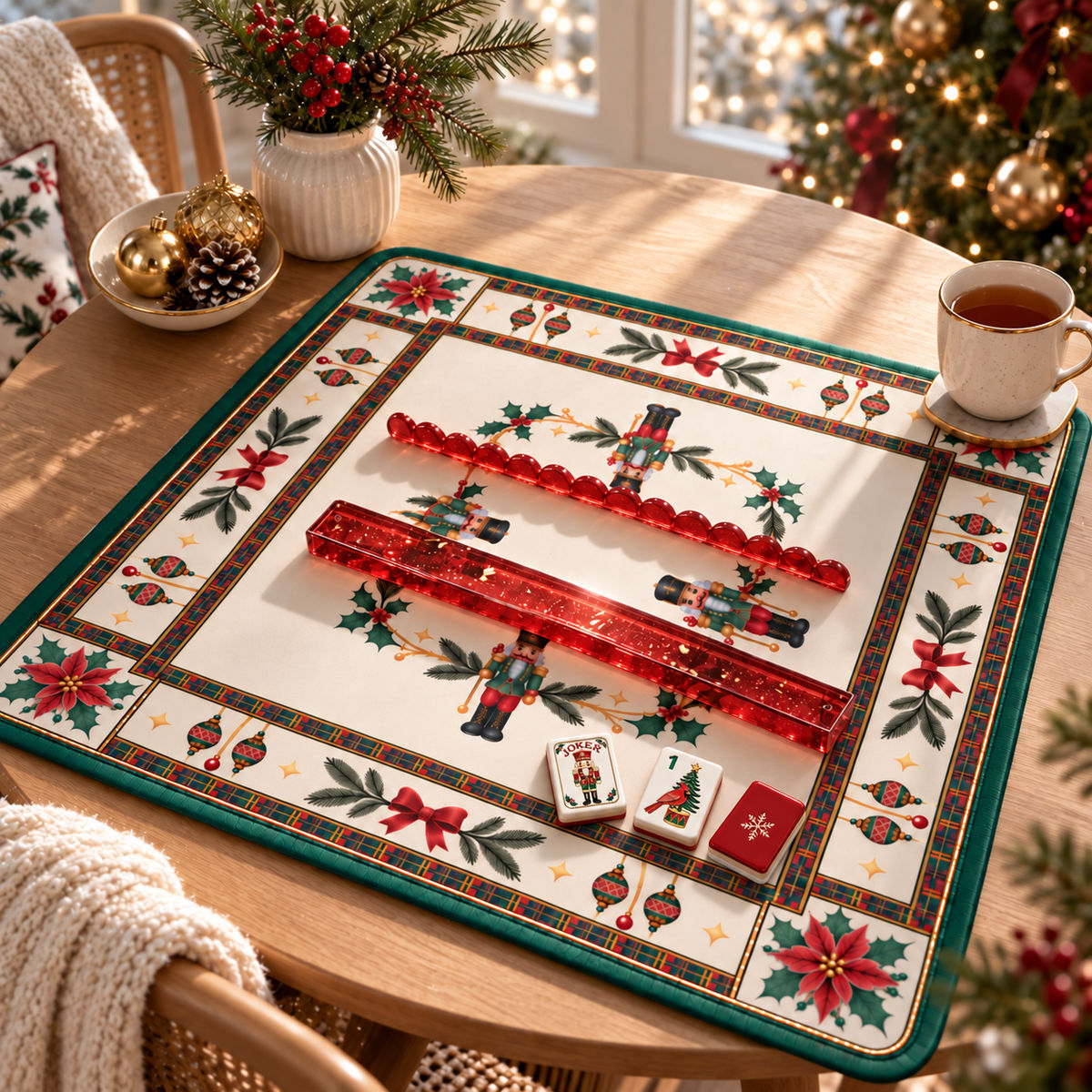
Why do engraved tiles justify the price?
Engraved tiles have numbers and suit symbols cut into the acrylic surface, making them readable from any angle, any lighting, without squinting. Printed tiles wear off; painted tiles fade or peel. During a real game, speed matters: you hold a rack of 13 tiles, draw one more, and must match it to the year's National Mah Jongg League hand card in seconds. Flat tiles force you to turn them toward light or tilt your head. Engraved tiles solve this. Under fluorescent light, restaurant dimness, or morning sun, you read tiles instantly. That clarity compounds over 200+ games per year: less eye strain, fewer errors, faster play. If you're hosting and using the same set every week, engraving becomes invisible—you just experience the game without friction.
Engraved American mahjong sets cost more to produce (each tile requires individual work), but they're the difference between a set you enjoy and one you tolerate.
Which starter kit should you actually buy?
Choose based on your play frequency and role:
Joining an existing group, playing monthly: A mid-range set from our best-selling collection with standard racks and a basic mat covers you. You're not hosting; durability is secondary.
Hosting weekly or planning to play seriously: Invest in a premium acrylic set with engraved tiles, a full-size mat, cushioned racks, and a case designed for transport. These sets are built for repetition and are ready for new players joining your game.
Gifting to a group starting together: A premium kit with a nice case or custom design becomes a group focal point. People remember which set they learned on.
Playing casually at home once a month: A mid-range or entry-level set works fine. You're not stressing the equipment or your eyes.
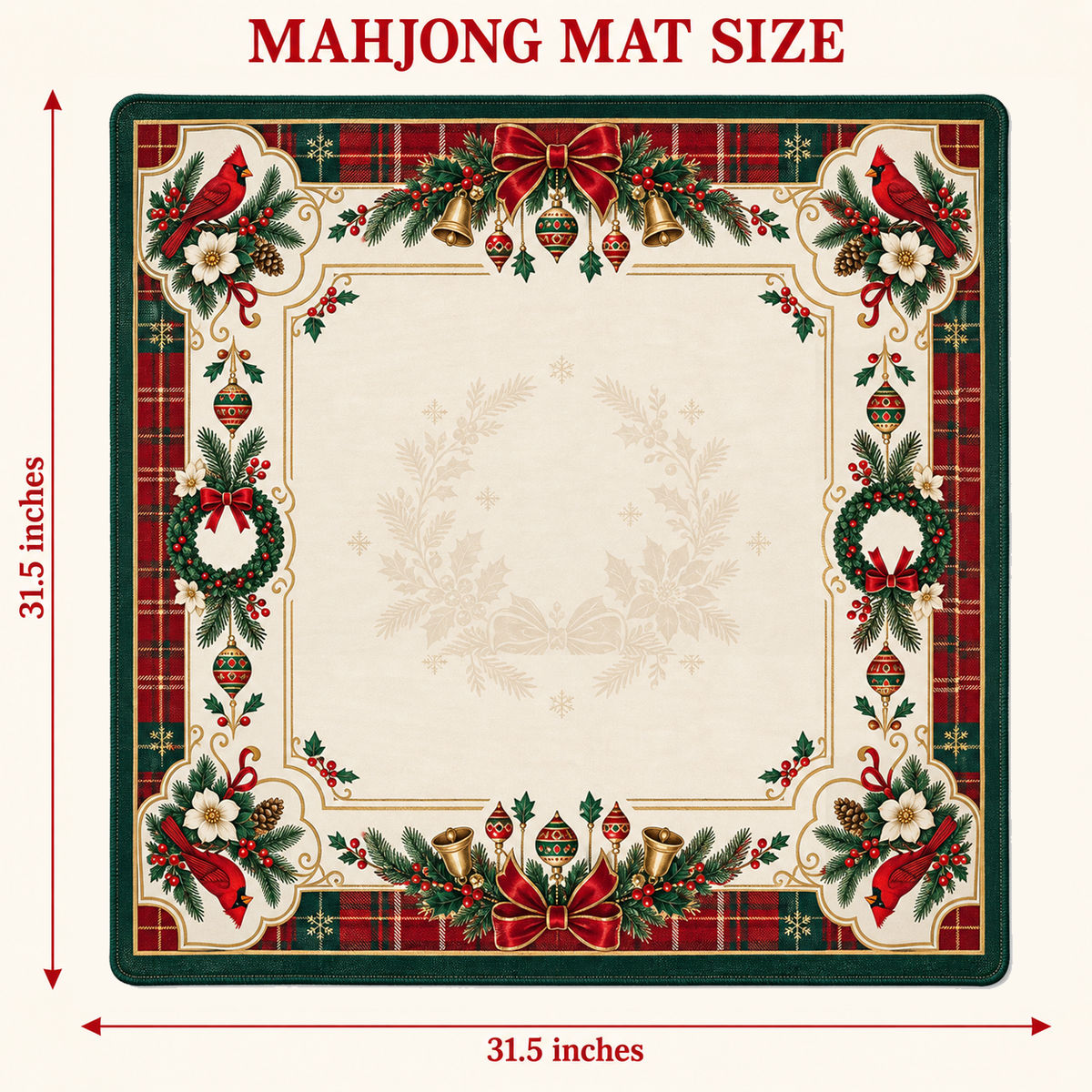
Before ordering, check tile size (standard American tiles are roughly 1 inch × 1.25 inches), mat dimensions (36" × 32" is typical for four players), and whether the case fits your storage space. Ask yourself: Will I play weekly? Do I host? Will I travel with this? Do my eyes need maximum readability? Your answers drive the decision more than any "best" label.
✨ Find your Mahstead set — free US shipping →
What should you check before buying?
Tile count verification: Confirm the kit includes exactly 152 playing tiles plus 8 jokers. A 160-tile set includes 8 spare tiles beyond the 152 in play (never added to a game). Do not buy a set promising more than 160 tiles; no standard American mahjong game uses them.
Mat measurement: Check mat dimensions in inches or centimeters. A mat smaller than 32" × 36" feels cramped for four players during a 2-hour game. Longer mats (40"–44") are better for hosting.
Rack comfort test: Racks with pushers let you draw tiles with one hand; flat racks force both hands. Over a 4-hour session, pushers save significant arm strain.
Case durability: Will it survive monthly transport in a car trunk or occasional airport travel? Hard cases with dividers last; velvet pouches tear after 10–20 trips.
Light test: If possible, see sample tiles in the lighting condition where you'll play. Engraved tiles shine in restaurants; printed tiles disappear under the same lamp.
We've watched players switch from budget sets to premium ones mid-season and immediately notice the difference. The investment pays back within a year if you're hosting or playing serious weekly games.
FAQ
Can I use a cheap starter kit and upgrade later?
Yes, but most players find themselves buying a second set anyway. Once you experience a premium set, cheap tiles feel small and hard to read. If you're certain about playing long-term, buy the better set once.
Do expensive mahjong sets play differently?
No; the game rules are identical. You're paying for readability, durability, comfort during long sessions, and protection of your playing surface. The tiles themselves follow the same count and function.
Is a mat really necessary?
Yes, for any weekly play or hosting. Mats protect your table, provide grip so tiles don't slide, and define the playing space clearly. Mahstead mats use leather backing to grip tables without damage.
What happens if a tile breaks in a premium set?
Single-tile replacement is not always available. Buy a set from a maker offering spare tiles or consider a 160-tile set (ours includes 8 spares) so you have backup tiles if any crack or go missing after years of play.
How do I know if a starter kit is right for my group?
Ask how often you'll play, whether you're hosting, and if anyone has vision sensitivity. Weekly hosting demands premium quality; casual monthly play suits mid-range. New players benefit from clear, engraved tiles that reduce confusion during how to read the mahjong card practice.
Do starter kits come with instruction or a rulebook?
Most do not; mahjong is learned by playing with experienced players. Mahstead includes guides, but you'll want the current-year National Mah Jongg League card for American mahjong hand reference. New to the game? How to play American mahjong and mahjong for beginners provide step-by-step learning.


View More
View More
View More
