
How to Use the 7 Bam Tile in American Mahjong
Last updated: Nov 23, 2026
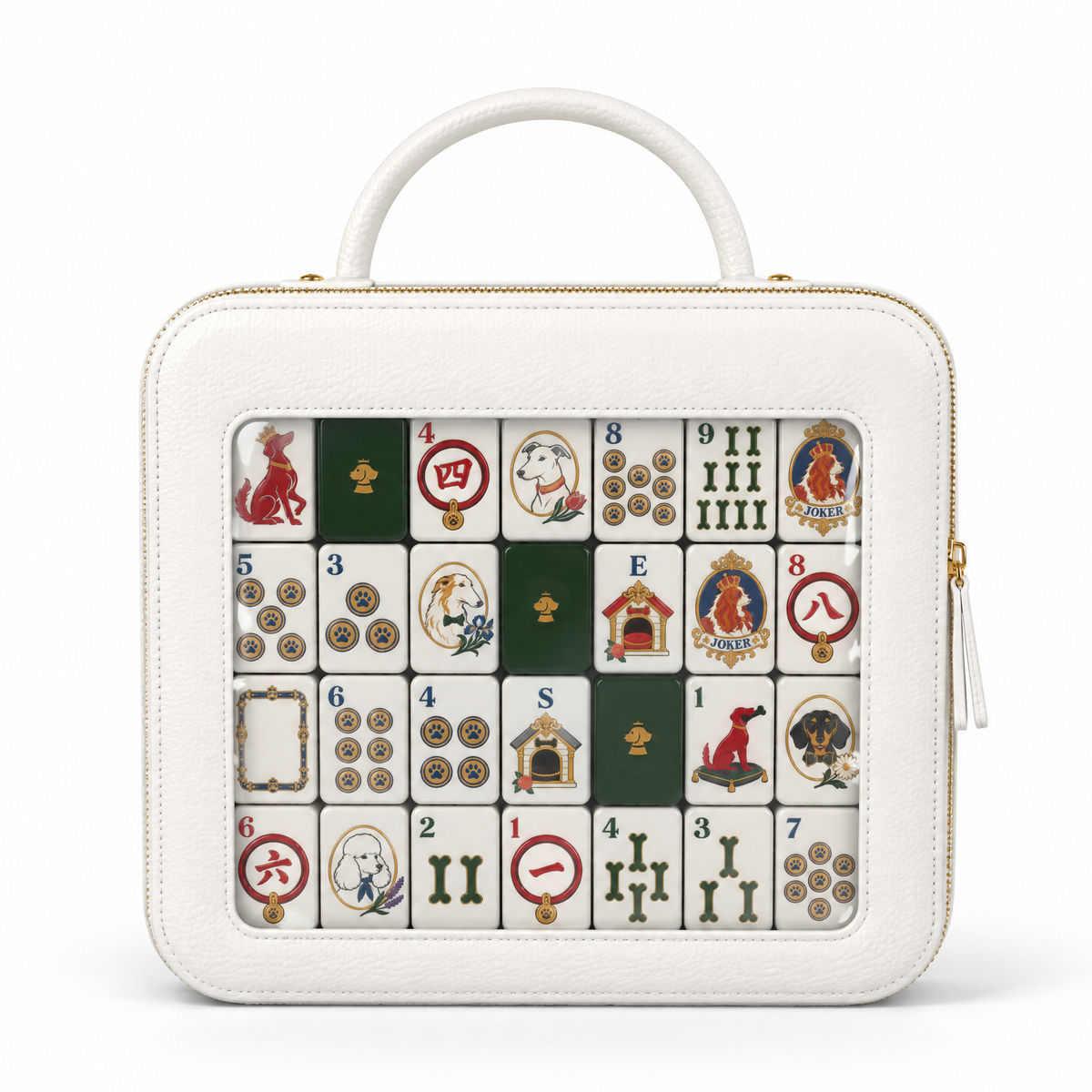
The 7 Bam is one of four identical Bamboo tiles numbered 7 in a standard American mahjong set. It appears on the current year's card in various hand patterns—often in pungs (three tiles), kongs (four tiles), or as part of numbered sequences within exposed melds. The 7 Bam has no special function like dragons or winds; it's a regular number tile valued only by the hand pattern it completes. To use it correctly, consult the annual National Mah Jongg League card to identify which hands include 7 Bams, then build and claim those combinations during play. Many new players confuse the 7 Bam with joker usage—remember that jokers can substitute for any tile except a pair. Avoid the trap of holding a 7 Bam hoping it becomes useful; discard early if it doesn't match your declared hand on the card.
Where does the 7 Bam appear on the card?
The 7 Bam shows up in patterns across the National Mah Jongg League card—typically in sections for numbered tile combinations, often paired with other Bams or mixed-suit hands. Look for it in pung rows (three or four identical 7 Bams), in Like Number sections (hands using all 7s from different suits), or in Consecutive Run sections where it connects 5 Bam, 6 Bam, 7 Bam, 8 Bam, 9 Bam. Not every hand uses the 7 Bam, and not every position in a hand needs the same number of them. Study your card's entire layout before play begins to spot where the 7 Bam helps you win.

Can I use a joker to replace a 7 Bam?
Yes—a joker can substitute for a 7 Bam in any exposed pung, kong, quint, or sextet, but never in a pair or in a single tile. If your winning hand requires a pair of 7 Bams, you must hold two actual 7 Bams; no joker can fill either position. If you need three 7 Bams in a pung, you can use one, two, or all three jokers alongside the actual 7 Bams you have. This flexibility is why jokers are valuable—preserve them for late game when the tiles you need have been discarded. For a deeper look at joker strategy, read how jokers work and master the timing rules around claiming them.
What's the difference between a 7 Bam pung and a 7 Bam kong?
A pung is exactly three identical tiles (three 7 Bams), which you can expose and announce to the table. A kong is exactly four identical tiles (four 7 Bams), also exposed and announced—but you draw an extra tile from the wall (or dead wall) after declaring a kong. Both are called melds. A pung contributes one score unit; a kong contributes more points. Never try to claim a "pung" with two tiles and a joker—you need three actual matching tiles or two tiles and one joker to declare a legal pung. Pungs and kongs are the only combinations you can expose in American mahjong; you cannot call a sequence like 5 Bam–6 Bam–7 Bam.
🀄 Shop best-selling mahjong sets →

How do I spot a 7 Bam on the actual tile?
The 7 Bam displays seven bamboo stalks arranged in a recognizable pattern on the tile face. In acrylic sets, the design is carved or engraved and usually filled with contrasting color or left clear against the tile background. Each 7 Bam in your set looks identical to the other three. If your set is worn or faded, the bamboo count can be hard to read—this is why a clear, durable acrylic set matters. Check your tile collection before your first game: lay out all four 7 Bams and compare them to confirm you recognize the pattern. Poor visibility delays play and causes disputes; investing in engraved American mahjong sets with sharp, legible designs eliminates this friction entirely.
What mistakes do players make with the 7 Bam?
Common error 1: Hoarding it. New players hold a 7 Bam too long hoping a hand will emerge. If your declared hand doesn't include a 7 Bam, discard it by turn three. Holding dead tiles locks up your hand and limits your flexibility.
Common error 2: Confusing it with a joker. A 7 Bam is a specific tile; a joker is a wildcard. If you draw a 7 Bam, you've drawn exactly what the tile is—not a blank or a substitute. Only use jokers when you're one tile short of a meld.
Common error 3: Building without the card. Never assume a hand exists. Check the current year's card first. Just because you hold three 7 Bams doesn't mean that pung appears in any winning hand this year.
Common error 4: Declaring exposure too early. If you expose your 7 Bam pung before you've drawn all your melds, you're locked into that hand. Delay exposure until you're certain the full combination is on your card and you're close to winning.
Mistake | Why it costs you | How to fix it |
Hold 7 Bam without a card match | Wastes a tile slot and reduces redraw options | Check the card before the hand—not during |
Expose 7 Bam pung too early | Opponent reads your hand shape and discards safer tiles | Wait until you're one or two draws from winning |
Confuse 7 Bam with joker substitute | Overthink the tile's value or miscount melds | Remember: 7 Bam is concrete; joker is wild only in melds |
Misread the 7 Bam on a worn tile | Call the wrong tile or dispute a winning claim | Use a clear, legible set like an acrylic design |
🎁 See our most-loved mahjong sets & accessories →
What to check before you buy a set
When you order a mahjong set, verify that all four 7 Bams are legible and distinct from 6 Bams and 8 Bams. Poor tile clarity leads to slow games and arguments. A 160-tile acrylic set from Mahstead includes 152 tiles for play and spare tiles, ensuring you always have crisp, replaceable pieces if one wears. Examine sample images or request close-ups of the Bam suit tiles. If you play weekly, prioritize sets with engraved or deeply carved designs that won't fade. Test the tile weight and thickness in person if possible—thick, substantial tiles feel better and last longer than thin, flimsy ones.
✨ Find your Mahstead set — free US shipping →

FAQ
Can a 7 Bam ever be a joker?
No. A 7 Bam is always a 7 Bam. Only dedicated joker tiles (usually marked with a joke image or "Joker") can substitute for other tiles. The 7 Bam has one role: fill a space requiring the exact 7 Bam tile.
What if I have three 7 Bams and two jokers—is that a legal pung?
No. A pung is three identical tiles, period. You can use two 7 Bams and one joker to make a legal pung (two actual, one wildcard). All three must be the same tile type, and jokers count as that type when substituting.
Do all four 7 Bams have to be used in one hand?
No. A hand uses 14 tiles total (four melds of three or four tiles each, plus a pair). Only one winning hand per round is declared, so typically one to four 7 Bams are in play during that hand. The other 7 Bams remain on racks or in the wall.
How do I know if a 7 Bam is the right tile to keep during the Charleston?
You don't yet. During the Charleston (the pre-game tile pass), keep tiles that match multiple hands on the card so you stay flexible. A single 7 Bam is useful only if you see several card hands featuring it; keep it only if you spot three or more 7 Bam patterns. Read the Charleston explained for full strategy.
If I discard a 7 Bam and someone else wins with it, do I lose extra points?
No. In American mahjong, the player who discards the winning tile pays the full hand value to the winner, regardless of which tile it is. A 7 Bam discard is no worse than any other tile.
Can I look up 7 Bam hands online before I play?
No—the National Mah Jongg League card is copyrighted and updated every spring. You must reference only the current year's official card issued by the League. Using an outdated or unapproved card changes which hands are legal.


View More
View More
View More
