
Beach Mahjong Tablescape: Tiles, Décor & Setup Guide
Last updated: Nov 23, 2026
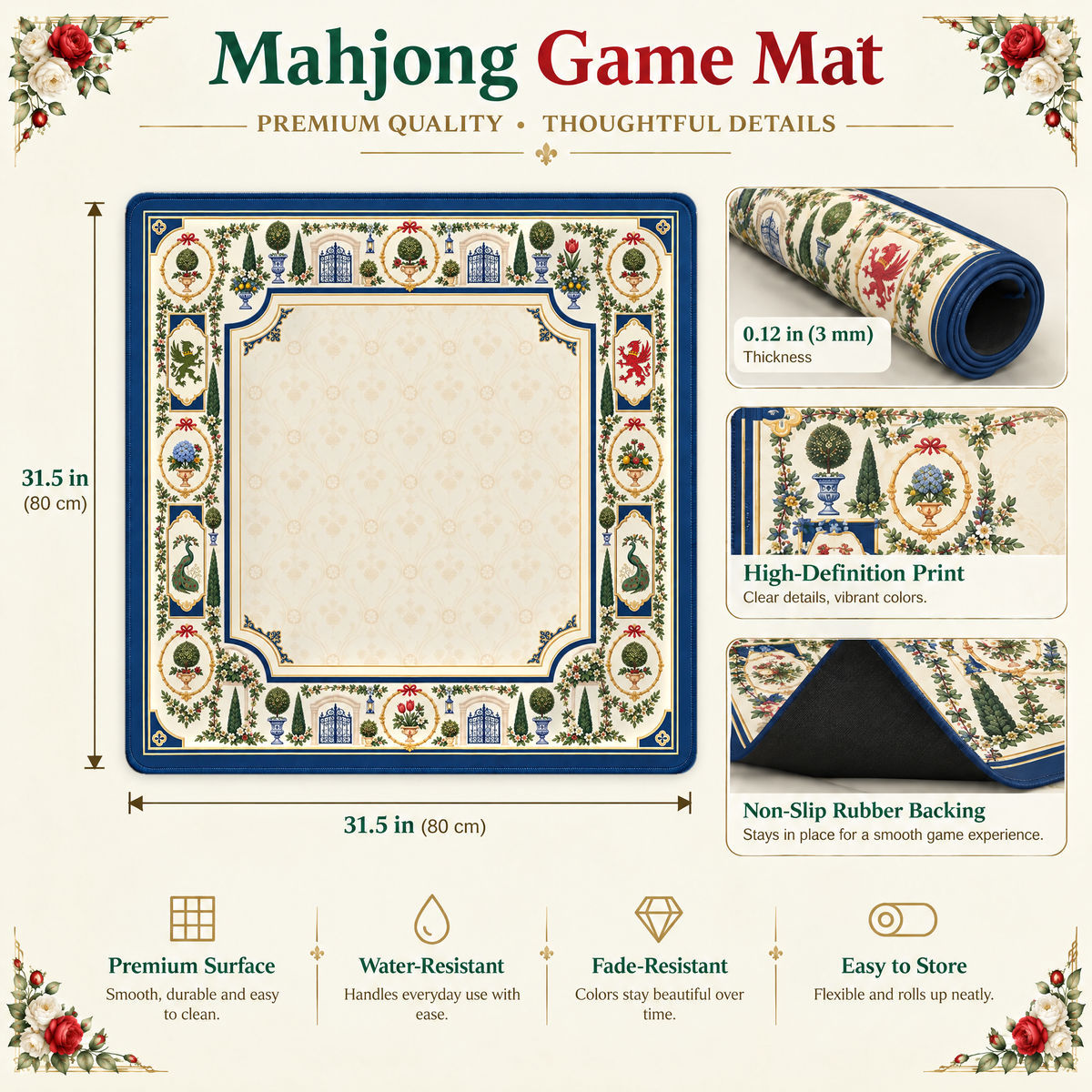
A beach mahjong tablescape is a purpose-built outdoor game station designed to withstand sand, salt, humidity, and wind while keeping tiles, racks, and players' hands visible and protected. Start with acrylic American mahjong tiles (152 tiles + spares) rather than bone or bamboo, which absorb moisture and warp. Pair them with a dedicated mahjong mat that has weight or friction to resist sand shift, a sturdy rack with pushers (one per player), and a waterproof bag or case for transport. Décor can include blue and sand-tone linens, driftwood accents, shell place markers, and an umbrella or sunshade overhead. Set up on a low table or portable cart on firm sand or boardwalk; keep a towel nearby to brush off tiles. Acrylic sets from our best-selling collection cost significantly less than bone and survive sea air without warping, making them ideal for coastal play.
Why acrylic tiles trump bone or bamboo at the beach
Bone and bamboo tiles absorb salt spray, humidity, and sand particles, leading to swelling, discoloration, and cracking within weeks of beach exposure. Acrylic tiles shed salt water, resist UV fading, and clean up with a quick rinse. They're also lighter to carry to the shoreline and won't splinter if dropped on hard sand or pavement. A single damp cloth returns them to clarity. For a beachside game that stays playable season after season, acrylic is your only honest choice—and it's also your most affordable one.
🀄 Shop best-selling mahjong sets →

How do you keep sand and salt off the tiles during play?
Place your set inside a dedicated mahjong mat with a raised or beveled edge that creates a shallow basin. Mats designed for outdoor use often feature rubberized backing to grip sand and prevent sliding. Before each hand, use a soft, dry brush or microfiber cloth to sweep the mat surface; keep one tucked in your beach bag. Position the mat on a firm, level patch of sand or on a low outdoor table; avoid soft sand that shifts. If wind is strong, weigh down mat corners with small water bottles or sandbags. Salt spray settles mainly on edges, so inspect tile backs weekly and store the full set in a waterproof case between sessions.
What mat and rack setup works best on sand?
Select a mat with enough weight or adhesive backing to stay put when wind gusts; lightweight fabric mats will billow and scatter tiles. Mahjong racks with pushers keep hands tidy and tiles organized, especially crucial when sand is underfoot and visibility is challenged by glare or shifting shadows. Choose racks with wide bases or non-slip feet—plastic or bamboo racks with pointed feet sink or tip in loose sand. Four racks (one per player) arranged around a mat create a stable game zone. If you're on a boardwalk or patio, any standard rack works; on shifting sand, prefer heavier racks or secure them with small C-clamps to a low table frame.
Setup choice | Best for | Why it works | Main trade-off |
Mat on firm sand, racks on table | Mixed terrain | Tiles stay dry, hands elevated | Longer arm reach |
Mat + racks all on low cart | Soft or shifting sand | Everything moves as one unit | Cart must be wheeled carefully |
Mat on boardwalk, racks on adjacent chairs | Patio-only setup | Maximum stability, easy cleanup | No portability between spots |
Weighted mat corners + standard racks | Budget-conscious | Works with gear you have | Less wind resistance |

How do you décor a beach mahjong tablescape without looking forced?
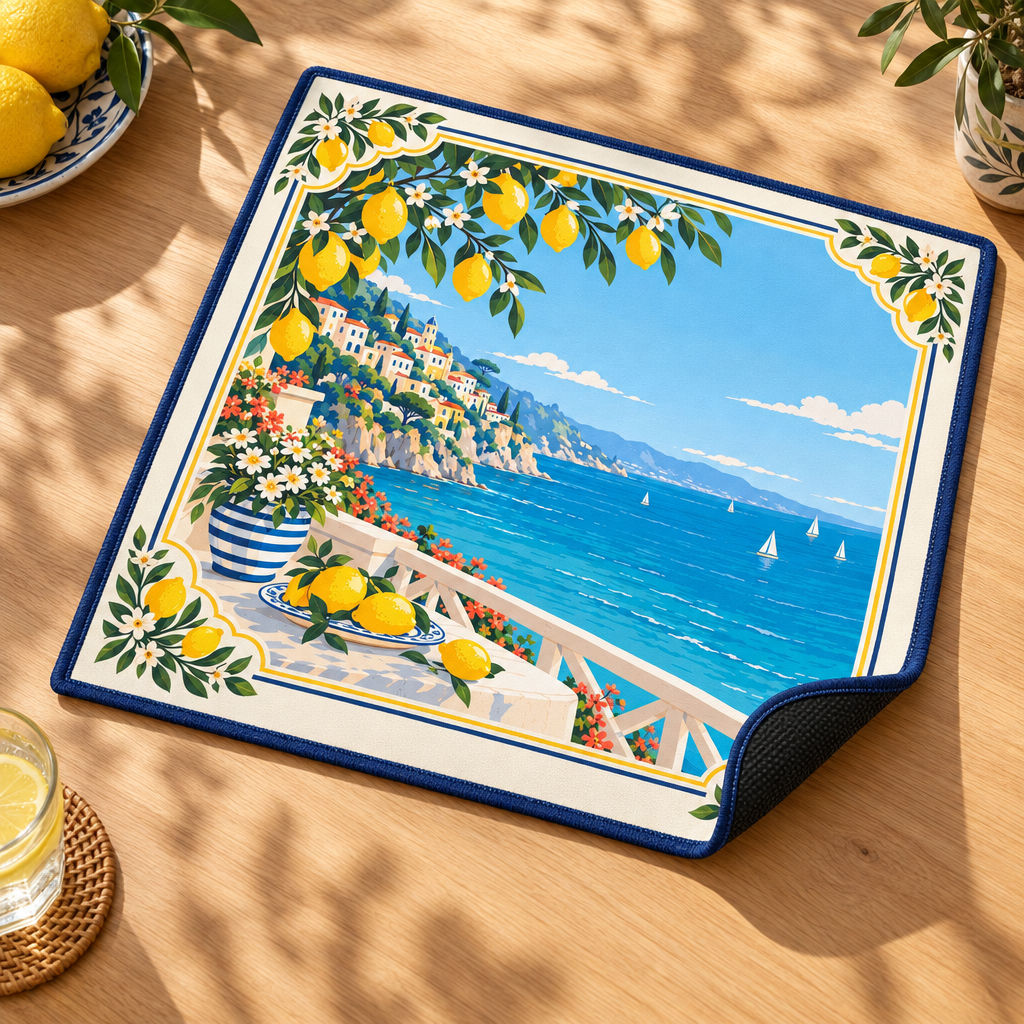
Lean into the environment—don't fight it. Use a linen runner in sand, white, or soft blue beneath the mat; it frames the game and catches fallen tiles. Place small potted succulents or driftwood pieces at mat corners as visual anchors. Shell place markers or sand-dollar coasters at each player's seat add seaside charm without interfering with tiles. String market lights overhead (battery-powered, weather-rated) for evening games. A large umbrella or shade sail suspended behind the table cuts glare and heat without blocking views. Skip plastic beach balls or neon décor; they distract and date quickly. The tiles themselves are beautiful—let acrylic clarity and bold suit colors (Bams, Craks, Dots) be your main visual statement. Pair them with natural textures and muted tones, and the tablescape feels intentional rather than novelty.
🎁 See our most-loved mahjong sets & accessories →
What should you pack to host a smooth beach game?
Create a checklist before you leave home. Transport tiles in a waterproof mahjong bag or case that seals or zips fully. Bring the mat rolled in a waterproof tote, four racks, four pushers (one per rack), a brush or cloth for sand removal, a small towel, sunscreen, water bottles, and a printed copy of the current National Mah Jongg League card in a waterproof sleeve. Pack a backup set of jokers and one spare rack—sand can jam mechanisms. Bring a small battery-powered fan to keep players cool, insect repellent for dusk games, and a headlamp or flashlight if you're playing into evening. A small cooler with ice keeps hands clean and refreshed. Arrive early to sweep and level the mat before the first hand. Allow 15 minutes for setup on sand; 5 minutes on a solid surface.
✨ Find your Mahstead set — free US shipping →
What to check before you buy
Tile material: Confirm acrylic or resin—never ivory bone or bamboo for beach play. Our best-selling collection carries acrylic sets built to last.
Case or bag included: A waterproof or water-resistant carrier is essential. Check product details—many sets ship with a basic drawstring; upgrade to a hard case if frequent transport is planned.
Mat weight and material: Outdoor mats should have rubberized or felt backing (not slick nylon) to grip sand. Verify dimensions fit your table or cart.
Rack stability: Look for racks with wide or angled feet designed for uneven surfaces, not thin spindly legs.
Spare jokers and tiles: A 160-tile set includes spares; confirm your set includes backup jokers, as they're easy to lose in sand.
Brush or cloth included: Some sets ship with a microfiber cloth; if not, budget for one separately.
FAQ
Can I use bone or bamboo mahjong tiles at the beach?
No. Bone and bamboo absorb moisture, salt, and sand, causing permanent warping, discoloration, and cracking. Acrylic tiles shed salt water, resist UV damage, and rinse clean—they're the only practical choice for coastal play.
How often should I clean acrylic tiles after beach play?
Rinse tiles with fresh water and dry them immediately after each session to remove salt residue. Weekly, wipe tile backs and edges with a microfiber cloth to prevent salt buildup. Store in a sealed case between sessions to keep humidity and sand out.
What size mat works best for a beach setup?
Standard American mahjong mats (roughly 24" × 24" to 27" × 27") work well on a low table or cart. On open sand, choose a mat with rubberized backing and weighted corners to resist wind. Consult how to choose a mahjong mat for detailed sizing.
Do I need a waterproof case, or is a bag enough?
A waterproof or water-resistant case is strongly recommended. Bags offer some protection but aren't sealed; cases keep tiles, jokers, and racks dry during transport and storage between games. Mahjong bags and cases guide walks through options.
How do I prevent wind from scattering tiles on the mat?
Use a mat with rubberized or felt backing and weigh corners with water bottles or sandbags. Position the mat on a low, stable table or sturdy cart to raise it slightly above sand. Avoid soft sand that allows mat edges to shift.
Can I use standard restaurant or card-table umbrellas for shade?
Yes, as long as they're anchored firmly in sand or clamped to your table frame. Battery-powered shade sails or market lights work equally well and look intentional. Always prioritize stability over aesthetic—a blown-away umbrella ruins the game.
What's the best time of day to host a beach mahjong game?
Early morning (before 10 a.m.) or late afternoon (after 4 p.m.) avoid peak sun glare and extreme heat. Glare off acrylic tiles can strain eyes, so position the table so the sun is behind players or diffused by shade. Evening games require battery-powered lighting but offer the coolest, most pleasant play.


View More
View More
View More
