
How to Tell If Mahjong Tiles Are Resin: A Player's Guide
Last updated: Nov 23, 2026
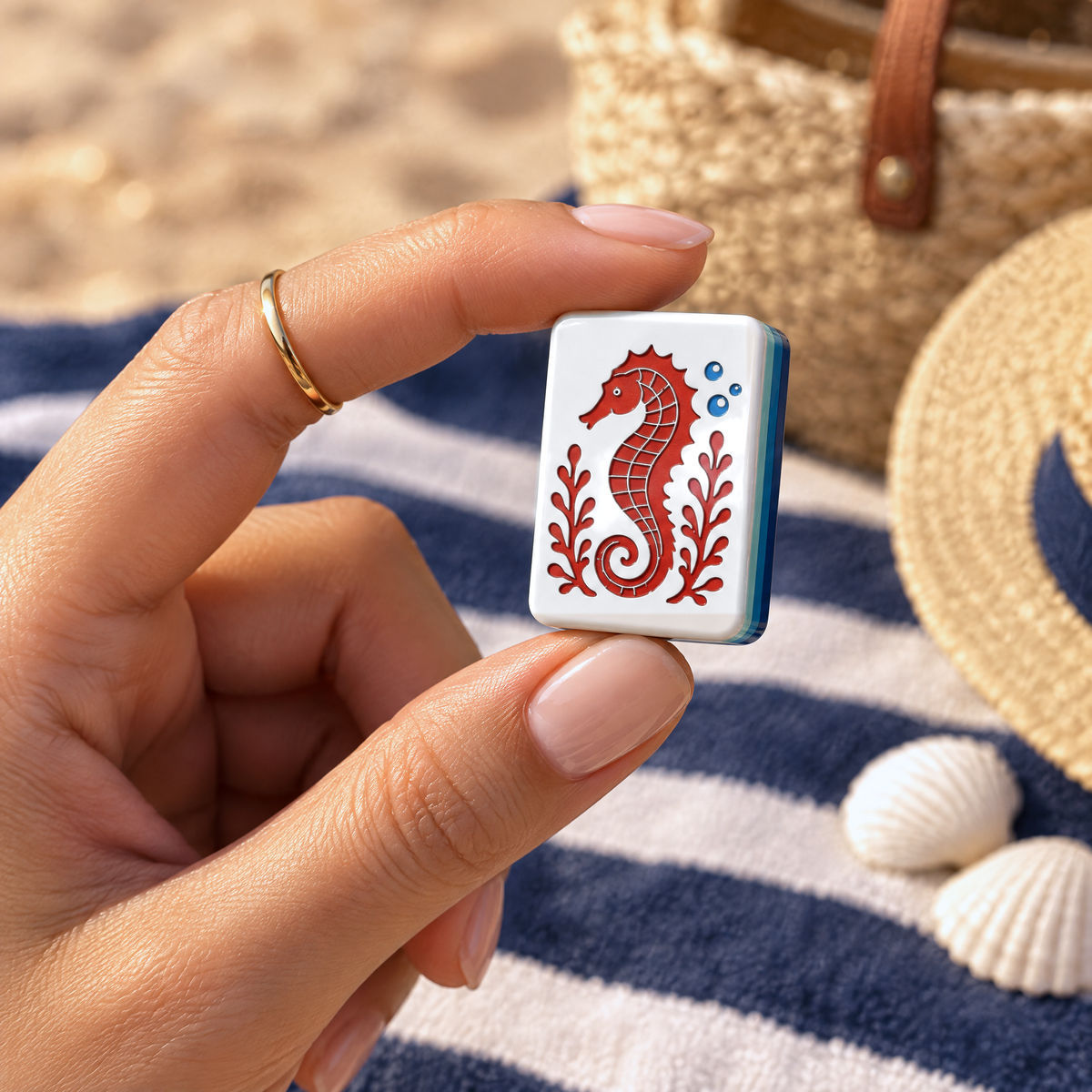
Resin mahjong tiles are made from compressed synthetic plastic compound—denser and heavier than standard plastic but lighter than bone or bamboo. You can tell them apart by weight (resin feels substantial in your palm), sound (they click with a deeper tone), and surface texture (resin has a subtle grain or slight matte finish, not high gloss). Check the edges and backs: resin shows fine molding lines and consistent color throughout the tile, whereas bone has natural striations and bamboo shows layering. Resin tiles wear slowly, resist moisture better than bamboo, and maintain character after years of play. Most modern best-selling mahjong sets now use resin or composite materials because they balance durability, cost, and feel for weekly players.
Resin mahjong tiles have become the standard for serious home players and tournament clubs over the past decade—not because they're flashy, but because they perform. As a group of players who've hosted dozens of games with tiles made from bone, bamboo, acrylic, and resin, we know the difference matters more than most beginners realize. Identifying resin isn't just academic; it tells you what your tiles will do over time, how they'll sound when you play, and whether they're worth the investment.
What exactly is resin in a mahjong tile?
Resin is a synthetic compound—typically polyester, epoxy, or acrylic resin mixed with fillers and pigments—that's molded under pressure to create a solid, uniform tile. Unlike bone (sawn from animal bone and hand-finished), bamboo (laminated layers of plant material), or injection-molded plastic (hollow or thin-walled), resin is compressed into a dense block, then cut and engraved. The result is a tile that feels substantial without being breakable, and lasts longer than cheaper plastics. Resin's defining trait is consistency: every tile from the same batch has identical weight, thickness, and sound.

How do you spot resin by weight and feel?
Pick up a single tile and hold it in your palm. Resin tiles weigh noticeably more than plastic molded tiles—you'll feel a solid "heft" rather than a light, hollow sensation. In hand, resin sits somewhere between true bone (which is heavier still) and standard plastic (which feels insubstantial). A true resin tile will not flex or bend when you gently press it; plastic tiles sometimes give slightly. If you can compare side-by-side, weigh them: resin tiles typically run 15–25 grams per tile, while thin plastics run 5–10 grams. A full set of 160 tiles will feel noticeably heavier in its case if the tiles are resin.
What does resin sound like when you play?
Sound is one of the fastest tells. Clack two resin tiles together: you'll hear a clean, slightly muted click—a sound that carries across the table without a tinny ring. Plastic tiles make a higher-pitched, sharper tap or sometimes a hollow plink. Bone produces a deeper, almost woody clack. Bamboo has a sound somewhere between plastic and bone, often with a faint hollow undertone. Most players recognize the resin click within three tiles. It's one reason regular players develop a preference: resin sounds professional and satisfying, which changes how the game feels psychologically, even if the rules stay the same. Sit at a table and listen for that solid, medium-pitched click—that's likely resin.
How do you check the edges and surface finish?
Flip a tile over or hold it at an angle to a light. Resin shows:
Smooth, consistent edges with fine molding seams (tiny lines where the mold halves met) that are tight and uniform.
Matte or semi-gloss finish—never mirror-bright unless heavily polished. The surface has a subtle grain or stipple, like fine sandpaper.
Uniform color throughout—if you look at a broken edge (we don't recommend breaking your tiles, but if they're damaged), resin is the same shade inside and out.
No layering or striations—unlike bamboo, which shows visible laminated layers, or bone, which displays natural lines and spots.
Engravings on resin sit flush with the surface, crisp and even, because resin molds cleanly. Run your finger across the characters or symbols: they should feel sharp but smooth, not rough or splintered.
What's the difference in durability and performance?
Over 50+ games a year, resin outlasts cheaper materials. Bone can crack if dropped or if humidity swings wildly. Bamboo absorbs moisture and warps over time, making tiles stick to each other or wear unevenly. Standard plastic becomes brittle in sunlight and feels cheap after months of weekly play. Resin resists all three: it's stable through temperature and humidity changes, won't splinter, and actually improves in hand-feel as it ages—the surface polishes smooth from handling, not rough. Many players who switched to resin sets report they haven't needed replacements after 3–5 years of heavy play. Plastic tiles often need repair or replacement within 12–18 months.
🀄 Shop best-selling mahjong sets →

A quick comparison: resin vs. other materials
Material | Weight Feel | Sound | Durability (years) | Moisture Stable | Best For |
Resin | Substantial, solid | Medium click | 5+ | Yes | Regular players, humid climates |
Bone | Very heavy | Deep clack | 3–4 | No | Collectors, dry storage |
Bamboo | Moderate | Hollow-ish click | 2–3 | No | Budget gamers, short-term use |
Plastic (thin) | Light, hollow | Sharp ping | 1–2 | Yes | Beginners, travel only |
Acrylic | Heavy, smooth | Bright click | 7+ | Yes | Premium play, engraving detail |
The most important row: resin excels at longevity and reliability for weekly home games. Acrylic is superior but commands a higher investment.
How to identify resin in a set you're buying online
If you're shopping sight-unseen, ask the seller or check the product description for the word "resin" or "composite resin." Avoid vague terms like "durable plastic" or "quality tiles"—those often hide thin plastic. Honest sellers specify: "resin composite," "high-density resin," or will compare to other materials. Look at product photos: resin tiles have a visible texture in close-ups, not a mirror gloss. Read customer descriptions—players who've owned resin comment on the weight and sound. If the set comes in a sturdy case and costs more than the cheapest options, it's likely resin or better. Engraved American mahjong sets often use resin because the detail engraving holds better than in plastic, and the material won't chip or dull over time.
What to check before you buy
Ask these three questions:
"Are these tiles resin or composite material?" — A seller who can answer this clearly knows their product. Vague answers suggest plastic.
"What's the tile weight or total set weight?" — Resin sets are noticeably heavier. A full 160-tile set in resin will be several pounds heavier than plastic.
"Can you describe the sound or feel?" — If the seller has played with the tiles, they'll describe the click and heft. If not, they've never tested what they're selling.
Inspect in person if possible:
Hold a tile: does it feel substantial?
Clack two together: is the sound a clean, medium-pitched click?
Look at the back and edges: are they smooth, uniform, and slightly matte?
Run your finger over engravings: are they sharp and even?
One honest caveat: not all resin is equal. Some sellers compress resin at lower density, resulting in tiles that feel closer to plastic. True resin feels noticeably heavier and sounds cleaner. If you're unsure after inspection, buy from sellers who let you return unsatisfactory sets.
🎁 See our most-loved mahjong sets & accessories →
Why resin matters for your weekly game
We've hosted 100+ games with different tile materials. The difference between resin and cheap plastic isn't subtle by game five. Resin tiles shuffle smoothly without sticking, stack predictably, and sound crisp when played—qualities that make the game feel controlled and satisfying. Over a three-hour session, that matters: your hands don't fatigue fighting sticky tiles, and everyone at the table trusts the integrity of the tiles. Resin also levels the playing field: if everyone's playing with the same reliable material, the tiles aren't introducing random friction or inconsistency into the game. For tournaments or regular weekly groups, that's worth the modest extra cost.
If you're building a travel bag and case setup or planning to host regular games, resin is the practical choice. The tiles will survive transport, temperature swings, and years of weekly play without warping, cracking, or degrading. New players often upgrade to resin after their second or third set, once they've felt the difference.
✨ Find your Mahstead set — free US shipping →

FAQ
Can you tell if tiles are resin just by looking at the box?
Not reliably. Boxes don't always describe material clearly. Open the box if possible, weigh a tile, and listen to the sound. The product description online is more honest than packaging claims.
Are resin tiles better than acrylic for American mahjong?
Both are durable, but acrylic is heavier and holds engraving detail even more crisply. Resin is lighter, still reliable, and costs less. Choose based on budget and preference for weight and feel.
Do resin tiles get slippery or greasy over time?
No. Resin actually improves in hand-feel—the surface polishes smooth from handling. It resists fingerprint oils better than bamboo and won't become tacky or warped.
How do I know if "composite" means resin or just plastic?
Ask directly: "Is this resin composite or plastic composite?" Resin composite = dense, heavy, reliable. Plastic composite often just means mixed plastic grades, which can still be thin or brittle.
If I drop resin tiles, will they crack?
Resin is tougher than bone but can crack if dropped hard on a corner or edge. It's more forgiving than bamboo or bone—it won't splinter—but treat them with normal care. A brief drop onto carpet usually causes no damage.


View More
View More
View More
