
How Long Does a Game of Chinese Mahjong Take?
Last updated: Nov 23, 2026
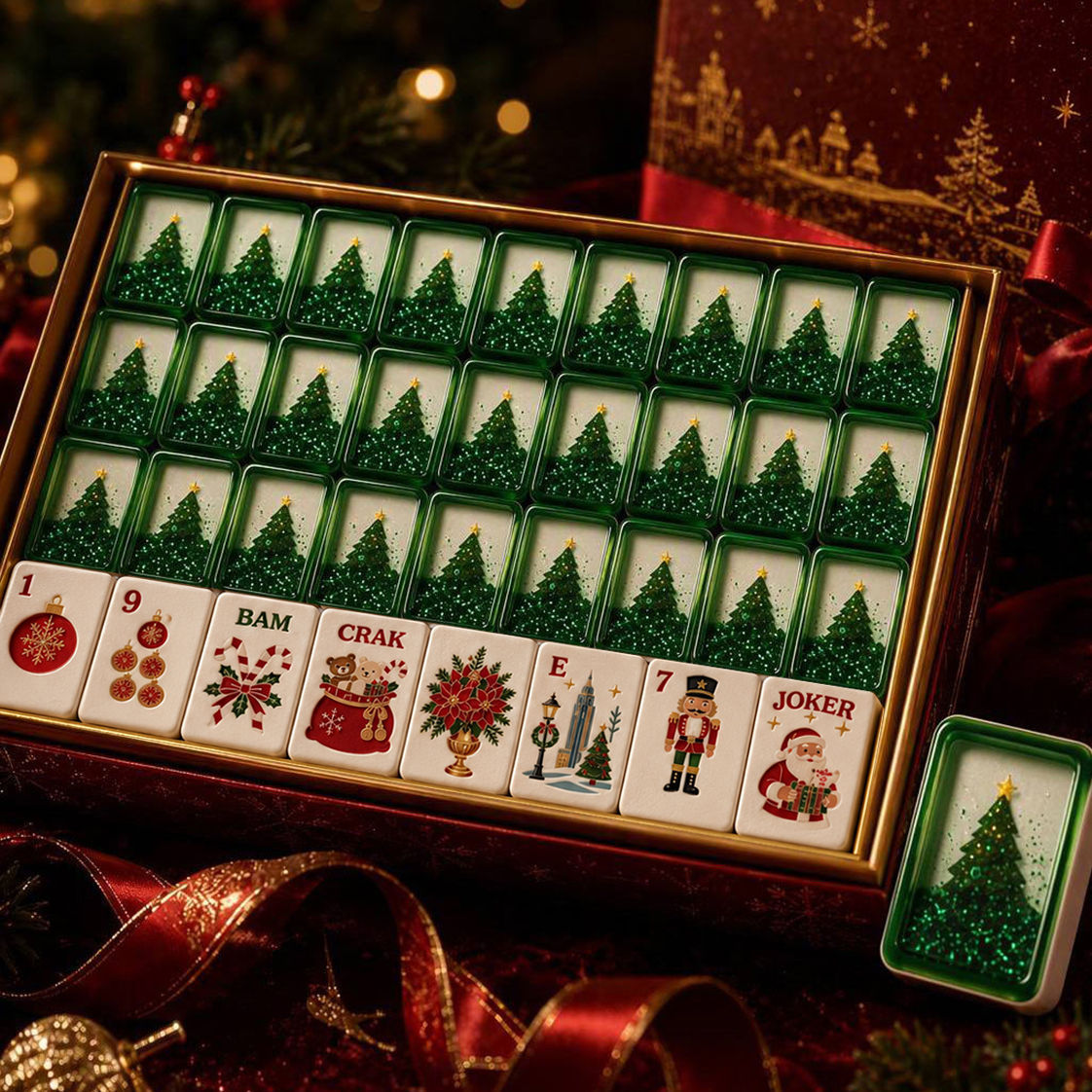
A single round of Chinese mahjong typically lasts 15–45 minutes, depending on player experience and ruleset. Standard Chinese mahjong uses 144 tiles (four suits: Winds, Dragons, Bamboo, Circles) and allows sequences (chows), pairs, and triplets (pungs) to be drawn or called openly. A full game of four rounds (a "circuit") usually takes 60–120 minutes. Beginners play slower because they calculate hand possibilities longer; experienced players finish rounds in 15–20 minutes. Speed also depends on house rules—some groups penalize slow play, others use a sand timer. Unlike American mahjong (which has no sequences and uses 152 tiles plus jokers), Chinese mahjong's simpler tile mechanics and faster melds speed up play. For hosting groups, investing in best-selling mahjong sets with clear markings and a padded mat reduces confusion and keeps rounds flowing.
What's the difference between a "round" and a "game"?
In Chinese mahjong, a single "round" (局) ends when one player wins or the wall runs out—typically 15–20 minutes for skilled players. A full "game" (圈) consists of four rounds, one from each player's Wind position (East, South, West, North). This circuit takes 60–100 minutes. Many casual groups play just one circuit and quit; serious players or tournaments may play two or three circuits back-to-back, extending total time to 3–4 hours. Clarity on the ruleset before you sit down prevents mid-game arguments about whether you're playing one round or a full circuit.

How does skill level affect game speed?
Expert players win or draw a round in 15–20 minutes because they instantly recognize winning patterns and discard strategically. Intermediate players need 25–35 minutes; they must consider which tiles are safe to discard. Beginners often take 40–50 minutes because they count every tile, calculate odds, and ask rules questions. In a mixed-skill table, rounds slow to the slowest player's pace. A practical tip: if you're hosting weekly games, pair similar skill levels at the same table to keep momentum steady. Using a mahjong mat with clear markings and racks with pushers helps newer players organize their hand faster and reduces hesitation.
Which Chinese ruleset plays the fastest?
Comparison: Speed by Chinese Mahjong Variant
Variant | Round Time | Complexity | Meld Types | Why Faster/Slower |
Cantonese (Hong Kong) | 15–25 min | Moderate | Pungs, chows, pairs | Fewer winning hand combos; quick discard pace |
Sichuan | 20–30 min | High | Many melds + special combos | Extra hand patterns slow winning; more calculation |
Shanghai | 15–20 min | Low | Simple pairs + sets | Fewer melds allowed; fastest wins |
Riichi (Japanese) | 20–35 min | Moderate–High | Melds + concealment rules | Drawing phases and pattern calls add time |
Taiwan | 25–40 min | Very High | Many hand types + bonus tiles | Complex scoring and combo detection slow play |
Cantonese mahjong runs fastest because hand combinations are limited and players discard aggressively. Shanghai mahjong is almost as quick but less common outside Shanghai. Riichi and Taiwan variants allow more hand patterns, so rounds stretch longer.
🀄 Shop best-selling mahjong sets →
What house rules speed up or slow down play?
Most groups adopt one or more speed rules: a 30-second timer per turn stops analysis paralysis; a rule that forces a discard within ten seconds of drawing a tile keeps momentum high. Some groups penalize slow players (lose a point, sit out a hand). Others use a "dead hand" rule—if you take too long to call a meld or win, your hand is void and play continues. Conversely, groups that allow lengthy discussion before discarding can turn a round into an hour-long debate. Communicating your group's speed expectations before the first hand prevents frustration and keeps weekend games pleasant.

How long is a tournament game of Chinese mahjong?
Tournament play is strictly timed: most formal competitions run one round per 30 minutes (including shuffling, dealing, and wind changes), so a full circuit takes exactly 120 minutes. Some leagues enforce a hard stop if the wall is incomplete—the hand is scored immediately based on tiles exposed. Tournaments eliminate downtime by pre-shuffling tiles during play, having dedicated dealers, and using standardized tile racks. If you host monthly or annual tournament games, a set of mahjong racks with pushers ensures fast, consistent setup and keeps scores fair. Tournament rules also forbid slow-play penalties (instead, players are simply advised to play at the table's pace).
What about online Chinese mahjong—is it faster or slower?
Digital Chinese mahjong usually runs 10–15 minutes per round because the app auto-calculates winning patterns, shuffles instantly, and enforces turn timers (often 10–15 seconds). No physical shuffling, table chatter, or dealer errors slow it down. However, many players find online play less social and less engaging than in-person games. If you're hosting a regular in-person group and want to keep rounds snappy, use a padded mahjong mat to speed setup; shuffle while the previous round scores. Keeping tiles organized in a quality set also shaves off dead time.
🎁 See our most-loved mahjong sets & accessories →
Real-world hosting: a timing checklist
Before the game: Pre-count tiles; shuffle during the previous round. (Saves 5–10 minutes per circuit.)
During play: Enforce a 20-second turn timer if your group tends to hesitate.
After each round: Rotate dealer; recount tiles immediately; announce next round Wind while reshuffling.
Set quality matters: Clear tile markings and sturdy racks reduce squinting and fumbling.
Have a snack break: After two rounds (60–80 minutes), take 10 minutes to reset focus and prevent fatigue-driven slow play.
These simple steps typically cut 15–20 minutes from a four-round circuit without feeling rushed.
What to check before you buy
If you're hosting weekly Chinese mahjong games, inspect your current set for clarity: can everyone read the characters and symbols instantly? Worn or faded tiles create hesitation and slow rounds dramatically. Look for sets with crisp engravings, high-contrast colors, and tiles that sit flat on the table (warped tiles jam in racks and slow melds). A durable acrylic mahjong set resists fading and shuffling damage, keeping your table moving smoothly for years.
✨ Find your Mahstead set — free US shipping →

FAQ
Can a game of Chinese mahjong end in under 10 minutes?
Only in rare, very experienced games where winning hands appear by the third or fourth draw—or in a dead wall draw. Normal rounds are 15–20 minutes minimum.
Is Chinese mahjong faster than American mahjong?
Yes, typically 15–45 minutes per round versus 30–60 minutes for American mahjong, because Chinese mahjong has simpler melds and no tile-passing ritual (Charleston) before play.
Why do some rounds feel so slow?
New players analyzing every discard, no turn timer, or playing with an unfamiliar ruleset. Using a clock and clarifying rules before starting keeps momentum steady.
Should I use a timer for casual home games?
Not mandatory, but a gentle 20–30-second timer per turn prevents analysis paralysis and keeps four rounds under two hours. Many groups use a phone timer quietly.
Does tile quality affect how fast a round plays?
Absolutely. Faded or worn tiles cause squinting and hesitation; clear, high-contrast tiles let players spot and meld quickly, shaving 5–10 minutes per circuit.
How many rounds can a group play in an evening?
Two full circuits (eight rounds, 120–150 minutes) fit comfortably into a three-hour evening with breaks. Most casual groups play one circuit (60–100 minutes) and call it a night.


View More
View More
View More
