
Mahjong Lucky Colors: Tradition, Superstition & Tile Choices
Last updated: Nov 23, 2026
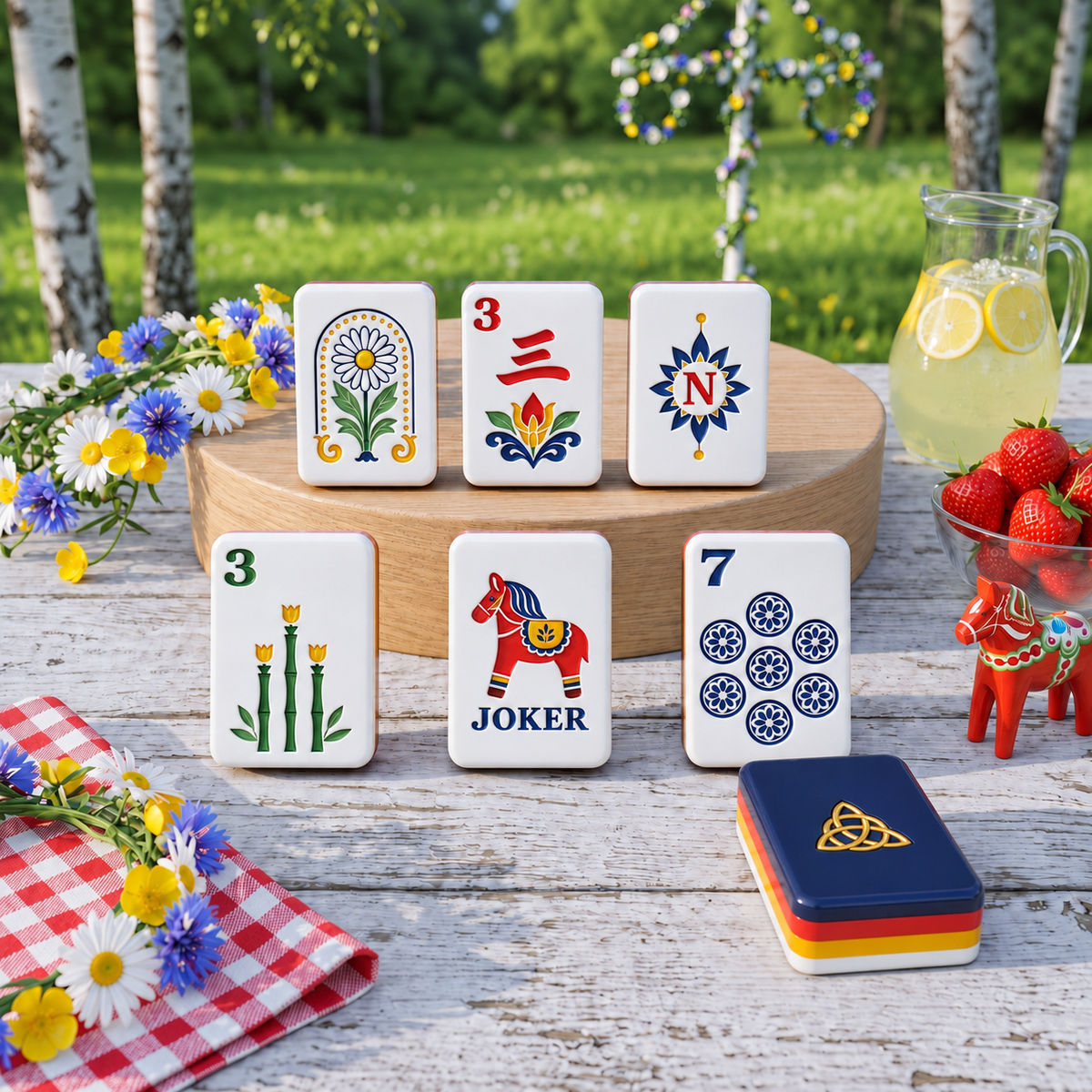
In mahjong, there is no single "lucky color" enforced by rules—American mahjong has no color restrictions on tile play. However, tradition holds that red (associated with joy and prosperity), green (harmony and growth), and gold or yellow (wealth) carry positive energy; white is neutral or even unlucky in some cultures. Players choose set colors based on personal belief, family custom, or aesthetic preference. Mahstead's best-selling mahjong sets come in multiple colorways—cream, jade, burgundy, and mixed tones—so you can select the palette that resonates with your game. The color of your tiles does not affect winning hands, scoring, or game mechanics; it's a personal superstition layer that many players enjoy for ritual and confidence at the table. 🀄 Shop best-selling mahjong sets →
Why do players care about mahjong color at all?
Mahjong emerged in 19th-century China, where color symbolism was woven into daily life—red meant fortune, green meant growth, white meant purity or death depending on context. Many players grew up watching parents or grandparents treat tile color as part of the game's spiritual or psychological dimension. Even though American mahjong rules (the National Mah Jongg League format) don't care what color your Dots or Bams are, color choice still shapes how you feel at the table. That confidence—believing your tiles carry good energy—can sharpen your focus and decision-making. Whether that's psychology or superstition, it works.

What do the classic lucky colors mean in mahjong tradition?
Red symbolizes luck, happiness, and protection against evil. Historically, Chinese players favored red tiles or red accents on their racks. In some homes, a player wearing red clothing was thought to bring good fortune to the whole table. Red also connects to the Red Dragon tile (which pairs with Craks in American mahjong), already considered auspicious.
Green represents harmony, renewal, and longevity. Green Dragon tiles (associated with Bams) are valued in many variants. A green set is calming and appeals to players who want balance rather than aggressive energy.
Gold or yellow signals wealth and prosperity. Gold-toned tiles or brass accents on racks and pushers carry the same meaning. Many players add gold-colored accessories to their game even if the main set is cream or jade.
White is complex: it means purity and peace in some contexts, but in Chinese culture it can signify mourning. Fewer players choose predominantly white sets, though cream (an off-white with warmth) is popular. The White Dragon (also called "Soap") is neutral in function but carries no lucky charge.
Black or dark tones don't carry traditional luck associations—they're chosen for contrast, readability, or modern aesthetics. A set with black borders or a black mat makes tiles pop visually.
Most serious players don't rely on a single color. Instead, they layer: a cream or jade set (neutral, calming), a red or burgundy mat (wealth and warmth), gold-accented racks (prosperity), and maybe a scarf or clothing in green (harmony). This multi-color approach lets you honor several traditions at once.
How does your set's color affect American mahjong gameplay?
It doesn't—not mechanically. The National Mah Jongg League card doesn't say "only green sets qualify" or "red Dots are wild." Your tiles' color has zero impact on hand validity, joker rules, scoring, or whether you can call a pung or kong. A cream set plays identically to a jade one. The color of your mat, your racks with pushers, and your dice is purely aesthetic and psychological.
That said, color does affect readability. A high-contrast set (dark tiles on a bright mat, or light tiles on a dark surface) lets you spot your hand faster—useful in fast-moving games. A monochrome set (all cream, or all dark jade) requires more focus; you're reading the painted numbers and suit symbols, not the tile body alone. If superstition helps you choose a high-contrast set, you've accidentally optimized for speed.
The real gameplay factor is tile quality and size. Thick acrylic tiles, smooth pushers on your racks, and a mat that doesn't slide all matter much more than hue. Your belief in your set's luck might steady your hand or calm your nerves—and that's worth something—but the cards (and the random winds of the wall) will decide the game.

Should you match your set color to your astrological sign or zodiac animal?
This is personal superstition, not a mahjong rule. Some players born in years associated with red (like the Year of the Horse or Monkey in the Chinese zodiac) lean toward red sets. Others match their birth element: wood (green), fire (red), earth (yellow), metal (white or gold), or water (black or navy). None of these correlations change how the game plays.
If you enjoy astrology or zodiac traditions, matching your set to your sign adds a ritual layer that can boost your confidence. But a beginner asking "what color will help me win?" should know the answer is strategy, tile memory, understanding the current year's card, and practice—not pigment. Buy the color that makes you happy and helps you see your tiles clearly. The luck is in the work you put in at the table.
What's the actual breakdown of color choices among serious players?
Based on casual observation across many games over years, here's a rough guide to what works and why:
Color/Tone | Who picks it | Why | Readability | Energy |
Cream or ivory | Traditional, mixed-age players | Neutral, calming, classic look | Medium—need strong lighting | Grounded |
Jade green | Harmony seekers, balanced players | Growth, balance, modern appeal | High—contrasts well on darker mats | Steady |
Red or burgundy | Competitive, bold players | Prosperity, aggressive energy, family tradition | High on light mats, lower on dark | Energetic |
Gold or champagne | Prosperity-focused, gift buyers | Wealth symbolism, luxury feel | Medium—subtle, can fade under poor lighting | Aspirational |
Black or charcoal | Modern, younger players | High contrast, contemporary style, easy to read | Very high—stark against most mats | Focused |
Mixed (cream + jade + red) | Experienced players | Flexibility, honor multiple traditions, visual interest | Highest—variety helps pattern recognition | Adaptive |
Most groups have a mix. After a few years hosting, you'll notice that experienced players don't obsess over color—they obsess over tile quality, knowing the card, and reading opponents. Newer players often spend more mental energy on set aesthetics, which isn't wrong; it's part of the joy of the game.
How to choose a lucky-color set that actually works for you
Start by asking yourself three questions:
What colors make you feel confident or calm? If red energizes you, buy red. If green soothes you, buy green. Your emotional response matters more than tradition.
What's your lighting situation? If you play under bright overhead lights, jade or burgundy tiles pop. If your game room is warm and dim, cream or gold might be kinder to your eyes. A mat in a contrasting tone helps too—pair a light set with a dark mat, or vice versa.
Are you honoring a family tradition, or starting your own? If your grandmother played with red tiles, a red set connects you to that legacy. If you're new to mahjong, you're free to choose based on aesthetics and what you read here.
Once you've narrowed to a color family, consider the secondary elements: the quality of the tile paint, the heft of the acrylic, the smoothness of the rack pushers, and the durability of the mat. A set from Mahstead's best-selling mahjong sets in your chosen color arrives with tiles pre-organized and packed carefully for shipping across the US—no hidden surprises in thickness or finish.
🎁 See our most-loved mahjong sets & accessories →
If you're planning a game for a specific occasion or gifting a set, our Christmas mahjong sets and engraved American mahjong sets let you customize color and add meaningful engravings. An engraved set in red or jade with a player's name or year signals respect and intention—and many players say that personalization itself brings luck.
What to check before you buy:
Tile thickness: Thicker acrylic (0.25 inches or more) feels substantial and lasts longer.
Paint consistency: Numbers and suits should be crisp and centered, not faded or off-register.
Mat texture: If you're buying a colored mat to match your set, test how tiles glide on it—too slick, and they slide during play; too rough, and pushers wear fast.
Rack finish: Smooth edges on pushers prevent splinters and keep your manicure intact.
Set completeness: Confirm the set includes all 152 tiles plus 8 jokers (a standard American mahjong set). If you're buying a 160-tile set from Mahstead, it has 8 additional spare tiles.

FAQ
Can I use any color of mahjong tiles in a tournament or league game?
Yes—the National Mah Jongg League has no color restrictions. Red, green, cream, or black tiles all play by the same rules. Color is aesthetic and personal, not competitive.
Does the color of my mahjong mat matter for luck?
Not for rules or scoring. A mat's color affects readability (dark mat + light tiles = high contrast) and your emotional state. Choose one that calms you or energizes you, and that contrasts well with your tile color.
Is white or light-colored mahjong considered unlucky?
In some Chinese traditions, white carries mourning connotations, so fewer players choose all-white sets. Cream (warm off-white) is a popular neutral alternative. American mahjong has no color superstitions in its rules.
What's the most popular mahjong tile color among players?
Cream and jade are most common—they're neutral, readable, and don't carry negative symbolism. Red and burgundy are second; black or charcoal is growing among younger players.
If I'm a beginner, should I buy a lucky-color set or just any set?
Buy based on readability and your aesthetic preference first. Choose a color that makes you happy; that confidence will help you focus on learning the card and tile patterns. Luck follows skill.
Can I mix tiles from different colored sets?
Technically, yes—American mahjong has no rule against it. Practically, your table will look chaotic, and you'll struggle to spot your tiles. Stick with one consistent set for better gameplay. --- ✨ Find your Mahstead set — free US shipping →


View More
View More
View More
