
Finding Mahjong Teachers in Ohio: Your Complete Guide
Last updated: Nov 23, 2026
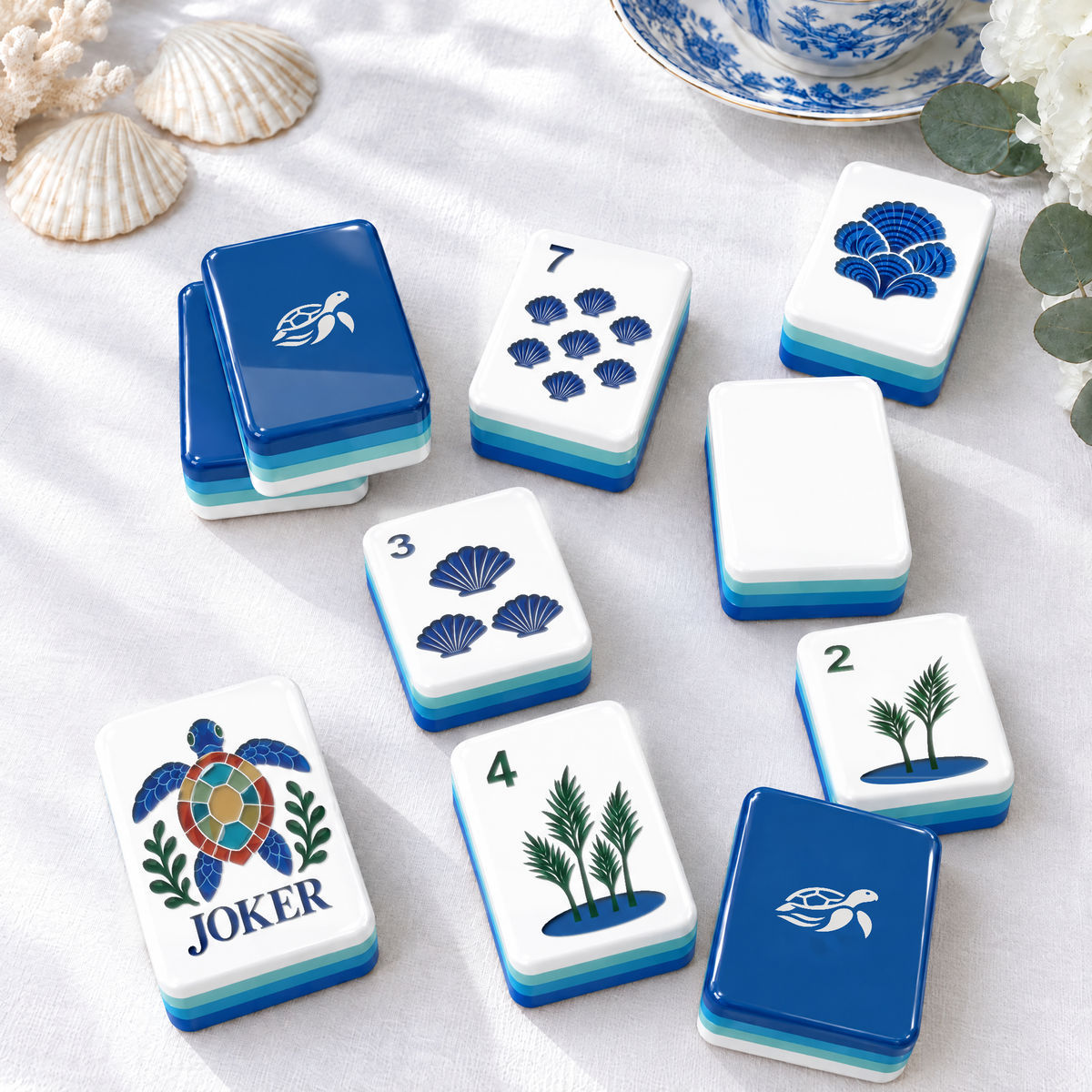
Mahjong teachers in Ohio operate through community centers, libraries, synagogues, senior centers, country clubs, and online platforms—not a single registry. Most teach American mahjong (152 tiles, no chows, joker rules unique to this variant) rather than Chinese or Riichi variants. Instruction typically runs 4–8 weeks for basics, with ongoing groups charging nominal fees or playing socially at no cost. Start by contacting your local library or community center recreation desk; they often host game clubs or maintain referral lists. Online tutors and YouTube instructors teaching American mahjong can fill gaps, though live play is irreplaceable for learning tile reading, the Charleston passing ritual, and real-time hand recognition from the current National Mah Jongg League card. Avoid teachers who claim they teach "any" mahjong equally—American has distinct rules and equipment—and verify they understand modern acrylic sets before enrolling.
Where exactly do Ohio mahjong teachers advertise?
Teachers rarely advertise independently; they host classes or groups through institutions. Check your city or county Parks & Recreation department website for "mahjong," "game clubs," or "senior activities." Libraries (especially suburban branches) run seasonal mahjong circles and often welcome new players. Synagogues and Jewish community centers, particularly in Columbus, Cleveland, and Cincinnati, historically host mahjong groups—call their membership or program line. Senior centers in your area offer instruction at low or no cost. Country clubs and golf clubs sometimes have mahjong nights; ask the front desk. Meetup.com and Facebook group searches for "[your Ohio city] mahjong" surface grassroots game groups, some with teaching components.

What's the difference between American mahjong and what Ohio teachers offer?
American mahjong is the variant played with 152 tiles, four copies of each number 1–9 in three suits (Bams, Craks, Dots), winds, dragons, flowers, and jokers. You cannot call or expose sequences (chows); only pungs, kongs, quints, and sextets are exposed. Jokers are used as wild tiles in melds, never in pairs or singles. Hands come strictly from the current year's National Mah Jongg League card. Chinese mahjong, by contrast, allows sequences, uses different tile counts, and has entirely different winning patterns. Hong Kong and Riichi variants have their own rules and tiles. Many Ohio teachers grew up with American mahjong and teach it exclusively; some offer multiple variants. Before enrolling, ask your teacher which variant they teach and whether it matches what's in an American mahjong set. This ensures you're not learning rules you can't use at the weekly game.
How do you evaluate a potential mahjong teacher in Ohio?
Use this checklist before committing time or money:
Variant clarity: Do they teach American, Chinese, or multiple? American is your safest bet if you want to join Ohio game groups immediately.
Pace: Do they offer beginner (4–6 weeks) or drop-in formats? Beginners need slower, structured instruction; experienced players may prefer open play.
Equipment: Ask what tiles and mats they use. If they're teaching from crumbling vintage tiles or a fraying cloth, they may not know modern acrylic sets and equipment standards.
Current card: Do they teach from the most recent National Mah Jongg League card? If they reference "the old card," instruction will misalign with live games.
Group dynamics: Are they solo instructors, or do they connect you to ongoing games after lessons end? Solo teachers are fine, but connection to a community matters.
Trial session: Reputable teachers offer a single trial class (free or minimal cost). If they won't, move on.
References: Ask for one or two player names you can contact—any established instructor will provide them.
What should you learn first from an Ohio mahjong teacher?
Structured instruction follows this sequence: Start with tile identification, hand formation rules, and why sequences (chows) don't exist in American mahjong. Learn the Charleston (the tile-passing ritual before every hand) in week two; it's mechanical but essential. Understand joker placement and limits—jokers can appear in melds with sets, but never as a single tile or pair. Study the National Mah Jongg League card format (year current) so you recognize winning patterns. Practice reading a hand aloud: "I have two Bam pungs, one Crak kong, and I'm fishing for the 4 Dot." Learn scoring basics (the card assigns point values). Finally, play full hands under supervision, starting with dealer rounds where pressure is lowest. Most beginner programs cover all of this in 4–6 weeks of 1.5-hour sessions.
What if you can't find a local teacher? What are your alternatives?
Online instruction and self-teaching through video work for many. Search YouTube for "American mahjong lessons" and filter by channel upload date (ensure they reference the current year's card). Many librarians or retired players post comprehensive tutorials. Join online mahjong forums where players answer questions; communities exist on Reddit and dedicated fan sites. Buy a copy of the current National Mah Jongg League card (updated each spring) and study hand patterns alongside video lessons. Purchase a best-selling mahjong set with clear tile printing so you practice tile recognition on real equipment. Once you're confident, visit a local game night or open game at a community center—most players are patient with newcomers. This hybrid path (online learning + real play) is slower than a live teacher but works if no instructor is accessible in your area.
🀄 Shop best-selling mahjong sets →

Comparing learning formats: a decision table
Format | Who It Fits | Learning Speed | Social Connection | Cost Basis |
In-person instructor | Total beginners, social learners | 4–8 weeks | Immediate peer group | Nominal or free via parks dept |
Library group drop-in | Intermediate players, busy schedules | Ongoing (self-paced) | Weekly if consistent | Free or token donation |
Online video + self-study | Motivated solo learners, remote areas | 8–12 weeks | None (build later at live games) | Free (YouTube) or paid course |
Synagogue/senior center class | Retirees, cultural connection seekers | 6–10 weeks | Active community | Free or membership-based |
One-on-one tutoring | Learners wanting custom pace | 3–6 weeks | Tutor only | Higher per-session cost |
🎁 See our most-loved mahjong sets & accessories →
What to check before you buy a mahjong set for learning
Once you've found a teacher or decided on self-study, you'll need a set. Look for American mahjong equipment (152 tiles + spares, eight jokers, dragons, winds, flowers). Modern acrylic sets are durable, have crisp printing, and won't crack or fade after months of play. Verify that your set includes a mat and a rack with pushers—these aren't luxuries; they're how you hold your hand and keep tiles organized during the Charleston and play. If your teacher uses a specific set brand, ask if it matters; most teachers adapt, but familiarity helps. Many Ohio players have switched to acrylic from vintage bakelite or bone tiles because they're clearer and last through weekly games. When you're ready to invest, check our guide how to choose a mahjong mat and racks with pushers to understand what works for your table and grip.
Next steps: from teacher to regular player
After learning basics (typically 4–8 weeks), attend open games at community centers or libraries to play in real stakes. Bring your own set if you have one; most venues supply tiles for play, but having a personal set helps you maintain skill continuity. Join a local game league if one exists in your area (some Ohio towns host informal weekly rounds). Most players evolve into hosting home games; when you reach that point, invest in a travel-friendly set and mat so you can rotate hosting between players' homes. Subscribe to the National Mah Jongg League's annual card refresh (issued each spring) to stay current; your teacher and peers will too. The social structure—weekly games, seasonal card updates, hosting rotations—is what keeps American mahjong alive in Ohio. Your teacher is the entry point; the game is the destination.
✨ Find your Mahstead set — free US shipping →
What to check before you buy
Tile clarity: Print should be raised or deeply engraved, not flat-stamped (fades fast).
Joker count: Your set must include eight jokers. Extras beyond 152 tiles are spares; don't worry about exact spare count.
Mat texture: Should grip tiles so they don't slide during play, especially the Charleston.
Rack stability: Pushers should move smoothly; racks should tilt slightly to keep tiles visible and easy to draw.
Durability: Ask your teacher or other players which sets withstand weekly play without chipping or warping.

FAQ
Do I need to know how to read the mahjong card before finding a teacher?
No. Good teachers start with card basics in week one. Bring the current year's card (your teacher will specify which) to your first session, and they'll walk you through it. Knowing tile names helps, but reading comes with instruction.
Can I learn mahjong online without ever attending a class?
Yes, but with caveats. You'll understand rules faster, but live play teaches rhythm, speed, and real-time pattern recognition that video cannot replicate. Combine online lessons with one or two in-person games to bridge the gap.
What's the most common beginner mistake Ohio teachers see?
Forgetting that sequences don't exist in American mahjong. Many players assume they can call 1-2-3 like in Chinese mahjong. Teachers spend time unlearning this if students have prior exposure to other variants.
Should I buy a mahjong set before or after finding a teacher?
After. Most teachers provide communal sets for lessons; using theirs first lets you learn without committing money. Once you're hooked, buy your own set so you can practice and host home games.
Are Ohio mahjong groups welcoming to complete beginners?
Almost always. American mahjong has an unusually social culture; players expect newcomers and enjoy teaching at the table. Show up to an open game, tell the host you're learning, and they'll pace you and answer questions during play.
How long until I can join a regular weekly game after starting lessons?
Typically 6–10 weeks. You need to recognize tiles, understand hand patterns, manage the Charleston, and play at conversational pace. Most players are ready after one 6-week course plus 2–3 open-game visits to build confidence.


View More
View More
View More
