
How to Host a Valentine's Day Mahjong Party
Last updated: Nov 23, 2026
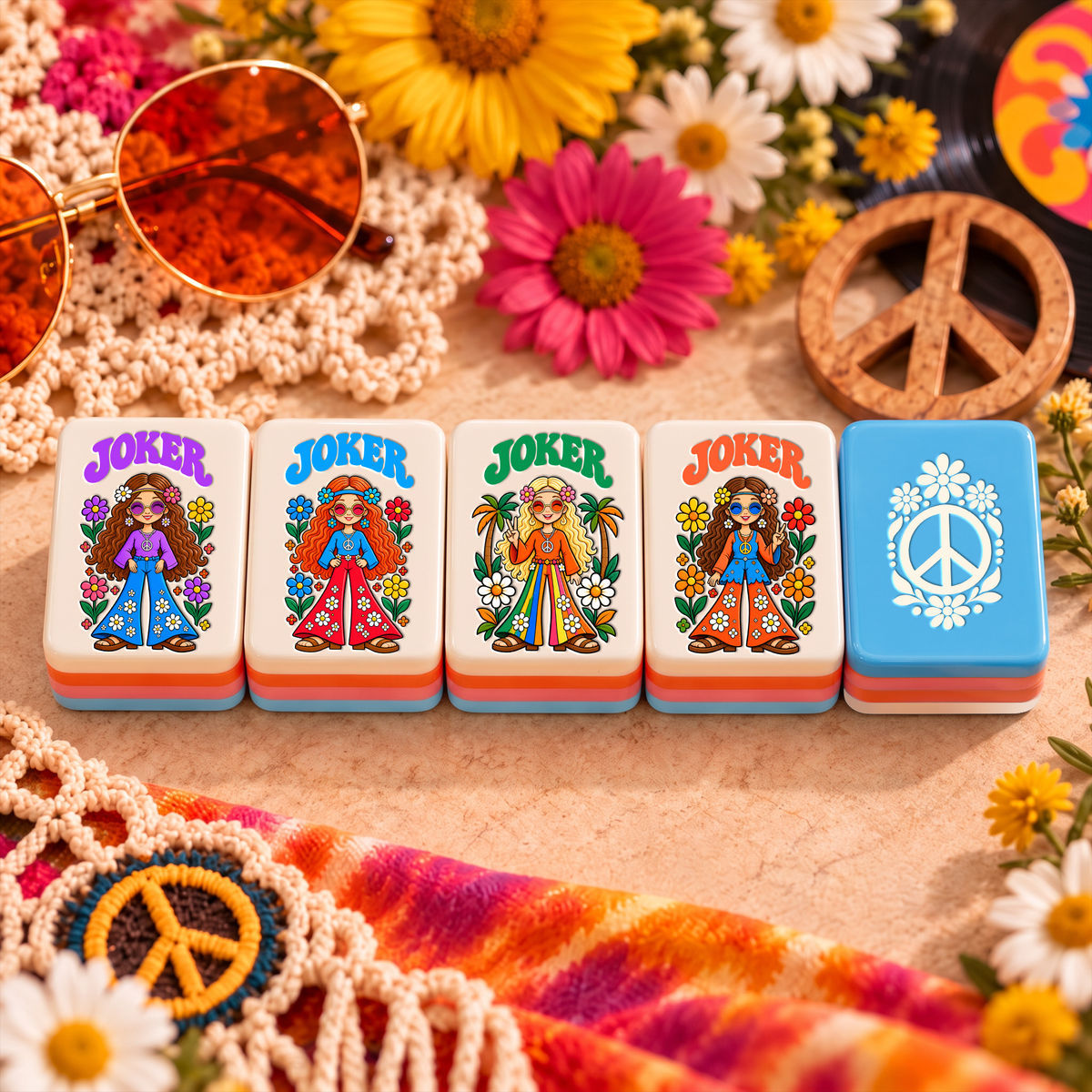
A Valentine's mahjong party works best with exactly four players, one 160-tile American mahjong set, a mat for the table, racks if guests prefer hand support, and snacks. You'll need the current year's National Mah Jongg League card (issued spring 2026), a timer for pacing, and about two hours. Start with the Charleston—the tile-passing ritual that takes five minutes—then play hands in rotation. The cost is minimal if you own a set already; if not, budget for one quality set (see current price on our product pages). Common mistakes: buying a 144-tile set (too few tiles), mixing old cards with current hands, or skipping the Charleston. Plan for rounds lasting 15–25 minutes, with breaks for conversation and refreshments between games.
A Valentine's mahjong party brings friends together for strategy, laughter, and connection. We'll walk you through hosting, from tile setup to the final hand.
How many players and how much time do I need?
Mahjong requires exactly four players—no more, no fewer. A typical evening of three to five rounds takes 90 to 120 minutes, plus 15 minutes for setup and tile washing. If you're hosting couples, partners can rotate or watch. Plan for social time too; mahjong nights are as much about conversation and snacks as they are about winning. Reserve your table for a full two hours to avoid feeling rushed.

What equipment do you actually need to get started?
You need one 160-tile American mahjong set containing all 152 playing tiles plus spare jokers and blanks, the current year's National Mah Jongg League card (mandatory—hands only come from this card, updated every spring), a mat to protect your table and organize the tile layout, and a timer or phone app to pace rounds fairly. Many players appreciate mahjong racks with pushers to hold and sort their tiles, especially during the Charleston. Dice determine who goes first. If you plan to travel with your set or keep it pristine, a quality bag or case makes a practical gift for yourself. Our best-selling sets come shrink-wrapped, ready to open on game night.
🀄 Shop best-selling mahjong sets →
How do I set up the tile wall and the Charleston?
Before anyone draws a hand, execute the Charleston: the pre-game tile exchange that randomizes the draw. Shuffle all 152 tiles face-down in the center of the table, then form a wall by having each player push a row of 38 tiles toward the center in a square, with East (dealer) sitting opposite West. Tiles are stacked two-high, creating 19 stacks per side. The Charleston itself takes about five minutes: starting with North, each player passes three groups of tiles (right, then across, then left), with a "return" pass optional on the left-facing row. Players may then trade remaining tiles. This ritual ensures fairness and randomness—skip it and you've broken the game. After the Charleston, East picks the first tile from the wall; each player then draws in turn. If you're new to the Charleston, run through it once at the table before round one starts.
What tile set and mat should I choose for a party?
For a Valentine's party, choose a set with a design that reflects the occasion—think romantic engravings, personalized names, or festive graphics that guests will enjoy handling. Our designs include options perfect for celebratory gatherings. The acrylic tiles are durable and easy to clean between rounds. Pair it with a quality mat sized to your table; a larger mat (around 36" × 36") accommodates four players comfortably and protects your surface. A mat also helps players see tile positions clearly during the discard phase. If your table is small, a mat is especially important because it defines the play area and prevents tiles from sliding. Our best-selling collection includes mat-and-set bundles designed for parties.
🎁 See our most-loved mahjong sets & accessories →

What mistakes kill a Valentine's mahjong night?
The most common mistake is buying a set with the wrong tile count or playing with an outdated card. American mahjong uses exactly 152 tiles—no substitutes. If you use a 144-tile set or mix hands from old years' cards with the current year's card, the game breaks down and players become frustrated. Another error: not washing the tiles between rounds. Tiles accumulate dust and skin oils, making them harder to shuffle and stack. Spend two minutes rinsing them with a soft cloth between sessions. Players also fail to announce the hand they're shooting for until they've won; this creates confusion about which tiles are safe to discard. Have each player state their target hand (or the card section they're working toward) at the start of each round so others can discard safely. Finally, rushing through the Charleston or skipping it entirely ruins the randomness that makes mahjong fair and fun.
What should a first-timer guest bring or expect?
Invite guests three to five days ahead so they can review basic rules if needed. Send a brief note explaining that American mahjong is a luck-and-strategy game where tiles are drawn and discarded, hands come from a specific card, and the goal is to match a pattern on that card. New players often think they're playing Chinese mahjong or dominoes—clarify that American mahjong is its own game. Have the current year's card printed or displayed so everyone sees which patterns are legal. Provide racks for anyone who prefers not to hold tiles in hand (common for beginners). Light snacks and water—not glasses that might spill on tiles—work well. Most importantly, set a lighthearted tone; mahjong is social, not competitive, especially on Valentine's Day. Rotate seating so no one sits in the same position all night, and announce the dealer for each round clearly.
✨ Find your Mahstead set — free US shipping →
How do I keep the night fun and paced?
Use a timer—most rounds should take 15 to 25 minutes. If play stalls, gently remind players of the current card and encourage them to discard actively. Between rounds, take a five-minute break so players can refresh drinks, use the restroom, and chat. Rotate dealer position (East) after each round so everyone gets a turn leading. Keep score if your group enjoys it, but don't make it the focus; the goal is connection, not winning money. Celebrate every hand completed, even small ones. If someone goes out, congratulate them and move on. If a round deadlocks (no one can go out), reset and start fresh—this happens and it's normal. The most successful parties we've hosted have one or two experienced players mixed in with newer ones, so knowledge flows naturally during play.
Setup Element | Why It Matters | Time Needed | Guest Experience |
Quality tile set | Tiles shuffle smoothly, feel substantial, last for years | 5 min unboxing | Professional, trustworthy |
Current year's card | Only legal hands appear on this card; old cards create confusion | 1 min review | Clarity, confidence |
Mat (36"+ size) | Organizes wall, protects table, helps visibility | 2 min setup | Comfortable, safe |
Racks with pushers | Reduces hand fatigue, especially for new players | Optional | Inclusive, welcoming |
Timer (15–25 min/round) | Prevents slow play, keeps energy high | 1 min per round | Rhythm, flow |
Snacks & water (no glass) | Guests stay fueled; no spillage on tiles | 10 min prep | Hospitality, relaxation |
What to check before you buy
Tile count: Our 160-tile sets contain all 152 playing tiles plus spares. Never buy a set advertised as 144 tiles for American mahjong.
Current card: Confirm you have the 2026 National Mah Jongg League card (issued in spring 2026). Hands from previous years will not match this year's card.
Shipping & arrival: We ship free across the US. Order at least one week before your party so the set arrives in time.
Tile material & feel: Acrylic tiles are durable, easy to clean, and shuffled with confidence. Check product photos to see if the design matches your Valentine's theme.
Mat size: Measure your table. A 36" × 36" mat is standard for four players; if your table is oval or small, a smaller mat may be awkward—measure first.

FAQ
Can I play mahjong with three people or fewer?
Standard American mahjong requires exactly four players. Rules for two and three players exist but are less common and require modified setups. Consult 2 and 3 player mahjong rules if you have a smaller group; we recommend hosting a fourth guest instead.
Do I need to buy separate racks and a mat, or does the set include them?
A 160-tile set includes only tiles, dice, and documentation. Racks, pushers, and mats are sold separately. They're not required but make the game more comfortable and the table look more professional.
What if someone doesn't know the current year's hand card?
Print or display the current 2026 card at the table so all four players can reference it during play. New players should review it before round one. This prevents frustration and keeps the game fair.
How do I know which hand to go for during a round?
Study the card before play starts. Pick a section (like "Pungs and Flowers" or "Like Numbers") and aim for one complete hand pattern. Announce your target so other players can discard safely and avoid helping you accidentally.
Can I use tiles from multiple sets or add extra jokers to the game?
No. Always use exactly 152 tiles from one set. Extra jokers and blanks in a 160-tile set are spares; never add them to play. Mixing sets or tile counts breaks game logic and fairness.
What happens if no one goes out in a round?
The round is a dead hand. Discard it, reset the tiles, and start a new round. This is normal and occasional; it keeps play moving.
How long does a mahjong game typically last?
One round lasts 15–25 minutes on average. Three to five rounds make a complete evening of 90 to 120 minutes, including setup and breaks. Adjust based on your group's pace and experience level.


View More
View More
View More
