
Mahjong vs Phase 10: Which Game Should You Play?
Last updated: Nov 23, 2026
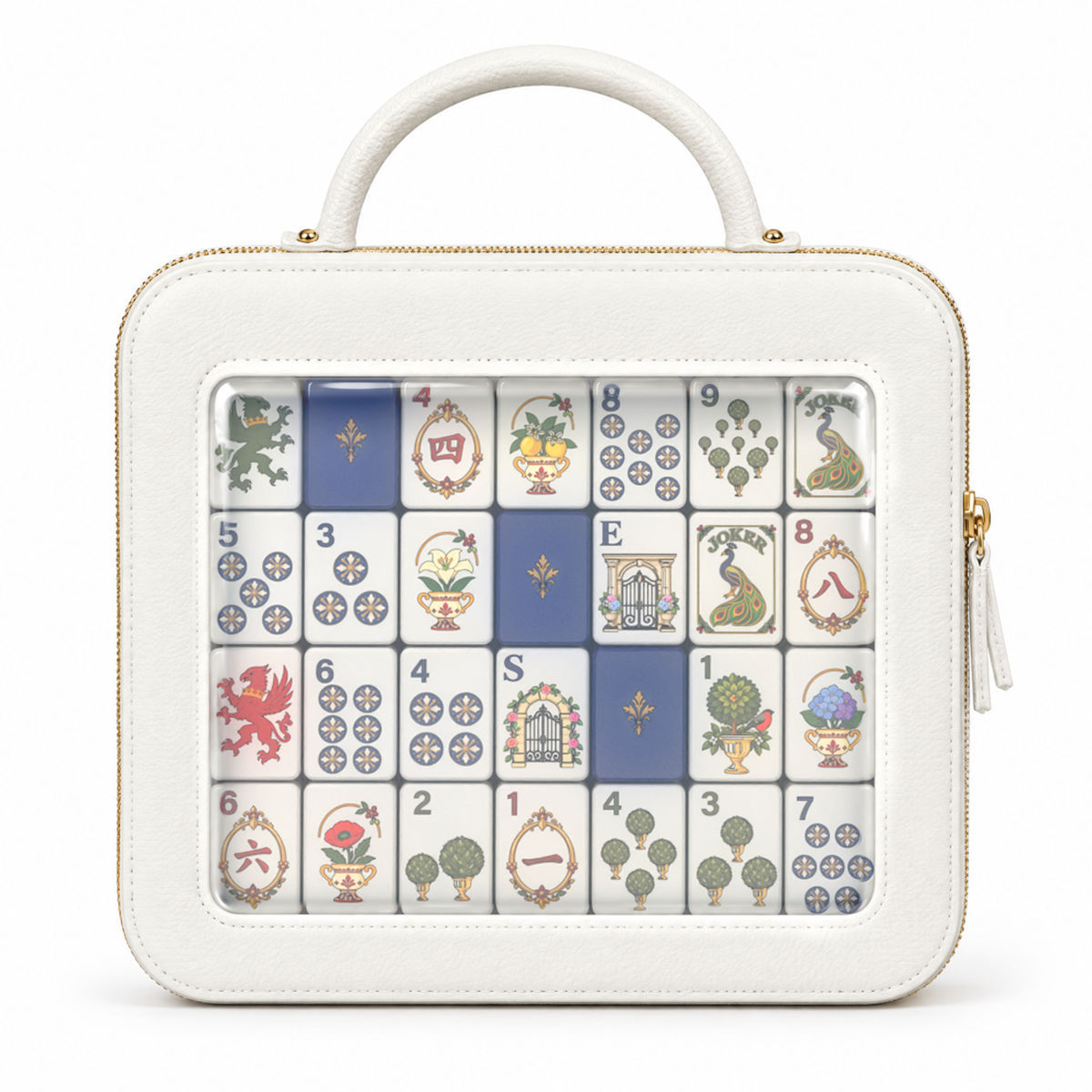
Mahjong and Phase 10 are both tile-shedding games, but they're fundamentally different. American mahjong uses 152 tiles across three numbered suits (Bams, Craks, Dots), winds, dragons, flowers, and jokers—you form patterns (pungs, kongs, or sequences) to match hands on a league-issued card, with no sequences exposed and jokers substituting freely in combinations. Phase 10 uses a 108-card deck divided into numbered cards and skip/draw-two/reverse actions, played in ten rounds ("phases") that escalate in difficulty; each player works through phases sequentially, and the first to complete all ten wins. Mahjong demands memorization of a rotating hand list and tile-passing ritual (the Charleston); Phase 10 is simpler, faster (~30 min), and purely luck-dependent. If you want a leisurely strategy game with skill and community roots, choose mahjong; if you want quick, casual fun that anyone can learn in five minutes, Phase 10 is your pick.
American mahjong and Phase 10 both revolve around forming sets from a shuffled tile or card pool, but stop there—they diverge sharply in complexity, play style, and social rhythm. We host weekly mahjong games where newcomers often ask: "Isn't this just like Phase 10?" The answer is no. Understanding their differences helps you pick the right game for your crew and goals.
What tiles or cards does each game actually use?
American mahjong uses 152 playing tiles: three numbered suits (Bams 1–9, Craks 1–9, Dots 1–9), four each, plus 16 winds (North, East, West, South), 12 dragons (Red, Green, White), and 8 flowers. Phase 10 uses a 108-card deck—four colors (red, yellow, green, blue) numbered 1–12, plus skip, draw-two, and reverse action cards. Mahjong's jokers (8 of them) function as wildcards; Phase 10 has no wildcards. Mahjong tiles are typically acrylic or bone; Phase 10 cards are just cardstock. A best-selling mahjong set ships ready to play; a Phase 10 deck costs less but offers no community or seasonal refresh.

How long does a game take, and what's the pace?
Phase 10 runs 30–60 minutes, depending on players and how fast people play their hands. Mahjong typically runs 90–180 minutes for a full game session, including the tile-passing ritual (the Charleston) at the start. Mahjong rhythm is meditative: you draw, study the league card, think strategy, then discard. Phase 10 is zippy—draw a card, match phases, discard, next. If your group has a two-hour window and wants to finish one complete game, Phase 10 wins. If you want a full afternoon of play, mahjong is built for it.
What skill or strategy matters most?
Phase 10 is pure luck—your hand determines your odds; strategy is minimal. Mahjong demands genuine skill: you must memorize or reference the current year's hand patterns, calculate tile probability, read discards, track dead tiles, and manage the Charleston exchange tactically. Learning mahjong takes weeks or months; mastering Phase 10 takes a single game. If your group values pattern recognition, memory, and earned expertise, mahjong rewards that. If everyone's on the same level and you want a fair, low-pressure game, Phase 10 delivers.
What about the rule complexity and learning curve?
Aspect | Phase 10 | American Mahjong |
Setup time | 2 min | 10 min (Charleston included) |
Learning time | 5 min | 2–4 weeks |
Rule complexity | Very low | High (card-dependent) |
Memory load | Minimal | Significant (hand patterns) |
Luck factor | 95% | 60% |
Repeat-play depth | Low | Very high |
Phase 10 stays the same every time. Mahjong hand lists change annually (the National Mah Jongg League publishes a new card each spring), so the game evolves. If your group plays weekly, mahjong rewards repeated play; Phase 10 can feel repetitive after a few sessions.
🀄 Shop best-selling mahjong sets →

How do the social dynamics differ at the table?
Mahjong sessions are communal. The Charleston—the tile-passing exchange before each game—creates ritual and interaction. You sit around a mat (or table), call hands aloud, and track joint discard strategy. Games often span a full afternoon or evening, building camaraderie. Phase 10 can be played quickly and casually, often with less table conversation during play. If your goal is hosting a social event where the game itself bonds the group, mahjong is the stronger choice. If you want a light, quick filler game between other activities, Phase 10 works.
What's the cost and ongoing expense?
A Phase 10 deck costs very little upfront and lasts years if cared for. An American mahjong set also lasts years, but many players invest in multiple sets—different designs, travel bags, or racks with pushers for easier tile management. The National Mah Jongg League card (the hand reference for that year) is free online or costs a small donation; some groups print laminated copies. If you're hosting weekly mahjong, consider a mahjong mat and racks with pushers to keep play smooth and tiles organized—they're optional but improve the experience. Overall, mahjong has more optional accessories, so total spend can climb higher if you want a premium setup.
🎁 See our most-loved mahjong sets & accessories →
When should you choose Phase 10 over mahjong?
Choose Phase 10 if:
You're introducing games to non-gamers and need something instant.
Your group has only 30–60 minutes and can't stay longer.
Everyone wants an equal, luck-based experience with minimal learning.
You're looking for a game as a quick filler between other activities.
Your crowd values speed and accessibility over strategy.
Choose mahjong if:
You have at least 90 minutes and prefer deeper play.
Your group enjoys memory and strategy games.
You want to host recurring weekly or monthly sessions.
You're building a gaming community or tradition.
You value skill growth over random luck.
Many of us play both—Phase 10 on a busy weeknight, mahjong when we have time and focus. They're tools for different goals.
What to check before you buy
If you're leaning toward mahjong, ensure your set includes all 152 tiles plus jokers; most quality sets do. Check that tiles are thick enough to handle regular shuffling without cracking—acrylic is durable and feels good in hand. If you plan to host games, a mat protects the table and keeps tiles visible; racks help players see and manage their hand more easily. For Phase 10, any standard deck works, but ensure the cards are readable and not bent or stained if buying used.
✨ Find your Mahstead set — free US shipping →
For a comprehensive guide to getting started with mahjong, see mahjong for beginners, which covers rules, setup, and first-game tips.

FAQ
Can you learn mahjong if you've played Phase 10?
Partially. Both games use tiles or cards and require pattern matching, but mahjong's hand patterns are specific to an annual card, and its rule set (no exposed sequences, joker substitution rules, the Charleston) is distinct. Most players learn mahjong fresh rather than transfer Phase 10 skills.
Is mahjong harder than Phase 10?
Yes. Phase 10 is accessible in one sitting; mahjong's hand patterns, tile tracking, and Charleston rules take weeks to internalize. Skill depth in mahjong is substantially higher.
How many players do both games support?
Phase 10 supports 2–6 players well. American mahjong is traditionally four-player; two- and three-player variants exist but require rule adjustments. Check 2 and 3 player mahjong rules for alternatives.
Do I need special equipment for mahjong or Phase 10?
Phase 10 needs only the deck. Mahjong benefits from a mat, racks, and a printed league card—all optional but recommended for comfort and clarity in longer sessions.
Which game is more social—mahjong or Phase 10?
Mahjong builds stronger social bonds because games last longer, the Charleston creates opening ritual, and players sit together managing strategy aloud. Phase 10 is quicker and lighter, suited for casual hangouts.


View More
View More
View More
