
How to Host a Fourth of July Mahjong Party
Last updated: Nov 23, 2026
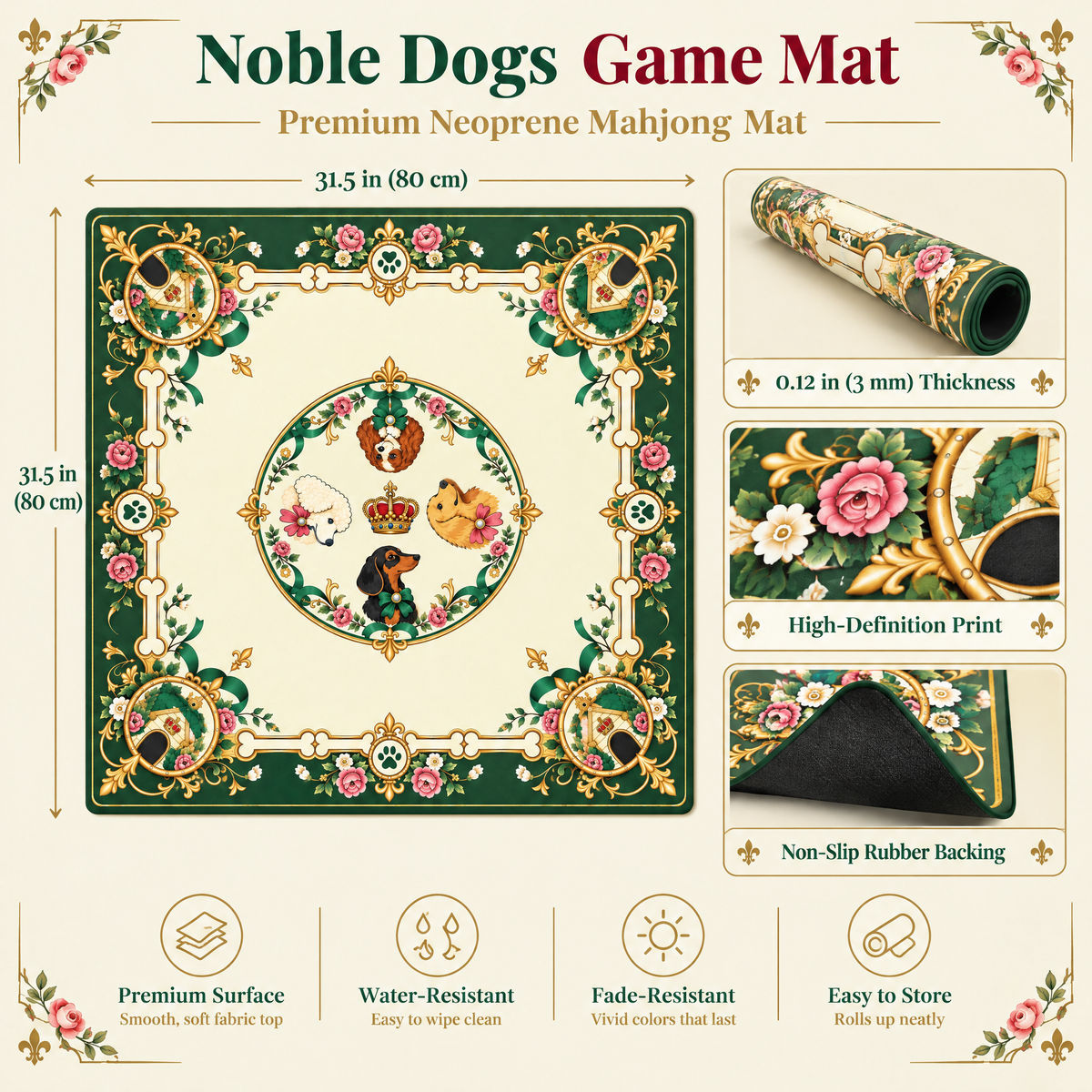
A Fourth of July mahjong party runs exactly like any American mahjong night, but outdoors or in a festive indoor space with patriotic theming. You need four players, one 152-tile set with 8 jokers, one current-year National Mah Jongg League card, a shuffling space, and a mat or table large enough for four racks. Games take 45 to 90 minutes per round; most groups play two to four rounds in an evening. Before play, execute the Charleston (a three-pass tile-trading ritual that ensures randomness), then draw 13 tiles and form a hand matching one pattern from the current year's card. Common mistakes: playing outdoors without wind protection for tiles, using last year's card, or inviting more than four players. Mahstead's acrylic sets and mats survive outdoor conditions better than bamboo, and patriotic-themed designs add visual flair without slowing play.
What's the best time of day for a July 4th mahjong party?
Evening games, ideally 6 p.m. onward, sidestep heat and glare that strain eyes when reading small tile pips. Start after dinner but before fireworks, so players feel unhurried and can play two to three rounds (roughly 2–2.5 hours total) before heading out to watch the show. Afternoon games work if you have shade, cold drinks, and extra lighting aimed at the playing surface—but evening is simpler and feels more festive.

How do I protect tiles from wind and weather outdoors?
Wind is your enemy: a single gust scatters 34 tiles across a patio and halts the game. Use a pop-up tent or pergola to shield the table, and position it perpendicular to prevailing breezes. Acrylic tiles weigh more than bamboo and resist humidity and temperature swings, so they're steadier in outdoor conditions. Keep tiles on a mat that defines the playing surface and prevents wind-scattered tiles from rolling under furniture. If you're hosting in a screened porch or covered deck, tile security improves dramatically. Never play outdoors during rain or fog—moisture warps bamboo tiles and makes grips unreliable.
Should I adjust rules for a holiday game?
Play standard American mahjong rules unchanged. No formal variant is tied to July 4th, and changing scoring or hand requirements midstream confuses even experienced players. If your group includes beginners, consider offering them one practice round before "real" play starts, or pair a beginner with a veteran as observers for round one. What can shift: offer shorter games (best-of-two instead of four rounds) if evening daylight runs short, and pause between rounds for snacks and bathroom breaks—holiday parties always have longer intermissions. Keep the 2026 National Mah Jongg League card visible and confirm all players understand which hands are active before the first draw.
What's the hosting checklist to avoid game-stopping mistakes?
Task | When | Why | Easy Miss |
Confirm 4 players & backups | 2 weeks prior | No-shows ruin four-player games | Assuming regulars will attend |
Download/print current 2026 card | 1 week prior | Wrong-year cards cause invalid hands | Using last year's card |
Test your mahjong set indoors | 3 days prior | Missing tiles or defective jokers | Discovering broken tiles mid-game |
Set up shade & wind protection | Day-of morning | Heat & gusts scatter tiles, blind players | Setting up 10 minutes before guests arrive |
Arrange seating, racks, & mats | 1 hour before | Cramped tables slow play & cause accidents | No prep leads to chaos |
Stock ice water & snacks nearby | During game | Hydration & energy sustain focus | Dehydrated players lose attention |
Have a phone timer for Charleston | At start | Controls pacing; prevents endless tile passing | Free-form Charleston drags on |
Check joker count before round 1 | Before deal | American mahjong requires exactly 8 jokers in play | Miscounts cause hand disputes |
One frequent mistake: setting up the mahjong table in bright direct sun, which creates glare on tiles and washes out the pips—especially on craks (the red suit) and dots. Move the table to shade or use an umbrella angled 45 degrees if you must be in sunlight.
🀄 Shop best-selling mahjong sets →
How do I theme the party without interfering with play?
Decorate the seating area, not the playing surface. Use red, white, and blue tablecloths around the playing table, hang bunting or flags on nearby fences or tent poles, and add patriotic centerpieces away from the tiles. Avoid placing decorations that obstruct sightlines to the playing surface or between players' racks. Best-selling mahjong sets often feature solid-color tiles in patriotic palettes—deep reds, navy, or cream—that naturally complement holiday décor without requiring gimmicky tile designs. Engrave players' names on a set if you want a keepsake; personalization adds warmth without slowing the game. Serve food and drinks on a separate table outside the play zone, so spills don't damage tiles. A simple scoreboard—a whiteboard or notepad listing names and round totals—also adds party charm.
What gear makes outdoor hosting easier?
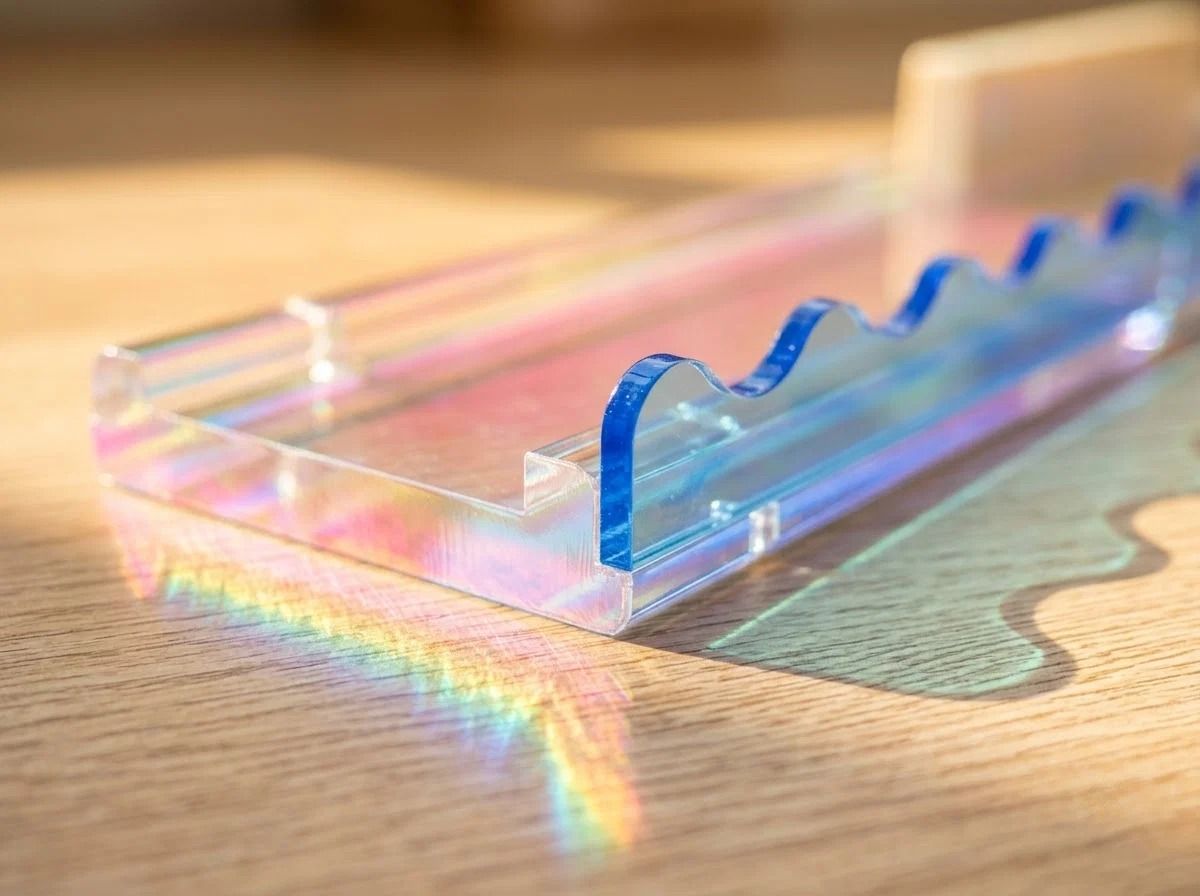
A mahjong mat anchors tiles to a defined surface, preventing them from migrating across the table during play—essential outdoors where movement happens more than indoors. Racks with pushers keep players' hands organized and visible without domino-style pile collapses; pushers are especially helpful when gusts shake the table. A durable travel bag or case lets you transport the set safely to and from your patio, and protects tiles from spills and dust inside your home before guests arrive. Acrylic sets survive outdoor temperature and humidity shifts better than bamboo; they're also easier to wipe clean of patio debris. Bring extra dice in case one rolls into the garden, and keep the National Mah Jongg League card in a sleeve or page protector if playing outside—a single spill or gust ruins an unprotected card. A small brush or lint-free cloth lets you clear dust from tiles between rounds without scratching them.
🎁 See our most-loved mahjong sets & accessories →
How do I teach non-players before the party?
Invite beginner players 5–7 days ahead, not the morning of. Send them a link to "How to Play American Mahjong" or "Mahjong for Beginners" so they understand the Charleston, tile drawing, and hand basics. Fifteen minutes before round one, walk them through a live practice hand: show them the current card, draw 13 tiles, and explain how to spot a valid pattern. Let them watch the first real round as observers, then rotate them into round two. Never throw a beginner into round one without prep—they'll feel lost, slow the game, and may not return. If you have three seasoned players and three eager beginners, split into two tables (you need exactly four per table) and run concurrent games, or play two-player variants with two groups, rotating after round one. Veteran players almost always enjoy teaching; frame it as a gift to the group.
✨ Find your Mahstead set — free US shipping →
What to check before you buy
Tile count and joker count: Confirm your set has all 152 tiles plus 8 jokers in play, plus spare tiles if included. Missing or cracked tiles derail games mid-round.
Set material: Acrylic sets handle outdoor heat and humidity better than bamboo and clean easily after outdoor dust. Bamboo sets are beautiful but need climate-controlled storage.
Mat and rack condition: Test that racks stand level without rocking, and that the mat lies flat. A lumpy mat makes tiles slide during draws.
Current-year card: Download the 2026 National Mah Jongg League card before your party. Last year's card invalidates hands and creates disputes.
Player count: Confirm you have exactly four players before committing to a time. Four-player American mahjong doesn't scale.
Backup plan: Identify one or two people you can call if a player cancels; last-minute no-shows are common at summer events.

FAQ
Can we play mahjong with three or four people outdoors on July 4th?
American mahjong requires exactly four players per game. Two or three players require special rules and different hand patterns; most casual hosts stick to four. If you have three, ask your group whether they want to learn 2 and 3 player variants, or invite a fourth.
What happens if we lose a tile or joker during an outdoor game?
Stop play immediately. Recount your set—if a tile is truly missing, the round is void and you start over. A 160-tile set includes spares; swap a spare joker or tile into play if your main set is short. Never continue with 151 tiles; the game depends on exactly 152 tiles and 8 jokers.
Do I need to use patriotic-themed tiles to make it feel festive?
No. Standard solid-color acrylic sets in red, white, navy, or cream feel patriotic enough when paired with holiday décor around the table. Themed tiles add visual fun but slow play if images interfere with recognizing pips. Stick to clear, solid tiles for serious games.
How do I keep score at an outdoor party?
Use a small whiteboard, notepad, or laminated scoresheet you place near (not on) the playing table. Record each player's name and round totals after each game. Most groups play to the highest cumulative score after three or four rounds. Avoid phones or digital scorekeeping—they distract players and feel impersonal at a casual holiday party.
What if rain threatens mid-game?
Move indoors immediately or pause and reschedule the round. Acrylic tiles resist moisture, but the mat and cards can warp or become slippery. Don't risk a tile ending up on the patio floor. Outdoor mahjong is fun only when weather cooperates.
Should we play for money at a July 4th party?
American mahjong groups vary widely: some play for nominal stakes (pennies or quarters per hand), others play socially for fun only. Decide and announce this before guests arrive. Money play adds competitive energy for some groups and tension for others. If this is your first time hosting, play for fun only—it removes friction and lets players focus on the game.


View More
View More
View More
