
Cantonese Mahjong Etiquette: Rules, Respect & Table Manners
Last updated: Nov 23, 2026
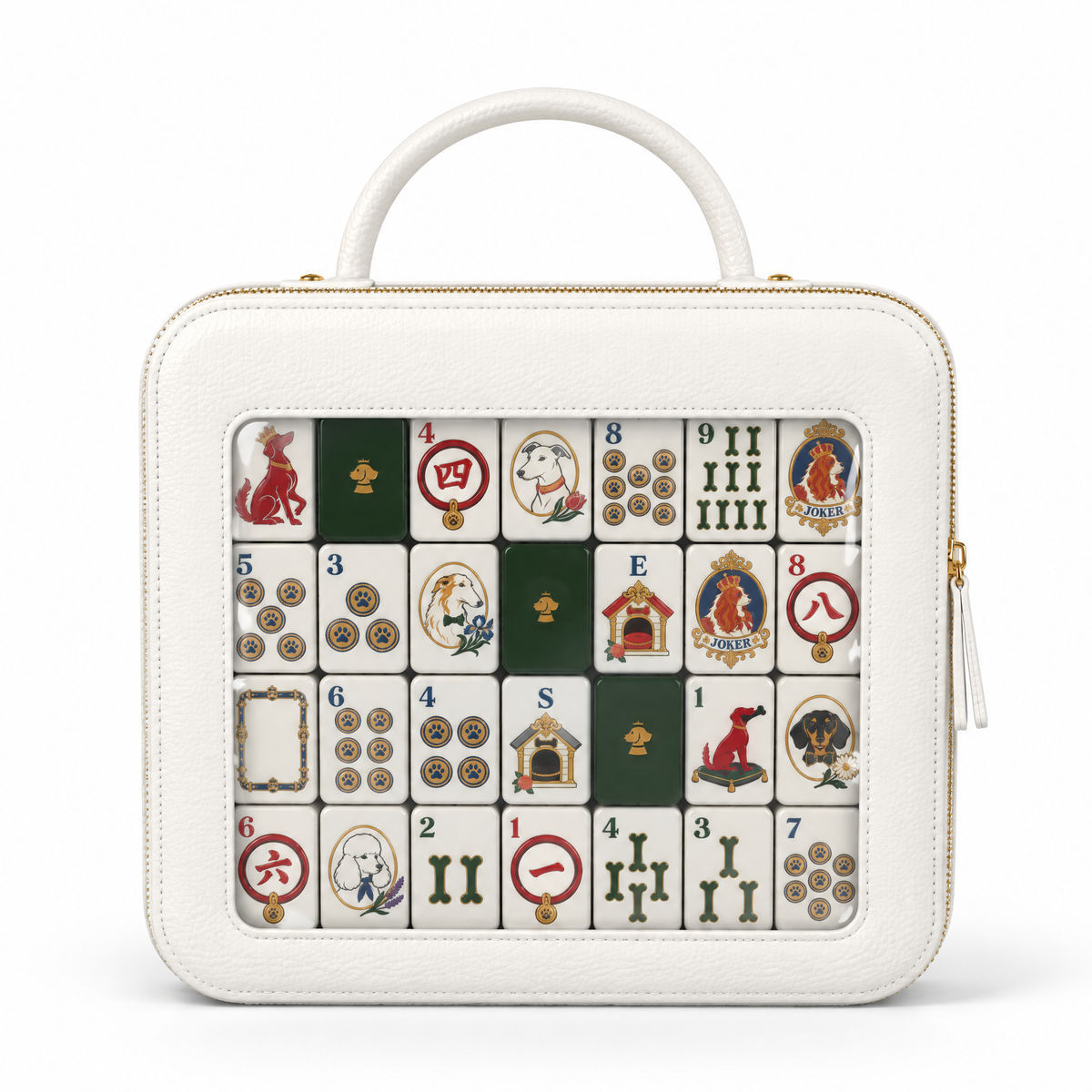
Cantonese mahjong etiquette governs how players handle tiles, signal discards, pass turns, and behave at the table. Unlike American mahjong's chattier style, Cantonese play demands near-silence: signals are minimal hand gestures, tile draws are deliberate and visible, and speed is controlled. Players must never touch another's hand, rush a decision, or discuss strategy mid-round. Respect for the dealer, orderly discard placement, and proper Kong/draw protocol matter as much as knowing the rules. The etiquette system keeps 13-tile hands moving quickly while protecting the game's integrity. Mahstead's best-selling mahjong sets come with everything you need—but it's the respect and silence that make Cantonese play flow. Practice these customs, and you'll be welcomed into any game.
Cantonese mahjong—played across Hong Kong, Guangdong, and diaspora communities worldwide—moves fast. One hand can finish in under five minutes. That speed depends on everyone knowing and honoring the unwritten code. Etiquette isn't about being uptight; it's about trust. When every player knows what the quiet nod means, when discards land in a clean line, when Kong draws happen without fuss, the game becomes almost meditative. You're not just playing tiles—you're part of a ritual older than your great-grandmother's grandmother played.
Why is silence expected in Cantonese mahjong?
Silence protects the game's fair play. Words can hint at tiles, emotions, or strategy. Silent play means no tells, no coaching from spectators, no accidental leaks. The fewer voices, the clearer the signals. Players focus on the wall, the discard pile, and their own hand. You read the room through tile timing and hand position, not chatter.

What are the core hand and tile handling rules?
Tile ownership is sacred. Never touch another player's hand, even to help or adjust. Tiles live in your rack or on the table—not in anyone else's space. When you draw from the wall, pull one tile deliberately so others see it. Place your draw in your rack without displaying it to the table. Discards must land face-up in a clear line in the center, not scattered or overlapped. Stack them like a timeline—newest tiles on the right or in front. If you pick up a discard, your draw is voided and you take the piece you claimed. Once a tile leaves your hand, it's committed; no takesies-backsies.
How do players signal their intentions without speaking?
Eye contact and hand position tell the story. Tapping your rack with one finger means "waiting"—you're looking at one more tile to win. Tapping twice means you're discarding next turn. A palm-up gesture toward the discard pile = "I'm taking this." If you're Kong-ing, you announce it with a clear hand motion and lay all four tiles out immediately, then draw blind from the back wall. A slow, deliberate discard means you're thinking; a snap discard means you weren't waiting for that tile. Experienced players read these rhythms like music. Beginners should watch several hands before joining, so you absorb the tempo.
What mistakes do newcomers make, and how do you avoid them?
Mistake | Why it breaks etiquette | How to fix it |
Talking during play | Leaks info; distracts the table | Say nothing between your turn and the next discard |
Handling your tiles sloppily | Looks careless; tiles spill or tilt | Keep your rack flat and organized; slide, don't shuffle |
Grabbing another player's discard | Breaks turn order and trust | Wait your turn; signal clearly if you're claiming it |
Asking for replay or rule advice mid-hand | Stalls the game's rhythm | Note the issue; discuss after the hand ends |
Standing or leaning over the table | Invades space; looks like you're spying | Sit level with the table; keep your hands visible |
Touching tiles you don't own | Confuses ownership; feels intrusive | Draw from the wall or accept a claimed discard—never assist |
Announcing a Kong after you've already drawn | Breaks the sequence; unfair to others | Call Kong before you touch the wall |
The biggest trap: thinking Cantonese play is just "faster American mahjong." It's not. American mahjong is strategic, flexible, and open. Cantonese play is ritual-bound, timing-sensitive, and almost ceremonial. If you're used to announcing hands and jokes and laid-back chat, dial it down by 80%.

What do table position and seat etiquette mean?
The dealer (Banker) sits East and plays first each round. The next three seats are South, West, and North in clockwise order. Respect the dealer's authority: they set the tone, and they break ties in disputes (though disputes should be rare if everyone follows the rules). Never reach across another player's space to draw from the wall. Each player draws from their own wall segment in turn. If you're North, you draw from the north side of the wall; sit accordingly. Discards in the center belong to everyone equally—first claim wins, but you must signal clearly. If a player wins, acknowledge their hand with a nod; don't begrudge them. If you lose three hands in a row, don't make excuses or blame the tiles. Bad luck is part of the game. The next dealer rotation will come.
🀄 Shop best-selling mahjong sets →
How does Kong protocol protect fairness?
A Kong is four identical tiles. When you Kong, you announce it immediately, lay all four tiles face-up in front of your rack, then draw one tile blind from the back of the wall (Kong box). Never draw before you've displayed the Kong—rushing this step looks like cheating. If you draw a Kong from the wall while waiting, the same rule applies: show it, lay it out, then draw from the back. After a Kong, the next player discards as normal. Kong draws happen fast—no pausing, no reconsidering. If you hesitate after drawing, other players lose faith in the game's integrity. This is why silence matters: no one distracts you, you make your decision cleanly, and play continues.
What role does the discard pile play in reading the table?
The discard pile is the public record of the game. Every tile there tells a story: which player was waiting, what suits players avoided, which tiles went out early. In Cantonese play, you memorize the discard sequence. This skill separates good players from great ones. If three Dot discards appeared from West in the first round, you know West has no Dot hand. If a Kong was called, you know one fewer of that tile is in play. Respect the discard pile by keeping it clean and in order. Don't lean on it or move tiles around. Let it sit as a honest log of the hand. When you discard, place your tile deliberately, so others can see and remember it.
🎁 See our most-loved mahjong sets & accessories →
Cantonese etiquette, at its heart, is about mutual trust and shared rhythm. You're not playing against the other three players—you're playing with them in a game older than most of your families. Silence isn't cold; it's focused. Deliberate tile handling isn't slow; it's respectful. When you honor these customs, you're saying: I take this seriously, and I trust you to do the same.
Before you join a Cantonese game, what should you know?
Watch a full hand first. Sit out one round and observe the signals, the discard sequence, and the rhythm. Most players are patient with respectful newcomers.
Ask where the game is played. Community centers, libraries, and family associations in cities with large Cantonese populations often host open tables. (Don't expect a welcome if you don't show respect for the house rules.)
Bring a notebook and write down the hand values and scoring system. Cantonese mahjong scoring is different from American—learn it before you sit.
Arrive early and offer to buy drinks or snacks. Showing respect off the table helps players trust you at the table.
If you're unsure of a rule, say nothing during play. After the hand, ask the dealer or the most experienced player. They'll teach you.
Bring your own mahjong mat if the venue allows. A clean, well-made mat sets a good tone and shows you take the game seriously. Mahstead mats are durable and portable, so you can travel with your game.
✨ Find your Mahstead set — free US shipping →

FAQ
Can I talk at all during a Cantonese mahjong hand?
Minimal, respectful words only: call your Kong, acknowledge a claim, or say "draw" if you're pulling from the wall. No strategy chat, no jokes, no replaying previous hands. After the hand ends, talk freely.
What does it mean if another player taps their rack slowly?
They're thinking, or they're "waiting"—ready to win on their next draw. A slow tap signals patience and focus. Don't rush them. If they're discarding slowly, they're choosing carefully; respect that choice.
Is it rude to ask a beginner question during play?
Yes, unless it blocks the game (e.g., a rule dispute). Note your question; ask after the hand. Seasoned players will mentor you between rounds, but not during play.
How do I claim a discard without talking?
Make clear eye contact with the player who discarded, place your hand over the discard with your palm down, and lay the tile in your rack. If no one claims it within a breath or two, the next player gets it.
What happens if I accidentally show another player a tile in my hand?
Nothing in the rules, but it's considered poor form. Keep your hand close and angled away from neighbors. If someone glimpses a tile, don't explain—just play on.
Why do some tables stack discard tiles, and others line them up flat?
Both styles are legitimate. Stacking saves space on a small table; lining them flat makes the history easier to read. Ask the table's dealer or most experienced player which method they use, then follow it.


View More
View More
View More
