
How to Clean Plastic Mahjong Tiles: Step-by-Step Guide
Last updated: Nov 23, 2026
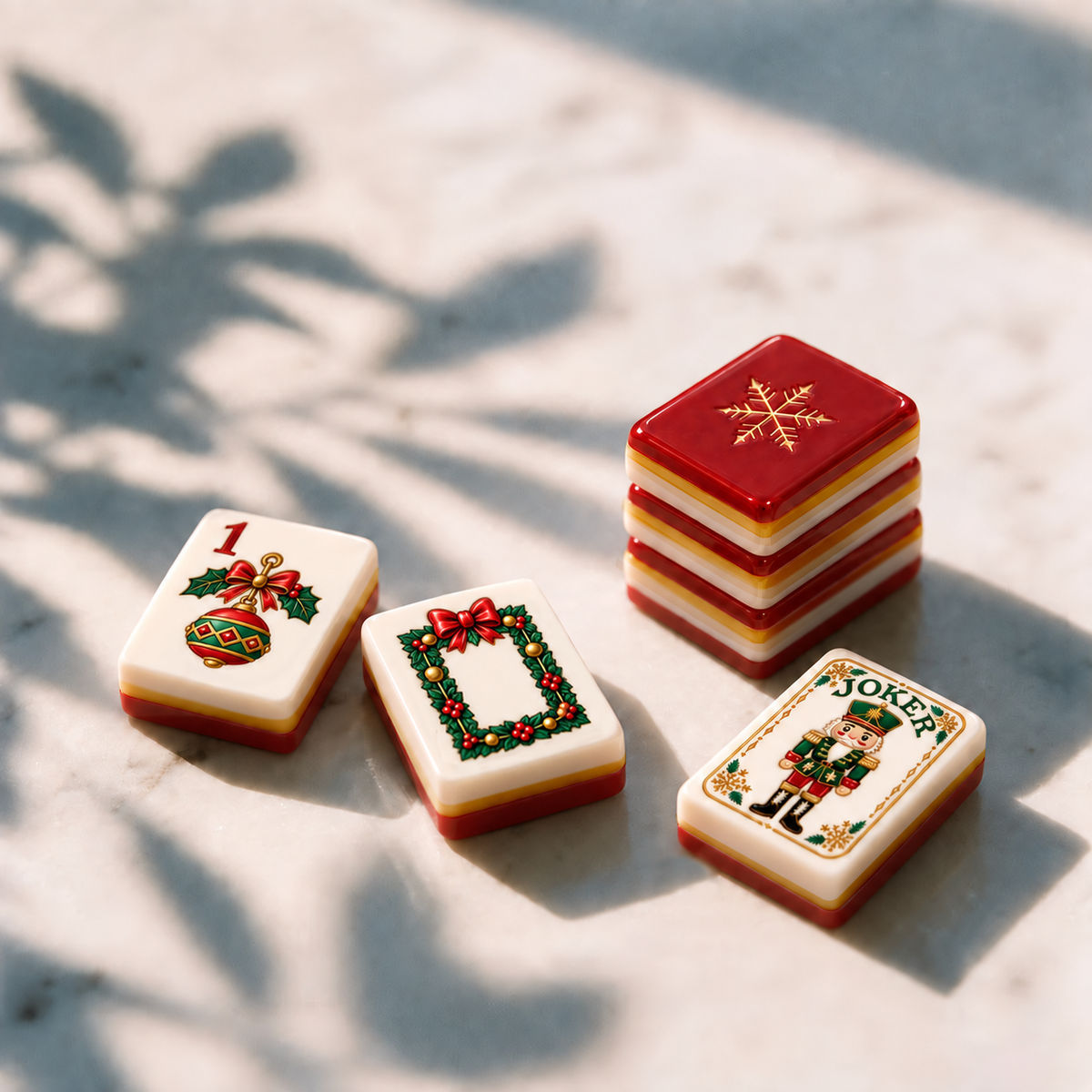
Plastic mahjong tiles—whether acrylic or resin—need only mild cleaning to stay game-ready. Use a soft, lint-free microfiber cloth slightly dampened with distilled water to wipe each tile; for stubborn residue, add one drop of dish soap to the water, wring out excess, and wipe gently. Never soak tiles, use abrasive scrubbers, harsh chemicals, or heat. For engraved tiles, brush soft bristles along the grooves to lift dust. Dry immediately with a second clean cloth to prevent water spots. Clean your entire set once every few months if played weekly, or after any spill or heavy-use session. Proper care preserves the clarity of acrylic tiles and keeps them shuffling smoothly for years.
Why do acrylic tiles collect dust and fingerprints so fast?
Acrylic and resin create static electricity when tiles rub against each other during shuffling and play. This attracts dust, skin oils, and lint from the playing surface. Additionally, the smooth, polished surface of plastic tiles shows every fingerprint and water spot more visibly than natural materials. Frequent handling—especially during a Charleston or rapid tile draws—builds up a film on the surface. Engraved tiles trap particles in the grooves, making regular attention necessary to keep engravings readable and prevent buildup that dulls clarity.

What's the safest way to clean engraved tiles without damaging the design?
Start with a dry, soft-bristled brush—a soft toothbrush or small detail brush works well—and gently run it along the engraved lines to dislodge trapped dust and lint. Work in one direction along the groove, not back-and-forth, to avoid pushing debris deeper. Next, use a lint-free microfiber cloth barely dampened with distilled water to wipe the tile surface. For tiles with deeper or denser engravings, let the damp cloth sit on the tile for 5–10 seconds to soften stubborn residue, then gently wipe. Never use a toothpick, rough cloth, or solvent to scrub grooves—these will scratch the acrylic surface and blur the engraving. Dry immediately with a second dry cloth. Engraved tiles from our best-selling collection retain their crisp detail when cleaned this way once every 4–6 weeks.
🀄 Shop best-selling mahjong sets →
Which cleaning supplies should you keep on hand?
You need only three items: distilled water (to avoid mineral spots), a lint-free microfiber cloth (the kind used for eyeglasses or screens), and a soft-bristled brush. Optional but helpful: a second microfiber cloth reserved for drying. Never use paper towels—they shed fibers onto tiles. Never use tap water, which leaves mineral deposits; tap water can etch or cloud acrylic over time. Avoid glass cleaner (too harsh), vinegar (acidic), rubbing alcohol (can cloud acrylic), and any abrasive pads. A single microfiber cloth costs a few dollars; keeping two or three on hand ensures one is always dry and ready. Store them in a small pouch to keep them clean between sessions.
What mistakes ruin plastic tiles during cleaning?
Common errors we see: soaking tiles in water (causes clouding and loosens any glued-on markers), using hot water or heat (warps acrylic slightly and accelerates degradation), scrubbing hard with rough cloth or sponge (scratches the surface and creates permanent dull spots), spraying with multi-purpose cleaners (leaves residue and can fog acrylic), and leaving tiles wet (causes water spots and mineral deposits as water evaporates). Never clean tiles with acetone, bleach, or furniture polish. Don't expose tiles to direct sunlight for extended periods—UV light yellows acrylic over time. After play sessions near food or drinks, clean promptly; dried juice or oil residue hardens and becomes difficult to remove without heavy scrubbing, which damages the tile. One spill cleaned within an hour takes 30 seconds; the same spill left overnight may require vigorous scrubbing and cause permanent marks.

When should you clean tiles versus when to replace them?
Clean tiles regularly—weekly if you play that often, monthly otherwise—to prevent buildup. Surface dirt, fingerprints, dust, and light residue all respond to gentle cleaning and restore tile clarity immediately. However, if a tile is cracked, deeply scratched, permanently discolored, or the engraving is worn completely away, cleaning won't help. Cracks indicate structural failure and may worsen; deep scratches that remain visible after drying are permanent. If you own a 152-tile set with jokers and one tile is lost or damaged, a full replacement is usually the best option—trying to work around a missing tile disrupts game integrity. Occasionally we see players attempt to bleach yellowed tiles; this never works and damages the acrylic. If your set is yellowing uniformly from age and UV exposure, cleaning will not reverse it, and replacement may be your only option.
Cleaning frequency and storage checklist
Scenario | Frequency | Why | Best practice |
Weekly play, dry environment | Every 3–4 weeks | Dust and oils accumulate | Wipe tiles after each game, full clean monthly |
Weekly play, humid environment | Every 2 weeks | Moisture attracts dust | Store set in case between sessions; clean before storage |
Occasional play (1–2 times monthly) | Monthly or before play | Dust settles on stored tiles | Quick wipe with dry cloth before pulling tiles from the bag |
After food/drink near table | Same day, within 1 hour | Sticky residue hardens | Spot-clean affected tiles immediately with damp cloth |
Engraved tiles | Every 4–6 weeks | Grooves trap more dust | Use soft brush in grooves first, then damp cloth |
After travel/storage | Before play | Transit jostles tiles and dust settles | Full gentle wipe of all 152 tiles, especially envelope seals and markers |
🎁 See our most-loved mahjong sets & accessories →
How storage and a good mat extend tile life
Where and how you store tiles directly affects how often cleaning is needed. Tiles kept in a quality travel bag or case stay cleaner longer than tiles left on open shelves; dust settles on open surfaces constantly. Similarly, playing on a dedicated mahjong mat instead of a bare table reduces debris transfer to tiles—a mat traps lint, dust, and food particles rather than letting them stick to tile surfaces. A mat also provides a soft, stable surface that reduces accidental chipping or scratching from rough handling. After play, store the mat and set together in a clean, dry environment away from direct sunlight and temperature extremes. Humidity above 70% can cause acrylic to absorb moisture and become slightly cloudy; air conditioning or a dehumidifier in very humid climates helps. These simple habits mean less frequent deep cleaning and longer tile life.
What to check before you buy a set or replacement tiles
When purchasing engraved mahjong tiles, confirm the material is acrylic or resin (avoid lower-grade plastics that yellow quickly and cloud easily). Check that engraved designs are crisp and consistent across sample images—shallow or smudged engravings trap more debris and show wear sooner. If the seller offers a sample photo of an engraved tile close-up, compare engravings across several tiles to ensure consistent depth and clarity. Ask whether the set includes a protective case or bag; tiles in a case stay clean far longer than loose tiles in a box. Verify the set contains exactly 152 playing tiles plus jokers—never buy short sets expecting to substitute or mix tiles later. And confirm the tiles are 1.25 inches (standard American mahjong size); smaller or larger tiles may not fit standard racks with pushers or accessories. Our sets specify material and dimensions clearly on every product page; this clarity saves cleaning frustration down the road.
✨ Find your Mahstead set — free US shipping →

FAQ
Can I use a dishwasher or soak tiles in hot soapy water to clean them faster?
No. Soaking causes acrylic to absorb water, creating permanent cloudiness and warping. Heat damages the material and can loosen glued-on markers. Gentle hand-wiping with a damp cloth takes 15–20 minutes for a full set and preserves tile quality indefinitely.
My engraved tiles are still cloudy after cleaning—did I do something wrong?
Cloudiness after proper cleaning usually indicates old water spots (mineral deposits from tap water) or internal moisture absorption from prior soaking. Wipe with distilled water only and dry immediately going forward. If cloudiness is permanent, it came from storage conditions (high humidity or heat) rather than cleaning technique.
How do I clean the joker markers or printed labels on tiles?
Gently wipe printed areas with a barely damp microfiber cloth, working lightly to avoid rubbing ink off. If the marker or label is glued on rather than printed, avoid direct water contact—wipe only the acrylic around it, not the label itself. Harsh scrubbing removes printed designs permanently.
Should I clean tiles before storing them for months?
Yes. A light wipe with a dry or barely damp cloth removes dust and oils that can set or attract more debris during storage. Store the clean, dry set in a case in a cool, dry place away from direct sunlight. This prevents dust accumulation and yellowing before your next game.
Can I use a microfiber cloth that's been sitting in my bag for weeks?
Not if it's visibly dusty or damp. Wash microfiber cloths in lukewarm water (no fabric softener or bleach) and air-dry before reusing, or use a fresh cloth. A dirty cloth will transfer dust and oils to tiles instead of removing them, undoing your cleaning work.
What's the difference between acrylic and resin tiles for cleaning purposes?
Both respond identically to the same gentle cleaning method—soft brush, damp microfiber cloth, distilled water, immediate drying. Acrylic is slightly more prone to fine scratching if scrubbed hard; resin is slightly more durable but equally susceptible to water spots and cloudiness from poor storage or harsh cleaners.


View More
View More
View More
