
Tea Party Mahjong Party Prizes: Ideas & Gift Guide
Last updated: Nov 23, 2026
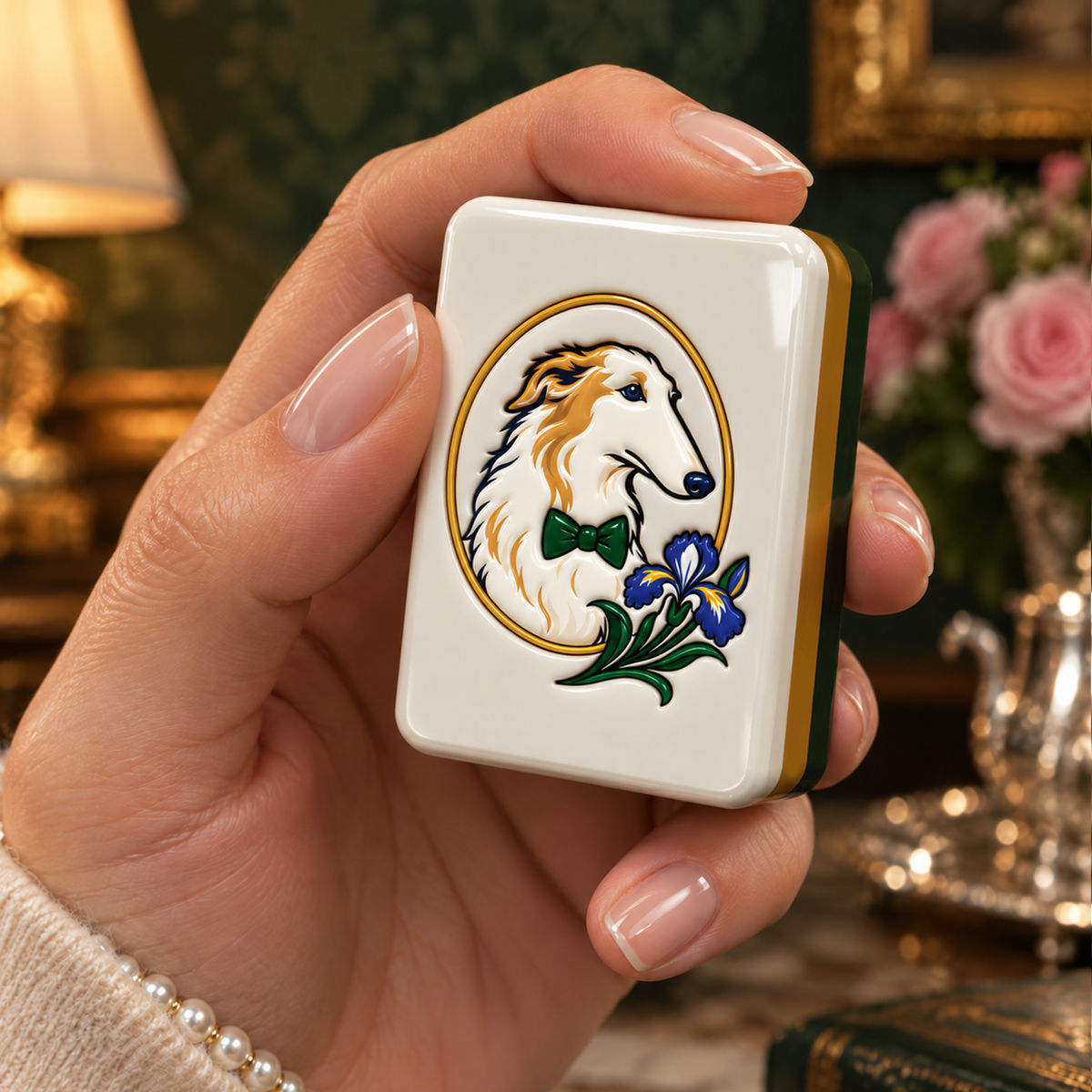
Tea party mahjong prizes work best when they honor the game itself rather than generic gift cards. Winners love practical, beautiful items: engraved American mahjong sets for serious players; decorative mats and racks with pushers for the home game; protective travel bags for regular attendees; or specialty joker markers and dice for scoring rituals. The prize should match the player's level—a beginner appreciates a colorful set from our best-selling collection; a 10-year veteran prefers an engraved acrylic set with her name or her year of play. Most hosts budget a modest prize pool (one small item per winner) rather than expensive consolation prizes, which keeps the focus on play and camaraderie. Avoid generic items; mahjong players notice and remember when you've chosen something tied to the game.
Tea party mahjong—whether a weekly standing game or a seasonal gathering—thrives on ritual and community. Part of that ritual is the thrill of winning. But what makes a prize meaningful at the mahjong table? Not cash, not gift cards, not trinkets. A thoughtful prize says: I know what you love, and I honor that you're here.
We host weekly games and have run prize nights for eight years. Here's what we've learned about prizes that land well and live in players' homes long after the game ends.
What makes a good mahjong party prize?
A good prize feels connected to the game, fits the player's skill level, and is something they'll actually use or treasure. Generic gifts (coffee mugs, candles, spa items) disappear into closets. A mahjong-specific prize stays visible—on a shelf, in a game bag, at the next week's table. The best prizes spark conversation: "Where did you get that mat?" "Oh, I won it last month!" Practical items (like protective bags, racks with pushers, or mats) are used at nearly every game. Sentimental items (engraved sets with the player's name or the year of the party) become heirlooms.
🀄 Shop best-selling mahjong sets →

How do you match a prize to a player's level?
Beginning players light up for anything colorful and accessible—a sturdy set in jewel tones or pastels from our best-selling mahjong sets signals that mahjong is fun and social, not intimidating. Intermediate players (playing 1–3 years) appreciate precision: a set with clear tile markings, a quality mat that lasts, or a rack with pushers that feels solid. Advanced players value exclusivity and craftsmanship—engraved sets with their name, personalized mats, or luxury bags. For a mixed-skill tea party, a portfolio approach works: offer a "community prize" (good racks with pushers everyone can admire) plus individual winner prizes scaled by experience. Many hosts also give a small "best spirit" or "best tile call" prize to newer players, building confidence.
What's the prize format that works best for tea parties?
We've tested several formats. A single grand prize (one winner gets a premium engraved set or luxury travel bag) feels risky—resentment if one player dominates all season. Distributed prizes work better: first-place winner gets a mahjong set; second place gets a mat; third gets rack with pushers; fourth gets a scoring token or dice set. This spreads joy and keeps multiple players engaged. Some hosts run a "prize draw" at season's end (highest monthly winners' names go into a raffle), which softens luck and rewards consistency. Others reserve prizes for special occasions: a new member receives a welcome set; a player marking 10 years at the table gets an engraved piece. One host we know awards a "traveling trophy" (a display-ready set) that rotates monthly—winners keep it on their shelf until the next month's winner claims it.
🎁 See our most-loved mahjong sets & accessories →
Prize Type | Best For | Typical Use | Why It Works |
Engraved acrylic set | Milestone winners, veteran players | Display or best-game use | Personalization feels like recognition |
Quality mat | Regular attendees | Every game, resale if upgrading | Visible at every session; improves play |
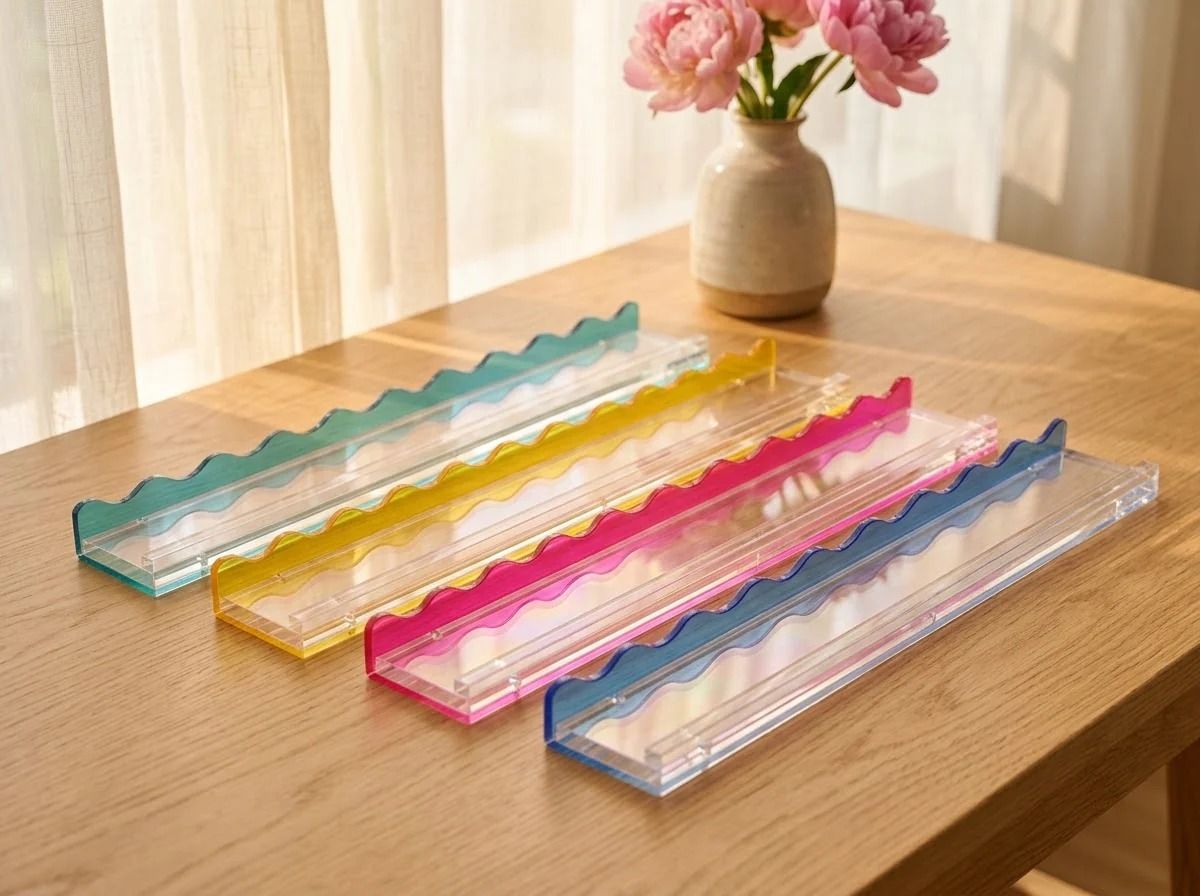
Rack with pushers | Intermediate players | Home games, teaching new players | Practical; used immediately and remembered |
Travel bag or case | Frequent hosts, tournament bound | Transport and protection | Solves a real problem; used constantly |
Specialty dice or scoring markers | Budget prizes, fun vibes | Shared ritual at table | Low cost, high novelty; sparks laughter |
Set of blank replacement tiles | Tech-minded or serious players | Repair and spare inventory | Solves breakage worry; appreciated by collectors |
How do you present the prize without awkwardness?
Presentation matters as much as the gift itself. Announce winners clearly and promptly—don't bury the prize in a separate room. Hand it over with a genuine moment: "You played beautifully today; this is yours." If the prize is an engraved set, read the inscription aloud. If it's a mat or bag, let the winner hold it and feel its quality. Avoid commentary that diminishes the gift ("I hope you like this, it was on sale" or "It's not much, but…"). Mahjong prizes aren't about money; they're about recognition. One host we know wraps every prize in tissue and presents it like a moment of ceremony—it signals: this matters, you matter. Group photos with the winner and the prize also help normalize the celebration and give people a tangible memory.
What's the budget framework for tea party prizes?
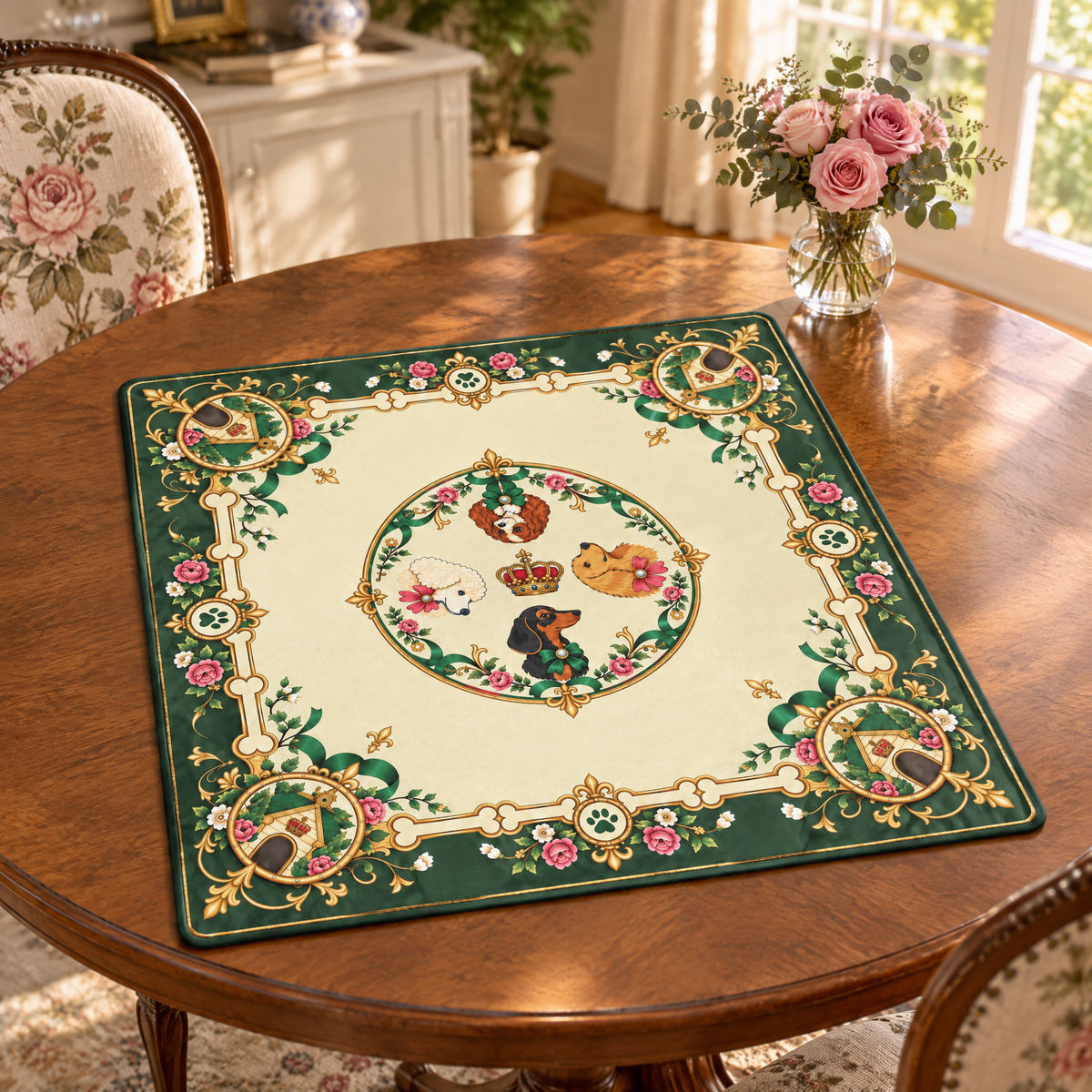
Most casual tea party hosts invest modestly—comparable to a restaurant meal for the group. If your party is eight players, one game per week, 40 weeks per year, you might allocate enough to source four distributed prizes per season (first, second, third, "spirit" award) rather than every week. Alternatively, one larger seasonal prize pool for the end-of-year tournament keeps costs predictable. Don't use this as a profit-taking moment; the goal is to celebrate players, not to balance a budget. Some hosts use a "white elephant" format—everyone brings a mahjong-related item (set, mat, scorepad, dice), and prizes are draws from the pile. This spreads cost and often yields delightful surprises. Another approach: host a "themed prize night" once or twice yearly—December's holiday game features Christmas-themed prizes or sets, and June's mid-year party features summer aesthetics. This gives you permission to refresh and keeps anticipation alive.
✨ Find your Mahstead set — free US shipping →
Where do you find tea party mahjong prizes that feel premium?
The best prizes come from vendors who understand mahjong culture—not generic party-supply stores. Look for artisan sets with real tile quality, mats made for serious play, and bags designed for travel and storage. Engraved options elevate a prize from "nice gift" to "I'll treasure this forever." If you're ordering in bulk or for a milestone event, ask about quantity options; many makers offer volume pricing. Check that the set or mat comes in the color palette and design your group loves—bright and playful, or elegant and timeless. Avoid sets marketed as "décor" rather than playable; real players can feel the difference in tile weight and finish. Mahstead's collection offers acrylic sets in multiple styles, from modern minimalist to traditional designs, all acrylic with clear tile markings—practical, beautiful, and made to last. Racks, mats, and bags round out the range if you're sourcing different prizes for different winners.
What to check before you buy
Tile clarity: Can you read the suit and number instantly? Faint markings frustrate players.
Color options: Do they match your group's taste—bold jewel tones, pastels, neutrals, or traditional?
Set completeness: Verify you're getting a full 152-tile set (152 playing tiles, plus spare tiles in quality sets). No shortcuts.
Customization: If you want names or dates engraved, confirm turnaround time and design approval process before ordering.
Shipping and handling: Acrylic tiles are durable but require careful packing; confirm the vendor ships securely, especially if sending as a gift.
Set-up gear: If gifting a mat or racks, check that they're compatible with standard American tile sizes and fit your players' tables.
Season and theme: Holiday or themed sets suit seasonal parties but may feel odd gifted in July; choose timeless designs if you gift year-round.
FAQ
Can you give the same type of prize to multiple winners in one season?
Absolutely. If four players win that season, each could receive a mat or racks with pushers—the specific color or design can differ to feel personalized. Variety prevents the prize feeling stale; same type, different aesthetics, keeps it fresh and fair.
How far in advance should I order mahjong party prizes?
For engraved items, 4–6 weeks is standard to allow for design approval and production. For stock sets, mats, and bags, 2–3 weeks ahead is safe. If you're ordering in volume or with custom details, ask the vendor for their lead time before committing.
Should I give consolation prizes to non-winners?
It depends on your group's culture. Formal tournaments often don't; casual weekly games sometimes give a small token (dice, joker markers, a scorepad) to all players just for showing up. This keeps spirits high without diluting the winner's recognition. Check what your group expects.
Can I repurpose or regift a mahjong prize?
Yes—many players rotate or upgrade sets over years. If you win an engraved set that's not your style, trading with another player or donating it to a beginner's group keeps it in play. Mahjong items are gifts that circulate happily.
What if I want to give a prize but don't play mahjong myself?
Ask the players what they'd love. Most mahjong communities are generous with advice—they'll tell you if they need a new mat, dream of an engraved set, or already have plenty of racks. Consulting the group shows respect and ensures the prize lands well.
Is it better to give one large prize or many small prizes?
Many small prizes (distributed across winners and spirit awards) build broader engagement and joy. One grand prize can feel high-stakes and create tension. For casual tea parties, distributed prizes reflect the social, inclusive spirit of the game better than a single winner takes all.


View More
View More
View More
