
How to Clean a Mahjong Mat: Step-by-Step Guide
Last updated: Nov 23, 2026
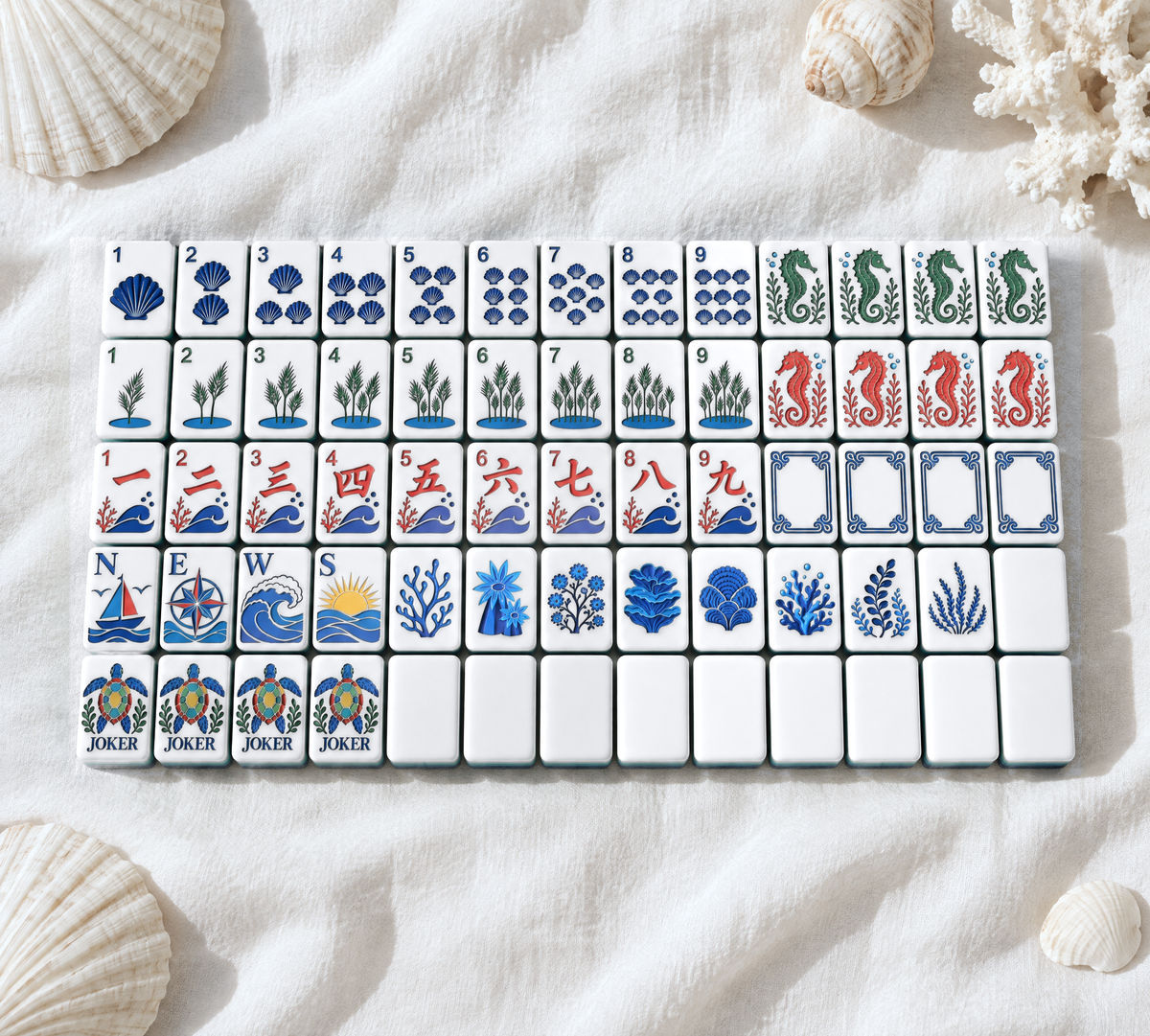
Most mahjong mats are acrylic, felt-backed, or vinyl, and each needs different care. Dust weekly with a soft, dry cloth; spot-clean spills immediately with a barely damp microfiber cloth and mild soap, never harsh chemicals or soaking. For acrylic surfaces, avoid abrasive sponges and extreme heat. Felt-backed mats should never be machine-washed; instead, brush gently and air-dry flat. Vinyl mats tolerate slightly more moisture but still need to dry completely to prevent mildew. Proper storage—rolled loosely or laid flat in a dry space—prevents warping and creasing. Most mats benefit from quarterly deep cleaning: lay flat, wipe the surface with a pH-neutral cloth, and leave uncovered in a well-ventilated area for 24 hours. Mahstead's acrylic mats come with care guidance; follow it, and you'll avoid the most common damage: permanent staining, edge curling, and surface scratching.
🀄 Shop best-selling mahjong sets →
What material is your mat, and does it change how you clean it?
Acrylic mats—the most durable option—respond well to gentle wiping with a slightly dampened microfiber cloth and room-temperature water mixed with one drop of dish soap. Never use vinegar, bleach, or alcohol-based cleaners; they strip the finish and create dull spots. Felt-backed mats require a softer touch: use a soft brush to remove dust, and spot-clean only with a barely damp cloth, pressing gently rather than rubbing. Vinyl mats fall between acrylic and felt in durability; they handle a little more moisture than felt but still need complete drying within 2–3 hours to prevent mildew growth underneath.
The backing matters too. Acrylic-backed mats dry quickly and resist moisture damage. Felt-backed mats absorb water easily, so moisture is your enemy—never leave them damp. If you play weekly and use your mat on a table without a dedicated mahjong surface, choose a material that dries fast and resists staining. Browse our full collection of mahjong mats to see what finish suits your playing style and climate.

How do you remove stains without damaging the surface?
The golden rule: act fast and use cold water. For fresh spills (water, juice, wine), blot immediately with a dry cloth to remove excess liquid, then wipe the spot with a microfiber cloth barely dampened with cool water and one drop of mild dish soap. Let air-dry completely. For older stains, resist the urge to scrub hard; light circular motions with a damp cloth and minimal pressure work better than aggressive friction.
Avoid acetone, rubbing alcohol, and abrasive powders. Test any cleaning solution on a hidden corner first. If a stain persists after three gentle attempts over two days, it's likely set permanently, and heavy scrubbing will only damage the surface. For stubborn marks on acrylic mats, a soft eraser can sometimes help, but use it sparingly and in one direction only.
Never use a washing machine, dryer, or direct sunlight for drying—heat and UV light warp acrylic and felt alike. Air-drying flat or loosely hung is always the safest approach.
What's the best routine if you play once a week?
Weekly players should dust the mat before and after each game with a soft, lint-free cloth. Brush tiles gently off the surface rather than wiping them across it, which can cause tiny scratches over time. If you use pushers or racks during play, set them on the mat carefully; sharp edges and hard plastic feet can leave marks if dragged.
Once a month, do a light refresh: lay the mat flat, go over it with a slightly damp microfiber cloth to pick up any dust settled into the surface texture, and air-dry for 2–4 hours in a cool, dry room. Every three months, if the mat looks dull or has light dust buildup, do a full air-out: lay it flat outdoors or in a well-ventilated room for a full day, away from direct sun.
Store the mat rolled loosely (not folded) in a breathable bag, never wrapped in plastic, which traps moisture. If you use mahjong racks with pushers, keep them separate so their feet don't create permanent creases on the mat during storage.

What mistakes do most players make when cleaning?
The three costliest errors are: using hot water (warps acrylic permanently), scrubbing hard (scratches the surface and damages backing fibers), and soaking a felt-backed mat (it absorbs water and takes weeks to fully dry, risking mildew and mold inside the felt).
Players also often assume all household cleaners are safe—they're not. Vinegar, Windex, and even "gentle" soap can dull acrylic and weaken felt backing. Store-bought carpet cleaners are too harsh; they leave residue and can create a slippery surface that makes tiles harder to move.
Another common mistake: folding the mat instead of rolling it. Acrylic and felt-backed mats develop permanent creases when folded tightly and stored for months. Rolled storage is gentler and extends mat life by years. Finally, leaving a damp mat in a warm closet without air circulation almost guarantees mildew. Always ensure the mat is completely dry before storing it in an enclosed space.
How do you protect a mat between cleaning sessions?
Prevention is simpler than damage control. Use a protective cover—a clean, lightweight cloth or sheet—when the mat is not in use and sits on a table. This keeps dust and airborne debris off the surface. If you store mahjong tiles in a bag or case, keep them separate from the mat during storage to avoid tile marks or dye transfer.
Avoid eating or drinking directly over the mat; spills happen, and even a few seconds delay in cleanup can set a stain. If you use a dedicated mahjong table, wipe the table surface clean before laying the mat each time, so grit or residue doesn't scratch it during play. In humid climates, place a silica gel packet or small dehumidifier in the storage bag to absorb moisture. In dry climates, no special action is needed.
Play in a smoke-free space if possible; smoke residue builds up on acrylic and felt surfaces and becomes sticky over time. If you must play in a smoky area, give the mat a gentle air-out within 24 hours afterward.
Cleaning routine checklist
When | Task | Time | Why |
Before each game | Dust with soft cloth | 2 min | Remove debris that can scratch tiles or mat |
After each game | Wipe spill areas | 5 min | Prevent staining and water rings |
Monthly | Light damp refresh | 15 min | Remove settled dust; maintain finish |
Quarterly | Full air-out (flat, 24 hr) | 5 min + 24 hr | Restore moisture balance; refresh fibers |
Before storage | Ensure complete dryness | 2 hrs | Prevent mildew and odors |
Once yearly | Inspect for damage | 5 min | Catch wear early; plan replacement if needed |
🎁 See our most-loved mahjong sets & accessories →
What should you check before you buy a mat?
Look for material clearly labeled (acrylic, felt, vinyl) and backing type, so you know what cleaning approach suits it. Check the dimensions—most American mahjong mats are 23–26 inches square, but measure your table first. A mat that's too small won't protect your surface; too large and it overhangs and collects dust underneath.
Examine photos or product descriptions for surface texture: embossed grids slow tiles slightly and suit fast players; smooth surfaces let tiles glide more freely. Ask whether the edges are bound or raw; bound edges resist fraying and look cleaner longer. If you travel frequently, a mat under 1 pound that rolls compactly is worth the price premium. If you play only at home, a heavier mat (1.5–2 pounds) usually offers more durability.
Finally, confirm the mat works with your best-selling mahjong sets. Standard tile sizes fit most mats, but oversized or miniature sets may not. If you're unsure, reach out before buying.
✨ Find your Mahstead set — free US shipping →

FAQ
Can I use Windex or vinegar to clean my mahjong mat?
No. Both dull acrylic finishes and can weaken felt backing. Stick to mild dish soap and cool water. Vinegar leaves streaks and residue that attract dust and make tiles stick slightly during play.
My mat has a permanent crease from folding. Can I flatten it?
Partial improvement is possible: lay the mat flat in a warm (not hot) room for 48 hours, or loosely roll it the opposite direction for a week. Acrylic rarely returns to 100%, but slight warmth and time can ease the crease by 40–60%. Prevent future creases by always rolling, never folding.
How often should I replace my mahjong mat?
With proper care, most acrylic and vinyl mats last 5–10 years before the surface dulls noticeably or edges fray. Felt-backed mats may show wear sooner (3–7 years) if used weekly in humid climates. Replace when you see deep scratches, permanent stains, or peeling backing.
Is it safe to use a hair dryer to dry my mat after cleaning?
No. Heat warps acrylic permanently and can damage felt backing. Air-drying is always safer. If you're in a humid climate, open windows, use a fan at low speed, or place the mat in direct (but not intense) natural light instead.
What's the difference between a mahjong mat and a table cover or tablecloth?
A mahjong mat is purpose-built with a surface that lets tiles glide smoothly and is designed to protect both the tiles and the table. Tablecloths are fabric, tend to shift during play, and can snag tiles. For more on mat vs. table cover options, see our detailed comparison.
Can I clean my mat while it's still on the table?
You can spot-clean and dust in place, but for a proper air-out or deeper refresh, always remove it from the table and lay it flat on a clean floor. This lets both sides breathe and prevents trapped moisture underneath.


View More
View More
View More
