
Hong Kong Mahjong vs. Sichuan Mahjong: Rules & Gameplay
Last updated: Nov 23, 2026
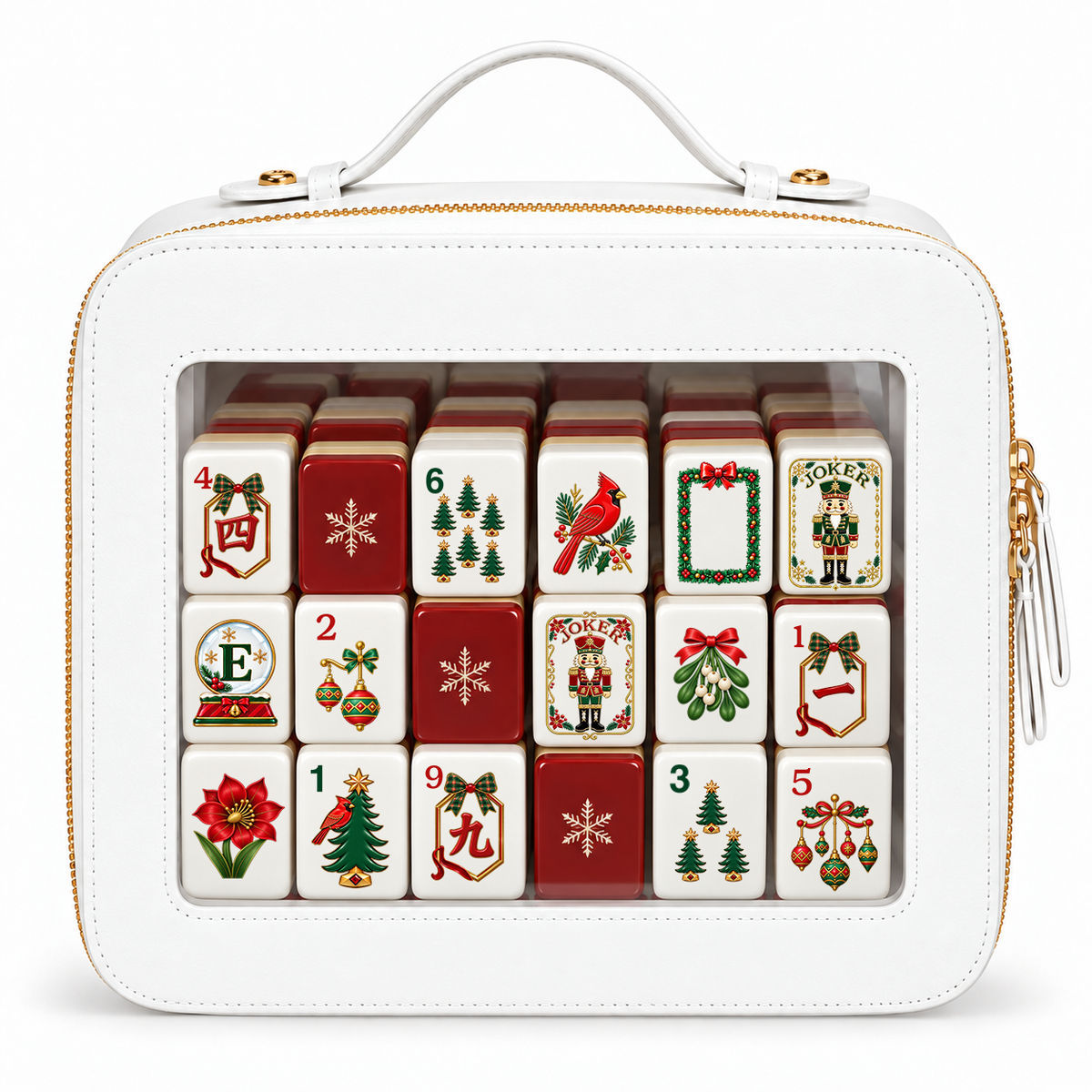
Hong Kong mahjong uses 136 tiles (suits 1–9 in three types, dragons, winds, no flowers) and wins on concealed melds plus a pair, with strict hand patterns and honor-tile rules that reward defensive play. Sichuan mahjong (also called Chengdu mahjong) uses 108 tiles (suits 1–9 only, no honors), allows open melds at any time, plays much faster, and emphasizes betting and luck over pattern memorization. Hong Kong is slower, strategic, and favors experienced players; Sichuan is quicker, more casual, and draws younger players. Neither is used in American mahjong—our game uses 152 tiles, the current-year National League card, and a Charleston pre-game pass. If you're learning American mahjong, our best-selling mahjong sets include everything you need to start.
Hong Kong and Sichuan mahjong are two distinct regional Chinese games that differ in tile composition, winning mechanics, and hand complexity. We'll break down exactly how they differ and why players prefer each one.
What tiles does each game use?
Hong Kong mahjong plays with 136 tiles total: one suit each numbered 1–9 (×3 copies per number = 27 tiles) repeated three times (81 tiles), plus 16 winds (4 each: North, East, South, West), 12 dragons (4 each: Red, Green, White). Flowers are not included. Sichuan mahjong strips the game down to 108 tiles: three suits numbered 1–9 repeated four times each, with no winds, dragons, or flowers at all. The simpler tile set in Sichuan means shorter memory demands and faster rounds—critical for a game that often runs 20–30 minutes per hand instead of 45–90 minutes in Hong Kong.

How do winning hands differ between the two?
In Hong Kong mahjong, you must win with a concealed hand: all melds stay hidden until you declare win. Your final hand must contain exactly four melds (each a pung of three identical tiles, a kong of four, or a sequence of three consecutive numbers in the same suit) plus one pair. You cannot mix sequences with honors (winds and dragons)—honor tiles only form pungs or kongs. The winning tile can come from the wall (draw) or as a discard (called "win off someone's discard").
Sichuan mahjong allows melds to be exposed during play and won with open hands. Winning patterns vary by local ruleset, but commonly include combinations like three or four melds plus a pair, with fewer restrictions on mixing suits and honors. This flexibility speeds play and reduces the strategy tax—new players catch up faster.
What's the pace of play like in each variant?
Hong Kong mahjong demands that players read the table constantly: tracking which tiles each player has drawn, inferring hand composition from discards, deciding whether to hold risky pairs or safe sequences. A single hand often takes 45 to 90 minutes, and an evening session (four hands, one per wind direction) can run three hours. The learning curve is steep—memorizing safe discard sequences alone takes weeks of practice.
Sichuan mahjong hands resolve in 20–30 minutes. Players call melds immediately, betting rounds punctuate draws, and the open-hand format means no one is left guessing. Sichuan games feel more social and luck-driven; Hong Kong games feel like chess with tiles. If you want to practice strategic thinking, Hong Kong is your game. If you want quick rounds with friends, Sichuan delivers.
How do payment and betting systems work?
Hong Kong mahjong traditionally uses point scoring with minimal direct cash exchange during play—winners collect points from each loser based on hand value (e.g., a simple hand might pay double; a rare hand might pay eight times the base unit). Final settlement happens after the session. The point system encourages long-term play and reduces the "luck swings" that dominate short sessions.
Sichuan mahjong typically involves direct betting on each hand or even each draw. Players post antes, bet on melds, and pay or collect chips immediately. This constant betting loop keeps energy high and wins feel immediate. Sichuan is often called the "social drinking game" version of mahjong; Hong Kong is the competitive club game.
Which variant should you learn first?
If you're new to mahjong, Hong Kong is the harder but more rewarding entry point. You'll learn tile value, hand construction, and defensive strategy—skills that transfer to American, Chinese (Riichi), and other variants. Start with free online simulators (search "Hong Kong mahjong online" to find no-download browser games) or local clubs in cities with large Cantonese or Hong Kong diaspora communities (check community centers, libraries, or meetup boards).
If you want to play casually this week, Sichuan is faster to learn—hand patterns are simpler and the open-board format means you see what's happening. Many online mahjong apps offer Sichuan as an entry-level mode. However, you won't build the pattern-recognition skills that make mahjong truly strategic.
🀄 Shop best-selling mahjong sets →

Comparison Table: Hong Kong vs. Sichuan at a Glance
Feature | Hong Kong | Sichuan |
Tile count | 136 | 108 |
Suits included | 3 (Bams, Craks, Dots) + winds + dragons | 3 suits only (no honors) |
Hand visibility | Concealed until win | Open melds during play |
Winning pattern | 4 melds + 1 pair (concealed) | 3–4 melds + 1 pair (open) |
Typical hand length | 45–90 minutes | 20–30 minutes |
Betting | Point-based, settled at end | Direct betting on each action |
Skill emphasis | Reads, memory, defense | Speed, luck, social play |
Learning curve (weeks) | 4–8 weeks | 1–2 weeks |
A Decision Framework: Variant Roadmap
Ask yourself these three questions in order:
Do I want to learn deep strategy or play casually?
Strategy → Hong Kong. Casual fun → Sichuan.
How much time can I commit?
30+ min per hand, 2+ hrs per session → Hong Kong. 20 min hands → Sichuan.
Is there a live club near me?
Yes, with Hong Kong players → join Hong Kong. Otherwise, start online → try Sichuan to build confidence, then migrate to Hong Kong or American variants.
If you land on American mahjong—which uses 152 tiles, the National Mah Jongg League card, and a completely different hand-from-card system—our best-selling mahjong sets come ready to play out of the box, with everything from acrylic tiles to engraved racks and pushers. All our sets are 160 tiles, which means you have spares if a tile cracks during travel.
What to Check Before You Buy
If you're shopping for Hong Kong or Sichuan online: Confirm the tile count (136 for Hong Kong, 108 for Sichuan). Most sets sold in North America are American (152 tiles) or "universal" (144 tiles). Verify the rulebook matches your local club's house rules, especially on payment.
If you're learning alone: Use free online simulators first. Live play changes everything—hand speed, read intensity, and table etiquette vary by region.
If you're buying a physical set: Choose a travel bag if you're carrying to a club weekly. Tiles cost more to replace than the bag costs upfront.
🎁 See our most-loved mahjong sets & accessories →
Why American Mahjong Is Not Hong Kong or Sichuan
American mahjong looks similar but plays by entirely different rules. It uses 152 tiles (a fixed set, not regional), requires matching hands to the current-year National Mah Jongg League card (not memorized patterns), and starts every game with a ritual tile-pass called the Charleston. You cannot call sequences (chows); you can only expose pungs, kongs, quints, or sextets. Jokers (8 in play) substitute for any tile. If you're in North America and see "mahjong sets" at stores or online, 99% of the time they're American. Hong Kong and Sichuan sets are sold primarily through specialty shops or online retailers catering to diaspora communities—not through mainstream outlets.
For American mahjong, a 160-tile acrylic set is durable enough for weekly play and comes with everything: tiles, racks, pushers, and a mat. For Hong Kong or Sichuan, you may find sets listed as "Chinese mahjong" online, but verify the tile count and rulebook before ordering.
✨ Find your Mahstead set — free US shipping →

FAQ
Can I use an American mahjong set to play Hong Kong or Sichuan?
No. American sets use 152 specific tiles (including jokers and flowers) that don't map to either variant. Hong Kong needs 136 tiles; Sichuan needs 108. Tile designs and values differ too.
Is Hong Kong mahjong harder than American mahjong?
They're hard in different ways. Hong Kong demands hand memorization and table reads. American requires learning the National League card and hand-matching (also memorization, but visual, not numerical). Both take 4–8 weeks to play competently.
Can I learn Hong Kong mahjong online without a club nearby?
Yes, simulators like Mahjong Soul or Tenhou let you play Hong Kong rules anytime. Most top players use these for practice. Live club play is faster and teaches defensive reads, but online builds tile fluency first.
What's the fastest way to learn Sichuan mahjong?
Ask a local player to teach you one hand—open-play formats let you see everything, so learning-by-doing works. Most people pick up Sichuan basics in one 30-minute session.
Do I need a fancy set to play, or can I use online?
Online play is free and fast. A physical set (acrylic or bamboo, $30–100+) is essential if you're joining a regular club—it signals respect and ensures everyone plays the same speed without software delays.


View More
View More
View More
