
Mahjong Party Ideas in Cincinnati: Hosting Tips & Game Setups
Last updated: Nov 23, 2026
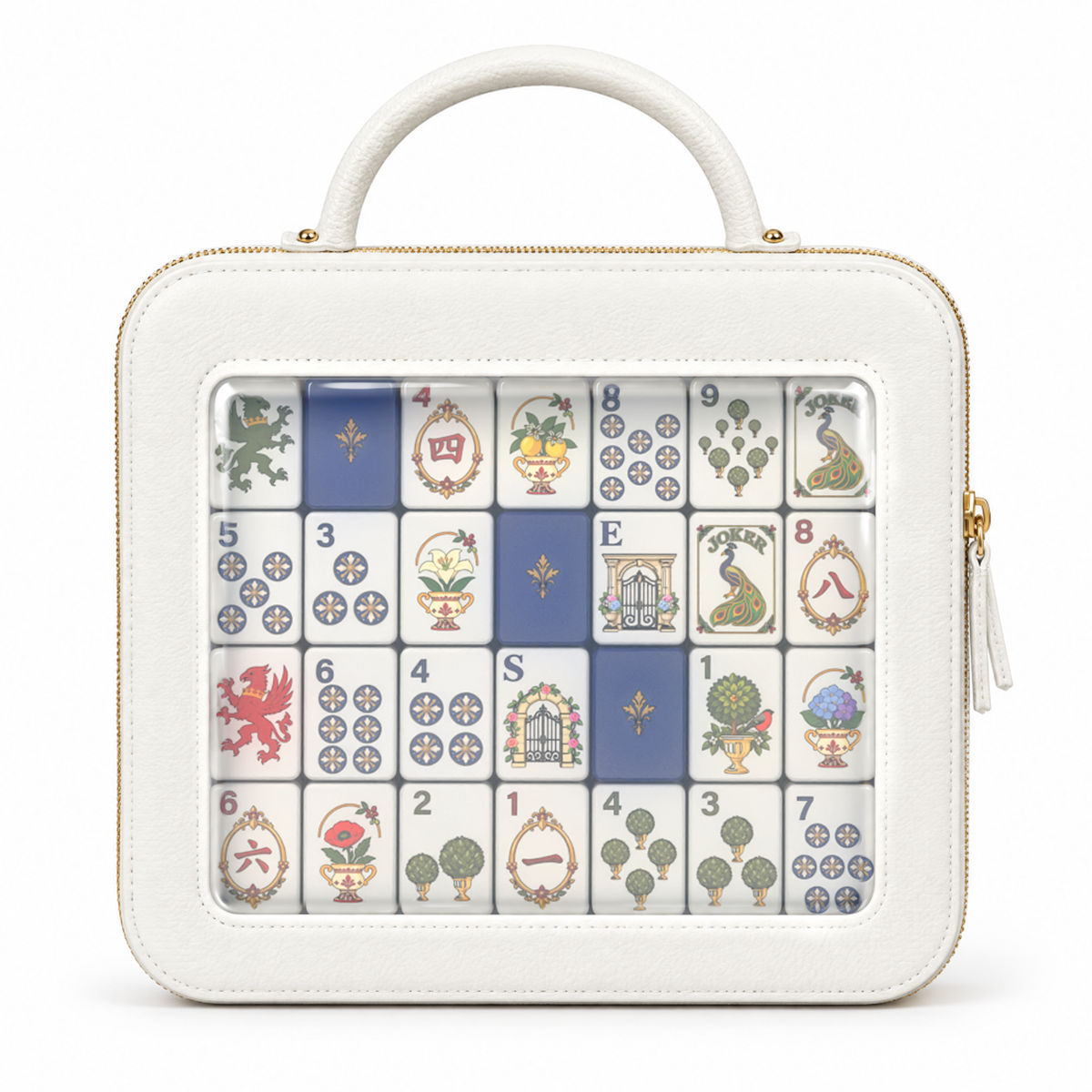
A mahjong party in Cincinnati starts with four players, a full American tile set (152 tiles plus 8 jokers), a mat, racks, and the current year's National Mah Jongg League card. You'll need a sturdy table, good lighting, and enough seating space so players don't lean or strain their necks. The Charleston—the opening tile-passing ritual—takes 5–10 minutes; then each hand plays 30–60 minutes depending on how quickly tiles move and scoring happens. Most home players host weekly games on a consistent evening. Buy or borrow a full American mahjong set from a local game shop, community center, or library—or order a quality acrylic set online with free US shipping. Mahstead designs 160-tile sets with engraved tiles and custom designs that travel well and hold up to weekly play. Before inviting, decide if you're teaching absolute beginners (plan three hands maximum per session) or playing with experienced players (six to eight hands).
What Do Cincinnati Players Need to Host Their First Game?
Your foundation is a complete American mahjong set, a play mat with labeled zones, and four comfortable chairs. Cincinnati community centers and libraries often loan sets; joining a local player group through Meetup or Facebook gaming boards connects you with players who may bring equipment. If you're buying, invest in an acrylic set designed for frequent play—they're quieter and more durable than bamboo. A rack with pushers keeps tiles organized so players don't accidentally knock them during draws. A good mat defines the play zones and protects your table from tile scuffs.
🀄 Shop best-selling mahjong sets →

How Do You Manage the Charleston Without Slowing Everyone Down?
The Charleston is the pre-game ritual where players pass tiles in a fixed sequence to randomize the hand. East passes three tiles right to South; South passes three right to West; West passes three right to North. Then players pass one tile across the table (East to West, North to South), then pass back one. The whole sequence takes 7–10 minutes the first time; experienced players do it in 3–4 minutes. Write the sequence on a card or print it so new players can follow along without confusion. Pause before the final step to let everyone confirm they have 14 tiles. Never let beginners pass tiles face-up—they must stay face-down to avoid signaling strategy.
Which Cincinnati Venues Host Casual Mahjong Nights?
Cincinnati has no single "mahjong bar," but players congregate at community centers, library game rooms, and country clubs with card rooms. Search online for "mahjong club" or "game group" in your zip code, or check Cincinnati Parks & Recreation recreation centers for open game times. Jewish community centers often host weekly games and welcome new players. Ask the front desk about players who are teaching or forming beginner groups. You can also post in Cincinnati-area Facebook groups or Meetup boards to find nearby home games. Starting your own weekly Thursday or Sunday night game at home is often easier than hunting for an existing group.
What Setup Mistakes Hurt Beginner Parties?
Common missteps: not having the current year's National Mah Jongg League card (hands won't match the card, and scoring fails); seating players too close together (tiles get bumped); poor lighting (players squint at number symbols); missing racks (tiles fall flat, games slow down); and not teaching the Charleston before play starts (chaos during the tile pass). Also, hosting six or eight players at once overwhelms beginners—stick to exactly four players for your first party. Never assume a borrowed set has all 152 tiles; count them beforehand. If a set is incomplete or tiles are bent, cancel and reschedule rather than substitute house rules. Keep the first game to four or five hands so players don't burn out.
🎁 See our most-loved mahjong sets & accessories →
What Should Your Cincinnati Mahjong Setup Checklist Include?
Item | Purpose | Where to Source |
160-tile acrylic set | 152 playing tiles + 8 jokers | Online (Mahstead), local game shop, or library loan |
Current-year League card | Hand definitions & scoring | National Mah Jongg League website or game supply store |
Play mat (2×2 ft or 3×3 ft) | Tile zones & wall layout | Online; also available at game suppliers |
4 racks with pushers | Tile organization & sightlines | Online; included with many set bundles |
Table (36"–48" square minimum) | Play surface | Home or community center |
Chairs with armrests | Comfort during 30–60-min hands | Home or borrow |
Dice (two required) | Wall break & hand draw | Included in most sets |
Good lighting (600+ lux) | Clear tile reading | Desk lamp or overhead lights |
Scorepad & pen | Round scoring | Paper or use a scoring app |
Snacks & water | Guest comfort | Bring yourself or ask guests |
A mahjong mat clearly labels the discard zone and wall positions, cutting down on confused plays. Racks with pushers let players tilt tiles to hide their hand from opponents and make draws smoother. If you're hosting weekly, buy your own set so it's always ready; acrylic tiles resist warping and damage better than bamboo over months of use.

How Do You Teach Four Beginners in One Evening?
Start with no more than two hands. Before play, spend 15 minutes explaining the goal (be first to lay down a hand matching the card), tile groups (pungs = 3 identical; kongs = 4 identical; jokers as wild), and the Charleston. Then walk through one hand in slow motion, explaining each draw and discard. Show how to read one section of the League card so players see what a valid hand looks like. Play the first hand as a learning round where everyone talks through decisions. Stop after hand two and ask if players want to continue or debrief. Many first-timers need processing time and will feel more confident at a second party. Learn the full American mahjong beginner rules here.
What's the Etiquette for Managing Distractions and Disputes?
Keep phones off the table (a phone ring breaks concentration and can prompt accidental tile touches). Agree before play whether players can discuss hands aloud or must play silently. If someone disputes a win, pause and refer to the current year's League card—it's final. Never allow house rules in your first parties (they confuse beginners and invalidate scoring). If a player knocks over a tile wall accidentally, stop the hand and rebuild the wall rather than improvising. Document any unusual situation on a note and ask an experienced player for guidance before your next game. Enforcing clear, simple rules at the start prevents frustration mid-game.
✨ Find your Mahstead set — free US shipping →
What Hosting Equipment Makes a Real Difference Over Time?
A quality set that lasts: acrylic tiles don't yellow or crack like bone or bamboo, and they stack neatly in a case. A mahjong bag or case keeps your set dust-free between games and lets you travel to other players' homes if you want. Racks with pushers prevent tiles from scattering when someone leans over the table. An extra mat in a carrying bag lets you host at different locations. Good lighting—a clip lamp or overhead LED—reduces eye strain and keeps games moving (fewer squinting pauses). After three to six months of weekly play, these investments pay for themselves in convenience and player comfort.
When Should You Upgrade From a Borrowed Set to Your Own?
If you're hosting more than once a month, buy a set. Borrowed sets may be incomplete, have missing jokers, or belong to someone who needs them back unpredictably. When you own the set, you control the care, know every tile is present, and can store it safely between games. Our best-selling sets include everything four players need—tiles, racks, mats, and cases—so you're not assembling pieces from different sources. Consider an engraved set with a title or inside joke to make your Cincinnati game feel like an established tradition worth hosting every week.
What to Check Before You Buy
Confirm the set contains exactly 152 tiles (for play) plus 8 jokers, plus any spares packaged in a sealed bag.
Verify all tiles are acrylic or bone (avoid bamboo for weekly play; it warps).
Check that the mat includes labeled zones (wall, discard, and player positions).
If buying racks, ensure they're tall enough to hide tiles from opponents (roughly 2.5 inches).
Confirm free US shipping applies to your order and that the package arrives in a sturdy case, not a thin box.
#

FAQ
Where do Cincinnati players find weekly mahjong games to join?
Check Cincinnati Parks & Recreation community centers, libraries, Jewish community centers, and country clubs with card rooms. Post in Cincinnati-area Meetup groups or Facebook gaming boards to find home games. Many groups meet Thursday or Sunday evenings and welcome beginners.
Can I host a mahjong party for six or eight players?
American mahjong is played only with exactly four players. If you have more than four, run two tables, or play in rotating shifts (winner sits out, newcomer joins). Never add players to one table or invent house rules; the game rules and the League card are fixed.
What's the difference between a mahjong mat and a table cover?
A mat has labeled zones (wall, discard, player zones) printed or embroidered, is portable, and protects both the table and tiles. A table cover is decorative cloth that protects the table but doesn't mark play zones. For hosting, a mat is essential; a cover is optional. Read more about mat choices here.
Do I need to buy racks and pushers separately from the set?
Many modern sets include racks and pushers, but check the product description. If buying separately, racks organize tiles and hide your hand; pushers let you safely extract tiles without disturbing the pile. Both are worth the investment for frequent players.
How long does one mahjong hand usually take?
A typical hand plays 30–60 minutes depending on player experience and pace. Beginners may take 45–90 minutes for a single hand. Plan for 2–3 hands in a first party (2–3 hours total) and up to 6–8 hands in a longer session with experienced players.
What's in an American mahjong set, and is 160 tiles enough for one game?
An American set contains 152 playing tiles (three suits × 1–9 × four copies each, plus winds, dragons, and flowers) plus 8 jokers. A 160-tile set includes spare jokers or blank tiles packaged separately and never added to play. 152 tiles is the exact amount for one four-player game; 160-tile sets give you extras for replacements. Learn what's in a set here.
Should I buy bamboo, bone, or acrylic tiles for weekly home play?
Acrylic is best for home use. Bamboo and bone are beautiful but warp over time and can crack if dropped. Acrylic tiles stack neatly, last for years through weekly play, and are quieter on the table than bone. They're also easier to clean.
How do I know if my borrowed set is complete before I host a game?
Count the tiles. An American set must have exactly 152 tiles for play: 36 Bams (bird on 1 Bam), 36 Craks, 36 Dots, 16 winds (four each N, E, W, S), 12 dragons (four each Red, Green, White), 8 flowers, and 8 jokers. If any count is off, don't host until you source a complete set. --- ✨ Find your Mahstead set — free US shipping →


View More
View More
View More
