
How to Clean a Mahjong Mat: Step-by-Step Care Guide
Last updated: Nov 23, 2026
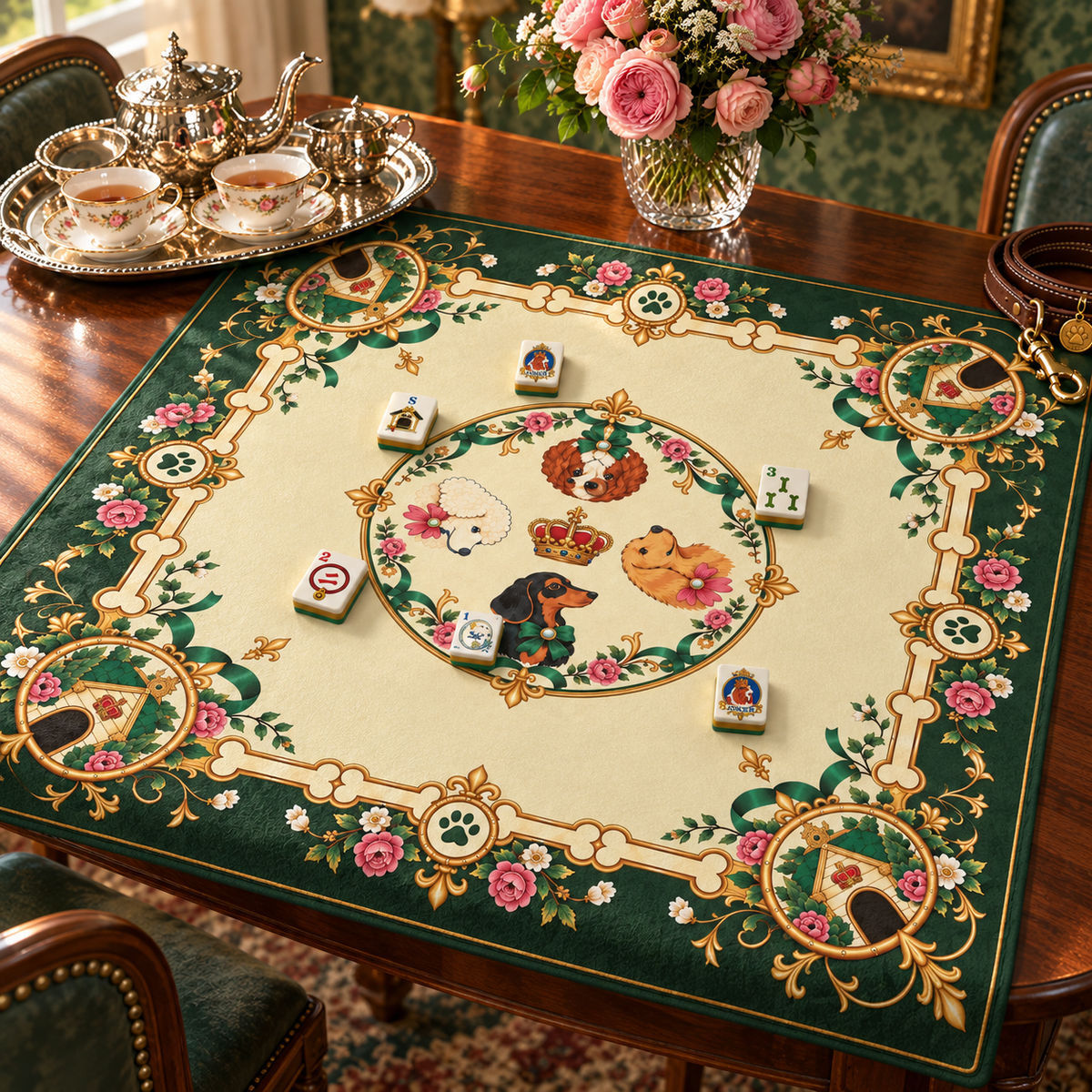
Mahjong mats collect dust, tile debris, and spills during weekly games. Clean yours monthly with a soft, dry microfiber cloth or a barely damp lint-free cloth with mild soap and lukewarm water—never machine wash or bleach. For stubborn spots, dab gently without rubbing; for dried tile clay or food marks, use a soft brush or eraser first, then wipe. Air-dry completely flat before storing rolled (not folded). Check the mat's felt or rubber base annually; if cracks, stains, or worn patches resist cleaning, replacement is more cost-effective than ongoing stain battle. A quality mahjong mat with a sealed backing resists moisture better than budget alternatives, making weekly cleaning faster and protecting your tile investment. 🀄 Shop best-selling mahjong sets →
What causes mahjong mat stains and wear?
Mahjong mats live on the frontline of your game room. Tile residue (clay dust and paint flecks), spilled drinks, snack crumbs, and oils from hands all accumulate on the surface. Indoor humidity weakens felt backing; rolling a damp mat invites mildew. Over two to three years of weekly play, even premium mats show discoloration in high-traffic zones. The faster you address fresh spills, the easier they lift off—old stains bond to fibers and become permanent.
Can you machine wash a mahjong mat?
No—machine washing destroys the mat's structure and felted base. Agitation loosens the binding threads, shrinks the felt, and can warp the rubber underside. Many mats have glued seams that dissolve in water. Even a "delicate" cycle causes damage you cannot reverse. Hand-cleaning with minimal moisture is the only safe approach for any mat, whether budget felt or premium neoprene.
What's the safest way to spot-clean?
Start dry: use a soft brush or white eraser to lift clay dust and surface marks without adding water. Brush gently in one direction to avoid spreading debris. For wet stains, mix a few drops of dish soap with cool water, dampen a microfiber cloth until barely moist (wring out excess), and dab the stain—never rub in circles. Let it sit for 10 seconds if needed, then blot with a dry cloth. Repeat only if the stain persists; multiple passes risk saturation. Always air-dry flat, never in direct sunlight (which fades color) or near heat vents (which warp rubber). This method works on juice, wine, grease, and food smudges without harming the mat's surface or backing.
How often should you deep clean?
Deep clean every four to six months if you play weekly, or annually for casual groups. Lay the mat flat outdoors on a clean tarp or clean indoor floor. Use a soft brush with light pressure to remove dust across the entire surface—follow the weave direction. For stubborn grit, a barely damp cloth and mild soap works, but allow 24 hours minimum for complete air-drying before rolling. If you store the mat in a humid basement or garage, inspect it monthly and wipe any moisture spots immediately. A mat stored in a cool, dry closet needs less frequent deep cleaning.
When should you replace your mat instead of cleaning?
If stains remain after two gentle cleaning attempts, the mat likely has permanent dye transfer or a damaged topcoat layer. Cracks or peeling in the rubber backing signal structural failure and risk snagging tiles or hiding mold. Thinning felt that no longer grips tiles smoothly compromises play quality. A mat that yellows, warps, or curls despite flat storage has reached end-of-life. Replacement mats from Mahstead's collection offer modern backing technology—sealed seams, reinforced corners, and water-resistant surfaces—that simplify cleaning and last longer than older mats. Budget for a new mat every three to four years of heavy use or every five to six years of casual play.
Cleaning Scenario | Method | Drying Time | When to Replace |
Dry dust / chalk marks | Soft brush, one direction | Immediate | Never; preventive |
Fresh spill (juice, wine) | Damp cloth + soap, dab only | 4–6 hours flat | If stain remains after 2 attempts |
Caked clay or food debris | Eraser or soft brush, then cloth | 2–3 hours | If residue doesn't lift cleanly |
Mold or moisture odor | Air dry outdoors 24+ hours | Full day minimum | If smell persists; backing may be compromised |
Visible cracks or peeling | Do not clean; mat is unsafe | — | Replace immediately |
🎁 See our most-loved mahjong sets & accessories →
What to check before you buy a replacement mat
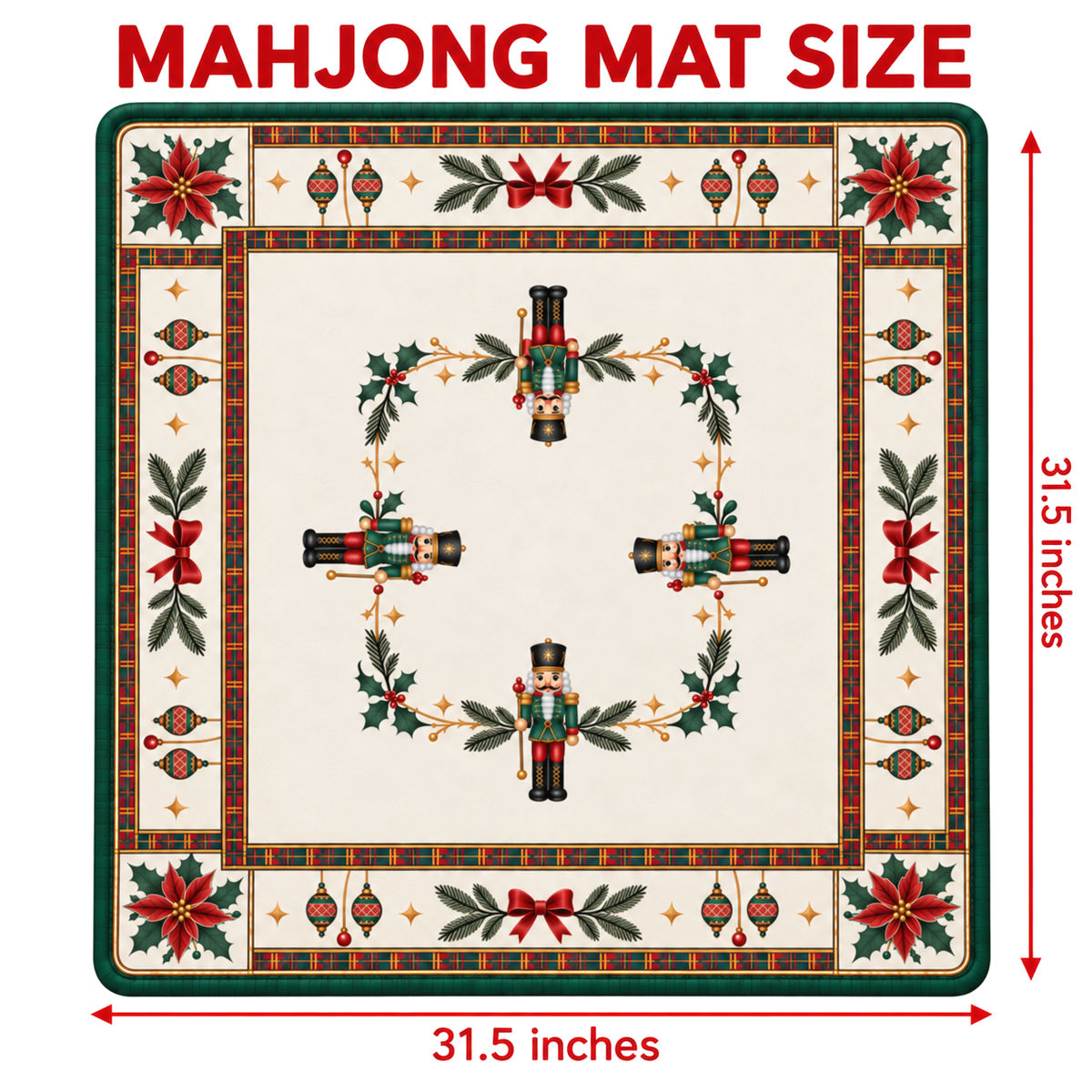
When your current mat reaches the end, choose one with these features: a sealed, moisture-resistant backing (rubber or neoprene beats cloth); reinforced seams along all four edges; and a felt or microfiber top that resists pilling and wicks moisture. Avoid ultra-thin mats—they offer no cushioning and wear through faster. A mat sized for standard four-player games (typically 30 × 30 inches or similar) fits most tables without excessive overhang that collects dust in folds. Check that corner pockets or edge grips prevent sliding during the Charleston. If you use racks with pushers, ensure the mat surface is slightly textured so tiles don't slip; smooth vinyl mats can cause frustration. Inspect the mat's underside before purchase—a mat with a rubbery, slightly grippy backing will stay put on wood, laminate, or glass surfaces and resist mildew better than felt-backed alternatives.
How to store your mat between games
Roll your mat loosely around a cardboard tube or large cloth roll—never fold it, which creates permanent creases and weakens fibers at the fold. Store in a cool, dry closet or cabinet away from direct sunlight and heating vents. If you live in a humid climate, place a small silica gel packet or open box of baking soda near the mat to absorb moisture. Never store in a sealed plastic bag; trapped humidity breeds mold. Before each game, unroll the mat 30 minutes early and let it breathe. If you notice any odor or soft spots when unrolling, wipe with a barely damp cloth and air-dry fully before play.
✨ Find your Mahstead set — free US shipping →
A quick cleaning checklist for game day
Before guests arrive: Lay out your mahjong mat flat 15 minutes early; brush with a soft brush to remove dust.
During play: Place a coaster under drinks; keep snacks on a side table, not on the mat.
After the game: Blot any fresh spills immediately with a damp cloth.
Weekly routine: Wipe the mat with a dry microfiber cloth; inspect for moisture or odor.
Monthly: Deep-brush and spot-clean stubborn marks; air-dry fully before storage.
Seasonal: Check underside for mold or mildew; store in a dry space.
FAQ
Can you use vinegar or bleach to clean a mahjong mat?
No. Vinegar degrades glue in seams; bleach fades color and weakens felt fibers. Mild dish soap and water only. Test any new cleaner on a hidden corner first.
What if the mat smells like mildew after storage?
Unroll it and air-dry outdoors for 24 hours in sunlight if possible. Wipe with a cloth barely dampened in equal parts white vinegar and water, then dry completely. If smell persists, the backing is compromised; replacement is safer.
Does a mat need padding underneath it?
No. A quality mat with a sealed rubber backing provides cushioning and grip. If you place it on carpet, the mat may shift; use corner grips or non-slip tape to keep it stable. On hard floors, a mat typically grips well on its own.
How can you prevent tiles from sliding on a worn mat?
A smooth mat loses texture over time. Before replacing, try using a non-slip mat pad underneath or a thin fabric overlay. If tiles still drift, the mat's felt or surface is too compromised for play; buy a replacement with a textured top layer.
Can you travel with a mahjong mat?
Yes, if it fits your mahjong travel bag or case. Roll it loosely and store in a dry compartment. Avoid compressing it for extended periods; mats wrinkle but will flatten once unrolled and aired. Never leave it in a hot car.


View More
View More
View More
