
How to Choose Mahjong Scoring Sticks: A Player's Guide
Last updated: Nov 23, 2026
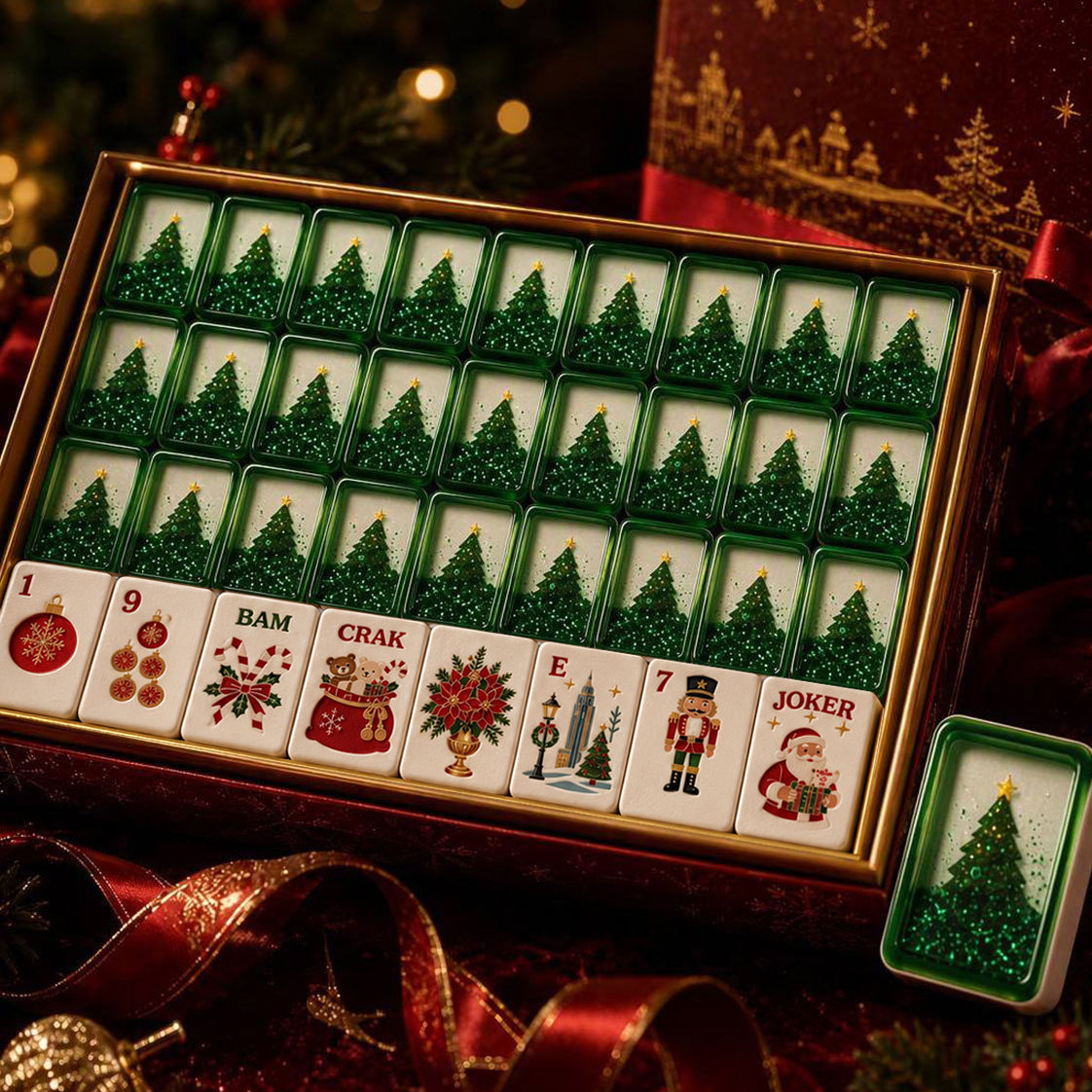
Scoring sticks (also called "counting sticks" or "racks") are small tokens you use to track points during each hand in American mahjong. A complete game needs one set per player—typically 12 sticks per player, in denominations of 1, 5, and 10 points—though some sets include extras for longer games or friendly house rules. They're usually made of bamboo, plastic, or wood, roughly 3–4 inches long and 0.25 inches wide. Buy them as part of a full best-selling mahjong set or separately; loose sticks are available through specialty retailers. The best choice depends on grip comfort, durability, storage space, and whether you prefer a traditional look or something more colorful. Most players keep spares on hand because sticks occasionally get lost or damaged over years of play.
Why do scoring sticks matter in American mahjong?
Scoring sticks speed up hand settlement and prevent disputes. In American mahjong, scoring is based on the hand type, doubling, and bonus points—totals can reach 128 points or more per hand. Using physical tokens instead of pencil-and-paper tracking lets you see the payment instantly, keeps all four players honest, and keeps the game flowing. Without sticks, someone always has to do mental math, and players argue about who paid what. Sticks make accounting transparent and tactile; they're part of the ritual we love about the game.

What denominations and quantities do you actually need?
You need three denominations: 1-point, 5-point, and 10-point sticks. Per American mahjong rules, each player typically holds 12 sticks at the start of a hand (worth 12 points), and the banker may hold extras. A basic set for four players includes 48–52 total sticks to allow for exchanges and restocking mid-game. Some sets include 60+ sticks for longer sessions or informal house rules where payouts vary. If you host weekly games, having a spare set of sticks at home prevents disputes if someone's home set is incomplete. Mahstead's best-selling mahjong sets include scoring sticks sized and counted for standard American play.
🀄 Shop best-selling mahjong sets →
Bamboo vs. plastic vs. wood: Which material lasts?
Material | Feel | Durability | Best for | Care |
Bamboo | Traditional, warm, lightweight | 5–10 years with home play | Weekly serious games | Wipe dry; avoid dishwasher |
Plastic | Smooth, uniform, cool | 8–15 years; resistant to moisture | Travel, outdoor, casual | Rinse and dry; very forgiving |
Wood (solid) | Elegant, heavier, distinctive | 10+ years; prone to splitting if dry | Collectors, display | Occasional oil; store in cool place |
Bamboo sticks feel the most authentic and are traditionally used in Asia; they wear beautifully over time but can warp in humid climates or if left in sunlight. Plastic sticks are the workhorse: they don't absorb moisture, won't splinter, and survive casual throws or dog encounters. Wood is for players who want heirloom quality and don't mind the maintenance. For weekly home game players, plastic offers the best value and zero regret. If you travel or play outdoors, plastic is non-negotiable. Bamboo is perfect if you're a purist and your game room is climate-controlled.
What size and grip width feels right?
Most scoring sticks are 3–4 inches long and 0.2–0.3 inches wide. Shorter sticks (under 3 inches) are fiddly and easy to drop; longer ones (over 4.5 inches) take up table space and are harder to shuffle. The grip width matters most: thin sticks (0.2 inches) suit players with small hands or those who like a delicate touch; wider sticks (0.3+ inches) are easier to grab and stack but take up more bag space. If you have arthritis or prefer stability, wider is kinder. If you travel frequently or have limited case space, thinner works. Before ordering, hold a friend's sticks or visit a local game group to test the feel in your hand—this single decision prevents regret more than any other factor.

How do you store and transport scoring sticks without losing them?
Sticks live in a cloth pouch or hard case that clips onto your mahjong bag or set case. Loose sticks in a zippered compartment inevitably get lost—we've all had that one set where three sticks vanished. Keep your scoring sticks in a small drawstring pouch that you pack inside your mahjong bag or carrying case every time you leave home. Label your sticks with your initials (use a fine marker on the side) so you can spot them if they mix with another player's set. At the game table, rest sticks on a small tile rack or in the pouch between hands; don't scatter them loose on the mat. If you host weekly games, keep a backup set sealed in its original pouch at home—most replacement sticks sold separately cost less than one dinner, so buying a second set as insurance is smart.
🎁 See our most-loved mahjong sets & accessories →
What to check before you buy
Count per denomination. Verify your set includes enough 1-point, 5-point, and 10-point sticks for four players plus spares. A typical set lists totals (e.g., "50 sticks: 30 × 1-point, 12 × 5-point, 8 × 10-point").
Fit your case. Measure your mahjong bag or case interior and confirm the pouch will fit alongside tiles and racks. Oversized pouches get wedged and damaged.
Color visibility. Confirm 5-point and 10-point sticks are clearly different colors or marked (red, blue, gold, or engraved numerals). Misreading sticks mid-game causes payment chaos.
Weight and feel. If possible, test a sample in your hand before committing. Awkward grip or balance frustrates players during long sessions.
Replacement availability. Ask whether loose sticks are sold separately in case of loss. Mahstead offers best-selling mahjong sets with clear care instructions and access to replacement sticks.
Material care fit your lifestyle. If you play in humid areas or outdoors, plastic is safer than bamboo. If your game room is climate-controlled and you play weekly indoors, bamboo or wood is fine.
When should you replace your entire set vs. buy replacements?
Replace the whole set if more than two sticks are missing (you lose point accuracy), the material is cracked or warped beyond use, or the color coding has faded so badly you can't distinguish denominations. Buy individual replacement sticks if one or two are lost or damaged—this is much cheaper and faster than ordering a new set. Mahstead's product pages include care guidance for each material, so check before you buy and you'll know exactly what to expect over time.
✨ Find your Mahstead set — free US shipping →

FAQ
Can I use old sticks from another game or country?
No. Different mahjong variants (Chinese, Hong Kong, Riichi, Taiwanese) use different point scales and stick denominations. American mahjong sticks are calibrated for 1-, 5-, and 10-point values per hand settlement rules; mixing in sticks from another game breaks accounting and confuses the table. Stick with one set per game variant.
How many sticks do I need if I play two-player or three-player mahjong?
In two-player or three-player American mahjong, players often sit in adjusted positions and may use a reduced stick set; however, official two- and three-player rules vary. Many home games simplify to pencil and paper. Check your group's house rules before buying; if in doubt, a standard four-player set works for any variant.
Do engraved or custom sticks work as well as plain ones?
Yes. Engraved sticks (e.g., with house names, club names, or decorative patterns) are purely cosmetic and don't affect function. They do add weight slightly and may increase cost. Buy engraved sticks if they're part of a keepsake set or gift; otherwise, plain sticks are identical in performance and cheaper.
Should I store sticks in the original box or transfer them to a pouch?
Transfer them to a small drawstring pouch or hard case that fits inside your mahjong bag. Original boxes are bulky, easy to forget, and don't fit in travel bags. Pouches keep sticks grouped, labeled, and protected from loss during transport.
What happens if we lose sticks mid-game?
Stop and recount. If a stick is missing, announce it immediately—don't cover the loss by guessing. Either use a loose stick from another set (label it clearly so you remember to return it) or pause the game and settle the hand by hand-counting or pencil. Most serious home games keep a spare set on the shelf exactly for this reason.
Are bamboo sticks worth the extra cost compared to plastic?
Bamboo costs more upfront and requires care (wipe dry after play, store in moderate humidity). For a weekly home game in a climate-controlled space, bamboo is beautiful and will last 5–10 years. For casual play, travel, or outdoor games, plastic is smarter: it's cheaper, more durable, and requires zero maintenance. Buy bamboo only if you're a collector or hosting a showcase game; otherwise, plastic wins on value.


View More
View More
View More
