
How to Buy a Vintage Mahjong Set Safely
Last updated: Nov 23, 2026
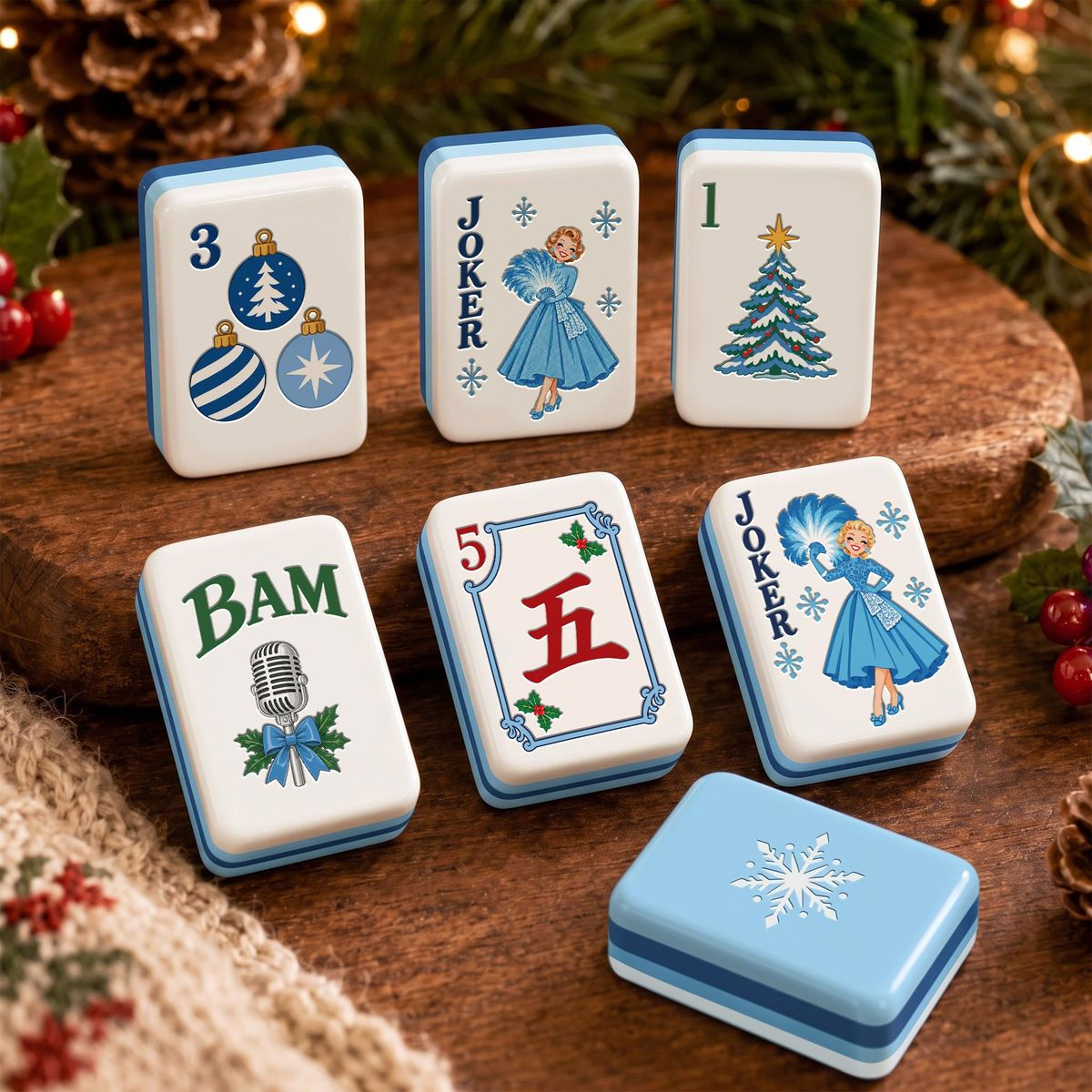
Buying a vintage mahjong set safely means checking tile count (152 playable tiles plus spares), identifying materials (bone, bamboo, wood, or plastic), and spotting damage or missing pieces before you commit. Look for consistent wear patterns—if only a few tiles look old while others are pristine, something's off. Verify the set contains all suits and winds; ask sellers for photos of each side of the tiles. Avoid sets with cracks, fading paint on bamboo, or mismatched jokers. Buy from established dealers, auction houses with mahjong expertise, or sellers with verifiable return policies. Mahstead designs new custom sets with clear specifications, so if you're unsure about vintage authenticity, starting with engraved American mahjong sets eliminates guesswork entirely.
What counts as "vintage" in mahjong collecting?
Mahjong sets made before 1960—especially those from Shanghai, Canton, or Hong Kong—command the most collector interest. Hand-painted bone or bamboo with mother-of-pearl inlay, bamboo racks with silk cords, and hardwood cases signal genuine age. Modern reproductions now flood online marketplaces, often labeled "vintage" when they're 5–10 years old. Date the set by checking tile thickness (older bone is often 10–12mm, newer acrylic 8–10mm), examining maker stamps on the underside of the case, and looking for patina consistent with actual age—not artificial aging. If the seller cannot show the case bottom, maker's mark, or a clear provenance photo series, assume it's mislabeled.
🀄 Shop best-selling mahjong sets →

How do you spot damage that ruins playability?
The most expensive mistake is buying a set missing even one tile—you cannot play American mahjong without all 152 tiles. Run your fingers across each tile surface; cracks hide in bamboo grain and rarely appear in photos. Chips on the edges are normal on old sets, but deep gouges that damage the painted number make that tile unreadable in low light. Check that all four copies of each number (1–9 in three suits) and all 16 winds are present; count carefully rather than guess. Warped tiles from humidity prevent proper shuffling and stacking. Fading on bamboo tiles is cosmetic unless the number disappears entirely. Jokers and blanks may be loose or missing—vendors often don't mention them. Ask the seller: "Are all jokers present? Any cracks? Any fading that makes numbers hard to read in dim light?"
What materials should you know before buying?
Material | Feel & Sound | Durability | Cost Basis | Best For |
Bone (pre-1950) | Heavy, slightly warm, clacks quietly | Chips easily, yellows with age | Highest | Display, play gently |
Bamboo | Light, smooth, clacks loudly | Cracks under humidity, paint fades | Mid-high | Players who like authentic weight |
Wood (mahogany, rosewood) | Warm, dense grain visible | Durable if dry-stored, warps if humid | Mid | Display, occasional play |
Acrylic (1970s onward) | Plastic feel, loud clack, cold | Scratches easily, chips if dropped | Lower | Play frequently |
Bakelite (1940s–60s) | Hard, darker plastic, warm-ish | Cracks along grain lines | Specialist | Collectors, display |
Vintage bone and bamboo sets are beautiful but temperamental; they hate humidity and direct heat. If you live in a wet climate, acrylic or modern materials outlast vintage pieces for actual play. Inspect the racks—bamboo racks with silk wrapping are fragile; wood or acrylic racks survive moves better. A case that closes snugly protects tiles far more than a loose bag.
✨ Find your Mahstead set — free US shipping →
How do you verify a set is authentic and complete?
Ask the seller for: (1) a full tile count broken down by suit and winds, (2) photos of the case bottom and any maker's mark, (3) close-ups of five random tiles showing both faces, (4) a statement of any missing, cracked, or replaced tiles, (5) the set's documented provenance (where it came from, how long the seller has owned it). Cross-check the American standard: 108 tiles (Bams, Craks, Dots in four copies each, 1–9), 16 winds (four each of North, East, West, South), 12 dragons (four Red, four Green, four White/Soap), 8 flowers. If the count doesn't match, the set is non-standard or incomplete. Red flags: seller won't provide tile photos, case is unmarked, tiles look inconsistently aged, or the listing says "plays fine but I haven't checked every tile." Genuine dealers document condition openly because they stand behind sales.

What questions should you ask before you buy?
Ask directly: "Has this set been played with, or is it display-only?" Active play shows even wear; sets stored in boxes show concentrated dust patterns on one side. "Are the racks original or replacements?" Original racks confirm age; newer racks suggest restoration or parts swaps. "Have any tiles been replaced?" Repaired sets have lower value and play inconsistently. "What is your return policy if tiles are damaged in transit?" Most vintage sellers ship uninsured or require you to accept loss risk—know this upfront. "Can you confirm this is a 152-tile set for American mahjong?" Sellers sometimes mix Chinese or Hong Kong variants (which use different tile counts and rules) with American sets, creating unplayable hybrids. Get answers in writing; if a seller evades specifics, walk away.
New vs. vintage: when to skip the hunt?
If you want to play American mahjong this week without research, a best-selling mahjong set arrives complete, verified, and backed by a return option. Vintage sets require time to authenticate, risk of partial loss in shipping, and restoration costs if you discover hidden damage after purchase. Collectors buy vintage for beauty and history; if you need a reliable set for weekly games, new acrylic or modern materials serve you better. Mahstead's engraved sets let you personalize without guesswork. Vintage hunting is rewarding if you have patience and accept that not every piece will be perfect—that imperfection is part of the appeal.
🎁 See our most-loved mahjong sets & accessories →
What to Check Before You Buy: A Checklist
[ ] Seller provides tile count (108 Bams/Craks/Dots, 16 winds, 12 dragons, 8 flowers = 152 total)
[ ] Photos show both faces of at least 10 random tiles, clearly numbered
[ ] Case or packaging shows maker's mark or date stamp
[ ] Seller confirms no cracks, warping, or replaced tiles in writing
[ ] Racks, case, and jokers are included and described
[ ] Return policy covers damage in transit
[ ] Price is reasonable for age, material, and condition (ask specialists for benchmarks)
[ ] Delivery includes insurance or seller accepts loss responsibility

FAQ
Can you play American mahjong with a Chinese or Hong Kong vintage set?
No. American mahjong requires exactly 152 tiles (108 number tiles, 16 winds, 12 dragons, 8 flowers). Chinese sets use 136 tiles and different rules; Hong Kong variants differ further. Mixing them creates unplayable hands. Always verify the tile count matches American standard before buying.
What's a realistic price range for a genuine pre-1950 vintage set?
We can't quote current market prices, but real bone-and-bamboo sets from pre-1950 Shanghai or Canton consistently sell higher than 1960–1980 acrylic sets. Condition, materials, case quality, and documentation all shift the value. Consult a mahjong antiques dealer or auction house in your area for regional pricing.
How do I know if tiles are bone or plastic without breaking one?
Real bone is heavier, warmer to the touch, and slightly translucent if you hold it to bright light—you'll see a grain pattern. Acrylic feels cold, lighter, and uniform in color all the way through. Bone chips into sharp splinters; acrylic chips into rounded edges. Bone yellows over decades; acrylic stays consistent.
If one tile is missing or cracked, can I play with a joker as a substitute?
No. American mahjong rules forbid jokers as substitutes for missing number or wind tiles. You must have all original tiles intact. A cracked but readable tile is playable; a missing or unreadable tile makes the set unusable for serious play.
Should I store a vintage set in its original case or in climate-controlled storage?
Original cases are often the best protection if they close snugly and keep out dust and light. Bone and bamboo deteriorate in humidity above 60% or below 30%, so store in a cool, dry room. Avoid basements, attics, or garages. If the original case is damaged, wrap tiles in unbleached muslin and store in an airtight container with silica packets.


View More
View More
View More
