
How to Clean Resin Mahjong Tiles: Step-by-Step Guide
Last updated: Nov 23, 2026
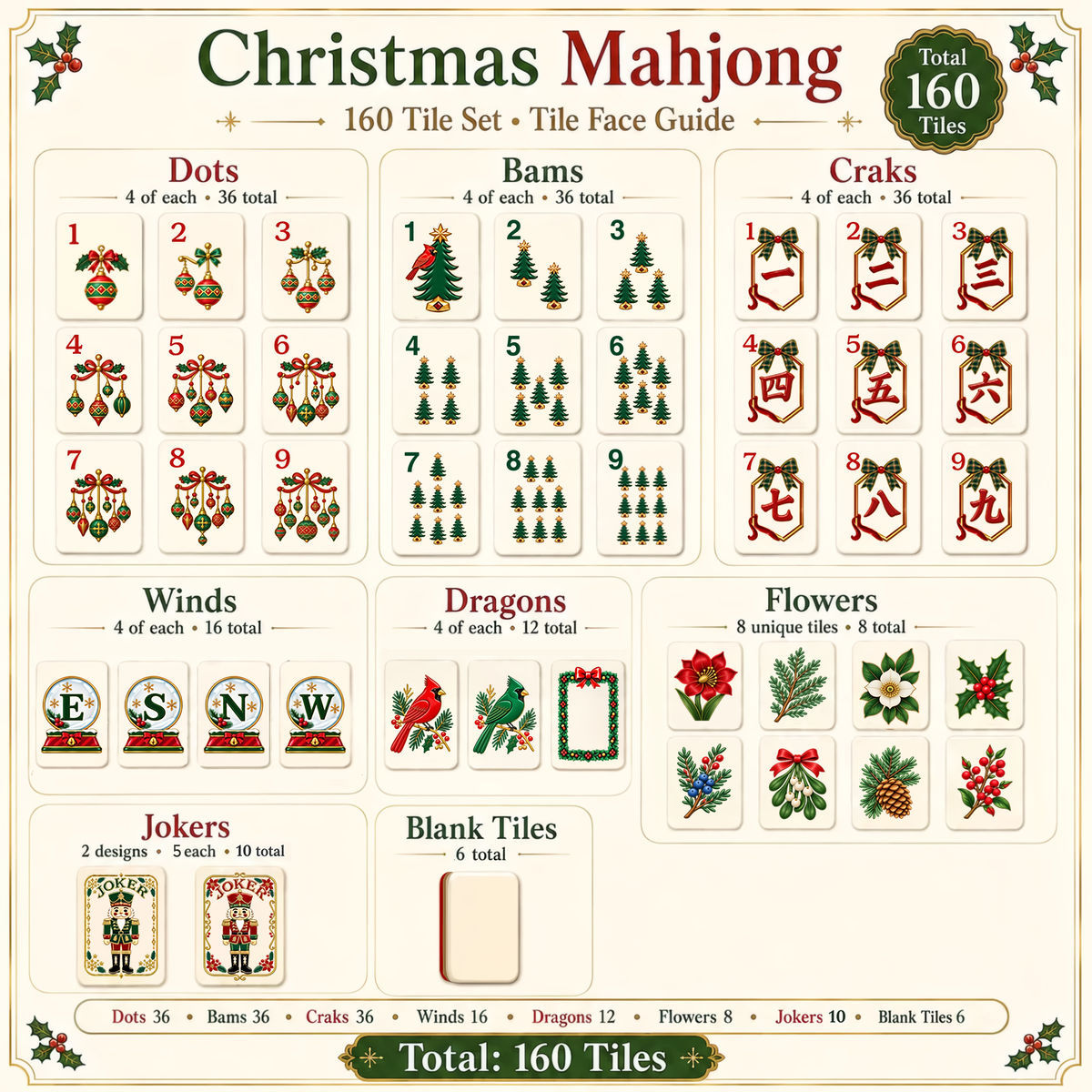
Resin acrylic mahjong tiles clean best with a soft, lint-free cloth slightly dampened with distilled water—never tap water, which leaves mineral residue. For light dust, dry-wipe only. For fingerprints and oils, use a microfiber cloth with a drop of distilled water; wring it so no liquid drips. Dry immediately with a second clean cloth. Avoid alcohol, acetone, harsh detergents, and abrasive scrubbers: these damage acrylic finishes and fade engravings. For stubborn grime, add one drop of mild dish soap to distilled water, wipe gently, then dry completely. Store tiles in a breathable bag or case to minimize dust accumulation between sessions. Most players clean tiles monthly or after heavy use; quarterly is standard for casual games. Never soak tiles or spray them directly.
Resin acrylic mahjong tiles attract dust, oils, and grime from regular play. Proper cleaning extends their lifespan and keeps engravings readable.
Why Do Resin Tiles Need Special Care?
Acrylic resin tiles are porous at the microscopic level, even though they feel smooth. Fingerprints, chalk dust from shuffling, and food residue settle into tiny surface crevices and can cloud engravings or dull the tile face. Unlike bamboo or bone, resin tiles can be damaged by harsh chemicals—acetone, bleach, and even some rubbing alcohols dissolve or crack the material. Weekly play surfaces leave a film of skin oils and dust that accumulates fast. Cleaning them the right way keeps tiles looking sharp and ensures the artwork or personalization stays visible.

What Supplies Do You Actually Need?
You need three items: distilled water, soft cloths, and nothing harsh. Microfiber cloths (like eyeglass cleaners use) are ideal—they trap dust without scratching. Paper towels work but leave lint; avoid them if possible. Mild dish soap diluted in distilled water handles stubborn spots. Skip alcohol, acetone, bleach, and furniture polish entirely. Some players keep a small spray bottle of distilled water at the table to wipe tiles immediately after someone handles them during a game—this prevents oil buildup. A breathable drawstring bag or closed case protects tiles between sessions better than leaving them exposed on a shelf.
🎁 See our most-loved mahjong sets & accessories →
Step-by-Step Cleaning Routine
For regular dust: Lay tiles face-up on a flat surface. Use a dry microfiber cloth and wipe each tile with light, circular motions. Pay special attention to the number engravings and character faces. Flip and repeat on the back.
For oils and fingerprints: Dampen a microfiber cloth with one drop of distilled water per tile you're cleaning (so a light mist, not wet). Wipe each tile once, then dry immediately with a second clean, dry cloth. Never let water sit on the tile.
For dried grime or stains: Mix one drop of mild dish soap into a cup of distilled water. Dip a cloth corner so it's barely damp, wipe the affected tile gently, then dry with a clean cloth. Repeat if needed, but usually once is enough.
Storage: Store tiles in a breathable mahjong bag or case to block direct dust but allow air circulation. Avoid sealed plastic bags for long-term storage—moisture can accumulate inside.
Cleaning Scenario | Method | Frequency | Drying Time |
Casual weekly game | Dry microfiber wipe | After every session | Immediate |
Heavy play (2+ times weekly) | Damp cloth + distilled water | After each game | 2–3 minutes |
Visible grime or stains | Mild soap + distilled water | As needed | 5 minutes |
Pre-tournament prep | Full gentle clean + inspection | 24 hours before | Overnight air-dry |

Common Mistakes That Damage Tiles
Using tap water: Minerals in tap water leave white spots on acrylic, especially after repeated cleaning. Distilled water is cheap and worth the investment.
Rubbing alcohol or hand sanitizer: These can cloud resin finishes and fade engravings over time. Many players instinctively reach for alcohol when thinking "clean"—resist it.
Wet tiles during play: Leaving damp tiles on the mat causes warping and can blur engraved text. Always dry completely before returning tiles to the bag.
Stacking wet tiles: Pressure between wet tiles can cause them to bond slightly or develop flat spots where they touched. Lay cleaned tiles flat to dry.
Storing in sealed plastic: Humidity builds up inside ziplock bags and can cause discoloration or fogging inside the acrylic. Use breathable bags instead.
Aggressive scrubbing: Scratching the tile surface with rough cloths or sponges dulls the shine and can wear away fine engraving details. Gentle circular motions, never scrubbing.
How to Protect Engravings During Cleaning
Engravings in engraved American mahjong sets are one of the most delicate parts of the tile. Dust and oils hide in the grooves and make personalized sets look less vibrant. When wiping, move your cloth across the engraving direction (side-to-side if the text runs vertically) so you're not pushing debris deeper into the grooves. Use a dry cloth first to lift loose dust, then a barely damp cloth if needed. For stubborn buildup in deep engravings, a soft toothbrush damp with distilled water can gently dislodge grime—but only if you're comfortable being very gentle. Most players stick to cloths and avoid brushes to be safe.
✨ Find your Mahstead set — free US shipping →
When to Replace Tiles vs. Keep Cleaning
Most resin tiles last years with basic care. Replace them only if: the surface is cracked or cloudy inside (sign of water damage), engravings are worn completely flat, or tiles are warped so they don't lay flat. Small scratches, minor cloudiness from mineral residue, or faded artwork are normal wear. These don't affect gameplay and can be managed with gentle cleaning. If you've invested in personalized or custom engravings, preventive cleaning now saves regret later—a small amount of care every month keeps tiles looking gallery-quality far longer than people expect.
What to Check Before You Buy
If you're shopping for a new best-selling set or replacements, verify that the tiles are acrylic resin (not bone or bamboo, which need different care). Ask the seller if the engravings are laser-etched or painted—laser engravings are more durable under cleaning. Confirm the set includes a bag or case; storing tiles properly is half the battle. Check the tile finish: matte finishes hide fingerprints better than glossy ones, so they need less frequent cleaning. For frequent players or tournament use, sets with scratch-resistant coatings or harder resin compounds justify the investment over time because they look sharper longer.

FAQ
Can I use Windex or glass cleaner on mahjong tiles?
No. Glass cleaners contain ammonia and alcohol, which damage acrylic resin and fade engravings. Stick to distilled water and soft cloths only.
How often should I clean my tiles if I play weekly?
A quick dry-wipe after each session keeps dust off. A full damp-cloth cleaning once a month is plenty for casual play; heavy players might clean every two weeks.
My tiles have white cloudy spots. Can I fix them?
Those are usually mineral deposits from tap water. Try wiping with a cloth slightly damp with distilled water and drying immediately. Repeat gently a few times. Stubborn spots may be permanent damage; use distilled water going forward to prevent new ones.
Is it safe to clean tiles while they're on the mat?
No. Remove tiles from the mat first, clean them on a separate surface, and dry completely before returning. Water on the mat can warp tiles or seep into seams.
What's the best way to store cleaned tiles long-term?
Use a breathable mahjong bag or hard case in a cool, dry closet. Avoid sealed plastic, direct sunlight, and damp basements. Check tiles every few months—light dust is normal and doesn't require cleaning unless you're preparing to play.
Can I use a microfiber cloth designed for eyeglasses?
Yes. Those cloths are perfect—they trap dust and oils without scratching. Many players keep eyeglass-style microfiber cloths specifically for tiles.


View More
View More
View More
