
How Long Do Urea Mahjong Tiles Last?
Last updated: Nov 23, 2026
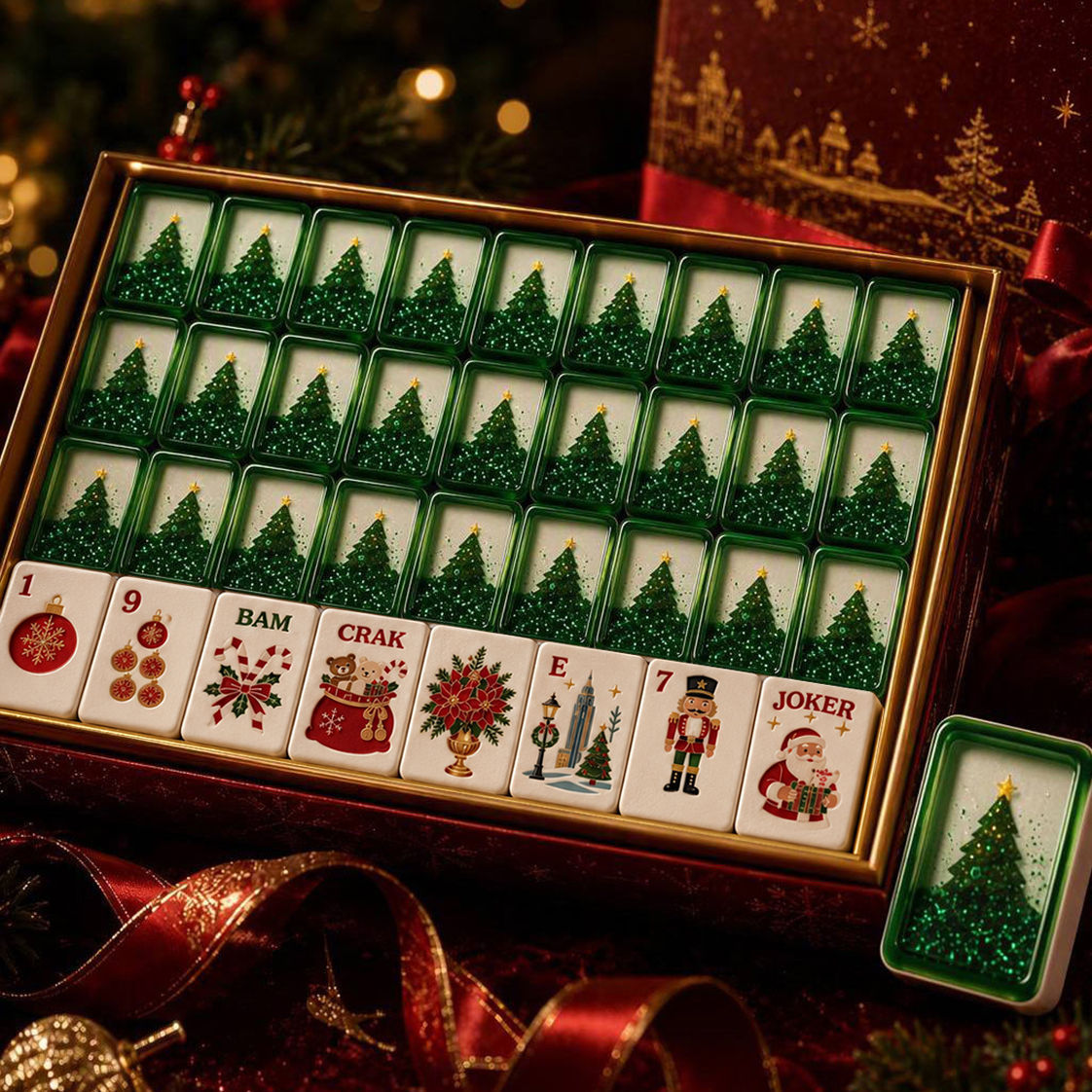
Urea mahjong tiles last 10–20 years under typical weekly play, compared to 3–7 years for bamboo or bone. Lifespan depends on material density, resin quality, how often tiles are shuffled, whether jokers are treated as expendable, storage humidity, and whether you play on a padded mat or hard surface. High-grade urea resists chipping, staining, and fading better than lower grades; cheaper sets yellow or crack sooner. We've seen players retire bamboo sets after five years while urea sets from ten years ago still stack cleanly. Storage in a case with stable temperature matters more than you'd think—humidity extremes warp tiles. The best protection: play on a mat that absorbs impact, shuffle gently, and store in a cool, dry place. Mahstead's engraved American mahjong sets use premium-grade urea formulated to resist yellowing and chipping for decades of games.
Urea mahjong tiles typically last 10–20 years under typical weekly play, far longer than bamboo or bone. Lifespan depends on material density, resin quality, how often tiles are shuffled, whether jokers are treated as expendable, storage humidity, and whether you play on a padded mat or hard surface. High-grade urea resists chipping, staining, and fading better than lower grades; cheaper sets yellow or crack sooner. We've seen players retire bamboo sets after five years while urea sets from ten years ago still stack cleanly. Storage in a case with stable temperature matters more than you'd think—humidity extremes warp tiles.
🀄 Shop best-selling mahjong sets →
What makes urea tiles more durable than other materials?
Urea is a synthetic polymer that resists moisture, UV light, and impact better than bamboo, bone, or cheap phenolic resins. Bamboo absorbs water, softens, and splits; bone stains and becomes brittle. High-grade urea is molded under pressure and doesn't absorb humidity the way natural materials do. The ink or engraving on urea tiles also adheres better—painted designs on bamboo rub off. When you compare the same tile after five years of weekly play, urea keeps its color and face definition; bamboo fades and develops soft edges. Grade matters: premium urea tiles feel heavier, stack tighter, and have sharper edges longer than budget urea, which can yellow and become chalky within a few years.

How does play frequency affect tile life?
A set played twice a week will show wear twice as fast as one played monthly. Tiles chip from shuffling—the more you shuffle, the faster corners blunt. Jokers, which are handled more often because players swap them in and out of hands, fail first. In a weekly game group, you'll notice the red 5 Craks or white dragons wearing before the 9 Dots, simply because those are called more often. If your set is played daily in a training center or mahjong parlor, urea tiles last 3–5 years instead of 10–20. Gentle shuffling on a padded mat extends life; rough shuffling on a hard table chips tiles faster. One way to measure: if a tile develops a visible flat spot on one corner after six months, that's accelerated wear, usually from hard shuffling or dropping.
What role does storage play in longevity?
Temperature and humidity swings cause tiles to expand and contract, cracking the resin over time. A set stored in an unheated garage that freezes in winter and heats in summer will crack sooner than one kept in a climate-controlled closet. Humidity above 60% can cause slight warping; below 30% can make tiles brittle. The best storage: a padded case or box in a dry room between 40–60% humidity and 65–75°F. Cases with foam inserts protect tiles from rattling and impact. If your set lives in a tile bag or loose box, tiles press against each other under their own weight, which can micro-crack stressed edges. We recommend keeping your set in a case between games; it's not just about organization—it's about preservation. A travel bag or case protects tiles from humidity swings and impact damage that shorten lifespan by years.
Which wear patterns signal when a urea set is aging out?
Visible signs: corners flatten or chip, faces yellow or cloud, edges lose sharpness, and tiles rock slightly when stacked (a sign the underside is warping). If the green or red dragons develop a milky white bloom, that's oxidation starting. Functional wear: tiles stick or catch when shuffled, the surface feels slick (protective finish worn off), or jokers separate from the rest (they're softer and wear fastest). Once tiles begin rocking in the stack, they're near the end of playable life—the warping will accelerate. At that point, a set is still playable casually but not for serious games where precision matters. Most of us notice this around year 8–12 for weekly-play sets. Replace jokers first if they wear out alone; replace the full set if multiple tiles show damage because mismatched wear affects gameplay.

How can you extend the life of your urea tiles?
Play on a mat. A quality padded mat absorbs shuffling impact, reducing chipping by an estimated 30–40% compared to hard tables. The cushioning also makes tiles less likely to bounce or crack when drawn. Shuffle gently. Fast, hard shuffles chip corners faster. Use racks with pushers to minimize hand-shuffling; these protect tiles by organizing them without constant handling. Store properly. Keep your set in a case in a cool, dry place; remove it 30 minutes before play to let it acclimate. Treat jokers as expendable. Don't retire a full set because two jokers are damaged; jokers wear first because they're swapped constantly. Some players keep spare jokers on hand. Avoid temperature shocks. Don't leave a set in a cold car overnight then bring it into a warm room—let it acclimate slowly. Clean gently. Wipe tiles with a soft, barely damp cloth; never soak them. Dirt under tiles during shuffling acts like sandpaper.
Condition | Lifespan Signal | Action |
Corners sharp, faces bright | Years 1–5 | Keep playing; store in case |
Slight dulling, no chips | Years 5–10 | Monitor; play on mat always |
Visible flat spots, yellowing | Years 8–15 | Replace jokers; plan replacement |
Rocking stack, cloudy faces | Years 12–20 | Retire set; start backup |
🎁 See our most-loved mahjong sets & accessories →
What's the cost-benefit of investing in premium urea over budget urea?
Premium urea sets cost more upfront but last 10–20 years versus 3–7 for budget urea. If you play weekly, that's 500+ games per year. Over ten years, a premium set spreads its cost across 5,000+ games; budget urea might only cover 1,500–2,000 games before tiles yellow or crack. Premium urea also feels better—heavier tiles, sharper edges, deeper engraving. The best-selling mahjong sets use premium-grade urea specifically formulated to resist yellowing, chipping, and warping. For a casual player (monthly games), budget urea is fine. For a weekly group, premium urea pays for itself. For daily or training play, premium is essential. Don't confuse "urea" with "plastic"—cheap plastic sets (acrylic or low-grade phenolic) fail in 1–3 years and aren't worth buying.
✨ Find your Mahstead set — free US shipping →
What to check before you buy
Material grade. Ask or check the listing for "premium urea" or "high-grade urea," not just "urea" or "plastic." Weight is a proxy: tiles should feel substantial in your hand (around 8–10 grams each), not light or hollow. Tile finish. Engraved or printed? Engraved (carved into the tile) lasts longer than surface-printed because wear doesn't remove the design. Storage. Does the set come in a case? A bag isn't enough for long-term storage. Joker design. Some sets use softer jokers; others use the same material as playing tiles. Uniform material lasts longer. Warranty or return policy. Reputable makers stand behind their tiles for years. If tiles yellow or crack within the first year of normal play, that signals poor-grade urea. Play-tested lifespan. Manufacturers who quote durability ("10-year tiles") usually back it because their users have proven it. Vague claims ("durable," "long-lasting") often hide mediocre material.

FAQ
Do engraved tiles last longer than printed tiles on urea?
Yes. Engraving cuts the design into the tile material itself, so it never wears off. Printed designs sit on the surface and fade with shuffling. After 5–10 years, printed tiles lose face clarity; engraved tiles remain crisp.
Can I replace individual tiles if some wear out?
In theory, yes—but matching the exact shade and wear of the remaining tiles is nearly impossible after a few years. Most players replace the full set. Jokers are an exception; spare jokers can be swapped in without affecting gameplay.
Does humidity really warp urea tiles?
Yes, extreme humidity (above 70% or below 25%) causes minor warping over months. You'll notice tiles rock slightly when stacked. Humidity between 40–60% keeps urea stable. A sealed case buffers humidity swings better than open storage.
What's the difference between a 152-tile and 160-tile urea set in terms of durability?
The extra 8 tiles in a 160-tile set are spares (extra jokers and blanks). Durability is identical—they're the same material. The spares are there so you have replacements if one tile chips or cracks, extending the life of your full playable set.
How do I know if my urea tiles are actually premium grade or budget grade?
Premium urea feels heavier, stacks tightly without rocking, has sharp edges after years of play, and resists yellowing and cloudiness. Budget urea feels lighter, tiles rock or flex slightly even when new, edges dull quickly, and faces yellow within 2–3 years. Weight and how tight a stack feels are reliable indicators.
Should I replace my bamboo or bone set with urea now or wait until it breaks?
If you play weekly, replacing now makes sense—bamboo or bone sets wear out in 3–7 years anyway. If you play monthly or less, wait. If you love your current set and it's still playable, keep it as a backup and buy a premium urea set for regular play.


View More
View More
View More
