
How Long Do Recycled Mahjong Tiles Last?
Last updated: Nov 23, 2026
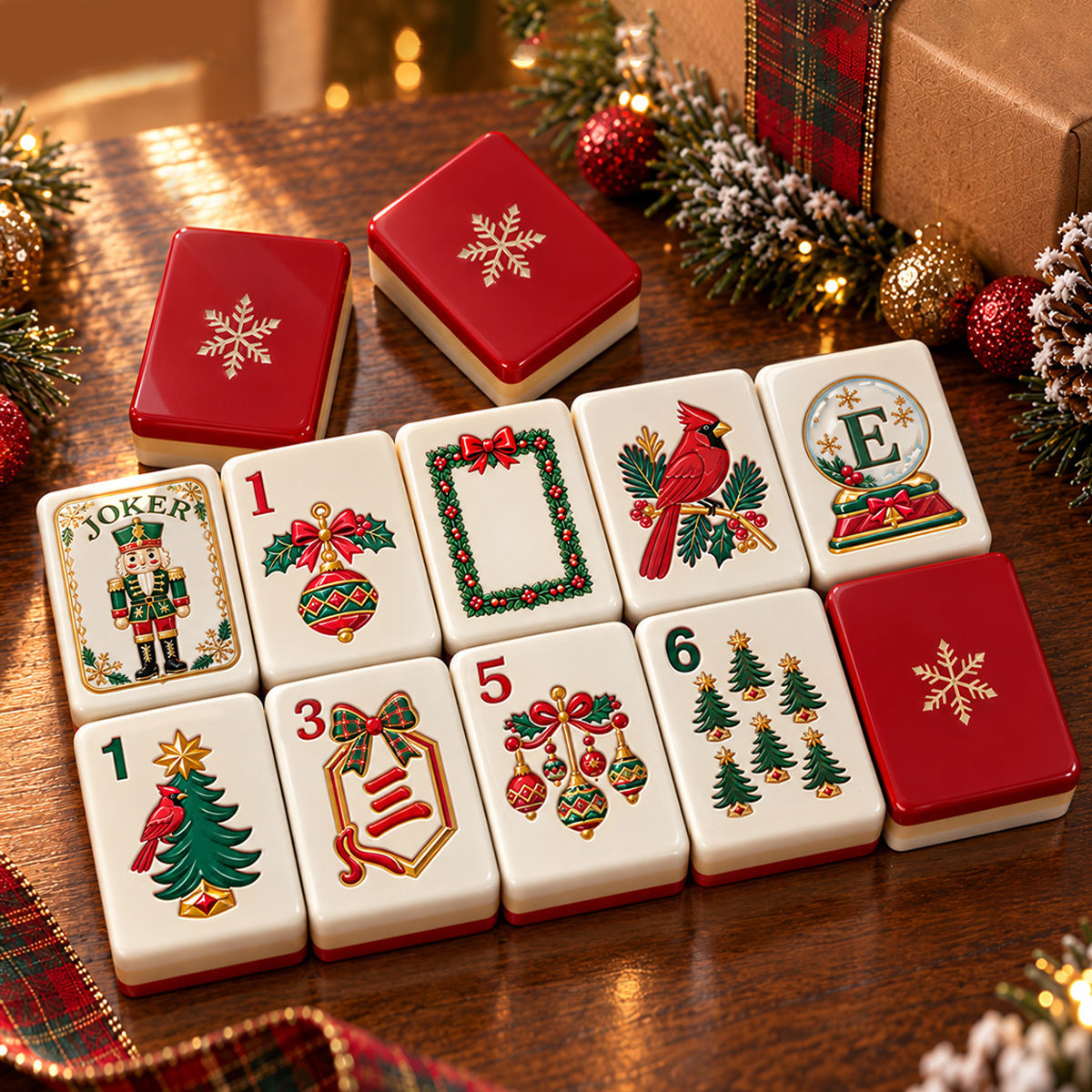
Recycled acrylic mahjong tiles last 5–10 years under typical weekly play, sometimes longer with routine care. The material resists moisture, warping, and UV fading better than bone or bamboo. Visible wear—face dulling, edge chips, joker peeling—appears around year 3–4 but doesn't stop play. Factors that extend life: sealed storage, cloth mats instead of bare tables, and shuffling gently. Factors that shorten it: direct sunlight, dampness, aggressive shuffling, and spill exposure. Professional sets made from recycled acrylic hold faces longer than cheaper resin. If tiles begin slipping or faces crack, a new set keeps your game reliable.
Why does acrylic outlast bone or bamboo?
Bone yellows, warps, and absorbs moisture within 2–3 years. Bamboo splinters and cracks from humidity. Acrylic, especially recycled grades used in American mahjong sets, is nonporous—it doesn't absorb water, swell, or fade significantly under indoor light. Acrylic also tolerates temperature swings (living rooms, basements, patios) without dimensional change. Bone and bamboo need climate control; acrylic needs only dryness and shade.

What does "worn but playable" look like at year 3–4?
Tile faces become dull or slightly cloudy; the print loses gloss. Edge chips appear where tiles stack or shuffle. Jokers may peel at corners if shuffled roughly. Pips (the dots, craks, bams) stay legible. Tiles still slide smoothly and stack; players still call hands normally. Many clubs play with sets at this stage for years more. Replacement isn't urgent—it's a choice about comfort and appearance, not function.
How should you store tiles between games to maximize lifespan?
Keep tiles in a sealed cloth or canvas bag in a cool, dark place—not on a sunny shelf, basement floor, or humid garage. Avoid cardboard boxes, which absorb moisture and don't protect from dust. Store the travel bag or case upright, away from heat sources and direct light. Empty any spilled drink immediately; let tiles air-dry fully before bagging. Check tiles annually for mold or discoloration—early signs of storage problems. A mahjong mat or cloth underneath during play also shields tiles from table stains and rough surfaces.
What habits shorten tile life the fastest?
Aggressive shuffling (slamming tiles together) chips edges and cracks faces. Shuffling on bare wood or stone tables accelerates wear; use a mat with felt or cloth backing instead. Spilling liquids—water, wine, tea—creates stains and weakens the adhesive on printed faces; wipe spills immediately and dry tiles. Storing tiles in sunlight or hot cars fades faces and causes warping in cheap resin. Playing outdoors on hot days can soften cheaper acrylic temporarily. Indoor play on a mat with gentle shuffling avoids most damage.

When is it time to buy a new set instead of repairing old tiles?
When tiles slip during stacking (the adhesive base fails), when cracks appear in the tile body (not just the face), or when joker peeling becomes widespread and distracts play, replacement is cheaper than repair. A professional replacement set from our best-selling mahjong sets costs less than attempting to glue or reface individual tiles. If your set is 8–10 years old and still playable but feels tired, upgrading to a set with a custom engraving (a personal touch that lasts) or a new mat adds fresh energy to your weekly game without sacrificing reliability.
Lifespan Comparison: Materials at a Glance
Material | Lifespan (weekly play) | Fading resistance | Moisture resistance | Breakage risk | Best for |
Recycled acrylic | 5–10 years | Excellent | Excellent | Low | Serious players |
Resin (cheap) | 2–4 years | Poor | Good | Moderate | Casual/gift use |
Bone & bamboo | 2–3 years | Moderate | Poor | High | Collectors only |
PVC | 3–5 years | Moderate | Good | Moderate | Casual play |
What to Check Before You Buy a New Set
Print adhesion: Hold a tile to light; no air bubbles under the face.
Edge finish: Edges should be smooth, not burrs or rough seams.
Weight and feel: Tiles should feel substantial, not hollow or flimsy.
Joker integrity: All jokers should have crisp faces; no peeling visible.
Tile back: Should be uniform color with no discoloration or stains.
Bag or case: Check that storage is durable cloth or reinforced plastic, not thin cardboard.
🀄 Shop best-selling mahjong sets →
How often should you replace tiles if you play multiple times weekly?
Casual weekly players (one game per week) see 5–10 years of life. Serious groups (3–4 games per week) see 3–5 years—more shuffling, more handling. Tournament play or club sessions (daily shuffling) can wear tiles noticeably in 2–3 years. Heavy play doesn't ruin acrylic quickly, but it does accelerate face dulling and edge wear. If your group plays intensely, buying a durable engraved set upfront—one that won't need replacement mid-season—is a smart investment. Pairing it with a quality mat and racks with pushers reduces tile damage from shuffling and stacking.
Can you refurbish or repair a worn set?
Repainting faces is possible but costly and often unreliable—new paint may peel faster than factory adhesive. Gluing chips back on tiles is temporary; the bond weakens with shuffling. Replacing individual tiles is impossible (manufacturers don't sell spares). The practical answer: when wear becomes annoying (not when tiles are still playable), buy a new set. Many players donate or pass down worn sets to learners; the durability is still good, just less pretty. A travel case for your backup or primary set protects the investment and keeps tiles organized between rotations.
✨ Find your Mahstead set — free US shipping →

FAQ
Do recycled acrylic tiles yellow over time like bone?
No. Recycled acrylic resists yellowing under normal indoor light. Bone tiles yellow noticeably within 2–3 years. Acrylic faces stay bright for 5–10 years if stored away from direct sunlight. If your set lives on a sunny shelf, move it to a dark drawer or bag to preserve color.
What's the difference between "recycled acrylic" and regular acrylic or resin?
Recycled acrylic is made from post-consumer plastic waste, offering the same durability as virgin acrylic at lower environmental cost. Cheaper resin (used in budget sets) is thinner and more prone to warping, staining, and face peeling. Professional sets use high-grade recycled or virgin acrylic for consistent thickness and print longevity.
Can I play with tiles that have chipped edges?
Yes, chipped edges don't affect gameplay. Tiles still shuffle, stack, and call normally. Many clubs play with lightly chipped sets for years. Replace only when chips become sharp (a safety concern) or when you prefer a fresher feel for your weekly games.
How does humidity damage tiles, and what humidity level is safe?
High humidity (above 60%) can warp bone and bamboo and degrade glue on resin tiles. Acrylic tolerates humidity well but is best stored below 50% relative humidity to prevent mold in storage bags. Avoid basements or damp garages; use a climate-controlled closet or sealed bag with a silica packet.
Is a mat necessary to extend tile life, or just nice to have?
A mat is essential for serious players. Shuffling directly on wood, stone, or plastic tables chips edges and dulls faces. A felt-backed or padded mat absorbs shuffling impact, reduces noise, and protects tiles. Casual games without a mat see 30–40% faster wear on edges and faces.
If I buy a new set now, how long will it last if I play weekly?
A quality recycled acrylic set with gentle play and proper storage should last 5–10 years. Pair it with a cloth mat and protective bag to maximize lifespan. Store in a cool, dark place and shuffle gently to reach the upper end of that range. 🎁 See our most-loved mahjong sets & accessories →


View More
View More
View More
