
How Long Do Catalin Mahjong Tiles Last?
Last updated: Nov 23, 2026
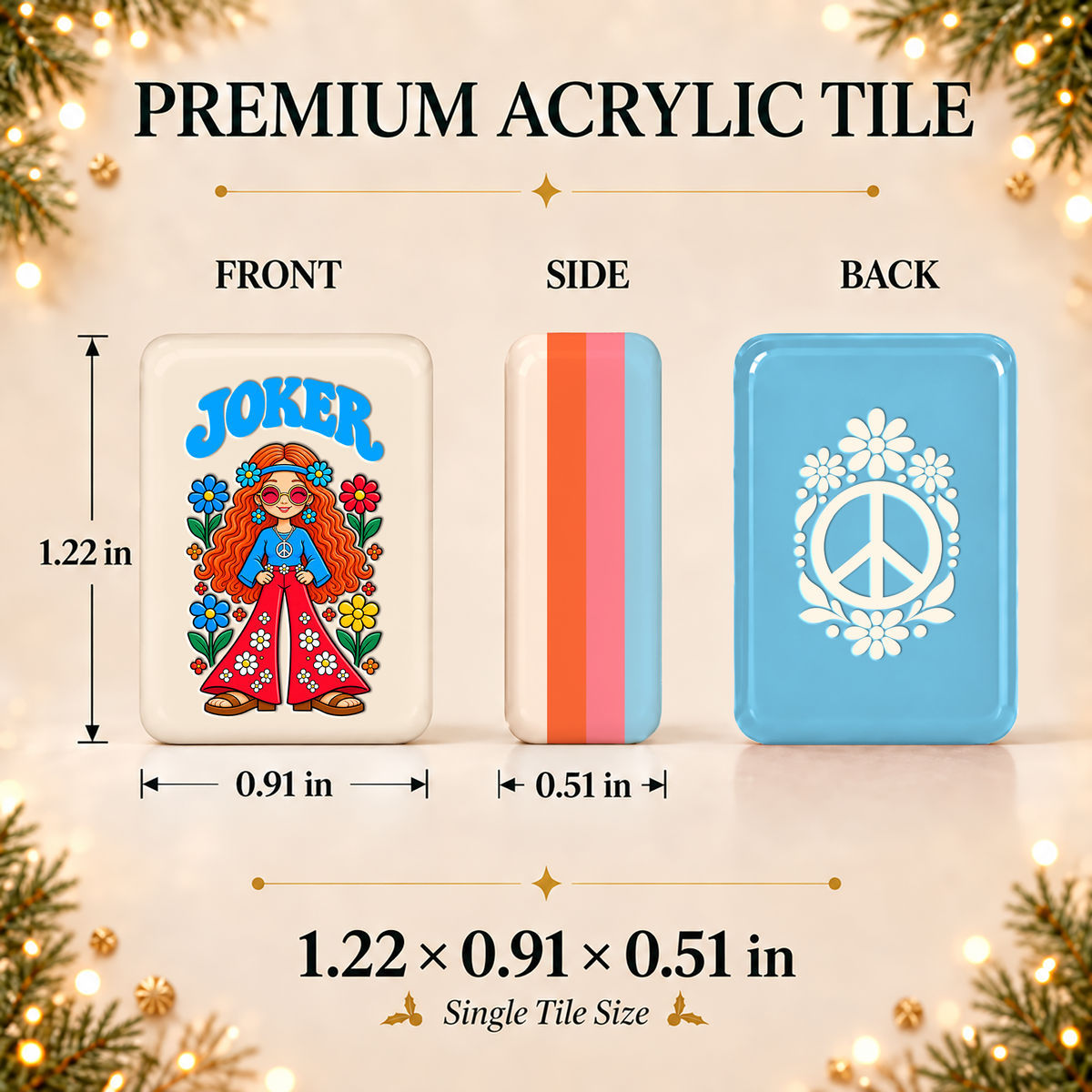
Catalin tiles (phenolic resin, made primarily mid-20th century) last 30–50+ years with proper storage, though they become brittle, discolor, and crack over time. Catalin is porous, absorbs oils and humidity, and yellows or browns with age and sunlight exposure. A well-kept vintage set may still play well after decades; neglected sets develop visible wear, chipping, and fading within 10–15 years. Modern acrylic tiles are far more durable (60+ years) because they resist moisture, UV, and thermal stress better. If you own a treasured Catalin set, store it in a cool, dry place away from direct light and humidity, use it infrequently, and accept that character marks are part of its history. For regular weekly play, acrylic is the practical choice. Mahstead's acrylic sets are designed to withstand years of consistent game nights without degradation.
Catalin tiles are treasured by collectors and players who love their warm translucent glow, rich colors, and vintage appeal—but they're fragile heirlooms, not everyday workhorses. Understanding what you own helps you decide whether to preserve it, play with it sparingly, or invest in a modern set for your regular games.
What makes Catalin tiles break down over time?
Catalin is a cast phenolic resin, sensitive to environmental stress. Humidity causes the resin to swell and shrink, warping edges and separating layers. Sunlight triggers chemical breakdown, darkening lighter colors and fading reds and greens. Heat cycles crack the brittle material; temperature swings between a hot car and air-conditioned room are especially damaging. Oil from hands and dust accumulation degrade the surface gloss and etch fine detail. A Catalin set stored in a humid garage or played on a sunny patio deteriorates far faster than one kept in climate-controlled darkness.

How do you spot aging in a Catalin set?
Early signs: slight yellowing, especially in whites and creams; tiny surface cracks that don't affect play; loss of gloss; faint discoloration around embossed numerals. Mid-stage wear: visible crazing (fine crackle pattern), chips on edges, some tiles warping slightly so they don't stack evenly, colors shifting toward brown or amber. Late-stage deterioration: deep cracks that split tiles, pronounced brittleness, tiles so warped they jam in racks, color fading so marked the suit symbols blur together. If you're pulling a Catalin set from storage after years, inspect each tile under good light and handle gently—old resin can fracture from impact after decades of hardening.
Should you play with vintage Catalin or just display it?
That's a personal choice. Playing accelerates wear: shuffling causes micro-fractures, humidity from fingers and breath seeps in, temperature swings in the venue stress the material. Playing once a month in controlled conditions (climate-controlled room, clean hands, dry mat) may cause minimal additional damage over years. Playing weekly or in variable conditions (humid basements, outdoor patios, cars in transit) noticeably ages a set within 3–5 years. If the set has sentimental or collector value, keep it safe and enjoy it visually. If you inherited it and want to actually play, accept that you're using it and enjoy the game—Catalin tiles were made to be played, and a played set carries honest patina. Many serious players reserve their vintage Catalin for display and use modern acrylic tiles for regular games instead.
How does acrylic tile durability compare to Catalin?
Acrylic (cast polymethyl methacrylate) resists moisture, UV light, and thermal stress far better than Catalin. A quality acrylic tile endures 60+ years of regular play without visible yellowing, warping, or cracking if stored at room temperature away from direct sun. Acrylic is tougher: dropped acrylic tiles may chip or crack if hit hard, but they don't craze or become progressively brittle with age. Acrylic shuffles smoothly thousands of times without surface degradation. The tradeoff: acrylic lacks Catalin's translucent depth and vintage charm—it's more uniform, clearer, sometimes colder to the eye. For weekly games, acrylic is the economical, low-maintenance choice. For collectors wanting period authenticity or that nostalgic Catalin glow, the fragility is part of the value proposition.

Storage and care: how to slow Catalin tile aging
Climate control: Keep Catalin sets in a climate-controlled room (65–72°F, 40–50% relative humidity). Basements, attics, garages, and sheds are enemies of Catalin durability. Light: Store in a closed cabinet or opaque box away from windows and direct sunlight. UV exposure is the single largest accelerator of discoloration. Moisture: Use silica packets in sealed storage boxes during humid seasons. Never store Catalin in damp spaces. Handling: Wear clean, dry hands; keep food and beverages away from play. Frequency: Limit play to once or twice monthly if you're trying to preserve a set. Transportation: Use a padded bag or case if you must move Catalin tiles; never toss them loosely in a car. Store them indoors immediately after play, not in a hot vehicle.
Tile Material | Typical Lifespan (Ideal Storage) | Lifespan (Weekly Play) | Key Weakness | Best Use |
Catalin (Vintage) | 30–50+ years | 10–15 years | Humidity, UV, thermal stress | Occasional play, heirloom display |
Acrylic (Modern) | 60+ years | 60+ years | None significant | Weekly games, travel, humid venues |
Bakelite (Rare) | 20–40 years | 5–10 years | Brittleness, delamination | Museums, collectors only |
🀄 Shop best-selling mahjong sets →
What to check before you buy or inherit a Catalin set
If you're considering a vintage Catalin set—whether purchasing, inheriting, or gifting—examine it first. Look for deep cracks (game-ender), widespread crazing (playable but fragile), lost or replaced tiles (check the full 152-count), and whether all tiles are original Catalin (mixed materials are common in old sets). Ask the seller or donor about storage history: a set kept in a cool closet is far better than one stored in a basement or garage. Test a few tiles for brittleness by gently flexing them (they should feel solid, not brittle). Check if the set includes all eight flowers and all jokers; missing tiles mean you can't form complete hands. If you're a serious weekly player and considering Catalin as your main set, be honest about the commitment to climate control and infrequent use—it's not practical for a busy game group.
Modern engraved acrylic sets eliminate this fragility entirely. You can engrave a set with names, dates, or club logos, personalize it for gifts or tournaments, and play without worry. Acrylic withstands repeated shuffling, humidity, temperature changes, and casual neglect. It's the smart choice for anyone hosting regular games.
🎁 See our most-loved mahjong sets & accessories →
Real-world wear patterns: lessons from longtime players
We've seen sets from players who've owned the same Catalin tiles for 30+ years. The winners: kept in a bedroom closet, played indoors only, handled carefully. Those sets still look lovely, though they show character—slight discoloration, maybe one replaced tile. The cautionary tales: sets stored in garages or played outdoors in varying weather, or shuffled intensively twice weekly. Those deteriorated noticeably within 10–12 years, with visible crazing, warping, and color shift. One recurring surprise: sets that traveled in car trunks (temperature swings, humidity trapped inside cases) aged faster than sets played weekly but stored indoors. The lesson is clear: environment matters more than use frequency.
If you're launching a regular game group or upgrading a tired set, browse durable acrylic options that will outlast your gaming circle. If you inherit or treasure a Catalin set, treat it as art and a memory, not as a daily tool—reserve it for the occasional nostalgic game with fellow collectors, and use modern tiles for your serious play.
✨ Find your Mahstead set — free US shipping →

FAQ
Can you fix cracked or warped Catalin tiles?
Minor cracks won't affect gameplay, but deep splits require tile replacement. Warping is permanent. Some tile restorers refinish surfaces, but results vary. Replacement is more practical than repair for Catalin; acrylic is cheaper to swap out.
Why do some old Catalin tiles look brown or amber instead of their original color?
Catalin undergoes chemical breakdown in sunlight and heat, shifting translucent reds toward orange-brown and greens toward yellow-brown. This is irreversible aging; storage in darkness slows but doesn't stop it.
Is vintage Catalin worth more money than modern acrylic tiles?
Yes, if it's a complete set in good condition, Catalin has collector value. Damage, missing tiles, or mixed materials reduce value significantly. Modern acrylic is priced for durability and play, not investment.
How often should you play with a Catalin set to keep it "alive" without wearing it out?
Once monthly or less is ideal for long-term preservation. Weekly play is possible if storage is perfect (climate-controlled), but expect visible aging within 5–10 years.
What's the best way to transport a Catalin set if I must move it?
Use a padded case or soft bag; wrap tiles individually or in small groups; avoid temperature extremes during transport; store indoors immediately after arrival. Never leave tiles in a hot car.
Do modern acrylic tiles yellow or discolor over decades?
Quality acrylic resists yellowing far better than Catalin. After 20–30 years of storage indoors away from direct sun, acrylic remains clear and vibrant; Catalin typically shows noticeable color shift.


View More
View More
View More
