
Riichi Mahjong Suuankou Rules: Hand Types and Scoring
Last updated: Nov 23, 2026
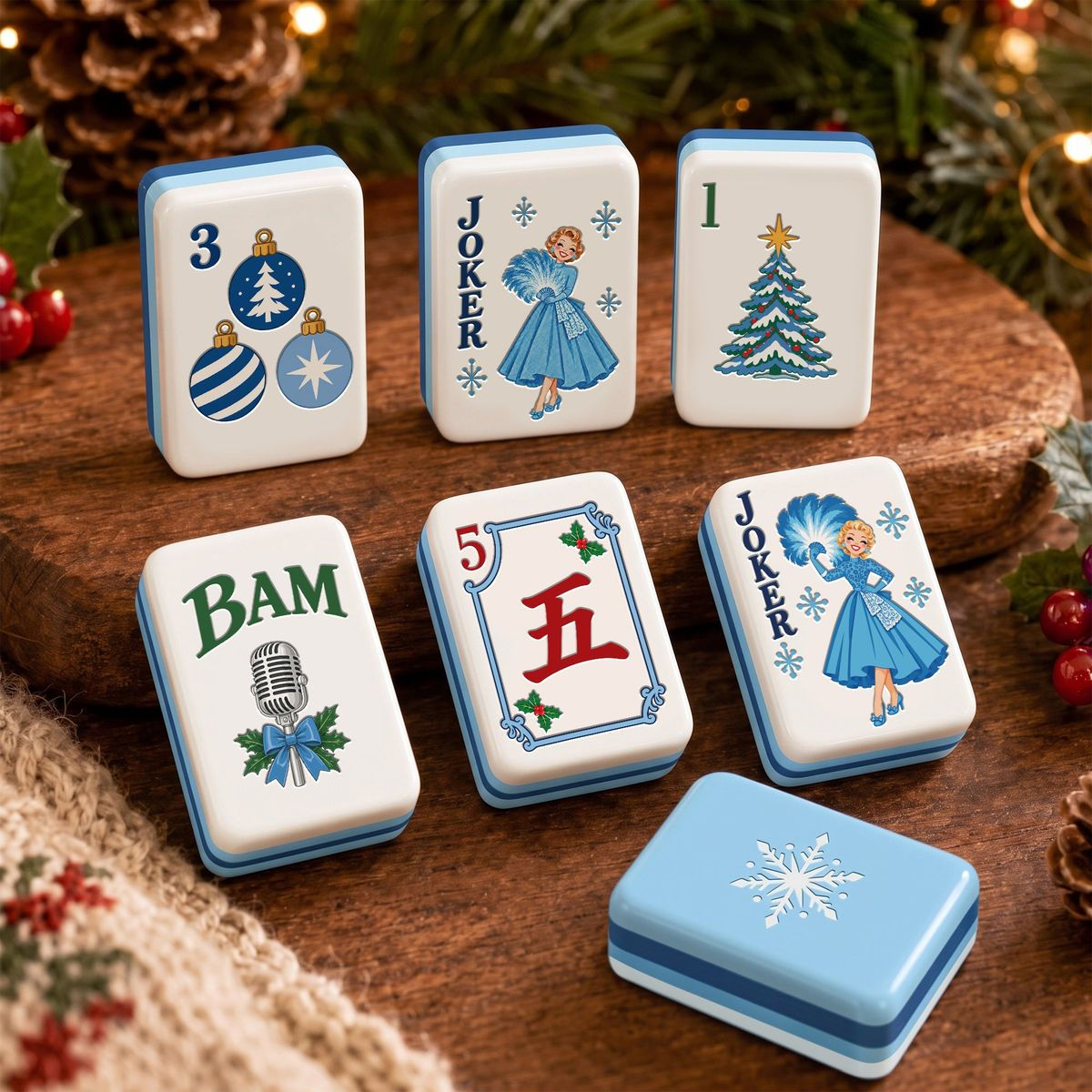
Suuankou (四暗刻, literally "four concealed") is a winning hand in riichi mahjong composed entirely of four hidden pungs (three identical tiles each) plus a pair, with no melds exposed on the table. You build it by drawing and discarding alone—never calling a pung, kong, or chow from another player's discard. The winning tile can be drawn from the wall (self-drawn, tsumo) or taken from a discard, though some rule sets award fewer points for the latter. Suuankou scores 2,000 points for non-dealer or 3,000 for dealer in basic scoring (mangan equivalent), though exact values vary by ruleset. Riichi mahjong differs fundamentally from American mahjong: it uses a 136-tile Chinese set, allows sequences (chows) and exposed melds, requires a declared hand and ready state (riichi), and draws from a live wall before the discard pile. Players hosting riichi games should clarify scoring rules beforehand, as regional variants and tournament standards differ significantly.
What exactly counts as a concealed pung in suuankou?
A concealed pung is three identical tiles held in your hand throughout the entire game—you never expose it by calling (taking another player's discard) or melding it on the table. If you form a kong (four identical tiles) and keep it hidden, that also counts toward suuankou; the fourth tile remains in your hand. The pair can be any two identical tiles. The moment you expose any pung or chow, you lose suuankou eligibility entirely—you cannot claim suuankou if even one meld is face-up on your rack.

How does a self-drawn win affect suuankou scoring?
In riichi mahjong, a self-drawn win (tsumo) typically awards bonus points beyond the base hand value. Suuankou by self-draw is often called "suuankou tanki" (four concealed pungs with single wait), the rarest form, and may earn the full mangan or even more in some scoring systems. A win on an opponent's discard ("suuankou ron") usually scores lower—sometimes half the mangan value—because you called the winning tile rather than drew it yourself. Tournament rules and regional standards vary; always confirm the exact point scale before playing with a new group.
Why is suuankou so difficult to complete?
Building four hidden pungs requires drawing eight tiles that form complete sets before anyone wins—statistically unlikely in a fast-paced riichi game. You must also avoid creating obvious discards that trigger riichi calls from opponents, blocking their own winning chances and triggering defensive play. If another player draws their winning tile before you complete all four pungs, the hand ends and you score zero. The longer you wait, the higher the chance someone else wins and resets the tile wall.

What's the difference between riichi and American mahjong hand rules?
American mahjong hands come from the year's National Mah Jongg League card and are fixed; suuankou does not exist as a legitimate hand because American mahjong plays 152 tiles in a fixed set, uses no sequences, and does not recognize concealment as a scoring principle. Riichi mahjong instead uses a 136-tile set, values concealed melds heavily, and recognizes dozens of named hand patterns—suuankou being one of the highest-value "yaku" (hand types). If you play both games, never assume a hand from one ruleset transfers to the other.
Aspect | Riichi Mahjong | American Mahjong |
Tile count | 136 tiles | 152 tiles |
Sequences allowed | Yes (chows) | No |
Concealment bonus | Yes (suuankou, suukantsu) | No |
Hand patterns | Named yaku (40+) | Fixed yearly card |
Dealer rotation | East, South, West, North | Rotates per game |
Point scale | Base + multipliers | Fixed per hand |
🀄 Shop best-selling mahjong sets →
How do scoring multipliers work when suuankou is combined with other yaku?
Riichi scoring multiplies hand value when you combine yaku (hand patterns). Suuankou already scores as a mangan (2,000 base); if you also declare riichi (a ready-hand call), you add a riichi bonus. If you win on the first discard after declaring riichi (ippatsu), you multiply again. Some rulesets allow "yakumanization," where suuankou stacks with other rare hands to create a "yakuman" (four times the highest value). The exact calculation depends heavily on ruleset—Mahjong Soul rules, East Asian tournament standards, and home-game variants all differ. Keep a scoring chart at the table and consult it openly before each hand begins.
What to check before you buy a riichi mahjong set:
Tile size and clarity: Ensure tiles are large enough to read suits and numbers without squinting (typically 25–28 mm). Check that the design—bamboo engravings, dragon carvings—won't fade after frequent use.
Pushers and racks: Riichi play moves fast and tiles shift constantly. Smooth pushers and racks with shallow grooves prevent tiles from jamming.
Carrying case quality: Riichi sets are played in clubs, tournaments, and homes; a durable bag with compartments keeps tiles sorted and protected.
Weight: Heavier resin tiles feel more stable during rapid draws and discards than lighter plastic.
Ruleset documentation: Confirm the set's included instructions match the scoring system you'll play (Japanese, Asian tournament, or local house rules).
🎁 See our most-loved mahjong sets & accessories →
For riichi players, we carry mahjong racks with pushers that hold tiles securely during quick plays, and travel bags and cases sized for 136-tile sets. If you're learning both riichi and American mahjong, our best-selling collection includes dual-game reference guides so you don't confuse suuankou (riichi) with American hand patterns.
✨ Find your Mahstead set — free US shipping →

FAQ
Can you win suuankou if you've already called one pung earlier in the hand?
No. The moment you expose or call any meld, suuankou eligibility is lost. All four pungs must remain hidden in your hand—never exposed on the table or called from another player's discard—from start to finish.
Does suuankou count as a yakuman in all riichi rulesets?
No. In basic riichi scoring, suuankou is a mangan (approximately 2,000–3,000 points depending on dealer status). In some advanced or tournament rulesets, suuankou by self-draw (tsumo) may be treated as a yakuman. Always confirm your group's ruleset before playing.
How many tiles do I need to draw to build suuankou before other players finish?
You need 14 tiles: 12 for four concealed pungs (3 tiles × 4 sets) plus 2 for a pair, assuming no chows or exposed melds. Since the riichi game moves quickly and players often finish by turn 4–6, suuankou completion within that window is rare—expect it once every 50–100 hands.
Is suuankou harder to achieve than other rare hands in riichi mahjong?
Yes, suuankou ranks among the hardest yaku. It requires pure luck (drawing exactly the right tiles) and perfect concealment (no exposed melds), unlike hands that can be built with calls. Suukantsu (four kongs) and certain yakuman patterns are equally or more difficult.
Can I win suuankou on the first round (*honba*) of a riichi game?
Yes. There is no rule preventing suuankou in the opening round, though the short tile pool and rapid play make completion even less likely than in later rounds. In practice, suuankou hands appear in 2–3% of games or fewer.


View More
View More
View More
