
Housewarming Mahjong Party: Cocktails, Setup & Tile Tips
Last updated: Nov 23, 2026
A housewarming mahjong party pairs the ancient game with modern entertaining—serve cocktails, set up an American mahjong game with four players, and let tiles, banter and ritual create the evening. American mahjong uses 152 tiles (four copies each of numbered Bams, Craks and Dots plus winds, dragons, flowers and jokers) played with the current year's National Mah Jongg League card to build legal hands. Before play begins, pass tiles in the Charleston. Set up near a dining or living room table, provide a mat to protect surfaces and organize tiles with racks; plan 2–4 hours for a mixed-skill group. Cocktails work best as a separate station so players aren't fumbling with drinks over the game—offer low-alcohol options since gameplay requires focus. Mahstead engraved sets let you personalize the gathering; custom mats and racks make hosting feel intentional and keep the tile exchange smooth.
Why mahjong makes a perfect housewarming activity
Mahjong moves slower than dice games, gives everyone equal airtime, and opens conversation during natural pauses in play. New homeowners and guests bond over learning or refreshing rules, and the game's structure means no one is left out waiting their turn. A four-player game on a good night runs 45 minutes to 90 minutes per round, so guests can join mid-evening, play one or two hands, and drift to cocktails without feeling rushed. The ritual—the Charleston tile-pass, the draw-from-the-wall, the "Mahjong!" call—creates memorable moments worth retelling. Unlike poker or bridge, mahjong carries no expectation of wagering, so the tone stays celebratory. For a housewarming, that's gold: everyone's focus is on the new space, the people and the game itself.
🀄 Shop best-selling mahjong sets →

What tiles and equipment do you need?
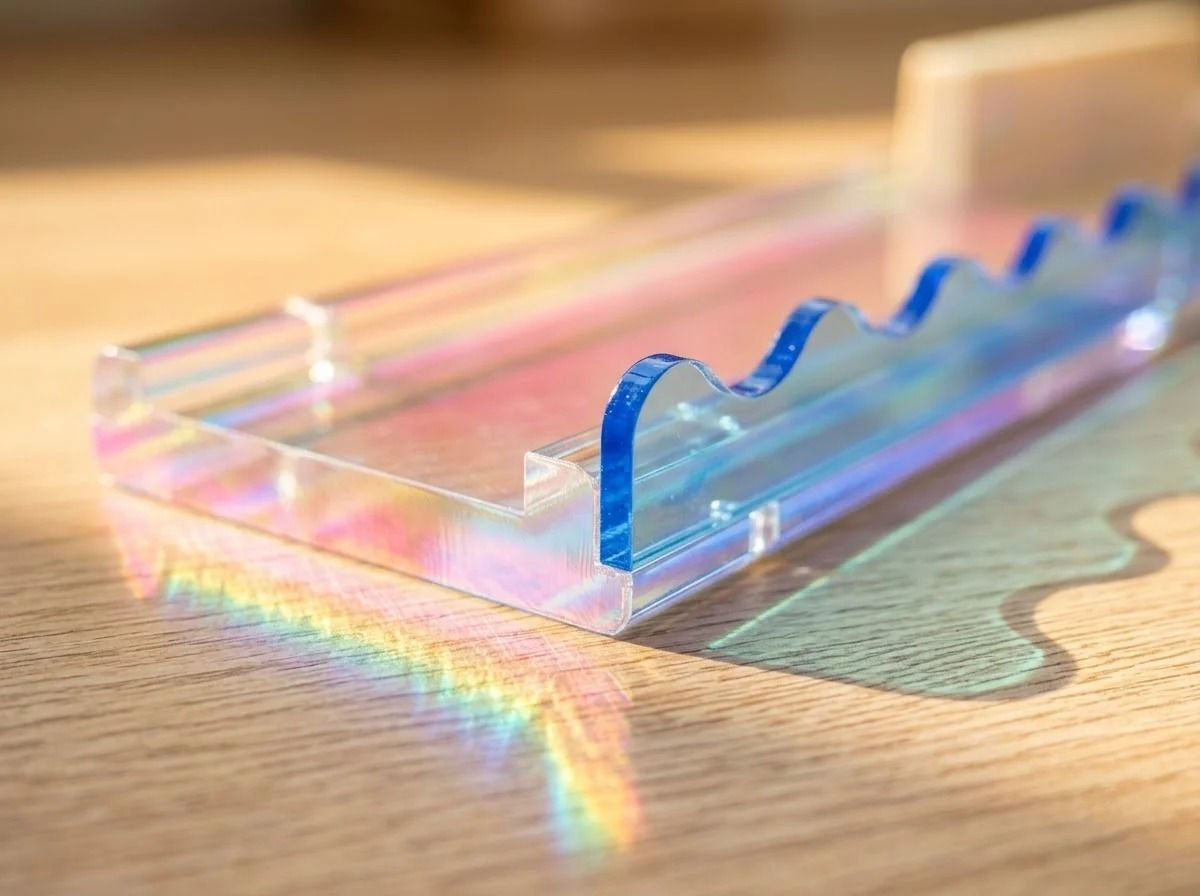
You'll need one standard American mahjong set (152 tiles plus jokers), a mat, a rack for each player, and one dealer's brush or tile pusher. A 160-tile set from our best-selling collection includes spares so you're covered if a tile cracks or gets lost mid-party. The mat protects your new furniture and keeps tiles from sliding—choose one that fits your table size. A set of four racks with pushers lets players organize their hand without bending or losing tiles; racks also make it easier for newer players to see the entire hand layout and track what's been discarded. If you're hosting regularly after the housewarming, a carrying bag means your set stays clean and portable. Don't buy a smaller set or skip the mat—professional-grade equipment feels better and runs smoother, especially when guests are learning.
How do you set up cocktails without disrupting play?
Create a self-service station at least three feet from the game table: bottle, ice, glasses, simple mixer (tonic, soda, lime) and a stir stick. Keep it stocked before players sit down so no one has to walk away mid-game asking "who wants a drink?" Pre-batch a signature cocktail (e.g., gin and tonic with fresh citrus, or whiskey sours) so guests can grab and go. Avoid sugary or staining liquids—wine and juice splatter on tiles and racks. Spirits with ice and soda are ideal because they're quick to pour and slower to drink than shots. Have water, sparkling or still, in a separate pitcher; focus and hydration keep the game lively. Set a "no drinking during the active tile draw" rule—it's informal but everyone understands it. The goal is lowering stress, not loosening strategy.
What's the best way to teach newcomers before play starts?
Spend 10 minutes before the Charleston showing one sample hand from the current year's card: walk through a simple pattern like a pung (three identical tiles) and an exposed kong (four identical tiles) so newcomers see what "legal" looks like. Don't memorize the whole card; use the card itself during play. Explain the Charleston—a ritual three-pass tile exchange—as "we all pass tiles left, then middle, then right, then you pass three to the player across"—practice it once without the game pressure. Set expectations: American mahjong has no sequences (chows) like 1-2-3; you build from pairs, pungs, kongs and jokers only. For a mixed group, pair each new player with a returning player at the same table if possible. Make it clear that the first 20 minutes will feel chaotic and that's normal. After one hand, everyone relaxes. The ritual and pattern recognition are intuitive once you've seen tiles move.
🎁 See our most-loved mahjong sets & accessories →

What gift-set options work best for housewarming hosts?
A mahjong set with engraved titles referencing the home—say, a new address or a funny saying—is memorable and personal without being corny. Pair it with a quality mat so the host has everything to host again. If the new homeowner already plays, a set with a witty or design-forward aesthetic (animals, retro, colors that match the home's style) shows you listen. Avoid cheap knockoff sets; the tiles will wear fast and frustrate players. For a group gift from neighbors or friends, pooling for a complete setup—set, mat, racks and a carrying bag—is the gold standard: the host can unbox it and host immediately. Include a note with the gift: "Looking forward to playing here"; it signals that the game is about gathering in the new space, not just gifting an object.
What common hosting mistakes should you avoid?
Mistake: hosting on a dining table with no mat. Tiles scratch furniture and guests worry about spills. A mat costs little and solves both.
Mistake: playing with a very old or mismatched set. Mixed tile sizes jam in racks; missing jokers stop the game mid-hand. A fresh set plays predictably.
Mistake: teaching on the fly. Spend 10 minutes before anyone sits down so early rounds feel purposeful, not frantic.
Mistake: too much alcohol. Mahjong requires counting and memory; sloppy players slow the game and create tension. Keep it social, not tipsy.
Mistake: no current-year card. The hand list changes annually; an old card makes the game unplayable. Every April, the National Mah Jongg League releases the new card. Check the year on yours before play.
Mistake: overcrowding the table. Four players is standard. Five or more requires house rules and slows play. Keep it to one table or run two simultaneous games.
Comparison: Setting Up Your Game
Element | What to Do | Why It Works |
Tiles | New or like-new set, all tiles present | Missing tiles or worn faces stop games; replacements cost more than a set |
Mat | Sized to your table, non-slip back | Protects furniture; keeps tiles from sliding; feels intentional |
Racks | One per player, with pushers | Organizes hands; helps newcomers see tiles; speeds up turns |
Card | Current year's National Mah Jongg League | Hands change annually; old cards make games unplayable |
Cocktail station | Separate from table, pre-stocked | No interruptions mid-game; guests self-serve |
Lighting | Bright overhead + table lamp | Tile faces are small; poor light stalls gameplay |
Seating | Comfortable chairs, good posture | Games last 1–2 hours; bad chairs create complaints |
What to check before you buy
Set completeness: confirm 152 playing tiles plus jokers. Count or verify the packing slip. A missing wind or dragon stops play.
Tile size and weight: medium-sized acrylic tiles (roughly 1 inch × ¾ inch) are easier to handle than tiny ones and slide smoothly in racks.
Mat dimensions: measure your table; a mat should overhang 2–3 inches on each side so tiles don't roll onto laps. Rubber back prevents sliding.
Rack fit: before play, test one rack with a real hand to ensure tiles slide smoothly. Cheap racks jam and frustrate players.
Card date: look for the year on the card. If it doesn't match the current year, you can't play legally.
Bag or case: if you're hosting more than once, a padded bag protects tiles during storage and transport.
✨ Find your Mahstead set — free US shipping →
Why a new home calls for new mahjong ritual
Hosting a housewarming mahjong party plants a tradition in the new space. Every time guests return—whether tomorrow or next year—they'll remember the tiles, the drinks, the laughter and the reason they first gathered there. A quality set and mat signal that you're serious about the game and about bringing people together. Over time, that set becomes part of the home's story. It's not just entertainment; it's a ritual that says we belong here, and we play here. For a homeowner new to the city or new to a phase of life, a first mahjong game in the new place is a quiet, joyful anchor. The tiles don't move far—usually just across the living room—but the memory does.

FAQ
Can I host mahjong with fewer than four players?
Yes. American mahjong adapts to 2 or 3 players with rule adjustments (draw timing, payout changes). See our 2 and 3 player mahjong rules guide for specifics. Four is ideal for a housewarming because it feels balanced and avoids the intensity of heads-up play.
What if a guest doesn't know how to play?
Spend 10 minutes before the Charleston showing one sample hand and explaining the tile-pass ritual. Pair them with an experienced player at the same table if possible. The first hand is always messy; laughter hides confusion. By hand two, they'll feel confident.
How long does a four-player game take?
One hand (a round of four players, each taking a turn as dealer) typically runs 45–90 minutes depending on experience level. Plan 2–3 hours for a casual housewarming with mixed skills and chat breaks.
Should I buy a mat if I already have a nice dining table?
Yes. Tiles scratch wood and acrylic in seconds. A mat costs far less than refinishing or replacing a table. It also signals to guests that you take the game seriously and care about the space.
Where do I find the current-year mahjong card?
The National Mah Jongg League releases a new card every April. Buy it from the League's website or from mahjong retailers. An old card (from last year or earlier) makes the game unplayable because hand patterns change annually.
Can I serve wine or beer during play?
Yes, but keep it light. Mahjong requires counting tiles, remembering discards and reading the card. One beer or wine spritzer per player is fine; anything more slows play and creates friction. Spirits mixed with soda or water work well too.
What's a good signature cocktail for a mahjong housewarming?
Low-alcohol, easy-to-batch options work best: gin and tonic with fresh lime, whiskey sours, or simple wine spritzers. Avoid sticky cocktails or anything that stains. Set up a self-serve station so players don't interrupt the game to ask for drinks.


View More
View More
View More
