
Mahjong Rack Bag for Beginners: What to Buy & Why
Last updated: Nov 23, 2026
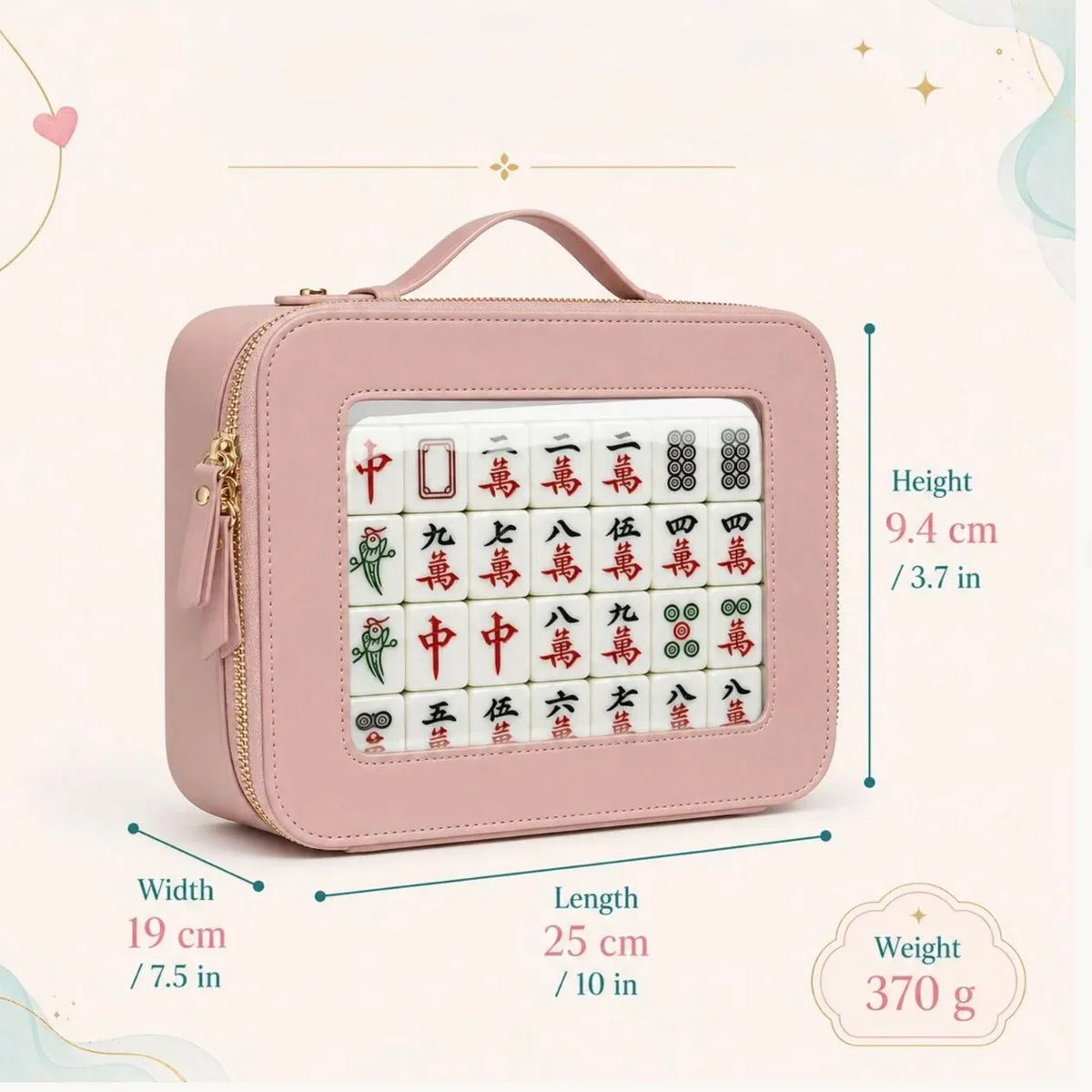
A mahjong rack bag is a carrying case designed to hold a complete set (152 tiles plus spares), tile racks with pushers, dice, and often a mat or mat bag. Beginners need one when they own their first set and plan to host or attend regular games. The main options are soft drawstring bags (light, compact, affordable), rigid cases with foam inserts (protective, professional), and hybrid designs with dedicated compartments. From our best-selling mahjong sets, most players pair their acrylic set with a bag that holds the tile tray and racks snugly—typically costing less than the set itself. The biggest beginner mistake is buying a bag that's too small; always confirm it accommodates your racks with pushers and a rolled mat. Mahstead offers several styles in the mahjong bags and cases collection, with free US shipping.
What's the difference between a bag and a case?
A bag uses flexible fabric or nylon and folds compactly when empty; a case has rigid walls or foam inserts and sits flat. Bags weigh less and fit into closets or under car seats. Cases offer better protection if you transport your set frequently or store it near moisture. For a beginner playing at home one or two nights a week, a bag is usually enough; if you're traveling between houses or hosting in different locations, a case prevents tile damage and keeps everything organized during setup.
🀄 Shop best-selling mahjong sets →

Do I need a bag before I start playing?
No—you can shuffle and play from a single tile pile or a cardboard box initially. But as soon as you own a set and want to host regular games or join a weekly group, a bag protects your investment and makes setup faster. Many beginners discover that a dedicated bag turns casual games into committed traditions; you're far more likely to invite friends over if you can grab your entire setup in one grab. Start with whichever style lets you transport your best-selling mahjong sets without stress.
Can a mahjong bag hold everything I need?
Yes—a full-sized bag should fit a 160-tile set (all tiles, jokers, and spares), one or two tile racks with pushers, a pair of dice, and a rolled mat. Most bags sold for mahjong are designed with separate pockets: a main compartment for the tile tray or a pouch holding the tiles in their original container, a side pocket for racks, and sometimes a zippered section for dice and cards. Beginners often overlook mat storage; if your bag has no mat pocket, roll your mat separately or store it in a dedicated mat bag. Check the bag's dimensions before ordering—a mat typically rolls to about 20 × 5 inches, so confirm the bag has depth or a second strap point.
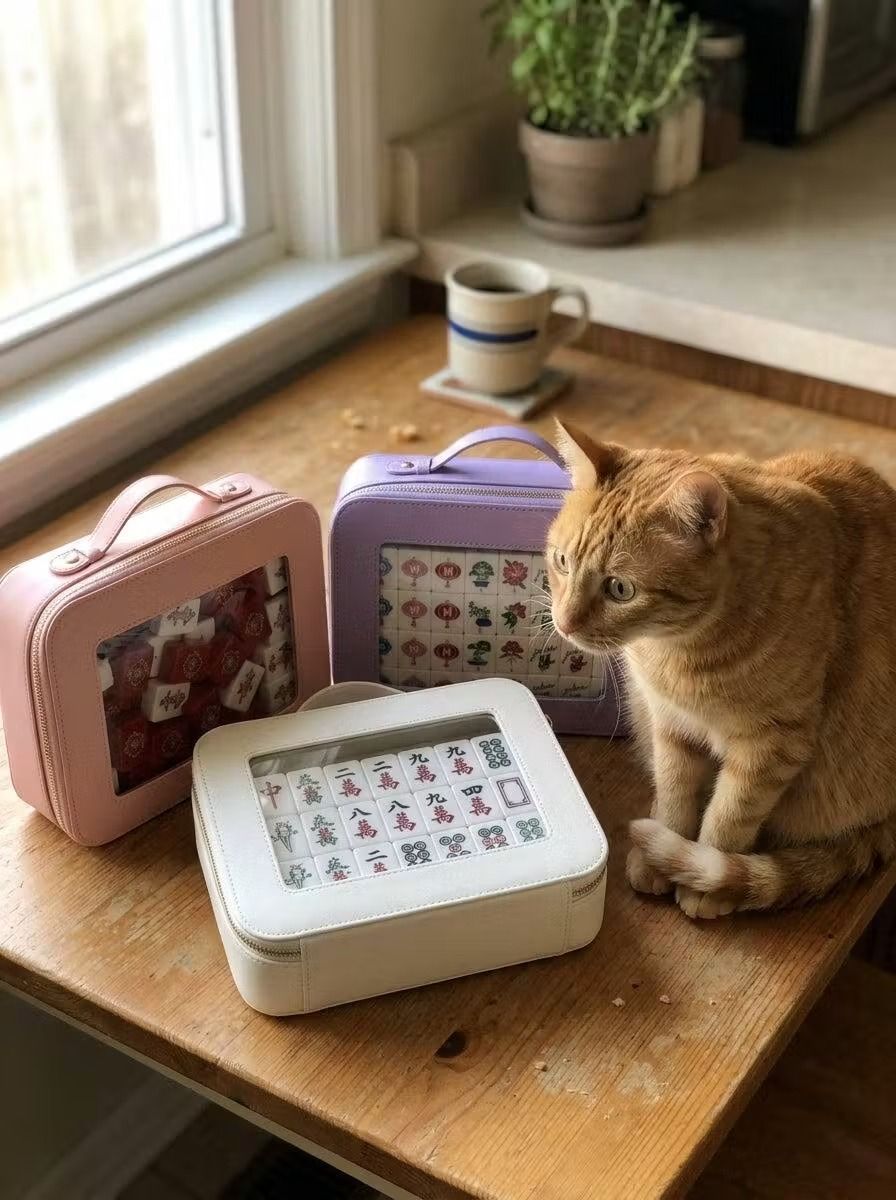
What should I check before buying a mahjong bag?
Feature | Bag | Case | Best for beginners? |
Weight (empty) | 0.5–1 lb | 1.5–3 lb | Bag |
Protective rating | Low–medium | High | Case (if traveling) |
Folds flat | Yes | No | Bag (storage) |
Price (typical range) | Budget | Mid–premium | Bag |
Fit mat + racks + tiles | Most models | All models | Confirm specs |
Setup time | < 2 min | < 2 min | Either |
Before ordering, measure your longest rack with pusher (usually 10–12 inches), your mat rolled (typically 20 × 5 inches), and your tile tray or container (about 8 × 8 × 3 inches). Compare those to the bag's stated interior dimensions, not exterior—a 10 × 10 inch bag exterior may only have 9 × 9 interior, which is too tight for a rack and tiles. Also check weight limits if you'll carry it far; a full set plus racks plus mat weighs 3–4 pounds, and fabric bags should have padded handles. Examine the stitching on the product photos; double-stitched seams at stress points last longer than single-thread binding.
🎁 See our most-loved mahjong sets & accessories →
What type of bag is best for a new player?
For most beginners, a soft drawstring or zippered nylon bag with internal pockets works best because it's lightweight, costs less, and stores easily in a closet or car trunk. Look for one with a dedicated tile compartment (so loose tiles don't spill) and a separate side pocket for racks. If you know you'll carry your set to a friend's house or a mahjong group every week, invest in a bag with padding or a case; the extra protection pays off over a year of frequent transport. Rigid cases suit players who host big gatherings, travel with their set, or play in humid or dusty environments where a fabric bag might absorb moisture. Our travel bag collection includes both styles so you can compare sizes and compartment layouts.
Do I need a separate mat bag?
Not if your main bag has a mat pocket or side strap. If your bag is designed only for tiles and racks (no mat space), a separate mat bag or a simple rolled fabric sleeve keeps your mat clean and prevents creasing. Many beginners use a yoga mat carrier or a plain fabric tube; Mahstead also offers dedicated mahjong mat storage options that pair well with bags lacking mat compartments. Rolled mats take up minimal space, so if your main bag is already full, a second small bag isn't a big investment.
What to Check Before You Buy
Tile tray fit: Bring your set's tray or measure 8 × 8 × 3 inches minimum.
Rack length: Confirm the bag interior (not exterior) is at least 12 inches long with the tray closed.
Mat storage: Verify a rolled mat (20 × 5 inches typical) fits or decide to use a separate mat bag.
Stitching: Look for reinforced seams on handles and compartment zippers.
Weight limit: Check that padded handles can safely hold 4 pounds.
Zipper or drawstring: Zippers seal faster; drawstrings compress better but may catch tiles if not careful.
✨ Find your Mahstead set — free US shipping →

FAQ
Can I use a regular travel cosmetics bag for my mahjong set?
Only if it's at least 9 × 9 × 4 inches interior and padded. Cosmetics bags often lack compartments, so tiles and racks tumble together, causing chipping or wear. A bag designed for mahjong includes tile-sized pockets or a tray slot that keeps pieces secure during transport.
How much does a beginner mahjong bag cost?
Pricing varies by material, size, and brand; see current prices on the travel bag collection page. Budget-friendly soft bags typically cost less than premium rigid cases; most beginners find a mid-range soft bag strikes the right balance.
Will a mahjong bag protect my tiles from damage?
A padded or rigid case offers the most protection against drops, impacts, and moisture. A basic fabric bag reduces dust and scratches from bumping against other items but won't cushion a hard fall. If you play weekly and transport your set often, a case with foam inserts is worth the upgrade.
Can I store a mahjong bag in a humid climate?
Soft fabric bags can absorb moisture and trap humidity inside if stored in a damp closet or garage. Store your bag in a climate-controlled space (living room, dry shelf) or use a rigid case with a silica packet. Never store a bag while tiles are wet or damp.
What if my bag doesn't fit my racks with pushers?
Measure your racks (most are 10–12 inches long with pusher attached) and compare to the bag's interior length, not depth. If they don't fit lying flat, buy a case with vertical slots, store racks in a separate small pouch, or measure before purchasing next time.
Should I buy a bag before or after I buy my set?
Buy your set first, then measure it with racks and mat. This way, you know exact dimensions and can choose a bag that fits comfortably rather than guessing. Many players already own a set when they realize they need a bag for hosting or travel.


View More
View More
View More
