
Hong Kong vs. Riichi Mahjong: Key Differences Explained
Last updated: Nov 23, 2026
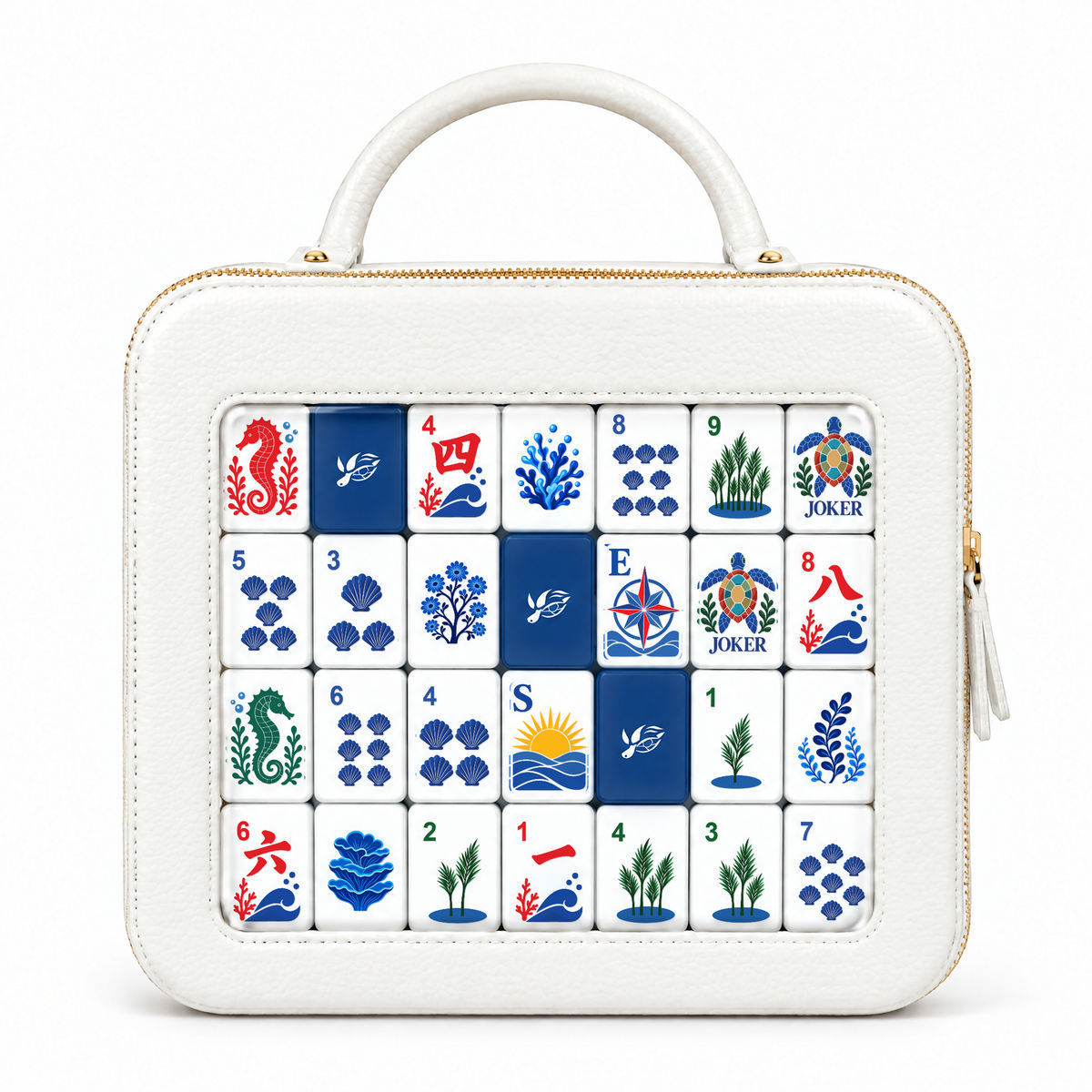
Hong Kong mahjong uses 108 tiles (one set of Bams, Craks, Dots 1–9, plus winds and dragons; no jokers), while Riichi uses the same 136-tile Japanese set. In Hong Kong, you meld openly (pongs, kongs, chows) and declare a winning hand only when you claim a discarded tile—you cannot win by self-drawing except in specific conditions. Riichi mahjong requires you to declare "ready" (riichi) before winning, allows many forms of self-drawn wins, and uses point limits and complex scoring tiers. Both are social, four-player games played at community centers and gaming venues across Asia and diaspora communities worldwide. Neither uses the American National Mah Jongg League card—each variant has its own permanent hand structures or melds.
How Many Tiles Does Each Game Use?
Hong Kong mahjong plays with exactly 108 tiles: one copy each of Bams, Craks, and Dots numbered 1–9 (27 tiles per suit), plus four winds, three dragons, and eight flower tiles. Riichi mahjong uses 136 tiles: four sets of the number suits (144 base tiles) minus eight, plus winds, dragons, and honor tiles in duplicates. The difference matters—Hong Kong is faster because there are fewer possible melds, while Riichi has more tile combinations and longer games. If you've learned American (which uses 152 tiles with jokers), switching to either variant requires a mental reset on what tiles exist and how many of each.

What's the Core Rule Difference: Win Conditions?
In Hong Kong mahjong, you win almost exclusively by claiming an opponent's discard that completes your hand—called "kong," "pung," or "winning chow." Self-drawn wins are allowed only under rare bonus hands (like "all concealed" or "blessing of man"). Riichi mahjong gives you far more win paths: you can win by drawing yourself (tsumo), by claiming a discard (ron), or by declaring riichi (a bet that you're one tile away from victory) and then drawing to complete. This makes Riichi feel more fluid and unpredictable, while Hong Kong favors aggressive defense and tile-watching. Neither allows the joker-based flexibility of American mahjong.
How Do Melds Work: Open Plays and Concealment?
Both games reward showing melds (pongs, kongs, chows) to build your hand quickly, but they treat concealment differently. Hong Kong players can expose melds throughout the game; exposing a pung (three identical tiles) or chow (three consecutive tiles in a suit) costs you points compared to keeping it hidden until the win. Riichi mahjong, by contrast, penalizes you more harshly for revealing—concealed hands score dramatically higher. In Riichi, you can also claim a discard from a distance (across the table) to make a chow, whereas Hong Kong etiquette and rules vary by venue. American mahjong forbids chows entirely and never rewards concealment; that alone makes hand-building feel alien if you're crossing over from the U.S. variant.
What's Different About Scoring?
This is where the two variants diverge most sharply. Hong Kong mahjong scoring is point-based and local—each hand has a base value adjusted for melds, concealment, and special conditions (like all one suit or all terminals). Points are usually settled immediately between players after each win. Riichi mahjong uses a rigid tier system: hands earn a "fu" (base points) multiplied by "han" (layers of winning patterns). Winners collect from all players or the discarder depending on how they won; games often play to a set point limit (e.g., 30,000 points), and scores are recorded carefully. Riichi includes mangan, haneman, and yakuman tiers—entire point brackets with fixed payouts. If you know American scoring (based on the official card, paid only by the player who furnished the winning tile), Riichi's multi-way payment system will feel unfamiliar.
How Do Special Hands and Bonuses Compare?
Hong Kong mahjong recognizes hand patterns (like "all pungs," "mixed suit," "terminal bonus") that are baked into house rules or regional standards—there is no single official reference card. Riichi mahjong has a codified list of "yaku" (winning hand patterns): each yaku has a name, a point value, and strict conditions. For example, "tanyao" (all simple numbers, no terminals or honors) is always one han everywhere Riichi is played. Hong Kong is more locally variable—ask your table for their hand list before sitting down. This is why learning Riichi is easier to port across countries: the rules travel. Hong Kong games sometimes feel like learning a new ruleset each time you change venue.
Scoring Comparison Table
Aspect | Hong Kong Mahjong | Riichi Mahjong |
Tile count | 108 (no jokers) | 136 |
Win method | Discard claim (rare self-draw) | Discard or self-draw (tsumo) |
Melds shown | Pungs, chows, kongs | Pungs, chows, kongs |
Scoring system | Point-based, local house rules | Tier-based (fu × han), nationwide standard |
Hand reference | Venue-dependent list | Standardized yaku list |
Riichi bet | Not applicable | Required before many wins |
Payment model | Winner takes from all or discarder | Winner collects from all or discarder per yaku |
Complexity for newcomers | Moderate (rule variation) | High (yaku memorization) |

How to Transition If You've Played American Mahjong?
If you're used to American mahjong rules, the leap to Hong Kong or Riichi requires unlearning jokers, the annual card system, and the discard-only win rule. Start by finding a community game—search libraries, community centers, Asian cultural organizations, or gaming meetup boards in your area. Ask experienced players for a rule sheet and sit out a few hands to watch. Hong Kong games move fast and rely on table talk; Riichi games are quiet and rule-heavy. Both expect you to protect your discards and watch other players' melds closely—habits that carry over from American play. Don't buy a full set until you've played a few times; borrowed sets are fine for learning, and variants use different tile designs or materials than the acrylic sets we make for the American game.
🀄 Shop best-selling mahjong sets →
What to Check Before You Play
Ask for a house rule sheet before sitting down—Hong Kong in particular varies by venue.
Learn 5–10 common winning hands first, not the entire list; you'll pick up more by watching.
Watch the discard pile closely; both variants reward defensive play and tile-reading.
Confirm the tile count and set composition before playing; some regional sets include variations you won't expect.
Ask about scoring and payment up front, especially in Hong Kong games, where house rules can affect payouts significantly.
Play with a scoresheet in Riichi; points move fast and disputes arise if no one writes them down.
When to Choose Which Variant?
If you're in a diaspora community with Hong Kong ties or living in Hong Kong, Cantonese-speaking areas, or parts of Southeast Asia, Hong Kong mahjong is your entry point—it's faster, more social, and less rigid. If you're near a Riichi club, Japanese cultural center, or online Riichi communities, start there; Riichi has standardized worldwide tournaments and online play, so you can practice anywhere. If you're already playing American mahjong, neither Hong Kong nor Riichi is a closer cousin than standard Chinese mahjong—pick based on what your local community plays. Mahstead's mahjong mats and racks with pushers work for any tile-based game; if you're hosting, they keep play organized regardless of which variant you're learning.
🎁 See our most-loved mahjong sets & accessories →
Key Takeaway for Quick Play
Hong Kong mahjong is quicker, more variable by house, and discard-heavy; Riichi is standardized worldwide, allows self-drawn wins, and demands yaku memorization. Start with a venue's locals rather than a rulebook, watch defensively, and ask clarifying questions about special hands before your first win. Neither is harder than the other—they're just different languages in the same game family. Once you've played a few rounds, the logic of one variant typically makes learning the other easier.
✨ Find your Mahstead set — free US shipping →

FAQ
Can I use an American mahjong set to play Hong Kong or Riichi?
No. Hong Kong uses 108 tiles with no jokers; Riichi uses 136 Japanese-style tiles. American sets (152 tiles plus jokers) have a different tile composition and are not compatible. You'll need a set designed for the variant you're playing.
Is Riichi mahjong harder to learn than Hong Kong?
Riichi has a steeper learning curve because the yaku (hand patterns) are standardized and numerous—you must memorize them. Hong Kong is locally variable, so no two venues teach the same full ruleset, which can be confusing at first. Pick the one your local community plays and learn from them.
Can I play Hong Kong mahjong with just four people?
Yes. Both Hong Kong and Riichi mahjong are designed for exactly four players. If you have fewer or more, special rule variants exist, but they are not standard—check with your local group.
Do Hong Kong and Riichi use the annual National Mah Jongg League card?
No. Neither variant uses the American League card. Hong Kong hands are based on regional house rules, and Riichi hands are based on the permanent, worldwide yaku list. Each variant is independent.
How long does a typical Hong Kong or Riichi game take?
Hong Kong games usually last 30–60 minutes for casual play (8–16 hands). Riichi games often run 90 minutes to 2 hours at social tables, partly because of the scoring complexity and the point-limit system. Competitive or tournament play can extend beyond that.
Where can I find a Hong Kong or Riichi mahjong club near me?
Search community centers, libraries, Asian cultural associations, country clubs, and local meetup boards in your area. Many cities host regular games, especially in or near areas with diaspora populations. Online communities and forums often list venues and meeting times.


View More
View More
View More
