
Hong Kong Mahjong Books for Beginners: A Practical Guide
Last updated: Nov 23, 2026
Hong Kong mahjong books for beginners typically cover three core areas: hand recognition (melds, sequences, and winning patterns), tile-reading strategy (what to discard and when to draw from the wall), and scoring systems (points for hand complexity and special circumstances). English-language beginner books include titles focused on practical play rather than history, usually running 100–250 pages with diagrams and worked examples. The best beginner resources combine text instruction with photo-heavy pattern guides so you can recognize hands in real time. Cost varies widely depending on depth and format; many players start with free online tutorials or apps, then buy a book once they're ready to deepen strategy. Mahstead sells American mahjong sets designed for US play, but Hong Kong players often use standard Chinese tile sets with different flower and season notation—check your book's tile-labeling system before purchasing tiles to match your study material.
Hong Kong mahjong is faster, more aggressive, and fundamentally different from American mahjong. Starting with the right book—one that covers hand types, wall play, and scoring—sets you up for genuine skill instead of confusion.
What makes Hong Kong mahjong different from American mahjong?
American mahjong uses a yearly card with fixed hand patterns and no sequences; Hong Kong mahjong relies on sequences (chows: 1-2-3, 4-5-6, etc.), melds you expose during play, and a single universal scoring system. Hong Kong games move faster—draws happen quicker, discards carry more risk, and luck plays a smaller role than strategy. If you've only played American mahjong, a Hong Kong book will feel like learning a new game entirely, which is honest and fair; the tile set is the same 144 tiles, but the logic differs completely. A beginner book written for Hong Kong players assumes no familiarity with sequences or wall play, so it's the right starting point even if you know American rules.

Which beginner books teach Hong Kong mahjong most clearly?
Look for books that include tile-by-tile pattern recognition, step-by-step hand-building examples, and a full scoring breakdown with real-game scenarios. Titles written after 2010 tend to use clearer photography and modern English phrasing; older reprints can feel dense or culturally specific. Search your library first—many carry at least one Hong Kong mahjong primer, and you may find multiple editions to compare. Online retailer reviews (Amazon, Goodreads, regional bookshops) show which books beginner players actually finish versus shelve halfway through. Ask at local mahjong clubs or community centers in your area; players there often lend or gift beginner copies and can tell you which book matches your learning style—some people need narrative explanation, others prefer diagrams and charts.
How do I recognize hand patterns while learning?
Beginner books use two methods: categorized lists (all pung hands, all sequence hands, special hands) and photo galleries showing real tiles laid out. The second method is faster because you're training your eye, not just reading definitions. When you study, lay out the exact tile combinations from the book using your own tiles or printouts; muscle memory beats rote reading. Mark or photograph patterns that trip you up, then quiz yourself daily for one week—your brain will lock them in. Most beginner books include 20–40 core hand types; mastering these covers 80% of actual play. A good book will also explain why certain patterns score more (hand complexity, rarity, difficulty to complete), so you understand strategy beyond memorization.
What should a beginner book cover about scoring?
Scoring in Hong Kong mahjong depends on hand composition (a pung scores more than a sequence), which tiles you used (terminals and honors score highest), and whether you won by draw or discard. Beginner books should show:
Base points for different meld types (how many points a sequence vs. a pung)
Multipliers based on special conditions (winning on your own draw, no one discarding the winning tile, all one suit)
Worked examples with real hands and full point calculations
Common mistakes (e.g., claiming a hand is ready when it isn't, misreading which melds count as pungs)
A clear book presents scoring as a ladder—easier hands first, then progressively complex—rather than a wall of rules. It should also cover what "ready" (or "ting") means: one tile away from winning, with clear visual examples. If a book's scoring section confuses you after three read-throughs, try another; scoring clarity often separates good beginner books from poor ones.

How do I balance book learning with hands-on practice?
Study for 20–30 minutes, then play for an hour. This rhythm works because reading alone creates false confidence; real play reveals gaps immediately. When you misplay or misread a hand during a game, mark it and look it up in your book afterward—context learning sticks harder than abstract study. Many beginners benefit from playing with patient, experienced players who correct mistakes gently rather than silently punishing them. Ask your book's community (online forums, subreddits, local clubs) whether they host beginner games or mentorship; many do. Keep a notebook of hands you lose or misunderstand; after 10 games, patterns emerge—maybe you're weak on terminal-heavy hands, or you're holding too long and bricking—and you can drill those patterns specifically.
Book Type | Best For | Time to Usefulness | Why It Works |
Rule-focused (80% text, 20% diagrams) | Logical learners who want why | 3–4 weeks | Builds deep rule understanding |
Visual-heavy (60% photos, 40% text) | Pattern recognizers, visual memory | 1–2 weeks | Train your eye faster |
Strategy + scoring (50/50 mixed) | Players ready to compete | 2–3 weeks | Balances rules and winning play |
Annotated game transcripts | Intermediate players improving | 4+ weeks | Learn by watching real plays |
What tiles and equipment do you need alongside your book?
A standard Hong Kong mahjong set has 144 tiles (no jokers, unlike American sets). Most books assume you're using standard Chinese notation: Bamboo (Bams, 1–9), Characters (Craks, 1–9), Dots (1–9), plus 4 winds and 3 dragons. Before buying a tile set, check your book's labeling system—some English books use simplified English names, others keep traditional Chinese characters. If your book uses photos of real tiles (not just diagrams), matching that set physically helps; you'll recognize tiles faster during play. Many beginners use cheap plastic sets while learning, then upgrade once they're comfortable; that's sensible.
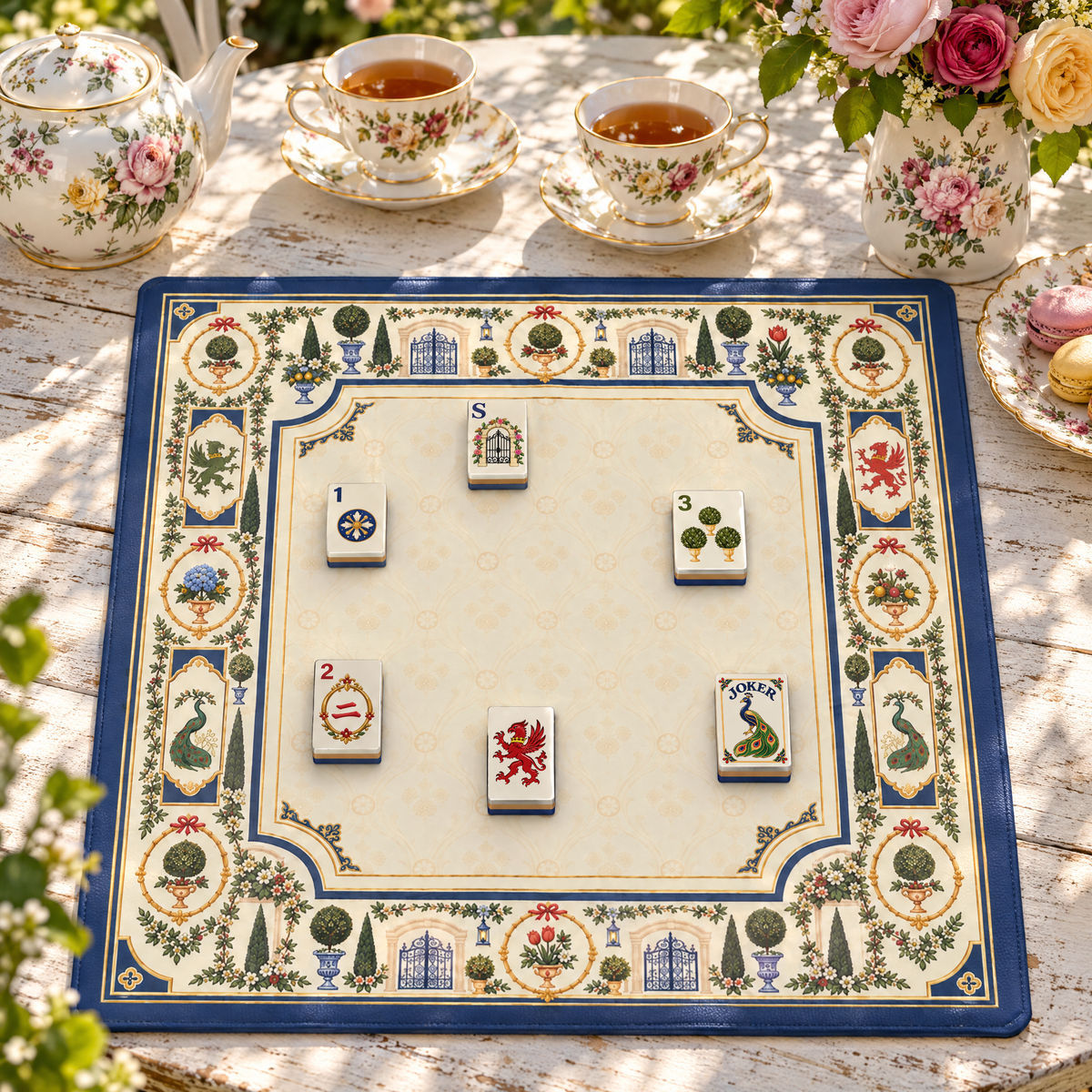
For serious practice at home, a quality set with clear tile markings saves frustration. A mahjong mat keeps tiles organized and protected while you study patterns, and racks with pushers help you organize your hand neatly—both tools speed up practice and reduce errors. A sturdy travel bag or case makes it easy to bring tiles to club meetings or friends' houses without damage.
🀄 Shop best-selling mahjong sets →
How do online resources compare to printed books?
Free online tutorials (YouTube, blogs, Reddit threads) cover rules and basics well but vary wildly in depth and clarity. Paid apps and digital courses often include interactive hand-building, which beats static text. Printed books offer permanence—no paywall, no algorithm change hiding the content—and many learners absorb text better offline. Hybrid learners often use a video to grasp the big picture, then buy a book to drill details. Your library may also offer digital access to mahjong books through ebook platforms; check before spending money. The best approach: one good printed book plus one YouTube series you trust, neither replacing the other.
🎁 See our most-loved mahjong sets & accessories →
What to check before you buy a beginner book
Publication date: Books from 2008 or earlier often use outdated terminology or poor photo quality; aim for 2010+.
Author background: Check whether the author learned mahjong in Hong Kong, mainland China, or the diaspora—this shapes tone and cultural context.
Page count and structure: 120–200 pages with clear chapter breaks is typical; under 100 pages usually means incomplete coverage.
Tile notation match: Confirm the book uses the same tile labels you'll encounter in your actual play group.
Scoring depth: Skim the scoring chapter before buying; if it feels rushed or unclear, skip it.
Reviews from beginners: Ignore reviews by advanced players; read what new learners say about usefulness and clarity.
Return policy: If buying online, verify you can return within 30 days if the book doesn't match your learning style.
✨ Find your Mahstead set — free US shipping →

FAQ
Can I learn Hong Kong mahjong from an American mahjong book?
No. American mahjong has no sequences or chows, uses fixed yearly hands, and allows different melds (quints, sextets). A Hong Kong book is essential; trying to learn from an American guide will create confusion and bad habits that take weeks to unlearn.
How long does it take to become decent at Hong Kong mahjong?
Most players reach "can play without major mistakes" in 3–4 weeks of daily 20-minute study plus weekly games. Competitive-level strategy takes 6–12 months. Your book is a tool, not a shortcut; practice matters more than pages read.
Should I buy a physical book or use online tutorials?
Start with free YouTube tutorials to grasp hand types and wall play. If you're still interested after one week, buy a physical book for reference during actual games—it's faster than scrolling on your phone mid-play.
What if my book uses different tile names than my play group?
Note the conversion once (e.g., "Bamboo = Bam = Stick") and you're fine. Write it on a sticky note in your book cover. Tile names vary by region and language; one conversation clears it up.
Can I learn Hong Kong mahjong without a book if I play with experienced players?
Difficult. Experienced players assume you know basics; they'll correct you mid-game, which is stressful and slows the group. A book gives you confidence and independence so corrections feel like refinement, not criticism.
Are there beginner books written specifically for non-Chinese speakers?
Yes. Look for titles with "English" or "Western" in the subtitle, published by English-language presses (not just translated). Goodreads and library catalogs let you filter by language and reading level.


View More
View More
View More
