
Heavenly Hand Mahjong: Meaning, Points & How to Win
Last updated: Nov 23, 2026
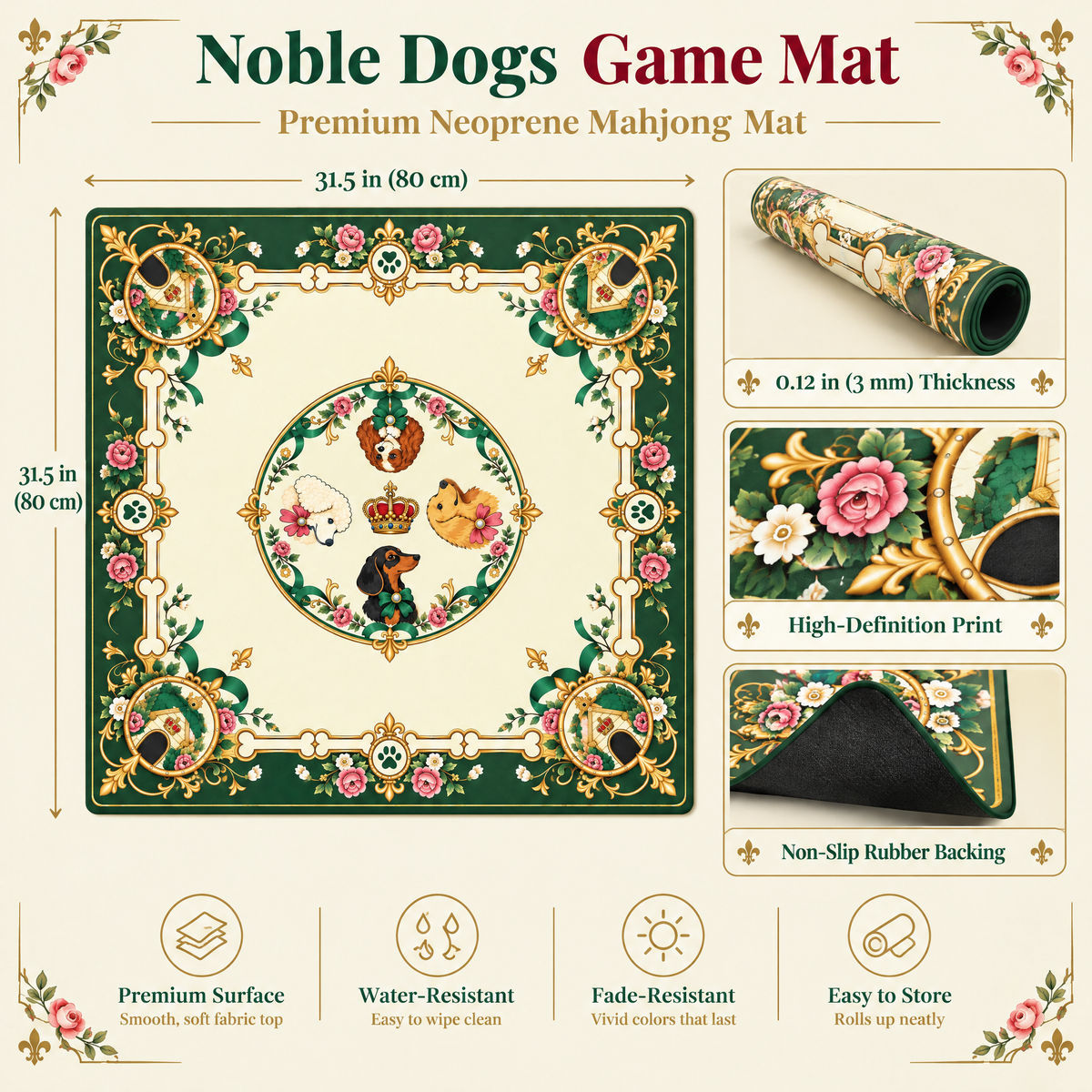
A heavenly hand (also called a "heavenly win" or "blessing of man" in some variants) occurs when the East player draws a winning hand on their first draw—all tiles come directly from the wall, and no other player has played any tile. In American mahjong, this hand must appear on the current year's National Mah Jongg League card to be valid. The point value depends entirely on which specific hand pattern is listed; some heavenly hands are worth 60+ points, while others score less. This outcome is purely random and incredibly uncommon in a regular game. To play American mahjong you need a 152-tile set plus 8 jokers, a mat with card holder, and the current year's card. Heavenly hands cannot be forced—they are simply part of the game's built-in rarity mechanics.
What exactly qualifies as a heavenly hand?
A heavenly hand is an immediate win for East on their very first turn—the opening draw—before any player discards or calls a tile. All winning tiles must come from the wall; no other player's contribution exists. The hand must match a pattern listed on the current year's card exactly. Most players go years or even decades without seeing one at the table. A heavenly hand is never a "Kong" or "Quint" hand; it is always a completed, matched pattern drawn entirely by chance on the first tile pull.

How does a heavenly hand differ between American and Chinese mahjong?
American mahjong allows only heavenly hands that appear on the current year's card and score according to that card. Chinese mahjong (and variants like Riichi and Hong Kong) have their own timing rules and scoring systems; a "heavenly hand" or "blessing of heaven" in those games often includes draws on the first round by other players, not just East. American mahjong is stricter: only East's first draw counts, and the hand must be in that year's card. If you play Chinese or Riichi mahjong, consult your rulebook—the definitions and point multipliers differ significantly. American mahjong scoring is also fixed by the card, while other variants use algorithm-based multiplication (hand value × number of sets, doubled by winds, etc.).
🀄 Shop best-selling mahjong sets →
Why is a heavenly hand so rare and valuable?
A heavenly hand is rare because it requires all winning tiles to come from a random wall draw on the very first play. The odds depend on how many matching patterns exist on the current year's card and the probability of East drawing exactly those tiles. Most groups play weekly or monthly, so a single player may experience only one or two heavenly hands in a lifetime. The high point value (often 60+ points, depending on the pattern) compensates for this rarity—it is a major win that rarely occurs by skill alone. Heavenly hands are listed separately on the card in their own section; they are not blended into regular hand patterns.
Can you recognize a heavenly hand on the card?
The current year's National Mah Jongg League card includes a dedicated section for heavenly hands, usually at the top or bottom of the card. Each heavenly hand shows the tile combination that must be drawn. To read the card correctly, look for the symbols and numbers in that section: winds, dragons, Bams, Craks, Dots, and flowers, along with joker counts. Learn to read the card section by section so you can spot a heavenly hand immediately when East announces a win. Many players keep their card flat on a mat with a built-in card holder to reference it quickly without confusion.

What happens when someone declares a heavenly hand?
When East draws and calls a heavenly hand, they show their tiles face-up and announce the hand name or number from the card. Other players verify the tiles match the card pattern. If correct, East wins immediately and scores the full point value listed. If the tiles do not match the card, the call is invalid—East loses their turn and play continues. Record the win on your scoresheet. Many players use racks with pushers to organize tiles during verification, making it easier to confirm each pung, kong, or single tile matches the card pattern. After a heavenly hand win, reshuffle the tiles, pay out points, and begin a new round.
A side-by-side comparison: Heavenly hands vs. regular winning hands
Aspect | Heavenly Hand | Regular Winning Hand |
When drawn | East's first turn, first tile | Any player, any turn |
Wall involvement | All tiles from wall | Mix of wall draws and player discards |
Number of players involved | One (East) | Usually two–four |
Point value | Often 60+, varies by card | 20–60, varies by hand pattern |
Frequency | Extremely rare | Common |
Must be on card | Yes, in heavenly section | Yes, anywhere on card |
Verification | Show tiles immediately | Show tiles and wait for acceptance |
🎁 See our most-loved mahjong sets & accessories →
How to host a game where a heavenly hand could occur
Set up a complete American mahjong game using a 152-tile set with 8 jokers, the current year's card, and a mat with card holder. Perform the Charleston (tile-passing ritual) to distribute starting hands to all four players. East takes the first turn and draws a tile from the wall. If that tile completes a winning hand pattern listed on the card's heavenly section, East announces immediately. A heavenly hand is the only hand that can be won without any player discarding a tile—it is entirely self-contained. Once verified, East wins and collects points from all other players based on the card's point table. The heavenly hand section is printed on every card, so all players should familiarize themselves with it before play begins.
What to check before you buy a set for regular play
— Current year's card is included or purchased separately (every spring, a new card is issued). — Set contains 152 playing tiles and 8 jokers (our 160-tile sets include spare tiles as well). — Tiles are large enough to read numbers and colors clearly (acrylic sets are durable and highly legible). — A mat with card holder keeps the card visible and organized during play. — Racks and pushers help organize your hand so you can verify heavenly hands quickly and accurately. — Bag or case protects tiles during storage and travel between game nights.
✨ Find your Mahstead set — free US shipping →
Why the current year's card matters
Every spring, the National Mah Jongg League publishes a new card with updated hand patterns and heavenly hand sections. A heavenly hand that appears on this year's card may not be valid next year. This means two things: first, you must own the current year's card to play legitimately; second, heavenly hand patterns change annually, so a pattern your group celebrated last year might not score the same this year. Many new players buy a set once and assume they can play forever with the same card—this is a common mistake. Update your card each spring; many online retailers and local game clubs can help you find the new year's version. Store your old card for reference, but only the current card determines valid hands and points.

FAQ
Can a heavenly hand occur on the second tile or later in East's turn?
No. A heavenly hand must be won on the very first tile East draws. After that first draw, if East does not win, their turn continues normally and the hand becomes a regular game hand.
Is a heavenly hand the same in all American mahjong groups?
Yes, because all groups follow the current year's National Mah Jongg League card. However, the patterns and point values on that card are issued once per year, so your group's heavenly hands reset each spring when a new card is published.
If East doesn't call a heavenly hand immediately, can they call it later?
No. A heavenly hand must be announced the moment the first tile is drawn and verified on the card. If East misses it and plays continues, the hand is lost and play moves to the next player. Many groups recommend always checking the heavenly section immediately after East's first draw to avoid mistakes.
Can you trade tiles with other players to create a heavenly hand?
No. A heavenly hand must consist of tiles drawn entirely from the wall, before any other player has played a tile. Trading or exchanging tiles with other players makes the hand ineligible.
How many heavenly hand patterns are typically on the card?
The number varies each spring; typically 4–8 patterns appear in the heavenly section of the current year's card. Check your card's cover or index to see how many are listed for this year's game.
What if two players both draw a heavenly hand on the same turn?
Impossible. Only East can draw a heavenly hand on the first turn, because play moves East → South → West → North in order. East's first turn is the only moment a heavenly hand can occur.
Do I need special tiles or equipment to play a heavenly hand game?
No, but a mat with a card holder and organized racks help you reference the card quickly and verify tiles without confusion during the rare moment it happens.


View More
View More
View More
