
Hanukkah Mahjong Party: Cocktails, Games & Setup Guide
Last updated: Nov 23, 2026
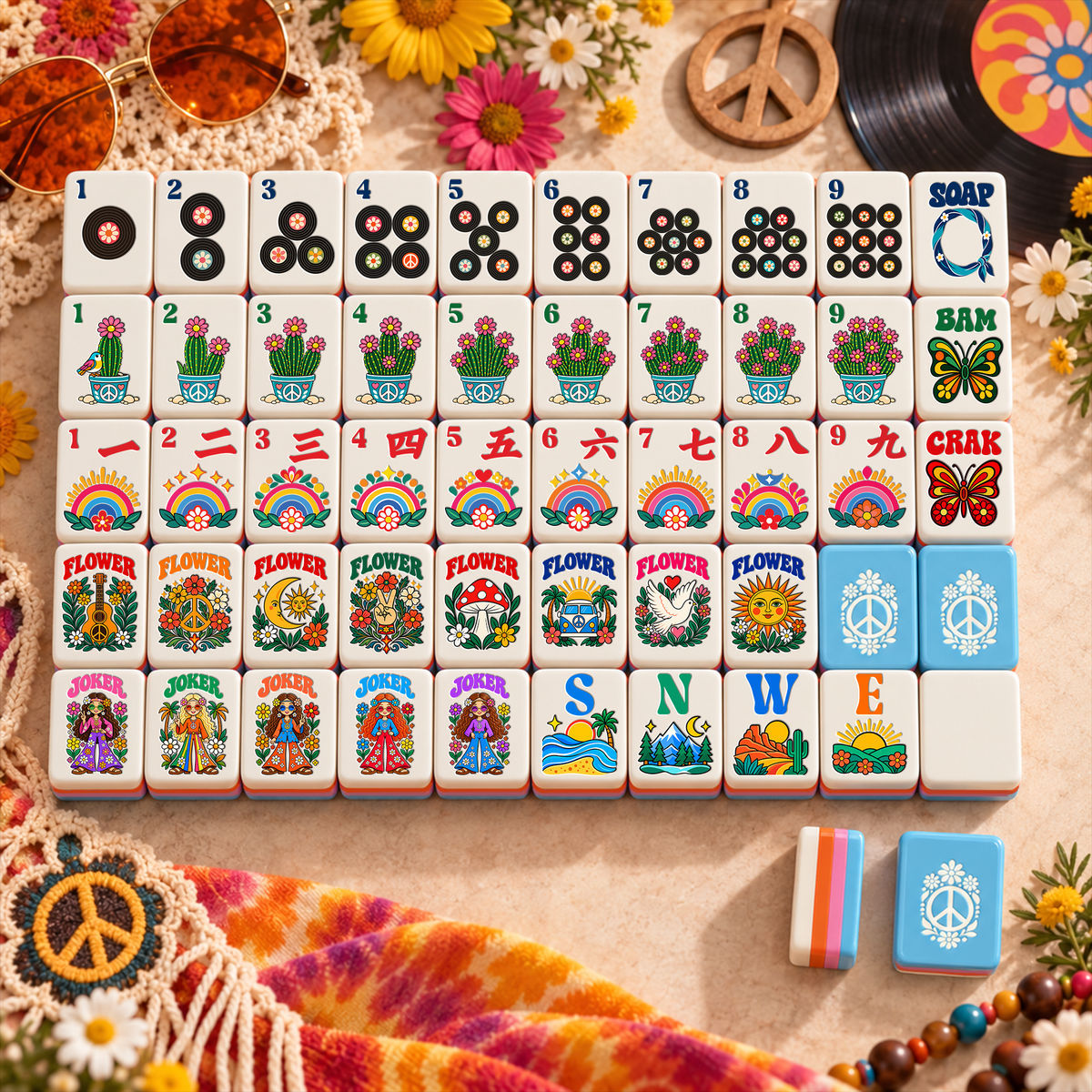
A Hanukkah mahjong party blends the eight-night holiday with friendly competition, and works best when you treat it like any other weekly game—with good lighting, a sturdy mat, score sheet, and clear table etiquette—but add Hanukkah-themed touches: blue or white drinks (Chambord mimosas, Manischewitz sangria), latke or rugelach snacks, and a rotation schedule so every player sits East across the nights. A standard 160-tile American mahjong set (152 tiles plus spares) costs vary by design; most games run 1–2 hours per round, and four players is standard. Avoid cramped tables, unclear tile racks, and serving only heavy food; keep hands of rule reference and the current year's National Mah Jongg League card visible to all, and brief guests on the Charleston (the tile-passing ritual) before dealing.
Why does a Hanukkah mahjong night work so well?
Mahjong itself mirrors Hanukkah's rhythms: eight nights suggest eight short game sessions, each player rotates as East (the position that wins first and earns extra points), and the tradition of gathering with family or close friends fits both perfectly. You're not asking guests to learn a new holiday—you're adding a beloved game to an existing celebration. The break between rounds gives time for cocktails, conversation, and snacking without rushing. We've hosted Hanukkah mahjong parties every year for decades, and the consistency of the game (same hand possibilities, same rules) becomes a comforting ritual, like lighting the menorah.

How do you set up the table for four players?
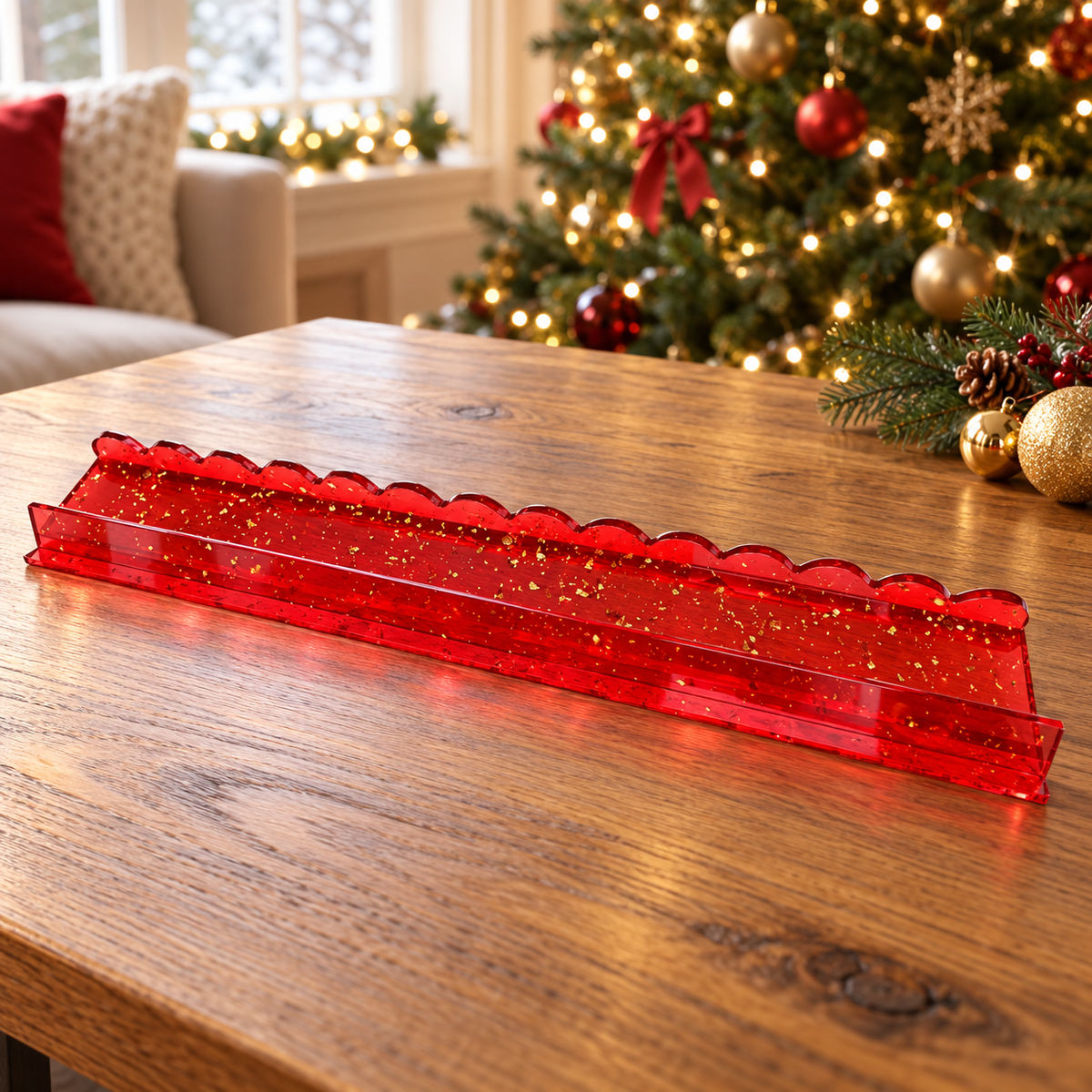
Position your table so each player sits on one side, facing inward. Buy or borrow a mahjong mat—it protects your dining table, marks the center discard pool clearly, and keeps tiles from sliding. Place the mat on a hard, level surface (not soft carpet, which causes tiles to tip). Each player needs a rack with pushers to hold 13 tiles upright and shield them from view; the pusher lets you move tiles one at a time to "claim" the pung or kong you're declaring. Set the score pad and pen within reach of one player (rotate this role each round). Position the current year's National Mah Jongg Card in the center so all four can see it. Ensure overhead lighting is bright enough to read tile pips and flowers clearly—avoid shadows across the mat. Keep the spare tiles (extras that come in a 160-tile set but are never played) and the dice off the mat in a small dish; they're only used if tiles are damaged mid-game.
What cocktails and snacks pair with Hanukkah mahjong?
Choose drinks that won't stain tiles or require constant sipping: a Chambord mimosa (blue-purple, elegant), white wine sangria with apple slices, or virgin Manischewitz-based punch if some players don't drink alcohol. Avoid red wine, coffee, and sticky juices. Serve them in glasses with secure lids or coasters that sit away from the table edge. For snacks, latkes, rugelach, and apple cake travel well and won't oil your fingers—tile handling is precise work. Cheese and crackers also work; skip chocolate, caramel, and messy dips. We often set up a small side table with drinks and plates so players can graze between rounds without touching tiles mid-game.
How do you include all eight nights if players can't commit to eight sessions?
Host shorter games over fewer nights: Nights 1–3 could be one gathering with three back-to-back rounds, each lasting 60–90 minutes. Nights 4–6 a second gathering, and Nights 7–8 a final session. Alternatively, play one round each night if your core group is available. Rotate the East position (the premium seat that scores highest for a win) so over four or eight nights, each player gets two or four turns as East—this keeps scoring fair and keeps everyone invested. Keep a cumulative score sheet across all sessions so one player's total after all games determines the winner. This spread also lets you restock drinks and snacks between parties and gives people recovery time.
What's the difference between a casual party set and a display set?
Casual play sets (sometimes called travel sets or everyday sets) use durable acrylic tiles that withstand repeated shuffling, handling, and washing. They're slightly lighter than jade and often come in bold colors—forest green, cobalt, cream—that pop under any lighting and are easy to read in a living room or dining hall. Our best-selling collection includes sets designed for exactly this: weekly home games, no fragility concerns. Display sets—fancier materials, sometimes hand-carved, or personalized with family names or Hanukkah symbols—live in a cabinet between uses; they're beautiful but more fragile and slower to shuffle. For a Hanukkah party, pick a casual set you'll actually use without anxiety. If you want personality, explore engraved designs that bake in a custom phrase or Hebrew date without compromising durability.
Setup Element | For Casual Hanukkah Play | Why It Matters |
Tile set | 160-tile acrylic, durable colors | Won't scratch, easy to read, withstands 8 games |
Mat | Padded felt or leather with center lines | Protects table, marks discard zone, prevents sliding |
Racks with pushers | 4 personal racks, each holds 13 tiles | Keeps hands private, allows smooth tile claiming |
Lighting | Overhead plus side lamp if needed | Prevents shadows on tile pips and flowers |
Drinks | Blue/white cocktails, lids or coasters | Keeps tiles dry, avoids stains and sticky fingers |
Snacks | Latkes, cheese, rugelach, nuts | Won't oil hands or stain tiles |
Scorekeeper | Rotate each night or appoint one | Tracks cumulative points across eight nights |
Common mistakes that ruin a Hanukkah mahjong party—and how to prevent them
Mistake 1: Forgetting to run the Charleston. The Charleston is the 30-second tile-passing ritual before any hand is played; all four players pass tiles simultaneously to the right, then left, then diagonally. It randomizes the starting positions. New players often skip it to "save time," but this breaks the rules and ruins fair play. Before Night 1, spend five minutes teaching it to anyone unfamiliar. Our Charleston guide has step-by-step photos.
Mistake 2: Playing without the National Mah Jongg League Card. The Card (released each spring) lists every legal hand for that year. American mahjong hands are not intuitive; you cannot invent a hand and call it valid. If anyone claims "four Bams and two Dots and a pung"—that's gibberish unless the Card allows it for that specific year. Post the Card in the center of the table and check it before every win.
Mistake 3: Mixing tile sizes or colors across sets. If you use two sets because you're borrowing from a friend, make sure both sets use the same tile dimensions and color scheme. Mismatched tiles confuse the eye and slow the game. Stick to one set per game.
Mistake 4: Dim lighting or playing outdoors at dusk. Tile pips (the small dots, bams, craks) are tiny. Poor light leads to misreads ("Wait, is that a 3 or an 8?"), disputes, and slowness. Keep overhead lights on and add a side lamp if needed. Don't play outside after sunset—the glare and shadows are brutal.
Mistake 5: Stacking dishes too close to the play area. We've seen latkes topple onto mahjong mats. Set a side table at least 2 feet away from the mat. Have a designated area for coasters and water glasses away from tiles.
🀄 Shop best-selling mahjong sets →
What to check before you buy a set for Hanukkah play
Tile count: 160 tiles (152 playing + spares). This is the standard. Sets labeled "160" at Mahstead are ready to play immediately.
Material: Acrylic is durable and ideal for frequent play. It won't chip as easily as other materials when shuffled on a mat.
Color scheme: Do you want bold jewel tones, pastels, or a traditional white/green/red classic? Pick what feels festive to you.
Design / engraving: Some sets carry custom text or Hanukkah symbols. Check the engraved titles collection if personalization appeals to you.
Accompanying mat and racks: If you're new to hosting, buy or borrow a mat and racks with pushers at the same time. You cannot play well without them.
Storage: After eight nights, where will the set live? A protective bag or case keeps tiles safe from dust and damage. If you're gifting the set, this adds polish.
Shipping: We ship free across the US, so no surprises at checkout.
Scoring across eight nights: a simple cumulative model
Most Hanukkah mahjong parties track points across all eight nights or the three–four sessions you host. Here's the clearest method: after each round, the winning player earns points based on their hand (different hands pay different amounts—refer to the National Mah Jongg League Card or use our scoring guide). Add that win's points to their cumulative total. If no one wins by the end of the hand (all tiles discarded, no legal winning combination on the table), no points are awarded that round. Tally cumulative points after all eight nights or final session; highest total wins. Optionally, give a small token prize—a jar of gelt, a menorah-themed mug, or a voucher for next year's game. The real prize is the night spent together.
🎁 See our most-loved mahjong sets & accessories →
The eight-night rotation: keeping it fresh and fair
Over eight nights, rotate the East position (the player who sits East, deals first, and scores highest for a win). East changes each round clockwise—if Alice is East in Night 1, Bob becomes East in Night 2, Carol in Night 3, Dan in Night 4, back to Alice in Night 5. This ensures each player gets at least two turns as East if you play eight rounds, or can be adjusted for fewer sessions. The East position carries prestige and bonus points, so rotation matters for morale. Keep a visible note on the score sheet: "East this round: Alice." Before the Charleston, confirm everyone knows the seating and rotation so there's no confusion.
Gift-giving: when a Hanukkah mahjong set is the perfect present
If a friend or family member hosts a weekly game or has mentioned wanting to start one, a complete set with a mat and racks makes a generous, memorable gift. Include a card naming it as the "Hanukkah Game Set" or with a Hebrew blessing. You can also gift a travel bag or case to go with a set they already own—it shows you recognize their habit and want them to keep the set safe. Mahjong gifts land well because they're practical, festive, and often lead to new traditions or strengthen existing ones. Many players treasure the set they first received decades ago.
✨ Find your Mahstead set — free US shipping →

FAQ
Can I play mahjong with more or fewer than four players on Hanukkah?
Four players is standard. Two- or three-player variants exist and use different rules; they're less common but work for smaller gatherings. See our 2 and 3 player guide for details. Stick to four if everyone is experienced.
Do I need a special "Hanukkah" mahjong set, or is any set fine?
Any standard American mahjong set works. If you want personality, choose a set in blue, white, or silver tones, or pick one with custom engraving. The tiles and rules are identical across designs.
What if someone at the party has never played before?
Teach the basics before Night 1: how to hold tiles, what a pung or kong is, how to read the National Mah Jongg League Card, and the Charleston. Plan for the first round to be slower. Keep a rule reference nearby. After one or two rounds, they'll be comfortable.
How long does each round of mahjong take?
A typical round (one complete hand from deal to win or end of tiles) takes 45–90 minutes, depending on player experience and decisiveness. New players may run longer. Plan 1.5–2 hours per session to include breaks.
Can I use cocktails with complex ingredients during play, or does it distract players?
Keep drinks simple (one-ingredient or pre-mixed) so players spend minimal time fussing. Serve them before players sit down at the mat. Once the game starts, sips should be quick. Use lids or coasters to prevent spills near the tiles.
Should I charge an entry fee or pot money during Hanukkah mahjong?
That's your choice. Many casual home games are played for fun with no money. Some groups play for small stakes (a dollar or two per round). Check local gaming laws if you're unsure. If you do charge, keep amounts small and agree before Night 1.


View More
View More
View More
