
Green Mahjong Mat: How to Choose One for Your Game
Last updated: Nov 23, 2026
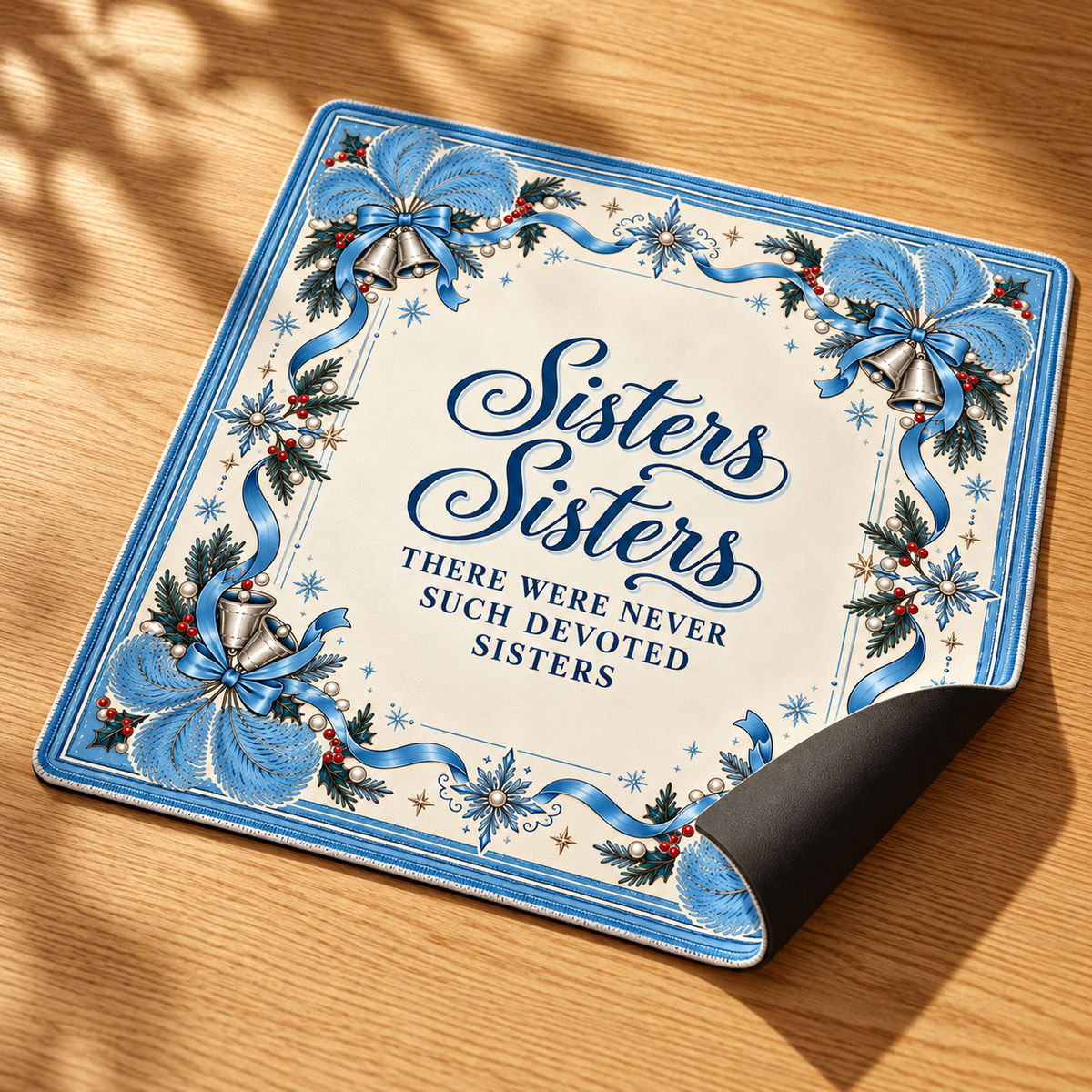
A green mahjong mat is a felt or rubber playing surface, usually 27–36 inches square, designed to keep tiles visible, quiet, and organized during American mahjong games. Most mats feature a non-slip base to stay put on wood, glass, or tile tables, and a soft top face that reduces tile noise and wear. Green is the standard color because it mimics cloth-covered mahjong tables and reduces eye strain during long sessions. Prices vary by material (felted cloth, neoprene, rubber) and brand; entry-level mats start modest and premium versions with engraved designs or reinforced edges cost more. Mahstead offers engraved mats in multiple sizes and finishes. Before ordering, check your table dimensions, whether you need storage pockets or built-in position markers, and if portability matters for travel games.
Why does green matter for a mahjong mat?
Green reduces eye fatigue during long game sessions and signals serious play to everyone at the table. The color has been the standard for mahjong tables and professional setups worldwide for decades because it's easier on the eyes than bright white or dark backgrounds. Players report fewer headaches and better tile recognition after hours of play on a quality green mat compared to no mat or a poor surface. If you're hosting weekly games or joining a regular group, a proper green mat signals you're invested in the experience—not just playing casually.
What size do you actually need?
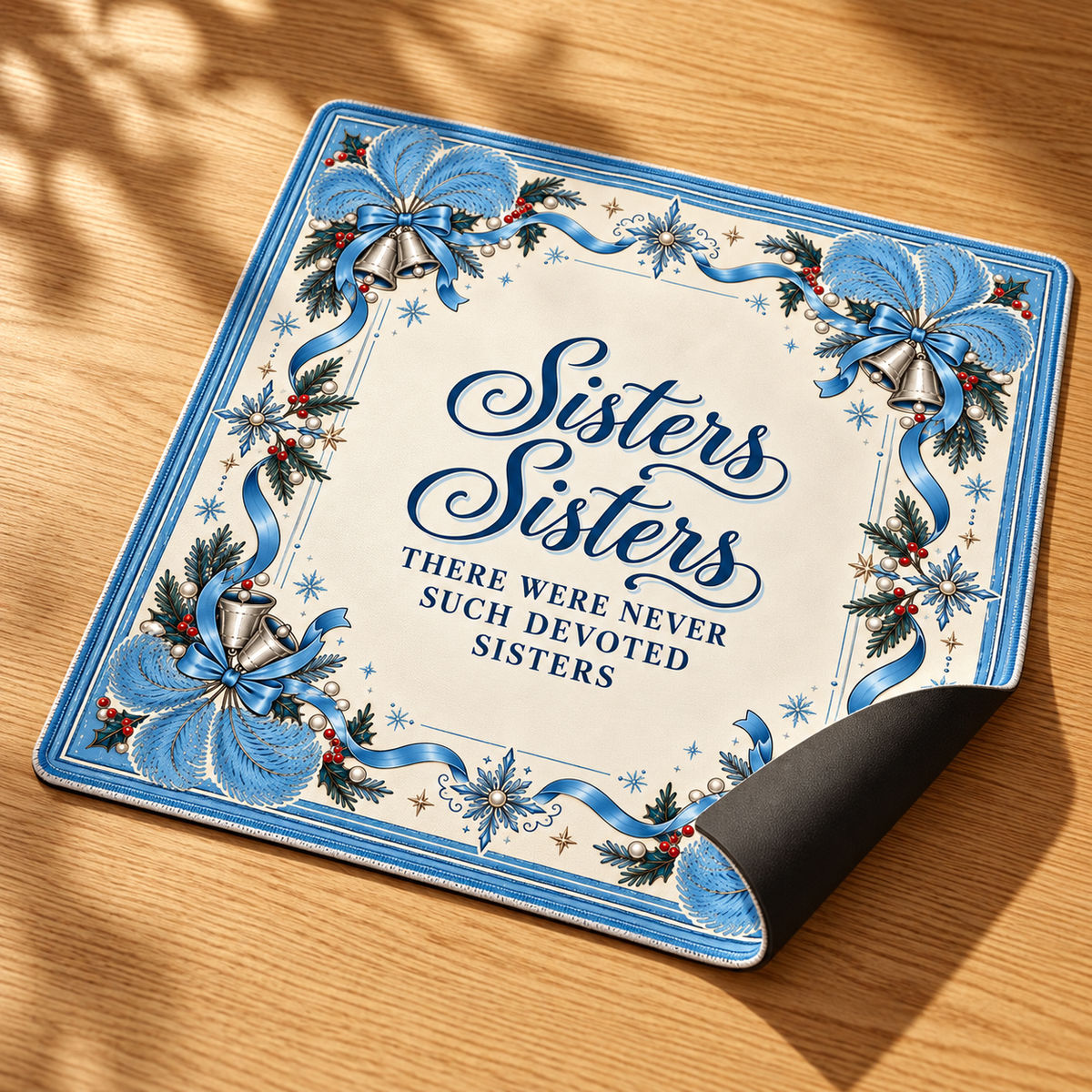
Measure your table first, then add 2–3 inches of overhang on each side so tiles don't roll onto the floor. A 27-inch mat fits a small dining table or portable surface; 30–32 inches is the most common size for standard home tables; 36 inches or larger works for dedicated mahjong tables or when you're stacking sets side by side. If you play with a rack system—which most American players do—check that the mat leaves room for racks on two opposite sides; racks typically sit 4–6 inches off the table edge. Measure length and width separately; tables aren't always square. A mat that's slightly too small will shift during the game or bunch up; one that's too large hangs awkwardly and catches on chair arms.
🀄 Shop best-selling mahjong sets →
What's the difference between felt, neoprene, and rubber mats?
Material | Feel | Durability | Noise | Best for | Price basis |
Felted cloth | Smooth, authentic | 2–4 years | Quiet | Weekly home games, traditional players | Budget-friendly |
Neoprene blend | Cushioned, modern | 4–6 years | Low-mid | Regular players, multiple sets, frequent storage | Mid-range |
Reinforced rubber | Firm, textured | 5+ years | Very quiet | Travel, humidity zones, daily use | Premium |
Felt mats are closest to vintage cloth tables and feel luxurious, but they stain easily and compress over time if not stored flat. Neoprene offers a middle ground: durable, water-resistant, and forgiving if you spill tea. Rubber and reinforced-vinyl mats are best if you travel, live in humid climates, or have kids and pets—they wipe clean and never absorb moisture. Feel the sample or watch a video of tile interaction before ordering; some players love the quiet "thunk" of tiles on thick rubber, while others find it muffled and prefer the sharper sound of felt. Mahstead's collection of mahjong mats includes options in multiple materials; check the product description for composition and weight.
Do you need edge reinforcement, pockets, or markers?
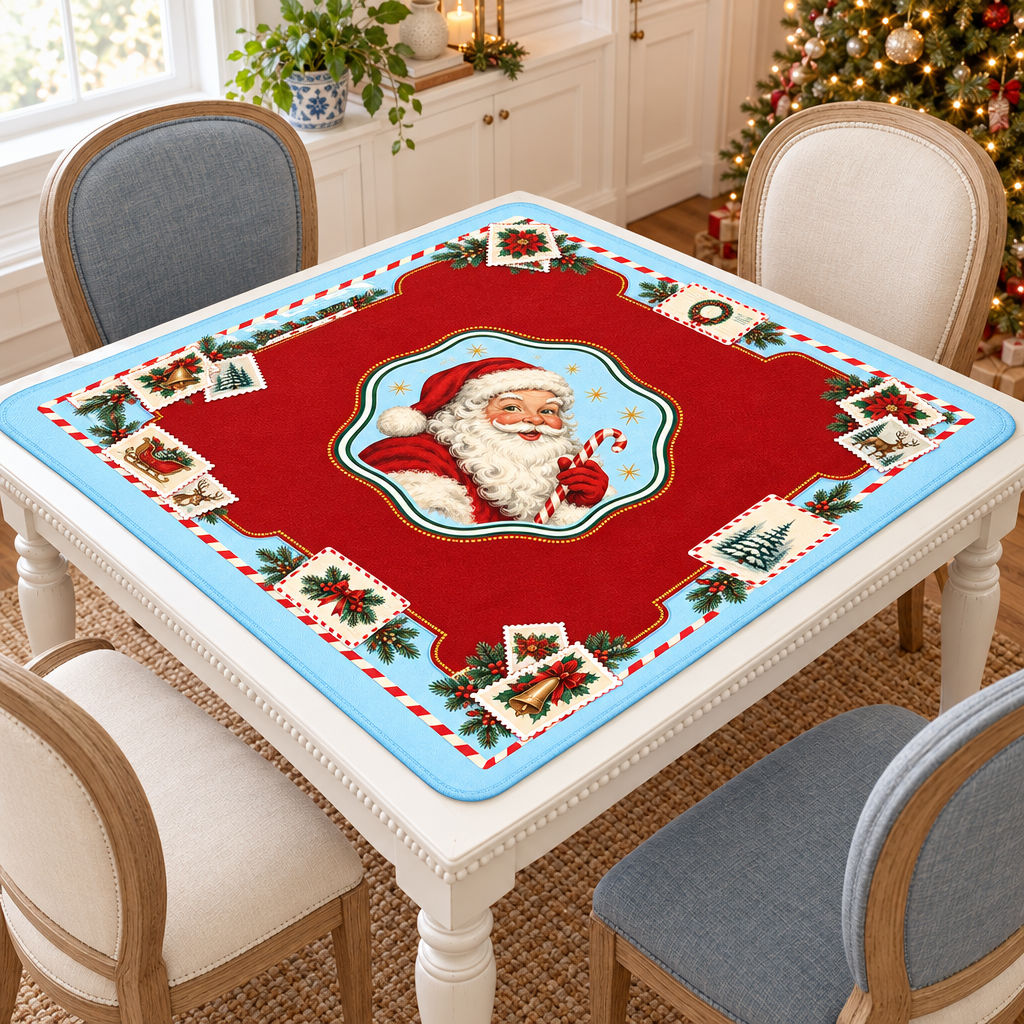
Reinforced edges (double-stitched or taped borders) extend mat life if you frequently roll it up or travel with it; they cost a little more but save headaches. Built-in player position markers—often printed at N, E, W, S points—help beginners orient themselves quickly and speed up dealer rotations. Pockets on two sides are useful if you store jokers, betting chips, or score cards on the mat, but they add bulk when rolling for travel. None of these are mandatory; many serious players prefer a simple, clean mat with no distractions. Decide based on your hosting setup: if you're a casual weekly group, markers save time. If you travel or store the mat in a small space, skip pockets and reinforcement. If you host tournaments or teach new players, markers earn their place.
🎁 See our most-loved mahjong sets & accessories →
How do you avoid common mat mistakes?
Mistake 1: Ordering without measuring your table. A mat that's 1–2 inches too small won't cover the tile play area; one that's 6+ inches too large will bunch or slide. Measure twice, account for rack placement, then order.
Mistake 2: Choosing a mat thinner than ¼ inch. Thin mats slide during gameplay and offer no cushioning; tiles feel hard and loud. Cushion matters—it absorbs vibration and keeps your tiles in place.
Mistake 3: Pairing a mat with the wrong tile set. An ornate engraved mat can overwhelm simple acrylic tiles, or look sparse with ornate hand-painted ones. Choose a mat finish that complements your tile aesthetic. Mahstead's best-selling acrylic sets pair well with classic or engraved mats.
Mistake 4: Neglecting non-slip backing. A mat without grip slides on glass or polished wood, making the game frustrating. Check the product description for non-slip backing material.
Mistake 5: Storing a rolled mat in a humid basement. Felt and cloth absorb moisture; store mats flat in a dry space, or choose neoprene/rubber if moisture is unavoidable.
What to check before you buy:
Table dimensions (length and width in inches)
Table surface type (wood, glass, laminate)
Humidity in your storage area
Whether you use racks and how much space they need
How often you travel with the mat
Your budget
Whether you host multiple games weekly or occasionally
Should your mat match your tile set or your table?
Match the mat to the tiles and the game mood, not the table. A green mat works with all tile colors—acrylic, bone-bamboo, stone, resin—because green is the neutral playing field. If your tiles are ornate with gold inlay, a simple mat keeps the focus on the tiles; if your tiles are plain, an engraved or patterned mat adds visual interest. Some players buy a second mat in a different finish (felt vs. rubber) for traveling or for backup. The mat and the tile set together create the game experience; invest in both equally. A beautiful set on a cheap, thin mat feels cheap; plain tiles on a premium mat gain stature. We recommend viewing mahjong mat options alongside your tile choice before checking out.
✨ Find your Mahstead set — free US shipping →
FAQ
Can you use a regular tablecloth or yoga mat as a mahjong mat?
No. A tablecloth is too thin and slides; tiles roll off. A yoga mat is spongy and absorbs moisture, and the bumpy texture catches tiles. A proper mahjong mat has a thin, firm cushion layer with non-slip backing. It's worth buying the right tool.
How long does a typical mahjong mat last?
A felted mat lasts 2–4 years with weekly play; neoprene or rubber mats last 4–6 years or longer if you avoid direct sunlight and store flat. Lifespan depends on material quality, storage conditions, and frequency of use.
Is a green mat required for American mahjong, or is it just tradition?
It's tradition, not a rule. You can play on any surface. But green reduces eye strain, signals serious play, and protects your table and tiles. If you're investing in a regular game, a mat is worth it.
What's the difference between a mahjong mat and a mahjong table cover or tablecloth?
A mat is permanent playing surface—firm, backed, sized for tiles. A cover is decorative and protective for a table when not in use. For active play, you need a mat. See our guide on mat vs. table cover options for full details.
Should I buy a mat with my tile set or separately?
Either works. If you buy together, check that the mat size matches your table and the mat finish pairs well with your tiles aesthetically. If you buy separately, measure your table first, then pick a mat that complements your tiles and fits your storage/travel needs.
Can you customize or engrave a mahjong mat?
Yes. Mahstead offers engraved mats with titles, names, or patterns. Custom engraving takes longer to ship; order early if you need it by a specific date. Check the mahjong mats collection for current engraving options.


View More
View More
View More
