
Fundraiser Mahjong Party Invitations: Wording Ideas & Hosting Tips
Last updated: Nov 23, 2026
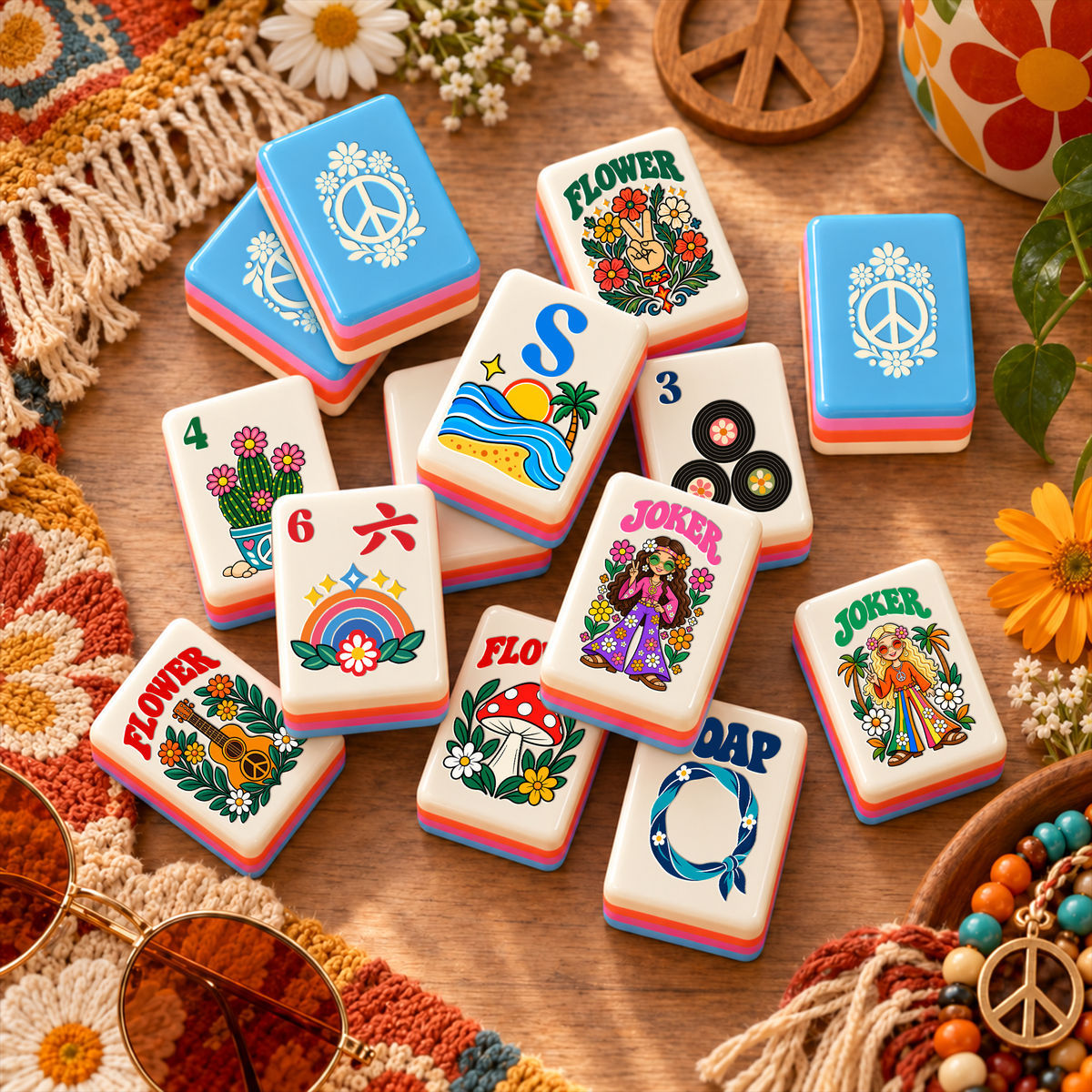
A fundraiser mahjong party invitation should include the date, time, location, ticket price (or donation level), what experience level is needed, and a warm note that beginners are welcome—because most people don't play yet. Mention if tiles, mat, and snacks are provided, or what guests should bring. Include a contact name and RSVP deadline (at least two weeks out for print invites, one week for email). Keep the tone playful but professional; many nonprofits, schools, and community groups use mahjong fundraisers because the game draws diverse ages and the setup feels special. Mahstead best-selling mahjong sets arrive ready to go, so you can focus on wording and logistics—not hunting for tiles or worrying whether the set is complete.
A great mahjong fundraiser invitation should include the date, time, location, ticket price (or donation level), what experience level is needed, and a warm note that beginners are welcome—because most people don't play yet. Mention if tiles, mat, and snacks are provided, or what guests should bring. Include a contact name and RSVP deadline (at least two weeks out for print invites, one week for email). Keep the tone playful but professional; many nonprofits, schools, and community groups use mahjong fundraisers because the game draws diverse ages and the setup feels special.
What makes people actually RSVP to a mahjong fundraiser?
Clarity and inclusion. Say "no experience needed" or "beginners welcome" in the first two lines—people fear they'll slow down the table. Include the cause upfront: "Proceeds support [organization]" builds trust. Give three time options if possible (6 p.m., 6:30 p.m., 7 p.m. table starts), so latecomers don't feel rushed. Email invites should link to a page with a 60-second "What is mahjong?" video; print invites benefit from a QR code to the same. Tone matters: "Lose your money and your marbles" or "Tile night, no experience required" outperforms generic charity language. Name the beneficiary and how the money helps, not just "fundraiser for [org]."
🀄 Shop best-selling mahjong sets →

How do you word a mahjong fundraiser invitation for complete beginners?
Lead with the benefit, not the game. "Join us for an evening of laughs, teamwork, and tiles" beats "Come learn mahjong." Follow with reassurance: "We teach the basics—no prior knowledge needed." Then add the logistical hook: "Drinks and snacks included" or "Proceeds fund [cause]." End with a single call-to-action: "RSVP by [date] to [name/link]." For email, use a subject like "Mahjong + Margaritas: Fundraiser Night [Date]" (specific, fun, searchable). In the body, break the invite into four short sections: What (mahjong fundraiser), When & Where (date, time, address), Cost & Cause (ticket price, nonprofit), and How to Join (RSVP link/phone). Avoid jargon like "pung," "chow," or "wall." If you mention rules, say only: "A mix of luck, strategy, and teamwork—like poker without cards."
What wording works best for experienced mahjong players?
Shift from "welcoming" to "play level." Say "All skill levels, but we run brisk games" or "Casual house rules—bring your card if you have a preferred variation." Experienced players want to know table mix: "Mix of new and returning players" or "Four experienced players per table." They also care about the pot structure and whether joker rules are standard American, not house-tweaked. Use phrases like "NMJL rules" (National Mah Jongg League) if your tables follow the standard card; mention any house rules upfront to avoid friction. For email, include a note: "We'll have scoresheet templates and a current mahjong card at each table." This signals organization and respect for the game. Players also appreciate a contact for questions: "Email [person] if you want to know more about tile selection or table setup."
Should you mention the mahjong set in your invitation?
Yes—but differently for beginners and regulars. For new players, say: "Premium tiles make the game easier to see and faster to play." For experienced guests, note the set size and material if it's unusual: "Acrylic tiles, full 160-tile set, engraved with [org name]" signals a professional, keepsake-quality event. If the tiles are custom, mention it: "Custom-engraved tiles—a small gift to remember the night." Many fundraisers create engraved American mahjong sets specific to the event, and guests love that detail in the invitation. Include a line like "We've chosen durable, easy-to-read tiles so everyone can focus on the game, not squinting." Avoid over-selling ("luxury" or "professional-grade" can sound pretentious to non-players); instead emphasize ease: "Clear tiles, smooth play."
How do you structure the RSVP and deadline?
Make RSVP three actions, not one. First, state the deadline clearly: "Please RSVP by [date] at [time]—we cap tables at 4 players each." Second, give multiple channels: "Email [address], call [number], or use this link: [form]." Third, name a person: "Contact [name] with questions." For print invites, include tear-off stubs with the date and a space to write the invitee's name (helps with check-in). For email or online invites, link to a simple form that asks name, phone, experience level ("never played," "played once," "regular player"), and dietary restrictions if snacks are served. Send a reminder email one week before and a text reminder two days out. Include parking info, arrival time (15 minutes early is standard), and what to bring (nothing, usually—you provide tiles, mat, pen, scoresheet). If guests donate prizes or raffle items, say so in the original invitation so they have time to source something.
What's a sample wording you can adapt right now?
Occasion | Tone & Sample Opening | Include |
School or PTA event | "An evening of strategy, friendship, and fund-raising…" | Kid-friendly snacks, parking lot info, early pickup option |
Nonprofit gala add-on | "Mahjong tables sponsor [organization's cause]…" | Sponsorship tiers ("Table of 4 for $X or individual ticket"), matching donation mention |
Community center or library | "Learn mahjong, support [library]—no experience needed…" | Free or sliding-scale option, table limit, beginner demo at 5:45 p.m. |
Corporate team-building | "Tiles, strategy, and laughs: a mahjong mixer for [company]…" | Date, dress code (casual), company match offer |
Social club (experienced players) | "Mahjong night returns—all skill levels, NMJL rules…" | Current NMJL card link, house rule clarifications, prize pool (if any) |
Pick one row that matches your event and adapt the opening and details. The goal is clarity + warmth. Here's a full example you can copy and edit:
Subject: Mahjong & Margaritas—Fundraiser Night [Date]
You're invited to a mahjong fundraiser supporting [organization]!
When: [Date], 6 p.m. (tiles start at 6:15 p.m.) Where: [Venue, address, parking info] Cost: [Ticket price per person or "suggested donation"] / All proceeds go to [cause]
What's mahjong? A game of luck, strategy, and teamwork—like cards, but with beautiful tiles. No experience needed. We'll teach you at the table, and you'll be playing in minutes.
What's included? — Tiles, mat, and scoresheet — [Snacks/drinks] — [Prize/raffle info, if any]
RSVP by [date]: Email: [address] Phone: [number] Online: [link]
Contact [name] with any questions.
Use this as your base; adjust tone and details. Email it to a small test group first (three friends) and ask: "Does this feel inviting? Would you know what to bring? Is anything confusing?" Their feedback is worth more than rewording alone.
🎁 See our most-loved mahjong sets & accessories →
What equipment details should you mention or skip?
Mention in the invitation: — Tiles are provided (so guests don't worry). — "Easy-to-read" or "color-blind friendly" if relevant. — Set is engraved with the event name or organization logo (keepsake factor). — How many tables will run and max players per table.
Skip or move to a follow-up email: — Tile material (acrylic, bone, bamboo)—non-players don't care. — Set size (160 tiles, 152 playing tiles, 8 jokers)—too technical for an invitation. — Rack or pusher specifics—assume the host has organized this.
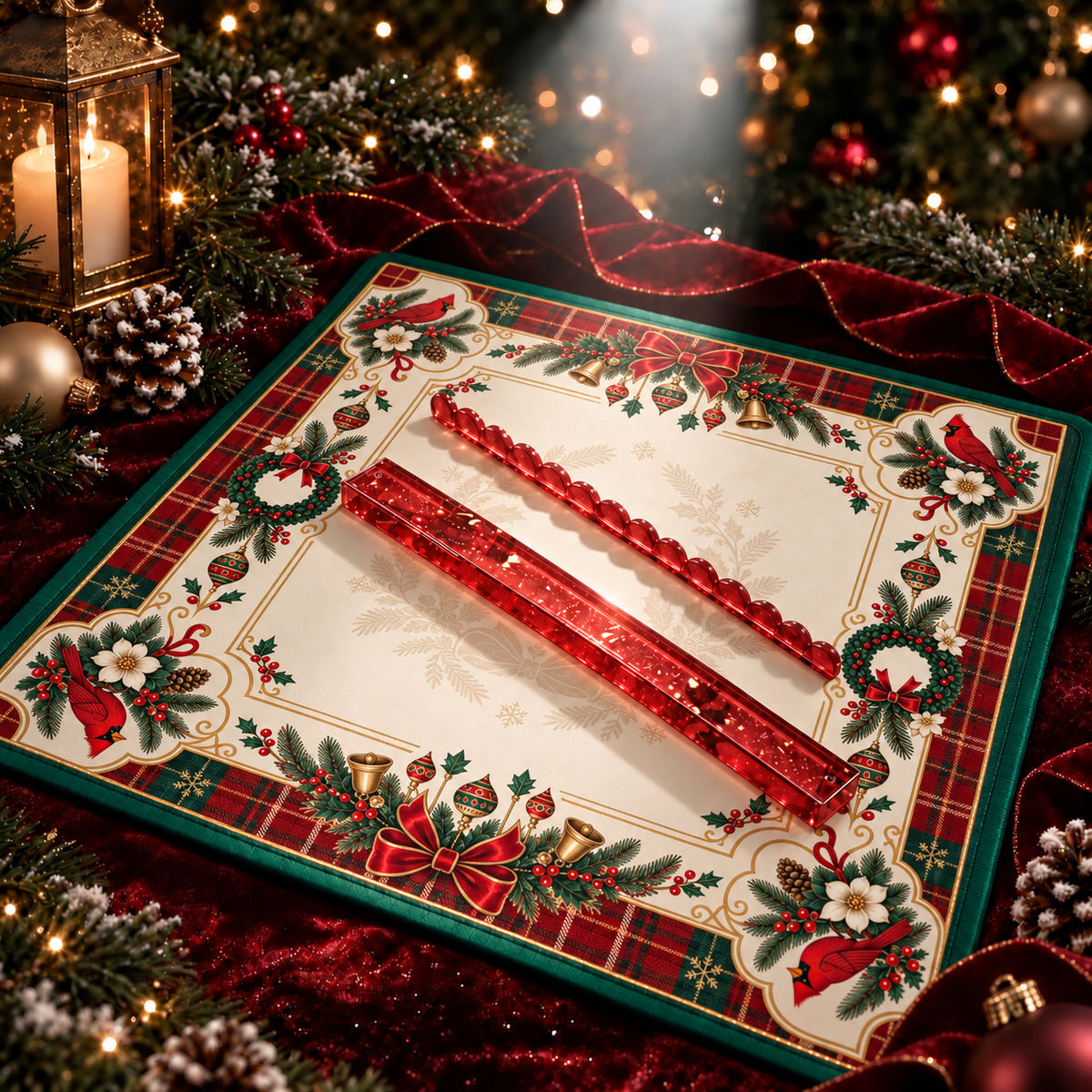
If you want mahjong racks with pushers at each table (which makes play faster and looks professional), mention it as a feature in a follow-up email: "Each table has tile racks—makes it easier to organize your hand and keeps the pace flowing." For a charity event, mahjong mats with the organization's logo turn the setup into decor and conversation starter; mention that in the RSVP confirmation, not the initial invite.
How far in advance should you send the invitation?
Print invites: 3–4 weeks ahead (time for mail, plus two-week RSVP window). Email invites: 2–3 weeks ahead, with a reminder one week before and a final text/call two days out. Social media posts: Start four weeks out, then repeat weekly; lock in RSVPs at the two-week mark.
For a fundraiser, early sends also give sponsors or donors time to commit to underwriting tables or donating raffle prizes. Include a line in the invitation: "Sponsorship and donations welcome—contact [name]."
What should you check before hitting send?
Checklist before finalizing your invitation:
[ ] Cause and ticket price appear in the first paragraph.
[ ] "No experience needed" or skill-level guidance is visible.
[ ] RSVP deadline and contact info are clear (bold or large font).
[ ] Date, time, and address are correct (and address has parking/accessibility info).
[ ] If using a QR code, test it on a phone from outside your network.
[ ] For print invites, proofread (name of org, beneficiary, contact phone).
[ ] For email, preview on a phone (many people RSVP on mobile).
[ ] Include a one-sentence "what beginners should know" line.
[ ] If mentioning tiles or setup, match what you've actually booked (e.g., if using best-selling mahjong sets, you know they arrive complete and ready).
How to design a mahjong fundraiser event that feels polished?
A professional invitation is just the start. Back it up with: a clean mahjong mat per table (adds visual consistency), printed scoresheets at each seat (not loose papers), and a simplified one-page rule sheet ("Mahjong 101: The Basics") for newcomers. Have mahjong bags or cases on hand so guests can take tiles home or you can secure them between events. Assign one person to be the "tile master"—their job is to reset tiles between rounds, explain rules without slowing the game, and keep energy upbeat.
✨ Find your Mahstead set — free US shipping →
Key takeaway for your fundraiser invitation
Write first for people who have never played. Say what mahjong is (strategy + luck + teamwork), who it's for (everyone), why they should come (the cause, the vibe, the night out), and what to do next (RSVP link, one number). Keep sentences short and jargon out. Test the invite on a non-player. Then send early and resend reminders. A thoughtful invitation doesn't just fill tables—it builds the story of why people came together, which matters for fundraising long after the night ends.

FAQ
Can I mention the mahjong set brand in my invitation?
Yes, if it adds value. Say "We've chosen durable, engraved tiles" or "Quality tiles that are easy to read"—this reassures non-players. You don't need to name the brand; focus on benefits (clear, colorful, professional-looking).
Should I explain mahjong rules in the invitation itself?
No. Keep the invite to one sentence: "A game of strategy, luck, and teamwork—no experience needed. We'll teach you." Put a longer explanation (or a video link) in a follow-up email or on the event page. Invitations should invite; details go in the confirmation.
What if my fundraiser has multiple tables with mixed skill levels?
Mention it clearly: "Beginner-friendly and experienced-player tables available—let us know your level at RSVP." Assign tables during check-in based on responses. This prevents frustration and keeps energy high at every table.
How do I word a mahjong fundraiser for a very formal event (gala, corporate)?
Use professional language but keep mahjong playful: "An evening of strategy and camaraderie: mahjong tables open from 7 to 9 p.m. All skill levels welcome. [Sponsor name] invites you to support [cause] while learning a classic game." Then include dress code, ticket price (or sponsorship tier), and parking.
Should the invitation look different if it's for a PTA vs. a senior center?
Yes. PTA: Use family-friendly language and mention "kids welcome" or "kids' tables" if applicable. Senior center: Emphasize nostalgia ("Rediscover a favorite") and comfort ("Cushioned seating, large-print cards, shorter game rounds available"). Keep the core message—beginner-friendly, benefiting [cause]—but adjust tone and details.
Can I sell extra raffle tickets at the event if I don't mention them in the invitation?
You can, but it's better to mention raffle or prize details upfront. Include one line: "Silent auction and raffle prizes—details at the door" or "Raffle tickets sold at event; 100% of proceeds to [cause]." This sets expectations and prevents surprise sticker shock.
What's the best format: paper invite, email, or social media?
Use all three for maximum reach. Send paper to people who might not see email or social; email to close contacts and local groups; social for community-wide announcement. Pin the social post, send email reminders, and add a QR code to paper invites linking to your RSVP form. Older players and those new to your cause often respond better to print.
If I'm hosting multiple mahjong games, how do I explain rotations in the invitation?
Keep it simple in the invitation: "Games run in rounds, 30 minutes each—join us for one, two, or three." Then send a detailed schedule (start times, table assignments) via email one week before. Don't burden the invitation with logistics; that's what follow-ups are for.


View More
View More
View More
