
How to Store a Mahjong Mat: Protect Your Tiles & Equipment
Last updated: Nov 23, 2026
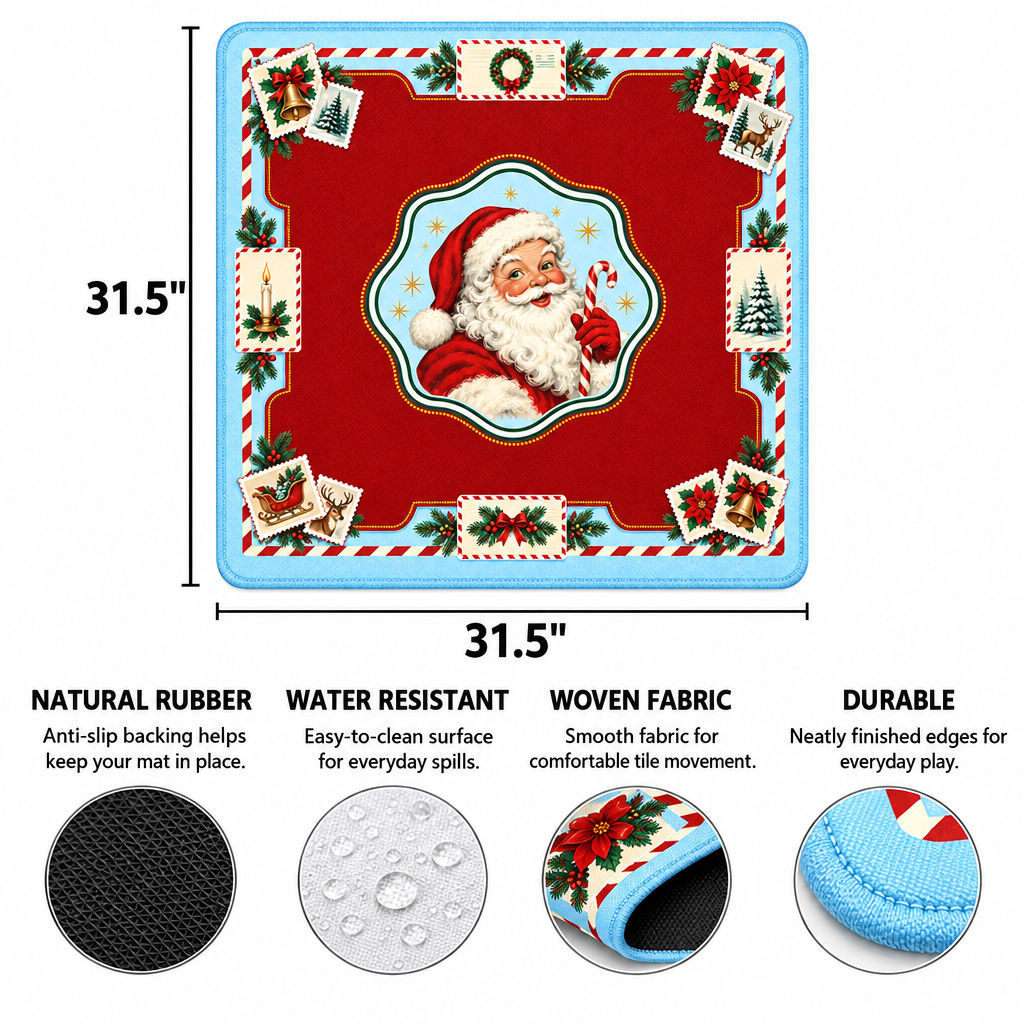
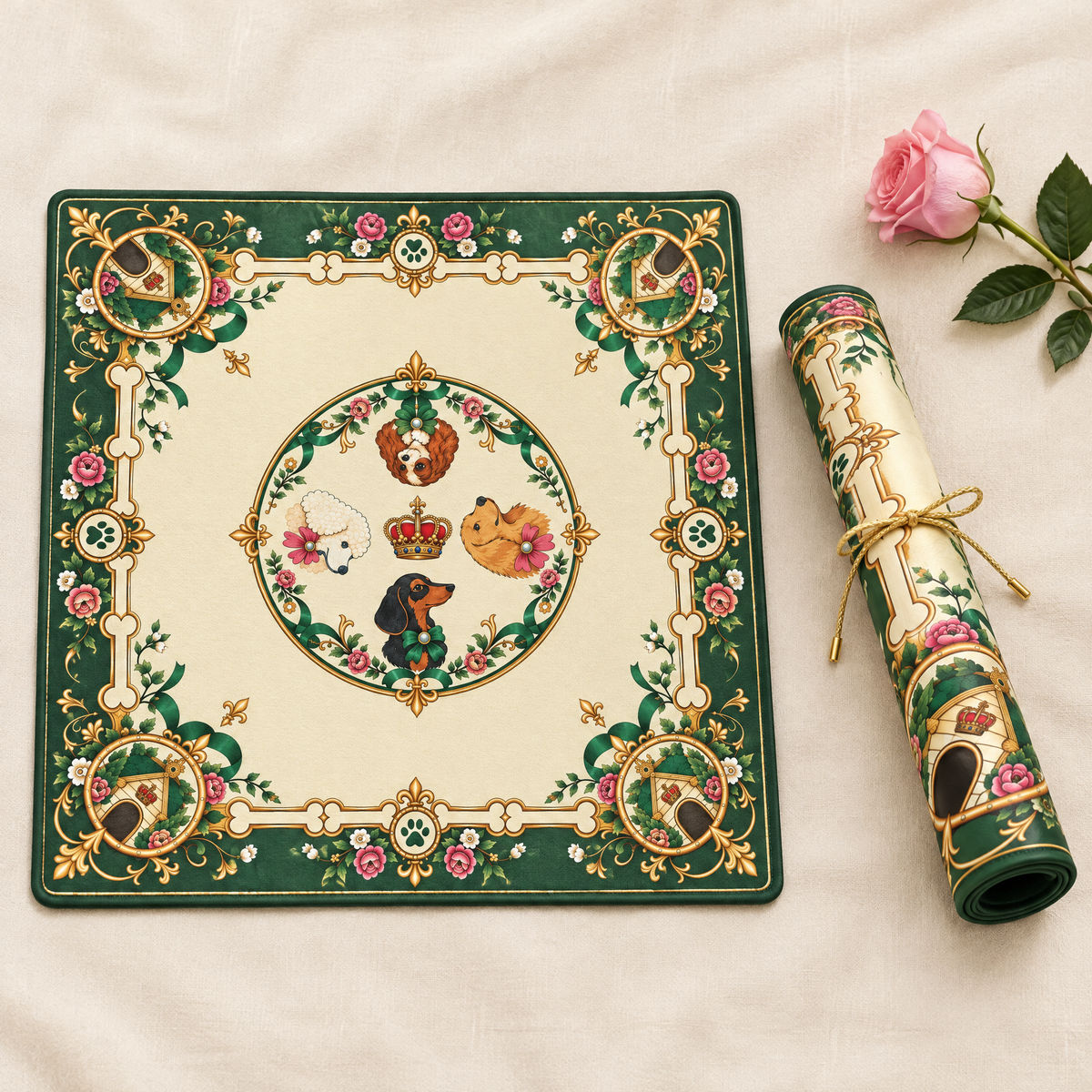
Store your mahjong mat flat in a cool, dry place, or roll it loosely around a tube to avoid permanent creases that interfere with tile grip. Never fold it in half or bundle it tightly. Keep it away from direct sunlight, heat, and damp basements; humidity encourages mildew and warping. For frequent players, a dedicated mat bag or protective case prevents dust, spills, and creases between games. If your mat begins to curl or wrinkle after storage, lay it flat under light weight (not books, which mark it) for 24–48 hours, or use a gentle steam iron on the reverse side at low heat—never the playing surface. Check the seams and edges monthly for fraying, especially if you use it weekly. Mahstead mats ship in protective packaging and are designed to stay flat during storage; storing yours the same way extends its life by years.
Should I roll or lay flat a mahjong mat?
Lay your mat flat whenever possible. Rolled storage works for short trips (a week or two), but flat storage prevents the permanent memory that rolled mats develop. If you must roll, use a tube at least 3 inches in diameter—rolling around a paper towel tube or thin dowel applies too much pressure and creases the fabric. Never fold. Flat storage on a shelf, under a bed, or on top of a closet rack is ideal for mats you use weekly.
How does humidity damage a mahjong mat?
Moisture causes mildew stains, promotes mold growth in seams, and softens the mat's non-slip backing, making tiles harder to push cleanly. Store mats in rooms below 60% relative humidity—avoid basements, garages, and kitchen cabinets near steam. If you live in a humid climate, toss a small silica gel packet in the storage area. Inspect your mat every two weeks for dark spots or a musty smell; if you spot mildew, wipe the affected area with a damp cloth and 1% bleach solution, dry immediately with a towel, and air in sunlight for at least 4 hours before storage.
What's the best way to transport and store a mat between games?
Use a dedicated mahjong bag or case designed for mats—these protect against creasing, dust, and accidental spills on the way to and from your game table. Lay the mat flat inside the bag if the bag is deep enough; if it has to be rolled, follow the tube rule above. Never store a mat crammed into a corner of a regular tote or gym bag, where it will wrinkle and absorb odors. Mats stored between games in a proper case retain their surface texture and grip far longer than those left exposed or bundled in blankets.
Does sunlight fade or damage mahjong mats?
Yes. UV light fades printed designs and can degrade the fabric's fibers over time, making the mat brittle. Keep mats out of direct window light; if your storage area has windows, use a curtain or move the mat to a closet or cabinet. Fading happens slowly but is permanent, so prevention is easier than repair. A mat stored in shade for a year will look noticeably fresher than one stored in a sunny corner.
How do I fix wrinkles after storage?
Lay the mat flat on a clean, firm surface for 24–48 hours under light, even weight (a second mat, a board, or folded blankets—not a stack of books). The wrinkles usually release on their own. For stubborn creases, set a clean iron to low heat (under 250°F), place a thin cloth between the iron and the mat's back, and press gently for 5–10 seconds per area. Never iron the playing surface directly; the heat can damage the top layer's texture. Test a corner first. If wrinkles persist after ironing, they're usually cosmetic and won't affect gameplay—pushing tiles will normalize the surface over a few sessions.
Storage Method | Best For | Pros | Cons |
Flat on shelf | Long-term home use | No creases, easy access | Needs dedicated space |
Flat under bed | Seasonal or backup mat | Protected from light, space-efficient | Hard to retrieve, dust risk |
Rolled loosely (3″+ tube) | Travel, 1–2 weeks away | Portable, saves space | Develops memory creases |
Mat bag or case | Between-game storage | Protects from dirt/spills, easy carry | Extra cost, still needs flat storage later |
Closet or cabinet | Regular use | Climate-controlled, dark | Must check humidity |
🀄 Shop best-selling mahjong sets →
What should I check before storing for the season?
Before long-term storage (more than a month), give your mat a gentle once-over: wipe the surface with a dry microfiber cloth to remove dust and tile residue, inspect seams and edges for loose threads or fraying, and confirm it's completely dry. If your mat is damp from recent use or humidity, let it air dry for at least 8 hours before storing. Check that any non-slip backing or grip texture on the underside is intact—if it's peeling, your tiles won't push smoothly when you play again. Store the mat in its own space, away from other items that might crease, crush, or stain it. Never store a mat next to food, water bottles, or anything that could leak.
A Storage Decision Framework
Ask yourself these three questions before choosing a storage method:
How often do I play? (Weekly → flat storage. Monthly or less → bag or case. Seasonal/occasional → climate-controlled cabinet.)
How much space do I have? (Spare closet shelf → lay flat. Limited space → roll on tube or use a bag.)
What's my climate like? (Dry, cool → any method works. Humid or hot → airtight case with silica gel.)
Your answer determines whether flat storage is practical for you or whether a bag or case becomes essential. Most of us with a regular game night store our mats flat on a shelf and use a case only for transport.
🎁 See our most-loved mahjong sets & accessories →
What's the difference between a mat case and a table cover?
A mat case is a protective sleeve designed to hold a rolled or flat mat during storage and transport; it's not meant for play. A mahjong table cover or mat is laid directly on your table surface before each game and stored afterward. Covers sit on top of furniture; mats are permanent playing surfaces. If you already own a mat, you may also want a case for travel. If you're starting fresh, choose a mat first based on your table size and grip preference, then decide whether you need a case for portability.
Storage Checklist: Before You Put Your Mat Away
[ ] Mat is clean and completely dry (no moisture or food residue)
[ ] Seams and backing are intact; no tears or peeling
[ ] Storage area is 50–60% humidity or lower (no basement or damp closet)
[ ] No direct sunlight will reach the mat during storage
[ ] Mat is laid flat, not folded or crammed into a corner
[ ] Silica gel packet or moisture absorber is in place (if humid climate)
[ ] Storage area is pest-free and away from food or water
[ ] You've noted the storage location so you can find it next season
Seasonal Care for Frequent Players
If you play year-round, inspect your mat every month: wipe it down, check for any discoloration or odor, and confirm the backing is still grippy. In winter, heating systems dry the air (good for storage), but in summer, humidity rises—monitor it more closely. If you store a mat between May and September in a humid region, check it every two weeks for mildew. Rotate your mat 180 degrees every few months if it sits in the same spot; this prevents uneven fading and surface wear. After three to five years of weekly play, most mats show normal wear on the corners and edges—this is cosmetic and doesn't affect function, but if creases become deep, a replacement mat is a worthwhile investment.
✨ Find your Mahstead set — free US shipping →
Real Storage Mistakes We See
Folding the mat in half. This creates a permanent crease down the center that never fully disappears. Even if you flatten it for weeks, the crease returns the moment the mat bends again. Avoid it entirely.
Storing a wet or damp mat. This is the fastest way to trigger mildew. Always air-dry before storage, even if it takes an extra day.
Rolling it too tightly or around a thin object. Tight rolls compress the backing and create memory creases. The mat loses its grip and playing surface smoothness.
Stacking heavy objects on top. Books, weights, and other items crush the mat and damage the backing's texture. Light, even weight only.
Leaving it in a car during summer. Heat warps the mat and damages the backing. Indoor, climate-controlled storage always.
What You'll Need for Year-Round Mat Care
A dry, flat shelf or under-bed storage space
A protective mat case or bag if you travel to games
A microfiber or soft cloth for cleaning
Silica gel packets (if you live in a humid area)
A low-heat iron and thin cloth (for wrinkle removal, optional)
Final Thoughts
Your mahjong mat is the foundation of a smooth, consistent game. Storage is simple: keep it flat, keep it dry, keep it clean. If you play weekly and store at home, flat storage on a shelf costs nothing and works best. If you travel or play seasonally, a good mat bag keeps your investment protected. Check it monthly, air it out seasonally, and it will outlast several sets of tiles. We've watched players damage mats in weeks through careless folding, and we've seen mats stay game-ready for a decade because they were stored right from day one. The difference is discipline, not money.
FAQ
Can I store my mat rolled up permanently?
Rolling works for a few weeks, but permanent storage on a roll creates irreversible creases that compromise tile grip and playing feel. Flat storage is always better for mats you'll use regularly.
How do I know if my mat has mildew?
Look for dark spots, discoloration, or a musty smell, especially in seams or corners. Wipe with a 1% bleach solution and air-dry in sunlight for at least 4 hours before returning to storage.
Does cold storage damage a mahjong mat?
No, cold is actually preferable to heat and humidity. Unheated garages or basements are risky only if they're damp; a cold, dry attic or closet is fine.
Should I use a plastic storage bag?
Airtight plastic can trap moisture if the mat isn't completely dry. Use breathable fabric cases instead, or store the mat in a well-ventilated closet. Add silica gel if your climate is humid.
How often should I check on a stored mat?
Monthly for mats in storage longer than three months; more frequently (weekly) if you live in a humid climate. Quick visual inspections take 30 seconds and catch problems early.
What's the ideal humidity level for mat storage?
Between 30% and 60% relative humidity is safe. Below 30% is too dry and can make the mat brittle; above 60% invites mildew. Use a cheap humidity meter to monitor your storage space.


View More
View More
View More
