
Fundraiser Mahjong Cake Ideas: Designs That Win
Last updated: Nov 23, 2026
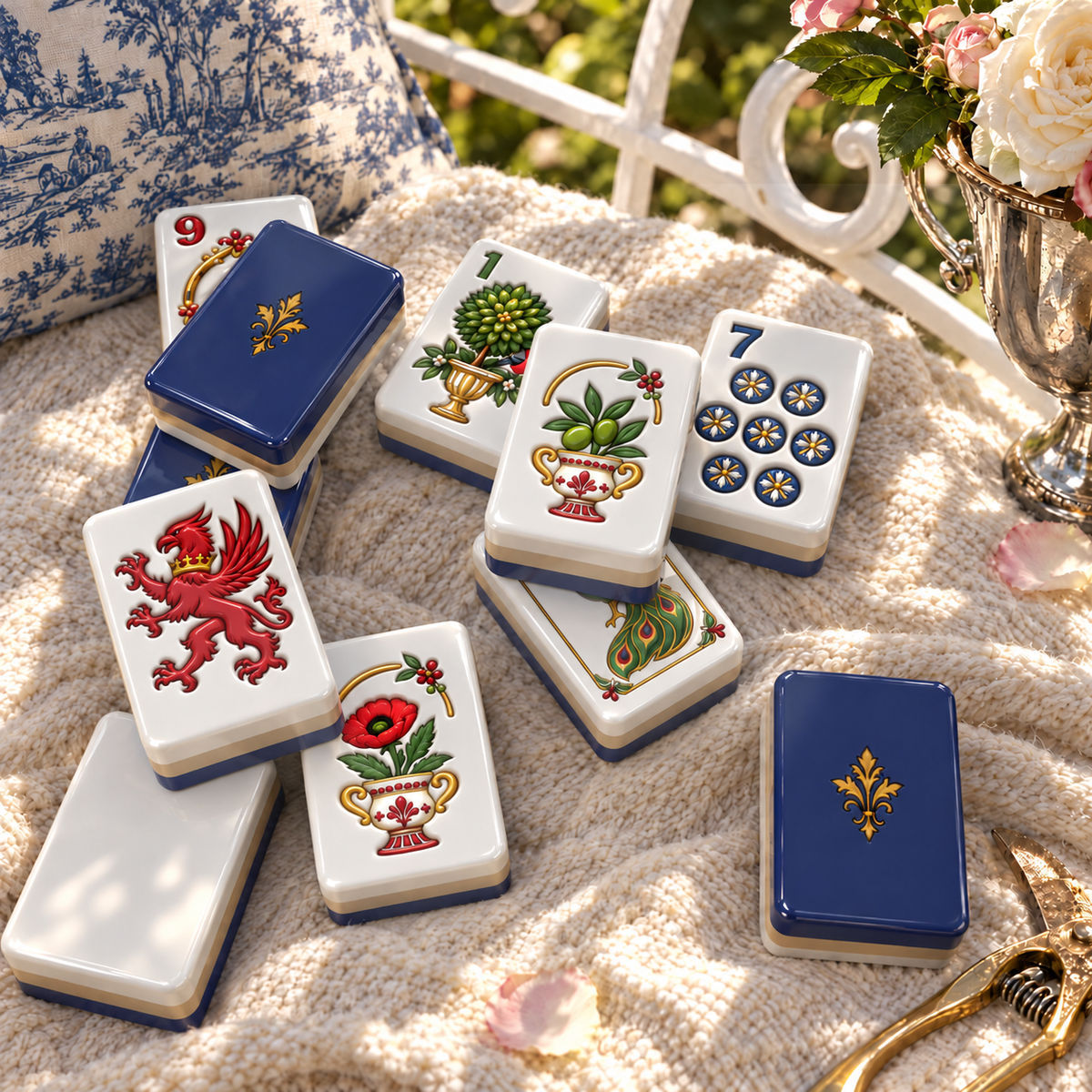
Mahjong-themed cakes work best when they echo the game itself: a three-tiered "hand" showing pung patterns, a flat layout of fondant tiles in suit colors (Bam red, Crak green, Dot blue), or a cheeky "all kongs" tower. Most bakers charge based on complexity and headcount; a small 8-inch round feeds 20–25, while a sheet cake for 60+ guests runs longer and wider. The safest plays are hand-painted tile representations, fondant dragons and winds, or a simple checkerboard pattern in tile colors. Avoid tiny fondant jokers (they crack) and overstuffed scenes. Pair your cake reveal with a tangible keepsake—a custom engraved American mahjong set turns the moment into a lasting fundraiser memory, and most guests leave with a tile set memory, not just a photo.
A mahjong cake adds elegance and humor to a fundraiser—but what design actually lands? We break down themes, sizing, and how custom tile sets make the perfect companion gift.
What tile pattern reads best on a cake?
Fondant pung patterns (three identical tiles) and kong stacks (four tiles) are instantly recognizable to players because they mimic actual hands. A three-tile pung in Dot blue, Bam red, and Crak green arranged vertically or in a cluster is simple, bold, and looks good from six feet away. Dragons (Red, Green, White) also photograph well as fondant appliqués. Avoid mixing high detail with tight layouts; bakers struggle with tiny numbered tiles, and thin fondant cracks under humidity. A tile-border frame around a solid color is forgiving and elegant. Use the traditional suit colors: reds for Craks, greens for Bams, blues for Dots—players will instantly see it as mahjong, not generic game imagery. One layer with a clean tile motif beats a crowded two-tier cake; simpler is faster to bake and ships better if the cake must travel.

How many servings do you need for a mahjong fundraiser?
A standard 8-inch round cake (single layer or two stacked) serves 20–25 people and fits a 12-foot table. A 9×13-inch sheet cake feeds 45–60 depending on portion size. For a tournament with 15–20 players, budget a 6–8-inch cake plus petit-fours or cupcakes. For a gala silent auction where the cake is a centerpiece and dessert, a show-stopper 10-inch or tiered design justifies higher cost because it's both edible and décor. Ask your baker for a cutting diagram before final sizing; some designs don't divide evenly. If the cake is the main prize (raffle or auction), smaller and photogenic beats large and plain. Order one week ahead if the design is custom; two weeks is safer for fondant work in humid climates. Serve the cake last, after the tournament or main event; cold cakes slice cleaner than room-temperature.
What's a memorable color scheme for a mahjong cake?
The three-suit palette (red, green, blue) is mahjong's visual shorthand and needs no explanation. A white or ivory background with red-green-blue accents pops on any table. Gold leaf or edible shimmer on dragon toppers adds luxury without jarring against traditional colors. Black-and-white geometric patterns (checkerboard, tile lines) are timeless and legible in photos. Avoid pastel mahjong or too many accent colors; it reads as generic "Asian" rather than specifically mahjong. If your fundraiser has a theme (e.g., Spring Garden, Vintage Night), add one tie-in color (blush pink, sage green) as a border, but keep the tile motif primary. Monochrome (all white with white fondant tiles outlined in dark fondant or icing) is chic and modern. The cardinal rule: if a player can't identify it as mahjong at arm's length, the design didn't work. Test your color scheme against a photo of the venue; bright lighting can flatten soft pastels.
Cake Design | Effort & Cost | Serves | Best For | Why It Works |
Tile-border frame (one color, 3-tile motif) | Low–med | 20–30 | Small dinner, club event | Elegant, forgiving, fast to frost |
Tiered hand (pung/kong stack, fondant) | Med–high | 30–50 | Tournament, silent auction | Dramatic centerpiece, photographs huge |
Sheet cake with tile grid overlay | Low | 45–70 | Large fundraiser, gala | Feeds crowds, easy cutting, minimal decay |
Dragon or wind character toppers | Med | 20–40 | Couples' event, executive fundraiser | Sophisticated, symbolic, personal if monogrammed |
Checkerboard or geometric pattern | Low–med | 25–40 | Modern gala, corporate sponsor | Bold and graphic, reads well in photos and videos |
How do you make the cake reveal feel like an event?
Announce the cake cut 30 minutes before serving; let the crowd gather. Have the baker or a player describe the design—name the suits, point out the pung or kong pattern, tell a joke about the "winning hand" motif. Light the cake (if it's safe with fondant) for two to three seconds; photos matter. If the cake is a raffle prize, draw the winner, have them make the first cut, and serve them first. Pair the cake moment with a giveaway: hand out small custom tile sets, dice in branded pouches, or engraved racks as parting gifts. This turns dessert into memory. If your fundraiser includes a mahjong tournament, award the cake to the day's highest-scoring table or let players vote. The game itself builds anticipation; the cake becomes the reward ritual. Timing is everything—serve too early and it dries out; too late and guests have left.
🀄 Shop best-selling mahjong sets →
How do branded tile sets elevate a fundraiser moment?
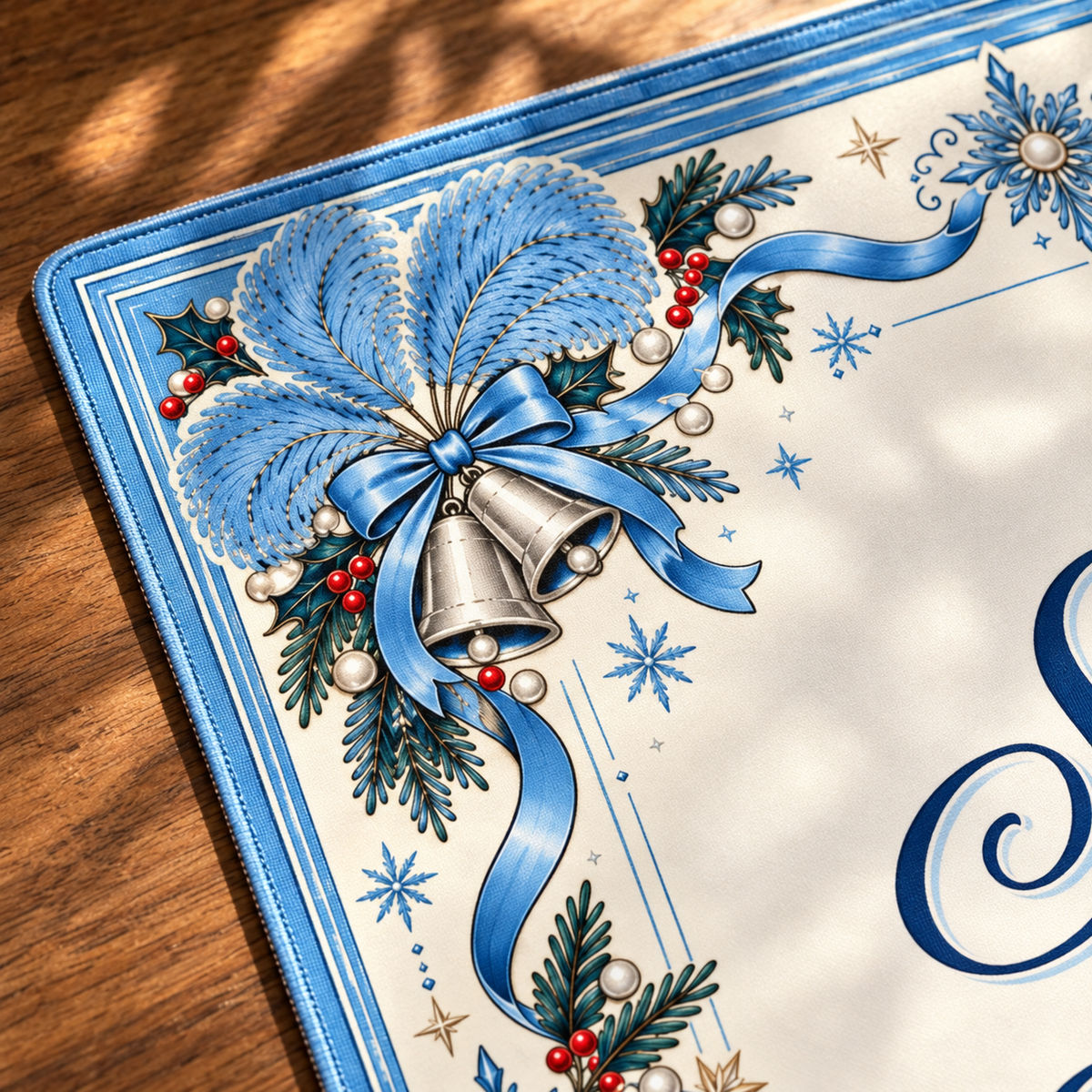
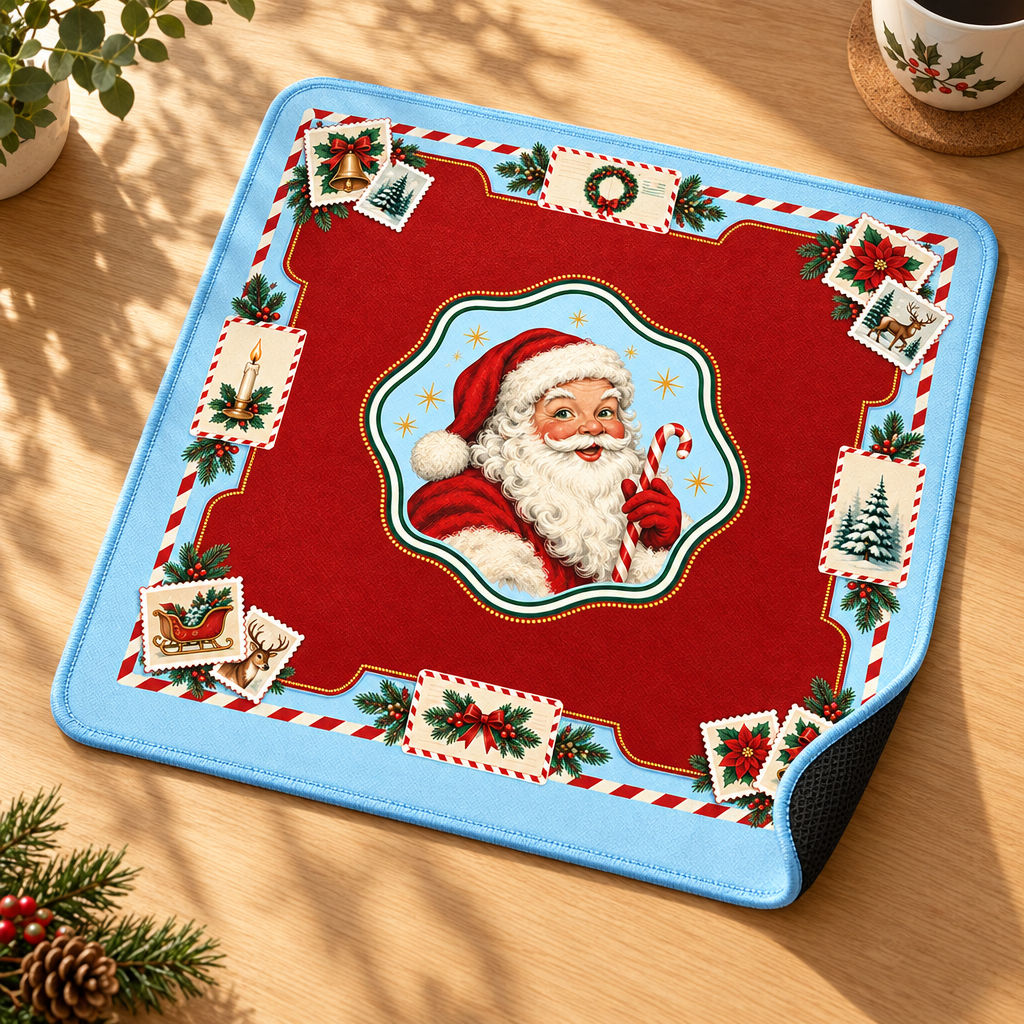
When guests leave with a custom engraved American mahjong set, the cake isn't just sugar—it's the opening act. Engrave a message, event name, and date on the acrylic tile racks or the set box itself. This transforms a one-time dessert into a 12-month talking point. Guests set the game up at home, see the inscription, and remember the fundraiser every time. A full 160-tile best-selling mahjong set is too generous for every attendee, but a set per raffle winner or per team makes sense. For a corporate fundraiser, one branded set as the centerpiece trophy, auctioned off mid-event, can yield significant bids. Pair it with a custom mahjong mat in the event's colors, and the whole bundle becomes collectible. Players talk about gear; gear makes fundraisers stick.
What should you check before you buy?
Confirm cake timeline and climate. Fondant holds best in cool (<70°F), dry venues. Outdoor summer events require a backup plan (refrigerated tent, minimal fondant, maximum icing structural support). Ask the baker for photos of previous tile work.
Verify tile colors match the real game. Show the baker a reference image of actual Bam (red), Crak (green), and Dot (blue) tiles; color variance can ruin the reveal. Bring a sample tile or photo of your own set to the consultation.
Set a budget per serving. Fondant detail costs more than standard frosting. A simple tile-border cake is affordable; a full tiered hand with hand-painted dragons is premium. Don't over-spec; simpler cakes travel, hold up, and photograph better.
Book at least 7–10 days early if the design is custom. Last-minute cakes default to buttercream and basic piping, not fondant tile work.
Plan the reveal logistics. A cake looks good only if the room can see it. Position it on a high table, ensure a clear sightline from the mahjong tables, and have a phone-friendly lighting setup (avoid harsh shadows on tile details).
🎁 See our most-loved mahjong sets & accessories →
FAQ
Can I use a photo of an actual mahjong hand on the cake?
Yes—edible printing of a hand layout or a single high-value hand pattern works well. Ask the baker about resolution; pixelation shows up in photos. Fondant-molded 3D tiles photograph better than printed images and last longer without fading.
What if guests don't know mahjong—will they get the cake?
Absolutely. A tile pattern in red, green, and blue reads as a game or puzzle regardless of knowledge. Name the design on the menu ("Winning Hand Cake" or "Dragon's Fortune Tier") so guests understand the theme. Even non-players enjoy the visual.
How far in advance should I order a mahjong cake?
Two to three weeks for complex fondant work; one week for simple icing designs. If summer humidity is high or the venue is outdoors, order earlier and confirm the baker's backup plan for fondant stability.
Should I buy matching mahjong sets to give alongside the cake?
Pairing a small custom set with the cake moment creates a stronger memory. A single engraved set as the raffle or auction prize is ideal. Full sets per guest are generous; consider sets for top fundraisers or sponsors, and keepsake pouches of dice for others.
What's the best way to transport a fondant tile cake?
Use a rigid box with a non-slip mat or damp cloth on the base. Never stack. If traveling more than 30 minutes by car, keep it in air conditioning. Avoid placing it on a soft seat or near heat vents. Ask the baker for transport tips; some redesign tall cakes slightly for travel stability.
Can I do a mahjong cupcake tower instead of a single cake?
Yes—cupcakes are easier to portion, transport, and serve. Individual fondant tile toppers on 25–30 cupcakes create the same visual impact and are less fragile. Stack them in a tiered stand for a dramatic reveal, then hand them out. Non-players find individual servings less intimidating.
How much should I budget for a custom mahjong cake?
Ask your local baker for an estimate; most charge per serving and complexity. Budget planning is best done with the baker directly rather than online estimates. Fondant tile work adds labor compared to standard frosting designs. ✨ Find your Mahstead set — free US shipping →


View More
View More
View More
