
How Long Do Melamine Mahjong Tiles Last?
Last updated: Nov 23, 2026
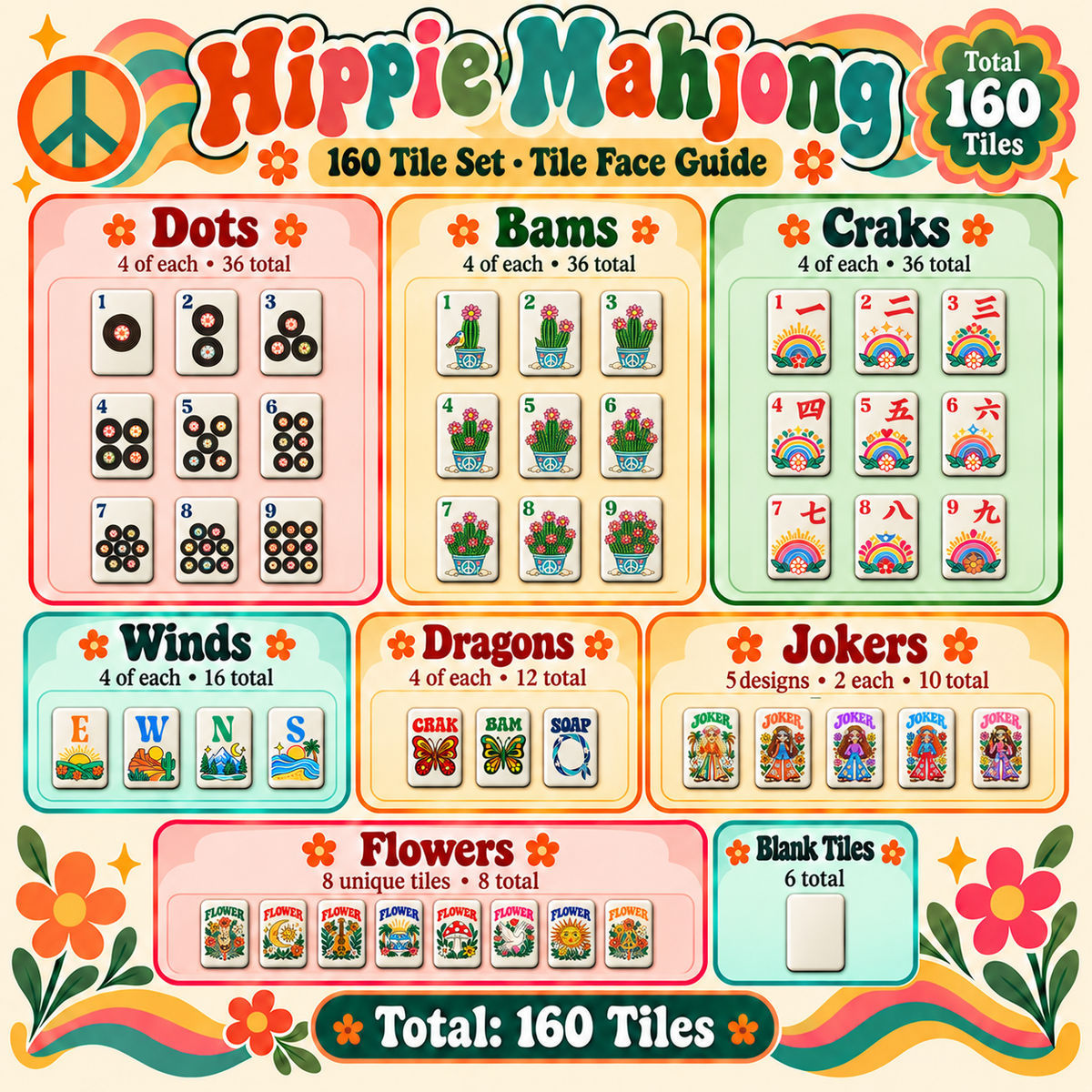
Melamine tiles—the durable acrylic resin used in most American mahjong sets today—last 5–10 years with regular weekly play before cosmetic wear shows. The actual game lifespan is often longer; tiles remain playable for 15+ years if stored indoors away from direct sunlight, heat, and moisture. Wear appears as slight surface dulling, minor scratches, or fading of engraved text, especially on frequently exposed tiles (racks, the wall). Factors that shorten lifespan: outdoor storage, temperature swings, wet hands, rough handling, and abrasive surfaces. Bone or bamboo sets, by contrast, chip and crack within 3–5 years under the same conditions. We recommend our engraved American mahjong sets because the acrylic core resists delamination and the engravings are sealed into the material, not printed on top, so they won't fade with normal use.
What causes melamine tiles to wear out faster?
Melamine is resilient, but environmental stress and handling habits age tiles quickly. Heat warping—especially in cars or sun-facing rooms—causes tiles to bow and jam in racks. Moisture penetration, either from humid basements or wet hands during play, can loosen the brass rivets holding tile faces together and promotes surface clouding. Abrasive play surfaces (bare wood, concrete tables, or grout-textured mats) scratch the face and wear engraving faster than smooth felt or rubber. Repeated shuffling on unforgiving surfaces and stacking tiles in unstable piles add micro-fractures. Storage in attics or garages without climate control cuts a set's lifespan in half. The good news: none of these failures render tiles unplayable—they just look tired.

How do you know when to replace melamine tiles?
Signs of aging come gradually. First, you'll notice text engravings—especially on 1 Bams, dragons, and winds—fading enough that you squint under poor light. Next, the tile surface loses its gloss and turns slightly chalky or dull. Scratches and small scuffs become visible on the face. The set still plays perfectly; these are cosmetic. True replacement triggers are rare: a cracked face, a jammed rivet that causes tiles to stick together, or delamination (the face separates from the backing). For weekly players, that's uncommon before year 12–15. If your set is 8–10 years old and you host every week, replacing it isn't urgent but becomes a refresh opportunity, especially if you want modern engravings or a different design.
How does storage affect the lifespan of your set?
We've seen sets stored in basement closets last half as long as those kept in climate-controlled living rooms. Humidity above 60% and temperature swings (especially in seasonal climates) accelerate material fatigue. The brass rivets rust slightly in damp air, and the melamine absorbs moisture, which causes almost invisible swelling and contraction that stresses the glue bonds. Sunlight fades engraved pigments and can soften the resin over years. The ideal storage is a cool, dry closet indoors at 40–60% humidity and 65–75°F. Use a mahjong bag or case rated for your set size—it protects from dust, accidental drops, and moisture. A sealed plastic bin with a silica packet works well for long-term storage. Never store tiles loose in a garage, attic, or vehicle.

Melamine vs. bone: which lasts longer?
This is the clearest comparison. Melamine tiles remain playable for 15+ years with indoor storage; bone tiles chip, crack, or develop stress fractures within 3–5 years, even with careful handling. Bone is porous, so moisture and temperature changes damage it faster. Melamine's non-porous surface is far more forgiving. Bamboo backing—common in cheaper sets—delaminates within a few years if humidity spikes. The trade-off: melamine lacks the heft and luxury feel of bone, and some players prefer bone's warmth. But if you play weekly and want tiles that will outlast a decade, melamine wins decisively. We stock only melamine sets because durability and value align with what weekly players actually need.
Material | Years to visible wear | Years to unplayable state | Best for | Notes |
Melamine (acrylic resin) | 5–10 | 15+ | Weekly players, long-term ownership | Non-porous, resists moisture and temperature swings |
Bone (authentic or composite) | 1–3 | 3–5 | Collectors, occasional play | Porous, prone to chips and cracks |
Bamboo backing | 2–4 | 4–8 | Budget sets, light play | Delaminates quickly in humidity |
✨ Find your Mahstead set — free US shipping →
How do you extend melamine tile lifespan?
Play on a smooth surface: use a mahjong mat with felt or soft rubber rather than bare wood or glass. Avoid shuffling tiles on hard surfaces; use a quiet shuffling technique or a mat with raised edges that contain them. Keep hands dry during play—wet fingertips accelerate rivet corrosion and surface clouding. Store the set indoors in a stable climate; a closet beats a basement every time. Use racks with pushers to reduce manual tile handling and the stress from constant picking and placing. Don't stack tiles outside their racks unless necessary, and never leave a set exposed on the table for weeks. Dust occasionally with a soft dry cloth; avoid water or cleaners. These habits alone extend your set's cosmetic lifespan by 3–5 years and reduce the risk of damage from 10% to under 1% per year.
🎁 See our most-loved mahjong sets & accessories →
What to check before you buy a melamine set
Inspect the engravings before play: they should be crisp and filled with a contrasting color, not surface-printed or faint. Deep, sealed engravings resist fading far longer than shallow or painted ones. Check tile weight—heavier tiles (11–12g each) indicate denser resin and longer lifespan. Verify the set includes 160 tiles (the full 152-tile game plus spares); short sets lack replacement jokers if one cracks. Confirm the box and bag are sturdy enough for weekly transport. Ask the seller about the rivet type; brass rivets outlast plastic ones by years. Finally, store the set indoors from day one. These checks cost five minutes and can add years to your tiles.
🀄 Shop best-selling mahjong sets →

FAQ
Can you restore faded melamine tile engravings?
No. Once melamine engravings fade, they're permanent—the color is sealed into the material and can't be refreshed. Prevention (dry storage, no sunlight) is your only option.
Do melamine tiles ever become unsafe to play with?
Rarely. A cracked face or split rivet is uncommon before year 12–15. Tiles remain playable even with visible wear; safety isn't the issue, enjoyment is.
How often should weekly players replace their set?
Most weekly players keep a set for 10–15 years. If you play twice weekly, expect visible wear by year 8–10 and consider a refresh then if appearance matters to you.
Will a melamine set last through one season of vacation-home play?
Yes. Seasonal play (20–30 times per year) means a melamine set will easily last 20–30 years. Your storage between seasons is the critical factor.
What's the difference between melamine and acrylic tiles?
Melamine is acrylic resin; the terms are used interchangeably in mahjong. Both refer to the same durable, non-porous synthetic material that outlasts bone.
Should I buy a backup set while my current one is still good?
If your set is 8+ years old and you play weekly, a backup is smart. Sets sell out seasonally, and replacing a worn set mid-season can be frustrating. A backup ensures you never miss a game.


View More
View More
View More
