
Fujian Mahjong Tile Set: What to Know Before You Buy
Last updated: Nov 23, 2026
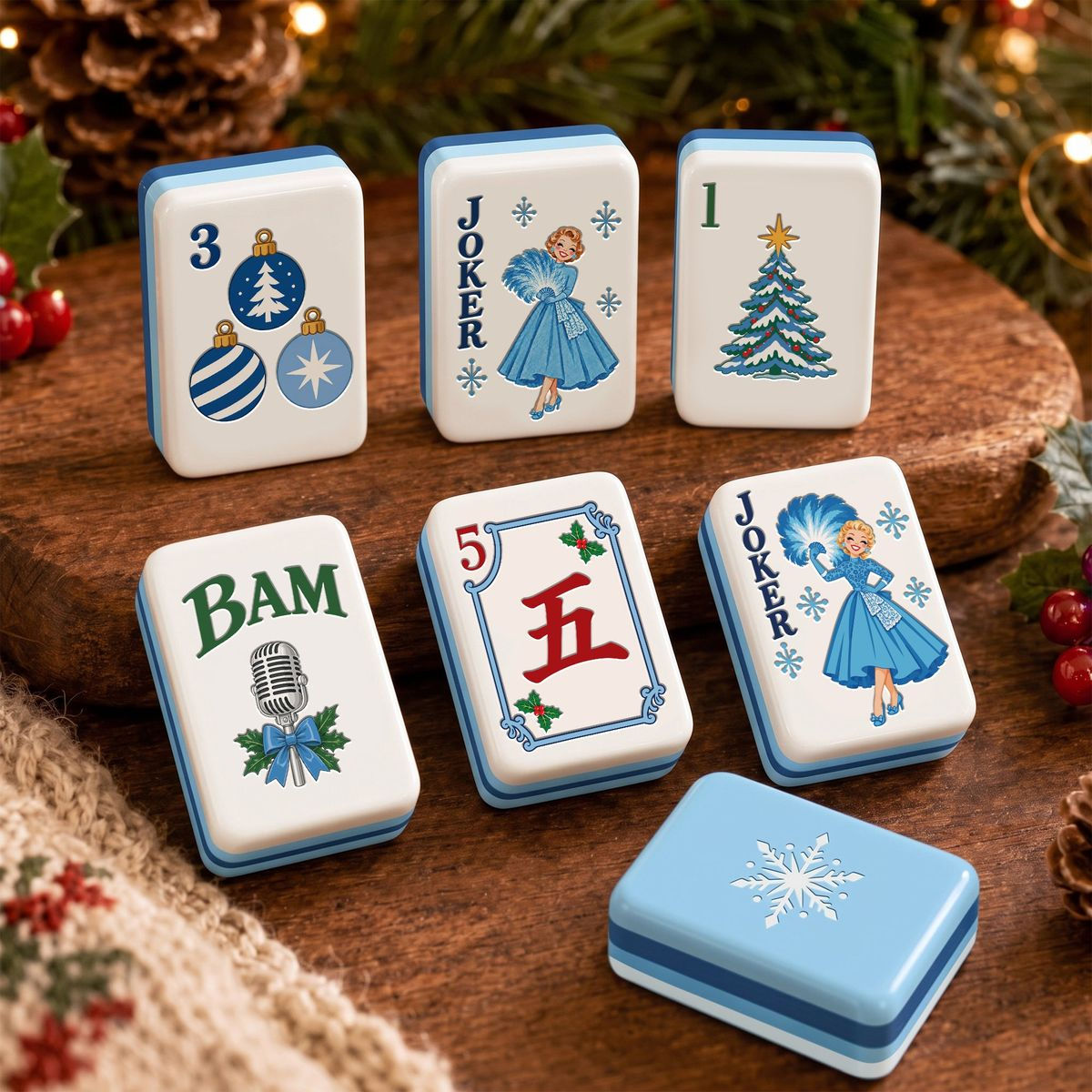
A Fujian mahjong tile set consists of hand-painted tiles, typically carved from bamboo, bone, or resin, originating from Fujian Province in southeastern China. These sets follow Chinese or Hong Kong mahjong rules—not American rules—and contain 136 tiles (not the 152 tiles American mahjong uses), including characters (Wans), circles (Pins), and bamboo (Sou) suits, plus winds, dragons, and flowers. Tiles are heavier and thicker than acrylic American sets, with intricate hand-painted artwork. Costs vary widely based on material (bone costs more than bamboo or resin) and age; antique sets command premium prices. Fujian sets require learning different hand patterns, scoring systems, and tile-passing protocols than American mahjong. If you play American mahjong weekly, a Fujian set won't work for your current game—you'd need to learn an entirely different variant. We recommend confirming your table's rules and regional preference before investing, since switching between American and Chinese mahjong rule systems mid-season creates confusion and adds setup time. 🀄 Shop best-selling mahjong sets →
What makes Fujian tiles different from American mahjong sets?
Fujian tiles follow Chinese or Hong Kong mahjong, played with 136 tiles in three core suits (Wans, Pins, Sou) plus winds, dragons, and flowers—completely different hand patterns, scoring, and tile-passing rules than American mahjong's 152-tile system. American mahjong uses acrylic tiles in standardized designs and depends on the current year's National Mah Jongg League card; Fujian mahjong relies on memory and centuries of regional conventions. Hand-painted details on Fujian tiles reflect regional artistry rather than uniform printing. If your table plays American mahjong, switching to Fujian tiles means relearning the entire game.

Are Fujian tile sets made from bone, bamboo, or resin?
Fujian sets traditionally use bamboo, bone, or modern resin, each with trade-offs: bone is heaviest and most durable, commanding higher prices; bamboo offers warmth and classic appeal at mid-range cost; resin (often labeled as "artificial bone") is lightest, affordable, and resistant to moisture but lacks authenticity. Hand-painted artistry appears on all three materials. Bone tiles click distinctly when played, prized by serious players. Bamboo absorbs humidity and may warp in damp rooms. Resin tolerates casual storage better. Choose based on your climate, storage space, and budget.
How do Fujian mahjong rules differ from American mahjong?
Chinese mahjong uses 136 tiles and winning hands called "melds" built from sequences (chow: three consecutive numbers) and pungs (three identical tiles), unlike American mahjong—which has no sequences and only uses the current year's card. Hong Kong variants add "kongs" (four identical) and scoring multipliers unknown to American play. Tile-passing (the Charleston in American mahjong) doesn't exist in Fujian systems; players draw and discard in turn order instead. Winning hands in Chinese mahjong often require specific patterns (e.g., all one suit, all terminals) rather than matching a printed card. Learning Fujian mahjong takes weeks to months if you've only played American; don't expect to pick it up during one casual session.

What should you check before buying a Fujian mahjong tile set?
Before ordering, verify (1) your table's actual game variant—ask directly whether players follow American, Chinese, Hong Kong, or another regional ruleset; (2) tile material and weight preferences of your co-players; (3) storage conditions in your home (humidity, temperature swings); (4) whether painted details fade with frequent use; (5) whether the seller provides a rule guide or tutorial; (6) whether the set includes flower tiles and all winds (some sellers omit these); (7) return or warranty terms if tiles crack or paint chips. Inspect photos closely for hand-painted clarity and symmetry. Ask the seller how many hours of use the paint typically lasts before fading—honest sellers give a realistic answer, not a guarantee. If you play American mahjong currently, don't buy Fujian tiles expecting them to work at your table without explicit buy-in from the group first.
🎁 See our most-loved mahjong sets & accessories →
Which variant do most American players actually use?
Nearly all organized American mahjong play follows the National Mah Jongg League ruleset, played with 152 American tiles, the annual card, and acrylic or Bakelite sets designed for that exact system. Casual American players may experiment with other variants, but competitive leagues and club events require American-standard equipment and hand validation against the League card. If your group plays in a formal league or attends tournaments, you must use an American set—Fujian sets are not permitted. Casual home games sometimes blend rules or teach Fujian variants alongside American, but this creates confusion unless everyone re-reads the rules beforehand. Stick to one ruleset per table, per session.
How do pricing and material quality compare across Fujian set types?
Material | Typical Price Range (basis: vendor market surveys) | Durability | Best For | Care Required |
Bone (traditional) | Higher end | Excellent; lasts decades | Serious collectors, frequent play | Dry storage, avoid harsh sunlight |
Bamboo (classic) | Mid-range | Good; may warp if humid | Players who want warmth and history | Moderate humidity control |
Resin (modern) | Lower to mid-range | Good; resistant to moisture | Casual players, humid climates | Minimal; wipe clean monthly |
Bone tiles are heaviest (8–10mm thick), prized by experienced players; bamboo tiles feel lighter and warm to the touch; resin tiles are uniform in weight and easiest to clean. Hand-painted Fujian sets across all materials cost significantly more than mass-produced generic sets because each tile receives individual artwork. Antique Fujian sets (pre-1980) fetch collector premiums and may have cracked or chipped tiles—not recommended for regular play unless you're a restoration enthusiast.
✨ Find your Mahstead set — free US shipping →
If you're committed to American mahjong, explore our best-selling mahjong sets—designed and engraved specifically for American play. We also stock mahjong mats sized to fit American 152-tile layouts, racks with pushers that hold American tile counts, and travel bags built for portability. Before you switch to Fujian tiles, confirm your table's actual game rules—and give everyone time to study the new variant together.
For beginners exploring American mahjong for the first time, our beginner's guide walks through tile names, hand patterns, and the Charleston; if you're already playing and want to deepen your skills, learn how jokers work and how to read the mahjong card for advanced strategy.

FAQ
Can I use a Fujian mahjong set to play American mahjong?
No. Fujian sets have 136 tiles with Chinese suit symbols; American mahjong requires exactly 152 tiles with English numbers and American suit names. Rule systems are entirely separate—you cannot swap tile sets between variants.
Are Fujian tiles hand-painted individually?
Most traditional Fujian sets include hand-painted tiles, meaning each tile receives artistry by hand—labor-intensive and more expensive. Mass-produced sets use printing or stamping instead. Check vendor photos closely to confirm hand-painting before purchase.
How long does the paint on Fujian tiles last with regular play?
Hand-painted Fujian tiles typically show mild fading after 5–10 years of weekly play, depending on storage conditions and how gently tiles are handled. Bone tiles maintain paint longer than bamboo. Ask your seller for realistic wear estimates.
Do I need to know Chinese to play Fujian mahjong?
Not necessarily, but learning character tile names (Wans, Pins, Sou, winds, dragons) in Mandarin or Cantonese is standard. English-labeled teaching sets exist for beginners; your co-players will guide you through names during play.
Where can I find a group that plays Fujian mahjong in my area?
Search community centers, libraries, and cultural associations in your region; many host ongoing Chinese mahjong games or teach classes. Online forums and local meetup boards also advertise casual games, though you may need to ask about house rules and whether beginners are welcome.


View More
View More
View More
