
American Mahjong Set Buying Guide: Which One Fits Your Game
Last updated: Nov 23, 2026
An American mahjong set contains 160 tiles total—152 that play (three suits of 1–9 in four copies each, plus winds, dragons, flowers, and jokers) plus spares. Sets come in acrylic, with options for engraved titles, custom artwork, or minimal designs. Quality hinges on tile thickness, clarity, shuffleability, and strap durability. Most players choose based on whether they host weekly games, travel to play, or gift to others; we recommend shopping our best-selling collection to see which designs and sizes match your group. Expect to spend time comparing storage solutions (bags, cases, mats) because the right setup keeps tiles playable for years and makes setup faster.
What does "American mahjong set" actually mean? A standard American set is 160 tiles of acrylic or bone, always 152 playing tiles (never fewer) plus extras. It includes every tile you need to play by the current National Mah Jongg League card rules: no sequences allowed, jokers, flowers, four winds, three dragons, and no blanks in the core deck. Mahstead designs and ships 160-tile sets from Dallas with free US shipping. The "160" tells you there are spare tiles beyond the 152 you'll use each game—a buffer in case a tile chips or you lose one during travel.
Why does tile thickness matter when you're shuffling?
Thicker tiles shuffle more smoothly and resist cracking at the edges during rapid mixing. Standard American tiles are typically 3/16" or thicker; thin tiles (under 1/8") will show wear fast and stick together when humid. If you shuffle aggressively—the way most of us do in a four-player game—thinner tiles will feel slippery and develop micro-fractures. Check the product photo or description: if the edge profile looks razor-thin, it will frustrate you within a season of weekly play.

What's the difference between engraved titles and plain designs?
Engraved sets have permanent text or imagery laser-cut into the tile face, usually names or inside jokes ("The Tuesday Gang" or a year). Plain or minimalist sets show only the traditional suit symbols (Bam, Crak, Dot) and honor tiles. Engravings are conversation starters and perfect for gifts or commemorating a group; plain sets work for serious players who focus on the game itself and want zero visual distraction. Neither affects gameplay—it's pure personality.
Do you really need a storage bag, or is the box enough?
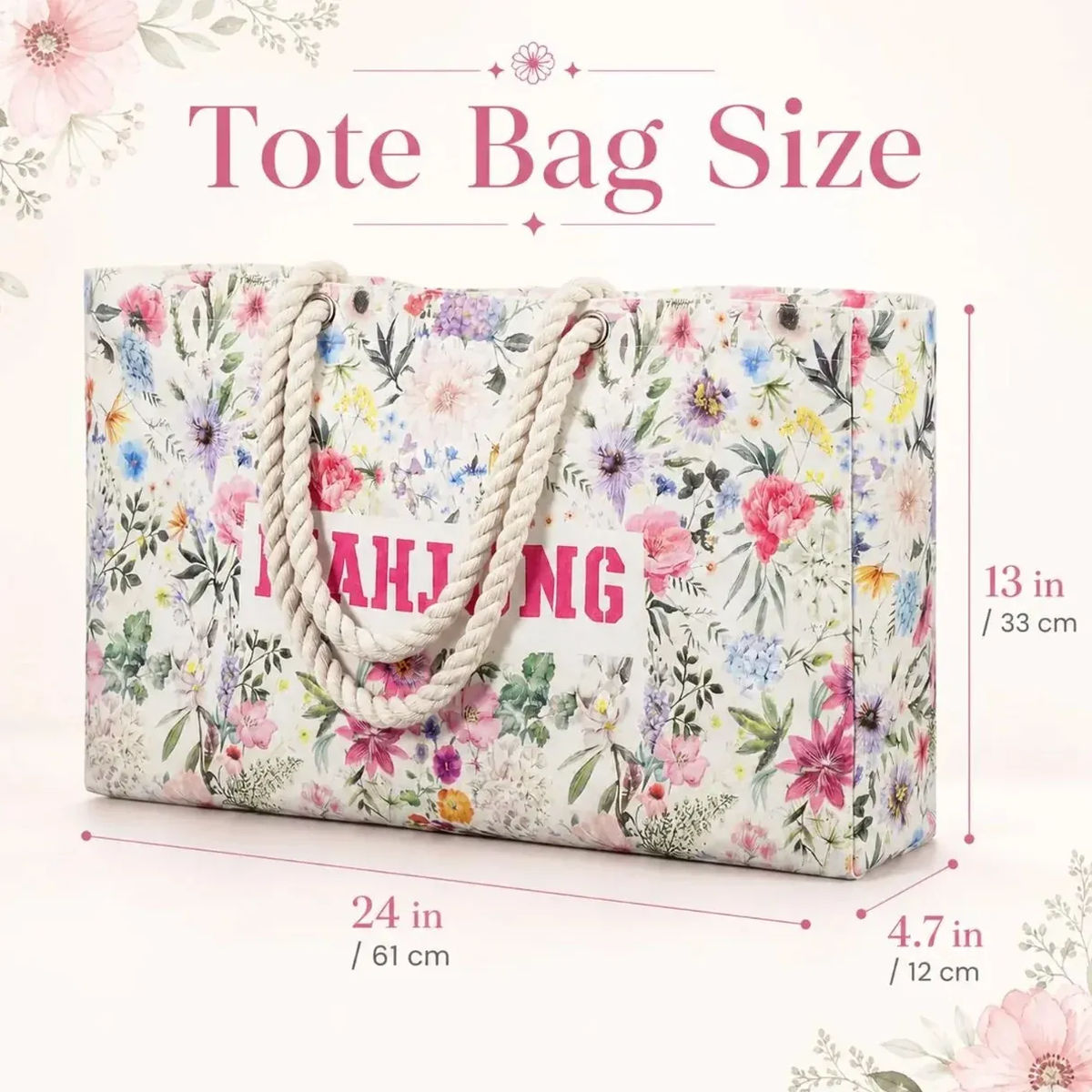
A travel bag keeps tiles, racks, mats, and dice together and protects them from moisture and dust during transport. The original box will crack or split after two seasons of going in and out of a car trunk. Most weekly players end up buying a mahjong bag or case within three months of their first set; it's easier than replacing broken tiles. Bags come in soft fabric (lighter, easier to store) or hard cases (maximum protection for serious travel).
How do mats and racks change the way you play?
A mahjong mat provides a designated playing surface with position markers, keeps tiles from sliding during shuffles, and protects your table. Racks with pushers hold your hand upright so you're not hunching over, and pushers let you extract tiles one-handed without fumbling. Neither is required to play, but both speed up games and reduce hand fatigue. Players who host weekly games almost always add both within their first year.
What should you check before you order?
Here's our table of what matters most when comparing sets:
Feature | Why it matters | What to verify |
Tile thickness | Durability & shuffleability | Photo shows clear edge profile; ≥3/16" ideal |
Acrylic vs. other material | Clarity, weight, temperature stability | Acrylic tiles stay clearer in sunlight than resin |
Engraved design or plain | Personal preference & gift appeal | Image preview available; font readability in photo |
Storage bag included | Convenience & protection | Product description lists what's packed |
Spare tile count | Peace of mind for replacements | 160-tile set = 8 extras; check product details |
Shipping timeline | Planning a game date | Free US shipping; no invented guarantees |
🀄 Shop best-selling mahjong sets →
Who should buy which type of set?
Casual home players or beginners: Start with a best-selling standard set in a neutral color. You'll learn the game without overthinking aesthetics. Add a mat and basic storage bag later as you build your collection.
Weekly host groups: Invest in a thicker-tile set with a bag, mat, and racks. You'll shuffle hundreds of times a year; durability pays off. Engraving with your group's name becomes a keepsake.
Gift-givers:Engraved sets with titles make memorable gifts for players who already know the game. A plain set works if you're introducing someone new.
Holiday or seasonal play:Christmas or themed mahjong sets suit players who want visual fun without commitment to a permanent group identity.
Frequent travelers: Prioritize a hard case and thicker tiles. Soft bags are lighter but offer less protection on airplanes or in car trunks over years of use.
🎁 See our most-loved mahjong sets & accessories →
The one mistake most buyers make
Underestimating storage. New players often assume the set's original box is enough—it isn't. Box corners soften, the lid doesn't seal well, and tiles shift and crack during transport or storage. Within weeks, a few tiles will be bent or chipped, and you'll either spend time cleaning damaged tiles or buying a replacement set. A bag or case costs a fraction of replacing eight bad tiles and the frustration that comes with them.
Comparing the math: set + accessories
Most players who game weekly end up with these essentials by year two:
1 set (160 tiles, acrylic, your design choice)
1 travel bag or case (protects tiles, racks, mat)
1 mat (table protection, position clarity)
1 rack with pushers (hand comfort, speed)
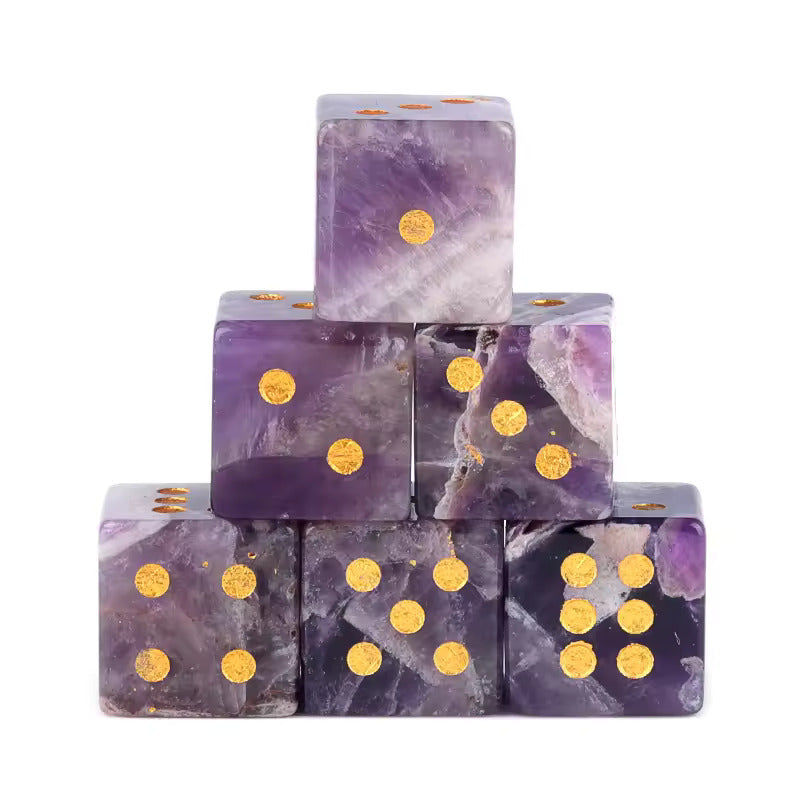
1 set of dice (for determining dealer)
You don't need all of these on day one. Start with the set and mat; add a bag and racks as your game becomes routine. A case matters more if you're driving to other players' homes; home-only games can live with a fabric bag.
What to check before you order
✓ Tile size in photo — Standard American tiles are readable from arm's length; if they look thumbnail-sized in the product photo, they'll be frustrating to see and shuffle.
✓ Material clarity — Acrylic should be transparent or translucent enough that suit symbols are crisp; cloudy or dull tiles make fast play harder.
✓ Shipping confirmation — Free US shipping means no hidden surprises; note the typical delivery window so you can plan your first game.
✓ Spare tile description — Know how many spare tiles come in your 160-tile set so you understand your replacement buffer.
✓ Design reversibility — If you choose an engraved set, confirm the text won't face off-center or become unreadable after a season of play.
✨ Find your Mahstead set — free US shipping →

FAQ
Can I play American mahjong with a Chinese set or a set with fewer tiles?
No. American mahjong uses exactly 152 playing tiles with the National Mah Jongg League card, which calls only for the tiles in that count. Chinese or Hong Kong sets have different tile counts and allow sequences (chows) that American rules forbid. A standard American 160-tile set is non-negotiable for league-legal play.
How long does a set last if I play once a week?
With proper storage and shuffling technique, an acrylic set will last 5–10 years of weekly play. Tiles wear at the edges first; the printed symbols fade much later. Damage accelerates if tiles live in extreme temperature swings or a humid closet. A bag or case adds 2–3 years of usable life by preventing moisture and physical stress.
Should I buy the biggest set I can find, or does size affect gameplay?
Standard American tile dimensions are standardized—all sets use roughly the same size. "Bigger" usually means more spare tiles or a larger storage case, not larger playing tiles. Player hand size varies; if you have very large hands, you might prefer a set with a dedicated rack with pushers rather than trying to hold 14 tiles one-handed.
Do engraved tiles affect how other players handle or accept my set?
No. Engravings are purely aesthetic and don't change tile weight, shuffle feel, or gameplay. Serious players focus on tile quality; engraved designs are conversation starters at the start of the game, then fade into the background. A well-made engraved set plays identically to a plain one.
What's the difference between a mahjong bag and a mahjong case, and which should I buy first?
A soft fabric bag weighs less, takes up less shelf space, and is easier to carry casually. A hard case offers maximum protection for frequent or rough transport (flights, car trunks, stairs). If you play at one or two homes and rarely move your set, a soft bag is fine. If you travel or share sets among multiple venues, a case justifies the investment within the first year.


View More
View More
View More
