
Fourth of July Mahjong Party Ideas
Last updated: Nov 23, 2026
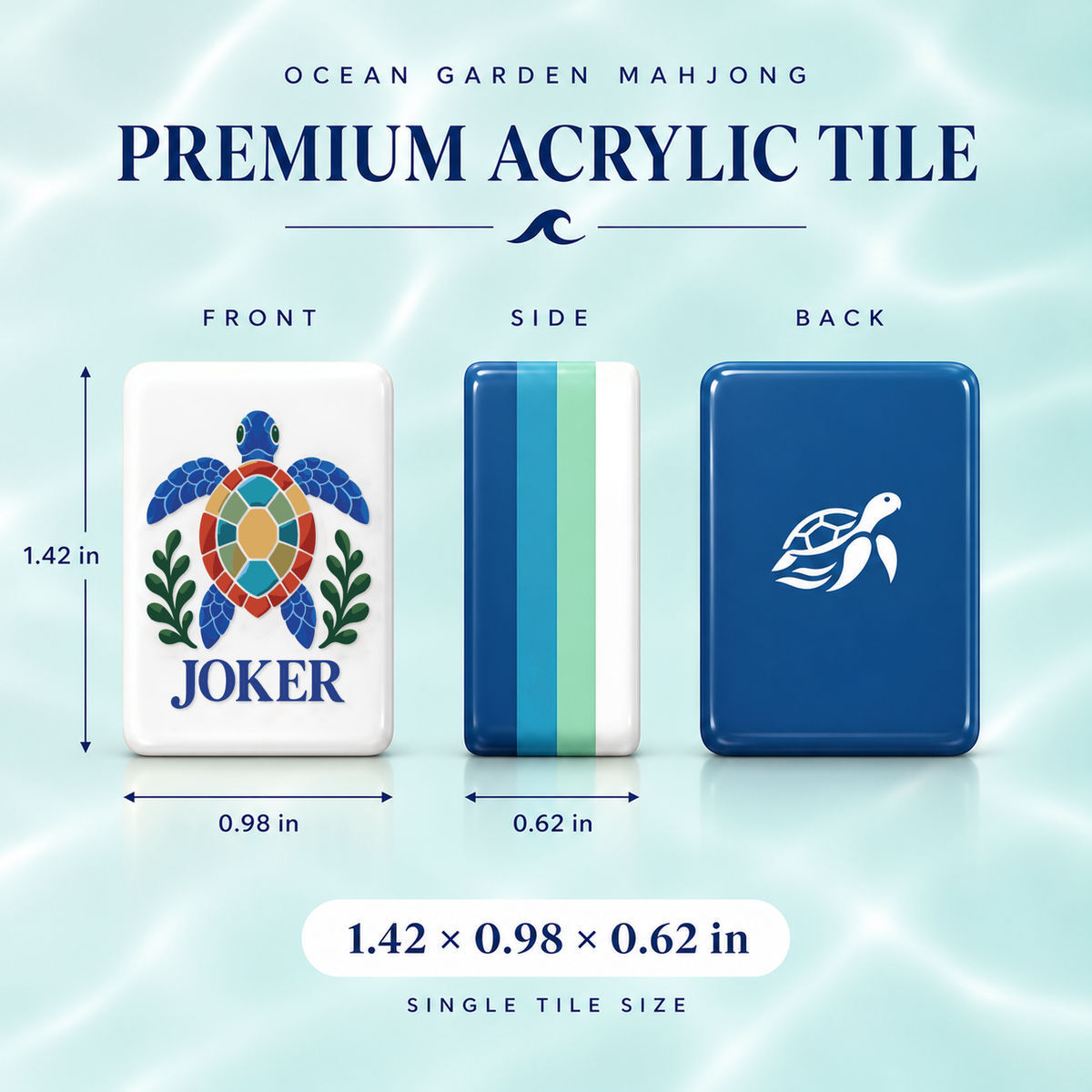
A Fourth of July mahjong party works because it combines a holiday that keeps players seated (no fireworks watching required) with a game that fills an afternoon. You'll need four players, one best-selling acrylic set with 152 tiles and 8 jokers, a mat to protect your table, and snacks or drinks within arm's reach. The game itself runs 1–2 hours per round; most holiday gatherings play 3–4 rounds before dinner. Cost varies by set choice—see current prices on collection pages—but the real investment is buying or borrowing a second set if you want simultaneous games or a backup. Avoid cramped seating, unclear tile visibility (acrylic sets shine indoors or under awnings), and forgetting to pull the current year's National Mah Jongg League card from inside the box before guests arrive.
How many players and tables should you plan for?
The classic American game needs exactly four players at one table. If more than four want to play, run two simultaneous games; if three or fewer, use 2 and 3 player mahjong rules or rotate players in and out. A typical party accommodates 8 players (two full tables) comfortably; beyond that, add a third set and table, or plan a rotation where half play while half eat or watch. For a July 4th gathering with family or neighbors who play casually, one table of four is plenty—it keeps the host free to manage food and drinks. Two tables suit a reunion or friend group where mahjong is the main event.
🀄 Shop best-selling mahjong sets →

What makes a mahjong set feel festive without being tacky?
Look for sets with patriotic engraving (flags, state motifs, or holiday dates) rather than novelty tiles, which wear out and confuse new players. Engraved American mahjong sets let you personalize with "4th of July 2026" or "Independence Day Game Night" on the rack or storage bag—guests appreciate a set chosen just for them. Acrylic tiles in red, white, and blue combinations (or traditional cream with a matching mat) look elegant on any outdoor table. Avoid glitter, neon, or photo-printed tiles; they photograph well but distract during play and fade fast in sun. A coordinated mat in patriotic colors or a quality tile bag rounds out the setup without overdoing it.
Should you play outdoors or indoors?
Outdoors works for an overcast July 4th afternoon or early evening game; indoors lets you play through the whole day and night. Acrylic tiles (not bamboo) stay cool and visible in daylight without glare if you set up under an awning or umbrella. Indoors avoids wind scattering tiles and sun bleaching the face marks over time. If you host outdoors, bring a portable table or use an existing patio setup, secure the mahjong mat with corner weights, and keep the tiles in their case between rounds—heat and humidity don't damage acrylic but make hands sticky and tiles hard to grip. Most party hosts play on a dining room table, screened porch, or living room floor for comfort and easy cleanup.

What food and drink setup works best during play?
Keep drinks in cups with lids and place them away from the table—not at players' elbows where spills happen. Offer snacks that don't require two hands: cheese cubes, grapes, crackers, cookies on a side table everyone can reach without leaving their seat. A cooler nearby holds extra drinks without cluttering the play area. Avoid sticky or crumbly foods (chips, chocolate, ice cream) that end up on tiles or hands. Many hosts serve appetizers before the first round and dessert after the final game; light refreshment between rounds keeps energy high without interrupting play. A good rule: if a food needs both hands or gets your fingers wet, save it for a break.
How do you ensure new players feel included?
Start with a 15-minute explanation of the rules using your current year's League card, then play the first hand slowly, calling out each step. Pair a newcomer with an experienced player at separate tables (or seat them beside you if only one table). Keep the card visible and remind players that one hand rarely goes smoothly—dropped tiles, confused counts, and mixed-up calls are normal and funny, not failures. For truly new players, run a practice hand before keeping score; most catch on by round two. Experienced players stay patient if the host sets a relaxed tone; a Fourth of July party is about gathering, not tournament stakes.
Quick Setup Checklist
Task | When | Why |
Count tiles (152 + 8 jokers) | Day before | Avoid mid-game scrambling for missing tiles |
Print or display League card | Before guests arrive | Every hand references the card—no exceptions |
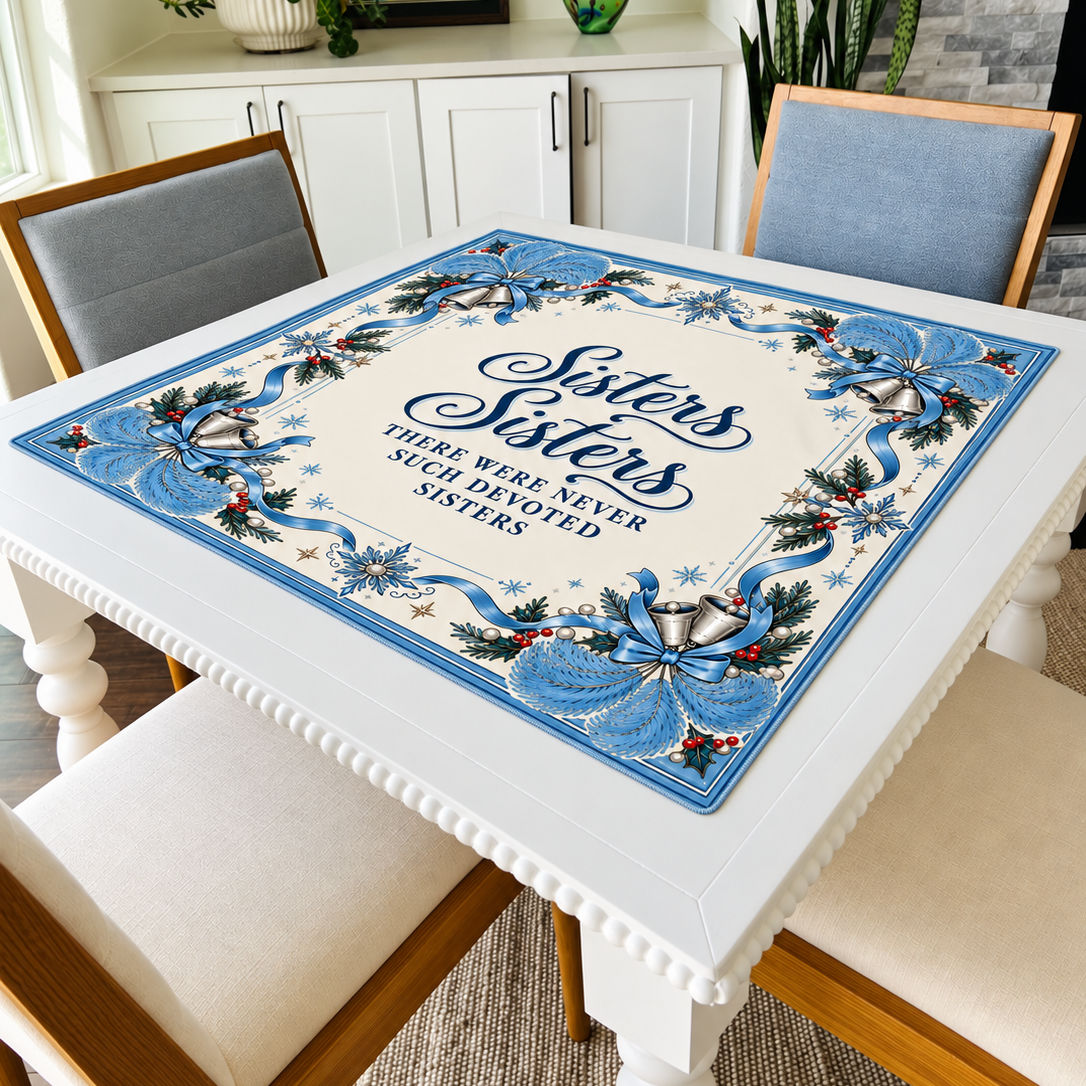
Set up table with mat | 30 min before | Protects furniture and shows you're organized |
Chill drinks, prep snacks | 1 hour before | Nothing derails a game like a hungry, thirsty player |
Do the Charleston (tile pass) | First hand only | Never skip it—it randomizes the setup and is tradition |
Assign scorer or use app | Before play starts | Confusion on final count creates disputes |
🎁 See our most-loved mahjong sets & accessories →
What equipment do you actually need?
A standard 152-tile acrylic set, a mat or dedicated playing surface, racks with pushers (one per player), and a bag or case to store everything. Racks keep your hand organized and hidden from other players; pushers slide tiles forward to show completed melds. A mat prevents tiles from scattering and marks the play zone clearly. Dice come with most sets and randomize who deals first. A notebook or scoring app tracks round winners and final tallies. That's it—no special tools or electronics needed. Many party hosts who own a Mahstead set report that guests comment on the quality before the first hand even starts; acrylic tiles feel better and last decades.
What to check before you buy:
Confirm your set includes the current year's League card (every Mahstead set does).
Verify the bag fits your table's edge or travels to the party—check the measurements on the product page.
If hosting outdoors, test mat colors in daylight before the big day; cream and matte finishes avoid glare.
Count tiles once upon arrival; a single missing tile means no valid hands.
✨ Find your Mahstead set — free US shipping →
FAQ
Can I play mahjong with fewer than four players on July 4th?
Yes. Use 2 and 3 player mahjong rules, which adjust tile draws and hand scoring. Two players can play, but the game feels incomplete; three works well and keeps the pace lively for a casual party.
How do I explain the Charleston to guests who've never played?
The Charleston is a tile-passing ritual before the first hand: pass three tiles to your left, then three to your right, then one more each direction. It randomizes the tile distribution. Show it physically once; most guests catch on immediately. It's part of American mahjong tradition and takes about two minutes.
What if someone knocks over the wall or drops a tile mid-hand?
Don't panic—it happens. Return the tile to the wall or hand as it was (or keep it on the table face-up if you're unsure) and resume play. Never count it as a meld or call until confirmed. If the wall collapses, rebuild it quickly or rotate remaining tiles. Holiday play is forgiving; a laugh and a restart beat stopping the game.
Should I serve alcohol at a mahjong party?
Yes, but in moderation. Most players keep a drink nearby but sip slowly between hands. Tipsy players make counting errors and forget whose turn it is, which slows the game. Wine, beer, and light cocktails work; stay away from rounds of shots during active play. A hydrating option (water, lemonade) keeps players sharp.
Do I need a second set if I'm hosting only one table?
No, one set suffices for four players and 3–4 rounds. A second set is useful if you want two tables running simultaneously or want a backup if a tile cracks (rare with acrylic). Most hosts start with one; they often buy a second when they host regularly.
How long does one mahjong hand typically take?
12–20 minutes for players who know the game; 25–35 minutes if new players are learning. Casual July 4th play leans toward the longer end because people chat and enjoy the pace. Plan 1.5–2 hours for three rounds, including setup and a break between rounds.


View More
View More
View More
