
Filipino Mahjong vs Vietnamese Mahjong: Rules & Gameplay
Last updated: Nov 23, 2026
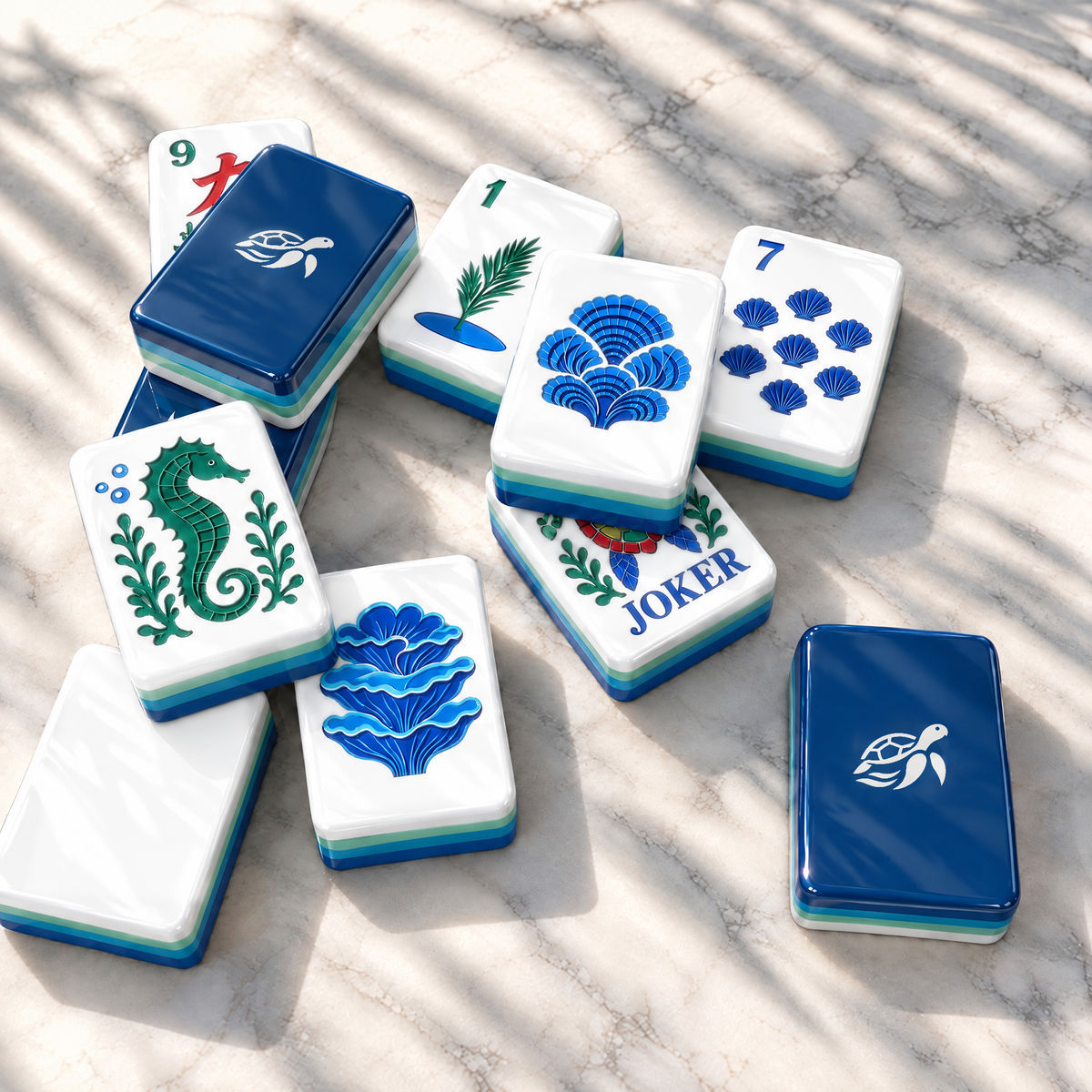
Filipino mahjong (commonly called Mahjong Solitaire in casual play, though the competitive version exists) typically uses a 144-tile set with simpler hand patterns and focuses on individual matching and clearing rather than collective melds. Vietnamese mahjong, by contrast, often plays with 120 or 144 tiles and emphasizes quick melding, ranking systems, and a faster pace than American or traditional Chinese variants. The two share Southeast Asian influences but diverge sharply in tile composition, the number of copies per tile, hand-winning conditions, and whether jokers are used at all. American mahjong, which we play weekly, uses a fixed 152-tile set and hands only from the current-year National Mah Jongg League card; neither Filipino nor Vietnamese mahjong relies on such a card or standardized Western format. Understanding these differences matters if you're learning a regional variant or hosting mixed-group games where rules can clash.
Filipino and Vietnamese mahjong evolved separately from Chinese classical mahjong, adapting to local gaming culture, available materials, and social rhythm. If you're curious about how these regional games work—or wondering whether to learn one alongside American mahjong—this guide walks you through the core mechanics, rules, and how they compare.
How many tiles does Filipino mahjong use?
Filipino mahjong typically uses 144 tiles arranged in a simpler structure than Western or Chinese variants. The tile set usually contains four copies of each tile, but the suit composition and special tiles differ from American mahjong's 152-tile standard. Most Filipino games focus on matching pairs and melding sets, with hand victory achieved through clearing a layout (like dominoes or solitaire) rather than declaring a complete hand at once. Some competitive Filipino circles use honor tiles (winds, dragons) and numbered suits, but the emphasis remains on rapid clearing and visible tile management rather than the hand-building secrecy of American mahjong.

What makes Vietnamese mahjong different from Filipino?
Vietnamese mahjong typically employs a 120-tile set and plays at a faster tempo, with players ranking themselves by skill mid-game and often betting on outcomes. The tile structure usually omits some honors or uses a non-standard dragon/wind composition compared to Chinese or American variants. Vietnamese rules often allow quick melds and discards, and winning conditions tend to be simpler—often requiring three or four melds plus a pair, without the elaborate hand patterns the American card prescribes. In practice, a Vietnamese game moves from deal to completion in 15–20 minutes, whereas American mahjong sessions commonly run 30–45 minutes per round. Neither variant uses the Charleston (the pre-game tile-passing ritual central to American mahjong), which accelerates play considerably.
How do American, Filipino, and Vietnamese mahjong compare in structure?
Aspect | American Mahjong | Filipino Mahjong | Vietnamese Mahjong |
Tile Count | 152 (8 jokers included) | 144 | 120 |
Hand Source | Current-year NMJL card only | Custom patterns or clearing layouts | Simple melds (3–4) + pair |
Jokers Allowed? | Yes, in melds only (not pairs) | Rarely; some variants yes | Typically no |
Game Pace | 30–45 min per round | Varies; often 20–30 min | 15–20 min (fast) |
Winning Logic | Complete one hand from card | Clear board or score targets | Score enough melds + pair |
Pre-game Ritual | Charleston (mandatory) | None standard | None standard |
Suits | Bams, Craks, Dots + Winds/Dragons | Variable by region | Variable by region |
The most practical difference: American mahjong is hand-pattern rigid (you must match the card), Filipino is clearing-focused (tiles matched off the board), and Vietnamese is speed-focused (rapid melding and scoring). If your group plays American mahjong weekly, switching to either Filipino or Vietnamese requires learning a fundamentally different game logic—not just new rules.
🎁 See our most-loved mahjong sets & accessories →
Can you play Filipino or Vietnamese mahjong with an American mahjong set?
Technically, yes—an American 152-tile set can be repurposed for Filipino or Vietnamese play if players agree to modify the hand patterns and ignore the jokers. However, in practice, doing so introduces confusion: American sets are optimized for the NMJL card format, with tile distribution built around that system, and the extra jokers and specific wind/dragon ratios don't align with Filipino or Vietnamese needs. If you're planning to host Filipino or Vietnamese games regularly, acquiring a set designed for those variants (typically 120 or 144 tiles without jokers) avoids miscounts and disputes. Many online retailers and regional shops in areas with strong Filipino or Vietnamese communities stock authentic sets; ask locally or consult community meetup boards to find sourcing guidance. For American mahjong, our best-selling mahjong sets ship free across the US and come with everything you need to start: full tile count, clear engraving, and durable acrylic construction.

How do hand-winning patterns differ?
In American mahjong, a winning hand is one complete pattern from the NMJL card: exactly that pattern, nothing more. You cannot win with a "close" hand or a pattern not on the card. Filipino mahjong typically declares victory when a player has melded or cleared all tiles, or when they've achieved a scoring target (varying by house rules). Vietnamese mahjong wins when a player assembles three or four melds and a pair—simpler than American requirements, but the melds must be visible and declared, not concealed. American mahjong allows concealment until you're ready to go out; Vietnamese mahjong often requires constant exposure of melds as they're formed. This means American players used to holding tiles close and making dramatic final moves will find Vietnamese play more social and transparent, but faster-paced and less strategic around hand concealment.
What if your group plays mixed variants? How do you avoid conflicts?
Establish which game you're playing before the first tile is drawn. Write down the variant name, tile count, winning hand requirements, and any house rules on a notepad at the table. Assign one player as rule keeper for that session. If you're rotating between American and Filipino games in the same night, reset the board completely between games—shuffle all tiles back into the wall, agree on who deals, and announce the variant aloud. Many groups find it easier to commit one evening to one variant rather than switching mid-session; fatigue and confusion spike when players shift mental models without a clear break. If you host weekly American mahjong games and want to introduce friends to other variants, consider a "themed night" where everyone learns Filipino or Vietnamese rules from a written guide 15 minutes before play starts. How to play American mahjong is our full beginner breakdown; for other variants, seek community forums or regional groups focused on that specific game.
🀄 Shop best-selling mahjong sets →
What should you check before buying a set for Filipino or Vietnamese mahjong?
Before purchasing, confirm:
Tile count: Is it 120, 144, or 152? Match the variant you want to play.
Joker inclusion: Does the set include jokers? American mahjong requires them; many Filipino and Vietnamese variants do not.
Honors composition: How many winds and dragons? Some variants use only a subset.
Material & durability: Acrylic or resin? Will it survive regular play at your table?
Case or bag: Does it ship with storage? Long-term protection matters for frequent play.
Language/markings: Are tiles marked in English, Chinese characters, or both? Ensure clarity for your group.
Spares included: Do you get replacement tiles if any crack or chip?
When you're ready to commit to American mahjong specifically, our best-selling mahjong sets come with clear acrylic tiles, accurate tile distribution for 152-play, and free US shipping. If you're testing multiple variants in one household, our travel bags and cases keep different sets organized and protected between games.
✨ Find your Mahstead set — free US shipping →
What to check before you buy:
Confirm the exact variant rules with your gaming group before purchasing—online guides vary by region and house rules.
Verify tile count and joker inclusion match your chosen game.
Test a demo set if possible at a local club or meetup before committing to a full purchase.
Ask the seller about durability and whether replacements are available.

FAQ
Is Filipino mahjong the same as American mahjong?
No. Filipino mahjong uses 144 tiles, focuses on clearing tile layouts, and doesn't require a card-based hand pattern. American mahjong uses 152 tiles and only wins come from the current-year National Mah Jongg League card. They're separate games requiring different rules and strategies.
Do you need jokers to play Vietnamese mahjong?
Typically no. Vietnamese mahjong traditionally uses 120 tiles without jokers. Some modern house rules add jokers, but the base game doesn't require them—unlike American mahjong, which always uses 8 jokers integrated into melds.
Can I learn Filipino and American mahjong at the same time?
Yes, but expect a transition period. American mahjong is rigid (one card, one winner pattern), while Filipino is flexible and clearing-focused. Many players find American mahjong more strategic once learned; Filipino offers faster, more casual play. Alternate nights or seasons to avoid confusion.
How long does a game of Vietnamese mahjong take?
Typically 15–20 minutes per round, significantly shorter than American mahjong (30–45 min). The simpler hand requirements and faster melding pace keep rounds brisk and reduce downtime between deals.
Where can I find a Filipino or Vietnamese mahjong set locally?
Check community centers, libraries, and cultural centers in areas with large Filipino or Vietnamese populations. Meetup boards, Facebook community groups, and regional game shops often stock authentic sets. Some online retailers specializing in Asian games carry variants—search by variant name and tile count.
What's the best mahjong set to buy if I'm new to the game?
If you're starting with American mahjong, a 160-tile acrylic set with engraved tiles and a durable case is ideal; free shipping across the US makes it accessible. For Filipino or Vietnamese play, consult your local community or regional specialty retailers to source authentic variants designed for those games.


View More
View More
View More
