
Mahjong Classes for Beginners in Sarasota: Where to Start
Last updated: Nov 23, 2026
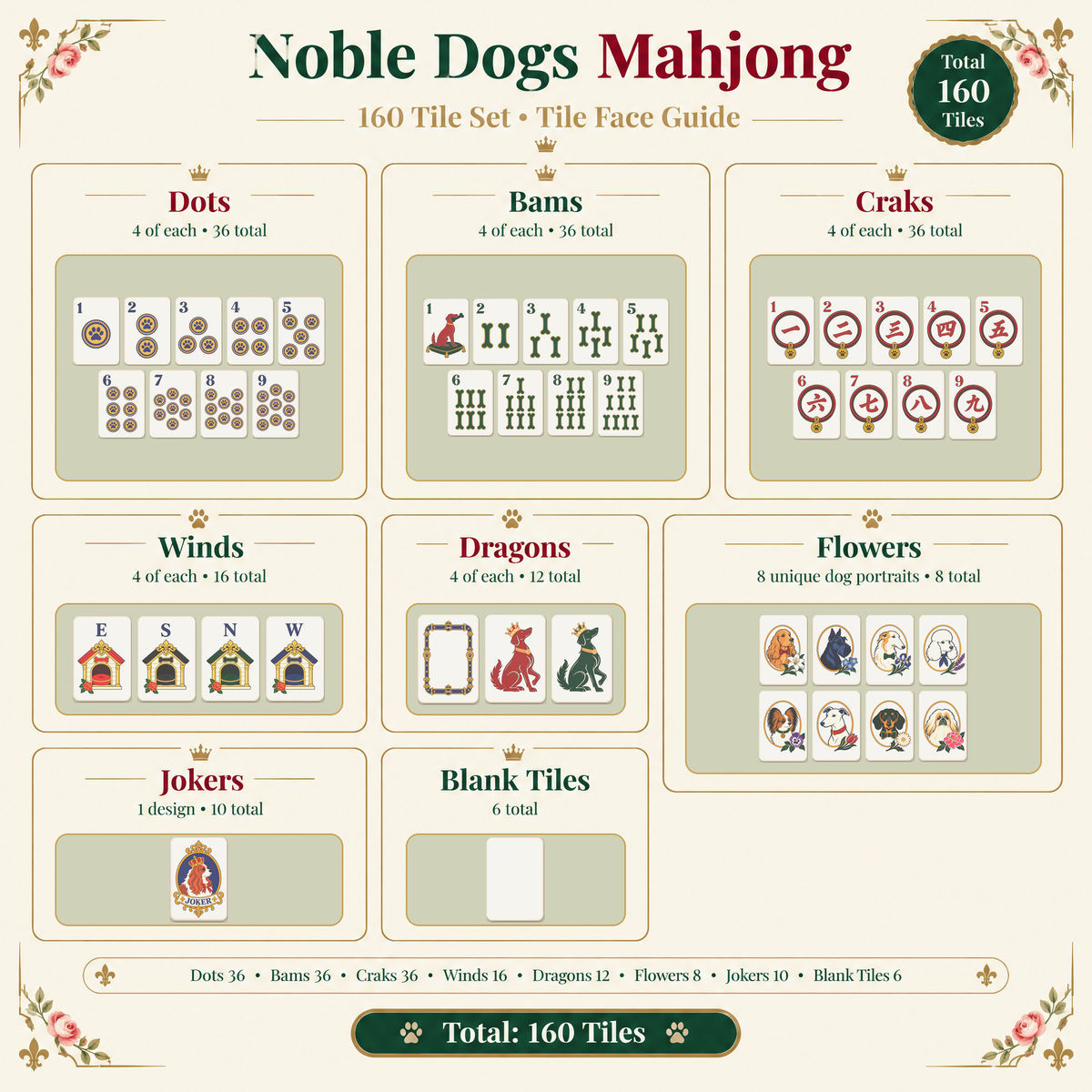
Sarasota's mahjong scene thrives at public libraries (check the Sarasota County Library System website for program listings), community centers offering adult recreation classes, and golf or country clubs with standing game groups. Most beginner sessions meet weekly and run 4–8 weeks; expect to pay a modest fee per class or drop-in rate. Instruction covers American mahjong rules, the Charleston (tile-passing ritual), reading the annual National Mah Jongg League card, and how jokers work. You'll need a set (152 tiles plus spares), a mat, and a basic understanding that you're learning the North American variant, not Chinese mahjong. Start by phoning your local library or checking community recreation department schedules online; ask whether classes supply sets or if you bring your own. Mahstead offers best-selling mahjong sets that beginners often choose for their clarity and durability, but many clubs loan equipment during instruction.
Where do Sarasota's beginner mahjong classes actually meet?
Sarasota County public libraries—particularly the main branch and larger regional libraries—host or list mahjong instruction through their adult programming calendars. Check the Sarasota County Library website directly and call the reference desk; they update schedules seasonally. Community recreation departments (City of Sarasota Parks and Recreation) offer drop-in and structured beginner sessions, typically at neighborhood centers. Country clubs, golf clubs, and senior communities often run their own weekly or monthly beginner nights; ask whether they welcome new members or require a guest pass. Jewish community centers and synagogues frequently host mahjong groups—contact them even if you're not a member, as many open classes to the public. The surest path: search "mahjong Sarasota" on Meetup or Facebook, attend one session, and ask regular players where the beginner track feeds into ongoing games.

What happens in your first class—and what should you expect?
Your instructor will likely spend the first session on tile names (the three suits: Bams, Craks, Dots; winds; dragons; flowers). Week two covers the Charleston—the formal tile-exchange before play begins—and how to build a hand from the wall. Weeks three through five teach how to read the current National Mah Jongg League card, recognize legal hand patterns, and call or win. You'll play slow, abbreviated rounds with frequent pauses for questions. Many classes use shared sets so beginners don't need to buy equipment immediately. Expect 2–3 hours per session. Bring a notebook; patterns matter more than memorizing rules. The learning curve is real, but most players feel competent to join casual games after four weeks.
Do you need to own a set before your first class, or can you borrow?
Most Sarasota beginner classes loan or supply sets during instruction—ask when you register. Owning your own set is not required to start. However, if you want to practice at home or host friends, a good quality set makes learning faster because tiles are easier to read and handle. American mahjong sets come in acrylic, bamboo, and bone varieties; acrylic sets (marked with clear tile symbols) suit beginners best because you'll spend less time squinting at suits. Borrowing from a club or library is fine for the first month; buying happens after you know you'll stick with the game. Many players find that owning a set deepens their commitment—it becomes a reason to host games and practice.
What's the difference between American mahjong and what you see online or in other regions?
American mahjong uses a standard 152-tile set (three suits, numbers 1–9, four of each; winds; dragons; flowers; jokers). Crucially, you only form hands listed on the annual National Mah Jongg League card—there are no off-card hands. You cannot make sequences (chows) the way Chinese or Hong Kong mahjong does; American hands are built from triplets (pungs), quads (kongs), pairs, and special patterns published by the League each spring. Jokers are wild but follow strict rules—they can never form a pair alone or a single tile. If you learn American mahjong in Sarasota, transferring to other variants (Chinese, Hong Kong, Riichi) requires relearning logic, but the hand-building discipline transfers well. Sarasota classes teach American rules unless explicitly labeled otherwise; confirm before enrolling.
What should you bring, and what's the total investment to start?
Bring a notebook and pen (for hand patterns), a calculator (scoring is arithmetic-heavy), and your National Mah Jongg League card if the class provides one, or ask where to buy it online (it's inexpensive and issued annually). If you're borrowing a set and mat, bring nothing else. If you're buying, a beginner package—a set plus a mat—costs what a few weeks of classes do; see current pricing on Mahstead's best-selling collection. Many Sarasota players invest in a mahjong mat early because it protects tiles during shuffling and makes the game feel more official. Racks with pushers come later (not essential for beginners, but some prefer them). Avoid the lowest-priced sets online; poor tile quality frustrates new players and slows learning. A mid-range set with clear markings and a durable mat is the practical sweet spot.
🀄 Shop best-selling mahjong sets →
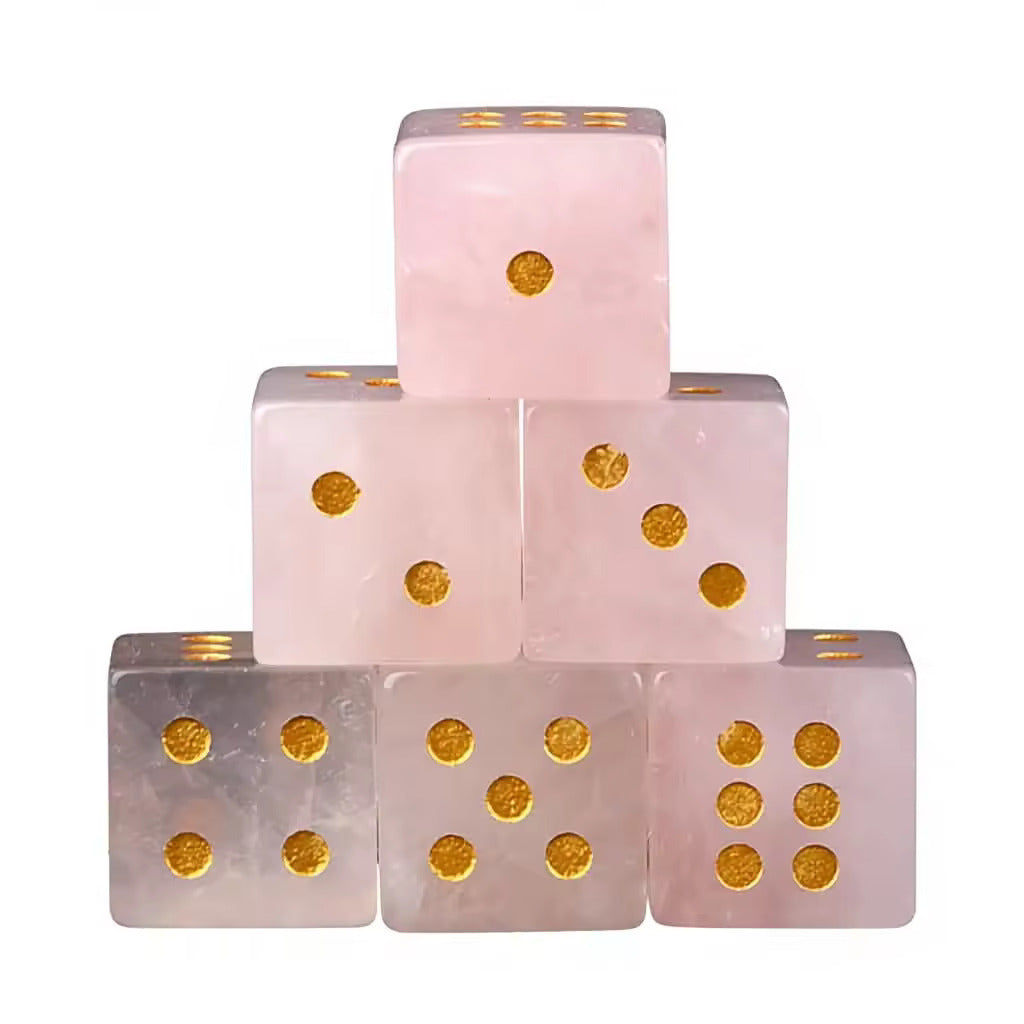
Beginner Equipment Decision Table
What | Who it's for | When to buy | Why it matters |
Mahjong set (152 tiles) | First-month learner | After 2–3 classes | Clear tiles make tile names stick; poor sets cause misreads. |
Mahjong mat | Home player/host | Before your first hosted game | Mats protect tiles, reduce noise, and mark play zones clearly. |
Racks with pushers | Frequent players | Month 2–3 of play | Organize your hand and hide tiles from other players. Not essential to start. |
National Mah Jongg League card (current year) | Every player | Week 1 of class | You cannot play without it; patterns change annually. |
Dice (two) | Game host | Before hosting | Determines who starts and winds rotate. Usually included in sets. |
What are the most common beginner mistakes to avoid?
Memorizing instead of recognizing patterns. New players try to memorize every hand on the card; instead, learn to scan for suit combos and number ranges (e.g., "all 1s and 2s in Dots and Craks, plus a pair"). Pattern recognition is faster and more portable.
Ignoring the Charleston. The tile-exchange before play is not filler—it shapes your starting hand strategically. Ask your instructor to drill it; many beginners miss winning hands because they didn't exchange smartly.
Misusing jokers. Jokers cannot form a pair by themselves, and a joker cannot represent a single tile (only triplets, quads, or higher groups). Write this on your notecard.
Calling too early. Wait until you can see a clear path to a hand on the card. Discarding a tile when you don't need it often damages your neighbors' hands; play defensively as a beginner.
Not asking about local rules. Different Sarasota groups may score slightly differently or play with house rules for claiming tiles. Ask on your first night; avoid assuming.
What to check before you buy a set or join a class
Confirm the class teaches American mahjong (not Chinese or other variants).
Ask whether sets and mats are provided or if you must bring your own.
Check the class schedule against your calendar; consistency matters more than frequency.
Find out the cost per session and whether there's a contract or drop-in option.
Ask for the instructor's background—someone who's played for 10+ years typically teaches more patiently than a recent learner.
Verify the class includes practice time, not just lecture.
Request the National Mah Jongg League card ISBN or link so you buy the current year's edition before week 1.
✨ Find your Mahstead set — free US shipping →
Ready to join? Here's your next step checklist
Search "[Sarasota Public Library] mahjong" and call the adult program desk or check their online calendar.
Ask one clarifying question: Are sets provided, or do I need to bring my own?
Register for the next beginner session (most run fall and spring).
If you're buying a set, order it now so it arrives before class week 1; Mahstead ships free across the US.
Download or buy the current National Mah Jongg League card online (your instructor will tell you where).
Show up 10 minutes early, introduce yourself to the instructor, and ask which mat type most players prefer locally.
🎁 See our most-loved mahjong sets & accessories →

FAQ
Do I need to own a mahjong set to take a beginner class in Sarasota?
No. Most Sarasota classes loan or provide sets during instruction. However, owning a set after your first few weeks helps you practice at home and speeds up learning. Many players buy their first set in month two.
How long does it take to go from complete beginner to playing a full game?
Three to four weeks of weekly instruction is typical. After that, you can play shorter games with your group. Mastery (speed, strategy, scoring confidence) takes three to six months of regular play.
What's the main difference between American mahjong and Chinese mahjong?
American mahjong requires hands from the annual National Mah Jongg League card; you cannot invent hands. Chinese mahjong allows hands based on open rules. Also, American mahjong has no sequences (chows); all hands use triplets, quads, pairs, and special patterns.
Which mahjong set should I buy as my first one?
Choose an acrylic set with clear tile markings and a mat that matches. Avoid the cheapest options online; low-quality tiles are hard to read and frustrate beginners. A mid-range set with a mat is the best value and typically lasts years.
Do I need a mat, or can I just play on a table?
A mat is not mandatory but highly recommended. It protects tiles from scratches, reduces noise during shuffling, and clearly marks play zones. Most Sarasota players use one within their first few months of regular play.
Where do I buy the National Mah Jongg League card?
Ask your Sarasota instructor; they'll provide the exact ISBN or online retailer. The card is inexpensive and issued every spring. You'll need the current year's edition because hand patterns change annually.


View More
View More
View More
