
Filipino Mahjong vs Siamese Mahjong: Key Differences
Last updated: Nov 23, 2026
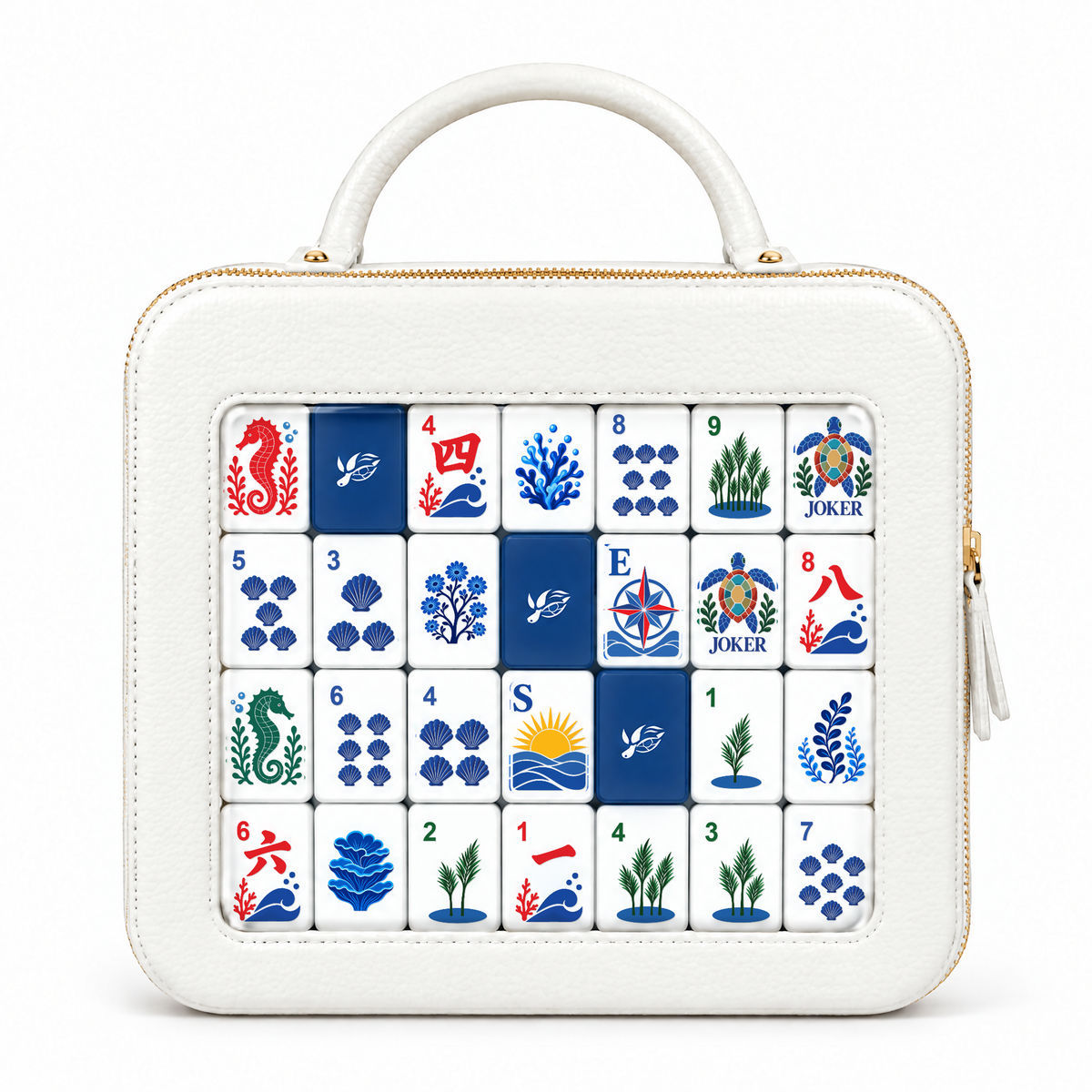
Filipino mahjong and Siamese mahjong are two independent Southeast Asian variants, each with unique tile sets, scoring systems, and hand patterns. Filipino mahjong typically uses 144 tiles in a simplified structure focused on speed and accessibility; Siamese mahjong uses 136 tiles and emphasizes pattern recognition with strict melds. Both differ from American mahjong (152 tiles, no sequences allowed, hand validation from an annual card) in fundamental ways. If you're hosting a mixed-variant group, clarify the rule set before play—or start with American mahjong, the most standardized format in North America.
How many tiles does each variant use?
Filipino mahjong plays with 144 tiles; Siamese mahjong with 136 tiles. American mahjong requires exactly 152 tiles in a standard set. Tile count directly affects hand length, turn order, and how many rounds you can play before reshuffling. Fewer tiles mean faster cycles and shorter game sessions—a Filipino round typically completes in 20–30 minutes, while American games run 45–90 minutes per round depending on table skill. Knowing your tile count at setup prevents mid-game confusion.

What is the main scoring difference between them?
Filipino mahjong awards points based on meld type (pung, kong, chow) and hand complexity, with cumulative scoring across rounds. Siamese mahjong uses a point-per-tile system with specific bonuses for patterns, often doubling or tripling scores for rare combinations. American mahjong scores only completed hands against a seasonal card; all four players' scores reset each round, and only the winner collects payment. If you're moving between variants, learn the scoring system first—point math mistakes cause table friction faster than any rule misunderstanding.
Can you use chows in Filipino and Siamese mahjong?
Yes—both Filipino and Siamese mahjong permit chows (1-2-3 sequences in the same suit), a major difference from American mahjong, which forbids sequences entirely and allows only pungs (three identical), kongs (four identical), quints, and sextets. Filipino players often expose chows during play; Siamese players may declare them as concealed melds under stricter conditions. American players new to these variants must unlearn sequence-building—it's a common stumbling block when switching games.
Which variant is easier to learn?
Filipino mahjong is generally easier for beginners because it uses fewer tiles and simpler hand requirements; the pace is forgiving for new players. Siamese mahjong demands precise pattern memory and strict adherence to meld rules, making it better suited for intermediate-to-advanced players. American mahjong sits between them: no chows simplify meld logic, but the seasonal card and Charleston ritual add procedural overhead. Choose Filipino if your group prioritizes fun and speed; Siamese if they value depth and consistency; American if you want a standardized, community-supported ruleset with an annual card for validation.
Where do you find players for each variant?
Filipino mahjong has active communities in the Philippines, Filipino diaspora networks in North America (especially California and Texas), and some family game nights nationwide. Siamese mahjong centers on Thailand and Thai communities; it's less common outside Southeast Asia but growing in urban centers with Thai immigrant populations. American mahjong dominates North America and has national league infrastructure, free online tutorials, and retail support. To find players: search community centers, libraries, temples, and cultural associations in your city; post on local Meetup boards; ask at game cafés. American mahjong clubs are easiest to locate online; regional Filipino and Siamese groups may require personal referrals within cultural networks.
🀄 Shop best-selling mahjong sets →

Quick Comparison: Three Variants Side by Side
Feature | Filipino Mahjong | Siamese Mahjong | American Mahjong |
Tile Count | 144 | 136 | 152 |
Chows Allowed? | Yes | Yes | No |
Hand Validation | Flexible patterns | Strict patterns | Annual card only |
Round Length | 20–30 min | 30–45 min | 45–90 min |
Meld Exposure | Frequent | Selective | Exposures allowed |
Scoring System | Meld-based cumulative | Tile-point + bonus | Hand-based, round reset |
Best For | Speed, casual play | Strategic depth | Standardized rules |
What tile set and equipment do you actually need?
For American mahjong, you need exactly 152 playing tiles plus 8 jokers—never add extra tiles to the game itself. Sets sold as 160-tile sets include spare jokers and blanks for replacement, not for play. A mat designed for mahjong keeps tiles organized during the Charleston and protects your table. Racks with pushers prevent accidental tile exposure and speed up tile placement. If you're hosting both American and variant players, invest in an acrylic set—they're durable, transparent (no tile swapping), and portable. Filipino and Siamese games may use bamboo or plastic sets; acrylic works for all variants.
🎁 See our most-loved mahjong sets & accessories →
What to check before you buy a variant-specific set
Confirm tile count with players first. Ask whether your group plays 144, 136, or 152 tiles before ordering—returning wrong counts is hassle.
Verify character or symbol system. Filipino and Siamese sets may use local script or symbols; American sets use the National Mah Jongg League standard (Bams, Craks, Dots).
Test mat compatibility. Some mats are sized for 152-tile American setup; a 144-tile Filipino game may overflow or feel cramped.
Check joker count. American sets require 8 jokers minimum; Filipino and Siamese variants may differ. Read the product description carefully.
Plan for travel. If you host rotating locations, quality bags and cases protect acrylic tiles from cracks and reduce setup time at each venue.
Why start with American mahjong if you're new?
American mahjong has the most published resources, the largest retail ecosystem, and a national league issuing consistent annual cards. If you learn American rules first, switching to Filipino or Siamese variants later feels like learning a new dialect, not a new language. You'll understand chow logic when Siamese players expose sequences; you'll recognize tile names when someone calls a Bam. Plus, the yearly card system ensures all players work from one source of truth—no argument about hand validity mid-round. Filipino and Siamese players value house rules and oral tradition; American players expect written validation. For consistency, start American.
✨ Find your Mahstead set — free US shipping →
Which mahjong set design fits your group?
Our best-selling collection includes acrylic sets in dozens of designs—solid colors, traditional symbols, personalized engravings—all built to the 152-tile American standard. If you're hosting a Filipino or Siamese group occasionally, choose a neutral design that won't feel out of place; avoid American-specific engravings. For permanent American groups, engraved mahjong sets with group names, house names, or year mark ownership and become table touchstones. Holiday-themed sets work year-round if your group gathers seasonally.

FAQ
Can I use one mahjong set for both American and Filipino games?
No. American mahjong requires 152 tiles; Filipino uses 144. Using the wrong count breaks hand validation and scoring. Buy variant-specific sets or confirm your group commits to one variant.
Is Siamese mahjong popular outside Thailand?
Siamese mahjong is rare outside Southeast Asia. Thai communities in major US cities may have casual players, but it lacks the national infrastructure American mahjong has. If you want accessible multiplayer games, American is your best bet.
Which variant has the easiest scoring to learn?
Filipino mahjong has the most intuitive scoring for beginners—straightforward point awards per meld. Siamese uses bonuses and multipliers that require calculation. American scoring involves the seasonal card but rewards only completed hands, reducing mid-round math.
Do I need a special mat for each variant?
A standard mahjong mat works for all variants, but 152-tile American mats may feel roomy for 144-tile Filipino games. A neutral mat works everywhere; buy one sized for your primary variant.
Where can I find Filipino mahjong players near me?
Check Filipino cultural centers, churches, community centers in your city, and Meetup boards tagged "Filipino" or "mahjong." Ask at local game cafés. Networks are often word-of-mouth; personal referrals are common.
What's the biggest mistake people make switching variants?
Forgetting that chows are allowed in Filipino and Siamese but forbidden in American mahjong. Unlearning sequence-building takes practice; play a few test rounds to retrain your instincts.


View More
View More
View More
