
Filipino Mahjong Minimum Points to Win: Rules & Setup
Last updated: Nov 23, 2026
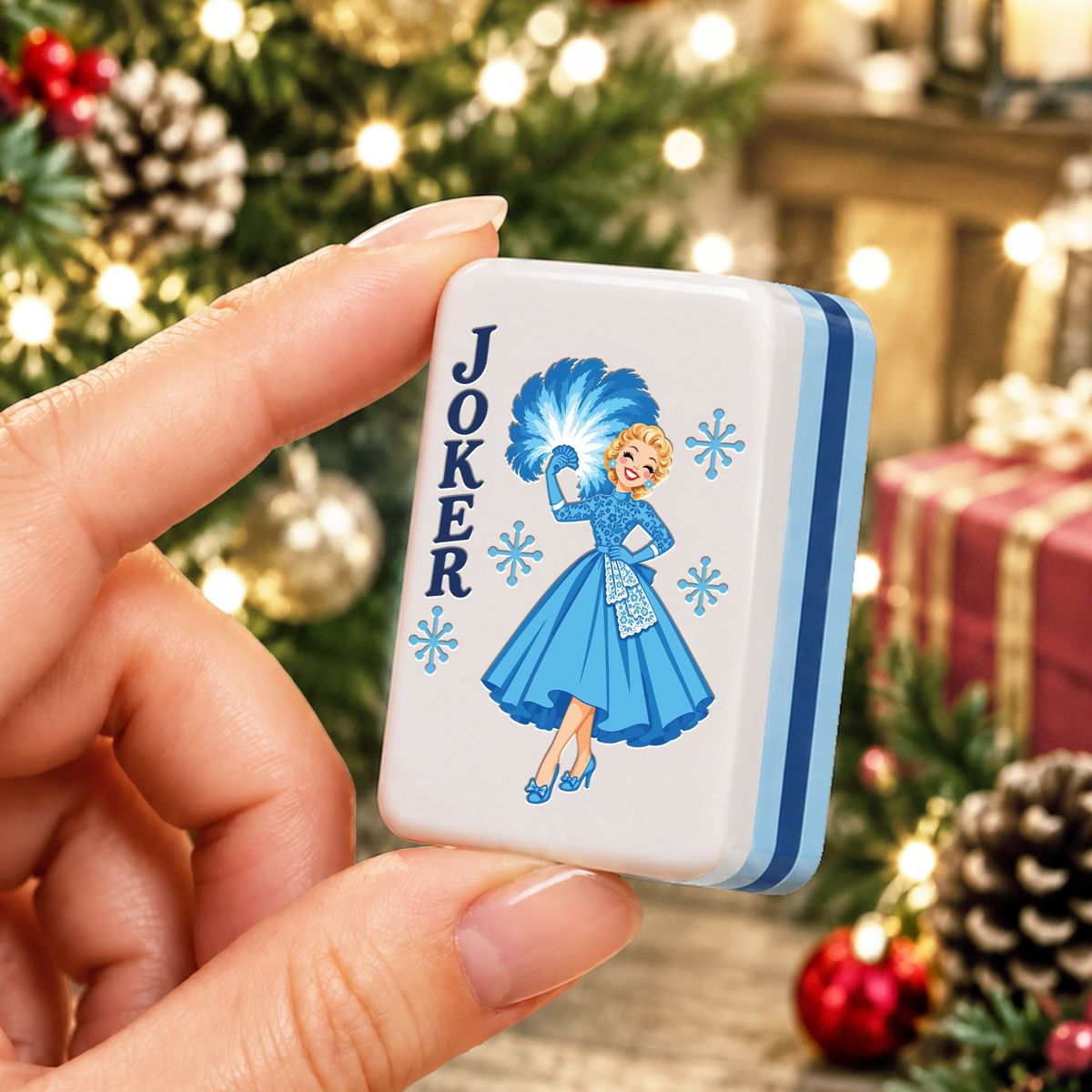
Filipino mahjong requires a winning hand that scores at least 1 point—typically a simple pung, kong, or quint of any suit or honor tile. Unlike American mahjong, which uses a fixed hand card, Filipino mahjong allows freestyle combinations and follows Hong Kong scoring: melds made openly during play (exposed pungs, kongs) are worth points; concealed tiles in hand are worth more. A player declares "mahjong" when they complete a legal four-group-plus-pair hand, usually by claiming a discard or drawing from the wall. The exact minimum varies slightly by local house rules—some regions set 2 or 3 points as the floor—but 1 point is the standard baseline. Scoring happens through melds: a simple pung = 2 points, kong = 8 points, and honors or terminals add multipliers. Unlike American sets with 152 tiles, Filipino games typically use 144 tiles (no extra jokers), though some players adopt regional variants. We recommend learning your local table's rules first, then investing in a quality best-selling mahjong set built for the freestyle tiles you'll handle most. 🀄 Shop best-selling mahjong sets →
How does Filipino mahjong differ from American rules?
American mahjong is strictly by card: every hand must match the current year's National Mah Jongg League card, and only exposed melds (pungs, kongs, quints, sextets) count toward your hand. Filipino mahjong is freestyle and Hong Kong–based: you build any valid combination on the table, melds are scored individually, and winning happens when you complete a four-group-plus-pair hand with enough points. American hands are scored as zero (you win or you don't); Filipino hands accumulate points per meld. You'll see more jokers and flexibility in Filipino play, making it faster and more social than the card-bound structure of American rooms.

What tiles make up a Filipino mahjong set?
A standard Filipino mahjong set contains 144 tiles: three suits (Bams, Craks, Dots) numbered 1–9 with four copies each (108 tiles total), 16 winds (4 each: North, East, West, South), 12 dragons (Red, Green, White), and 8 flowers. Some regional variants add jokers or extra blanks, but 144 is the traditional count. The 1 Bam typically shows a bird, and White dragon (often called "soap") serves as the zero in Dot combinations. This differs from American mahjong's 152 tiles, which include extra jokers. If you're hosting both styles, keep sets clearly separate to avoid tile mismatches mid-game.
How do you score a winning hand in Filipino mahjong?
Each meld in your hand carries points: a simple pung (three identical tiles) = 2 points; a kong (four identical) = 8 points; honor tiles and terminals (1s and 9s) earn double or triple multipliers. A pair at hand completion adds 2 points. Some houses award bonus points for "all pungs" or "all honors" hands. The minimum to declare mahjong is usually 1 point (one meld), though stricter tables require 2 or 3 points before you can win. You accumulate the point total from all four melds visible on the table or in hand, then announce the sum when you go out. For example: three Dot-5 pungs exposed (6 points) + one concealed honor pair (2 points) = 8 total. This running scorecard keeps the game lively and lets slower hands still rack up value without winning.
What's the step-by-step process to win in Filipino mahjong?
1. Declare melds openly or keep them concealed. Exposed pungs, kongs, and combinations earn points immediately; hidden tiles in hand earn more when revealed at win.
2. Draw from the wall or claim a discard. Each turn adds one new tile; you discard one face-up tile to keep a hand size of 13.
3. Keep count of your meld points. A pung = 2, a kong = 8; honors and 1–9 terminals double the base value.
4. Complete a four-group-plus-pair hand. Four melds (whether exposed or hidden) plus a matching pair = a valid winning shape.
5. Reach the house minimum. Confirm your total points equal or exceed the table's floor (typically 1 point, sometimes 2–3).
6. Announce "mahjong" and lay down your hand. Other players verify the meld count, point total, and tile legitimacy.
7. Collect winnings per the agreed settlement rule. Payments usually come from all three opponents, though some houses split payments by who discarded the final tile.
Meld Type | Base Points | If Honors/Terminals | Example |
Pung (3 identical) | 2 | 4 | 3 Red Dragons = 4 pts |
Kong (4 identical) | 8 | 16 | 4 East Winds = 16 pts |
Pair | 2 | 4 | 2 White Dragons = 4 pts |
Concealed set | ×2 multiplier | ×4 | Hidden pung adds 2× base |

Which house rules vary most between Filipino tables?
The biggest variables are minimum points (1, 2, or 3 to win), whether melds must be exposed immediately or can stay hidden, and how much winners collect from each loser. Some tables play with jokers; others stick to 144 pure tiles. Flower and bonus tiles trigger house-specific rules in some regions—one table awards extra points for flowers, another ignores them. The discard wall and payout structure also differ: some play that the player who discarded your winning tile pays double; others split the cost evenly. Always ask the hosting player for house rules before sitting down. Posting a card with the agreed rules on the table prevents disputes and keeps the mood friendly. If you're starting a new group, standardize on one rule set for the first few sessions so everyone learns the same rhythm.
🎁 See our most-loved mahjong sets & accessories →
What equipment do you need to host Filipino mahjong?
A proper Filipino game needs a 144-tile set (or a 160-tile American set if jokers don't disrupt your play), a soft playing surface to protect the tiles and reduce noise, and a way to organize hands as you play. Many Filipino players prefer a mahjong mat with a centered design that keeps melds distinct and makes scoring quicker—no shuffled pile, no accidental overlaps. Some tables add racks with pushers to keep tiles upright and organized as the hand builds; this is especially helpful for new players who lose track during rapid meld declarations. A dice pair tells you where the wall break starts; a score pad or phone app tracks the running point total across rounds. If you're traveling or hosting multiple groups, a durable bag or case protects your tiles and mat from wear. Tiles chip easily on bare tables, and mats wear out under constant shuffling—invest in both to keep your set playable for years.
What should you check before you buy a mahjong set for Filipino play?
Tile count: Verify you're getting 144 tiles (pure) or 160 (American, with jokers). Filipino games typically use 144; if jokers aren't part of your house rules, a set designed for American play may include tiles you don't use.
Tile material and size: Acrylic tiles are durable and loud (some players love the click; others prefer silence). Bamboo and bone sets are traditional but heavier and more fragile. Check that tiles fit comfortably in a rack with pushers if you plan to use one.
Markings clarity: Tiles should have large, clear symbols so you can spot suits and honors from across the table. Test in the lighting where you'll play most.
Set completeness: Confirm all 144 tiles are present (or 160 if applicable), the jokers match your local rules, and there are no chips, cracks, or faded labels.
Weight and balance: Heavy tiles feel premium and stay in place during shuffles; lightweight tiles are easier for younger or arthritic hands to handle. Neither is wrong—choose what suits your player group.
Bag durability: If your set includes a case, open it and check zippers, seams, and fabric. A torn bag during transport will cost you tiles mid-game.

FAQ
Can you use American mahjong sets to play Filipino mahjong?
Yes, if house rules allow jokers. An American 160-tile set includes 8 extra jokers beyond the 144-tile core, so you'd need to remove them before play. If your Filipino group treats jokers as wild or bonus tiles, keep them in; otherwise, set them aside. Tile symbols and suits are identical, so gameplay is seamless once you agree on joker status.
What's the fastest way to learn Filipino mahjong if I know American mahjong already?
Focus on the point-per-meld system instead of "whole hand from the card." Practice spotting pungs and kongs (worth 2 and 8 points) and running a quick mental total as you play. Ask your host for the house minimum (usually 1 point) and whether concealed tiles earn a multiplier. One or two hands of observation before you sit down will show you the rhythm.
Do I need jokers in my set to play Filipino mahjong?
No, traditional Filipino mahjong uses 144 pure tiles with no jokers. However, many modern groups in urban areas add jokers as wild tiles to speed up play or increase scoring flexibility. Ask your hosting player before buying—if your group doesn't use jokers, a best-selling set can include them for future variants without issue.
How is winning different in Filipino versus Hong Kong mahjong?
Filipino mahjong is Hong Kong mahjong. Both use freestyle combinations, point-per-meld scoring, and no fixed hand card. The only differences are house-specific: some Filipino tables enforce stricter minimum point requirements or different multipliers for honors tiles. If you know Hong Kong mahjong, Filipino play will feel familiar immediately.
What happens if someone calls mahjong but doesn't meet the house minimum points?
The hand is invalid, and play continues. In friendly games, the mistake-maker sits out one turn or pays a small forfeit. In serious games, it's a misdeclare penalty (usually a fixed chip amount to the pot). This is why writing house rules on a card and posting it at the table prevents arguments—everyone sees the minimum before the first tile is drawn.
Should I buy a mat, racks, and a bag for casual Filipino mahjong at home?
A mat protects your tiles and table, which is worth it if you play weekly. Racks help new players organize their hand and learn meld shapes faster. A bag matters only if you travel between houses; if you play at one table, store your set in its original box. Start with a mat, add racks if your group struggles to learn meld-spotting, then add a bag if you host multiple locations. ✨ Find your Mahstead set — free US shipping →


View More
View More
View More
