
Fall Mahjong Party Ideas: Host & Theme Your Game
Last updated: Nov 23, 2026
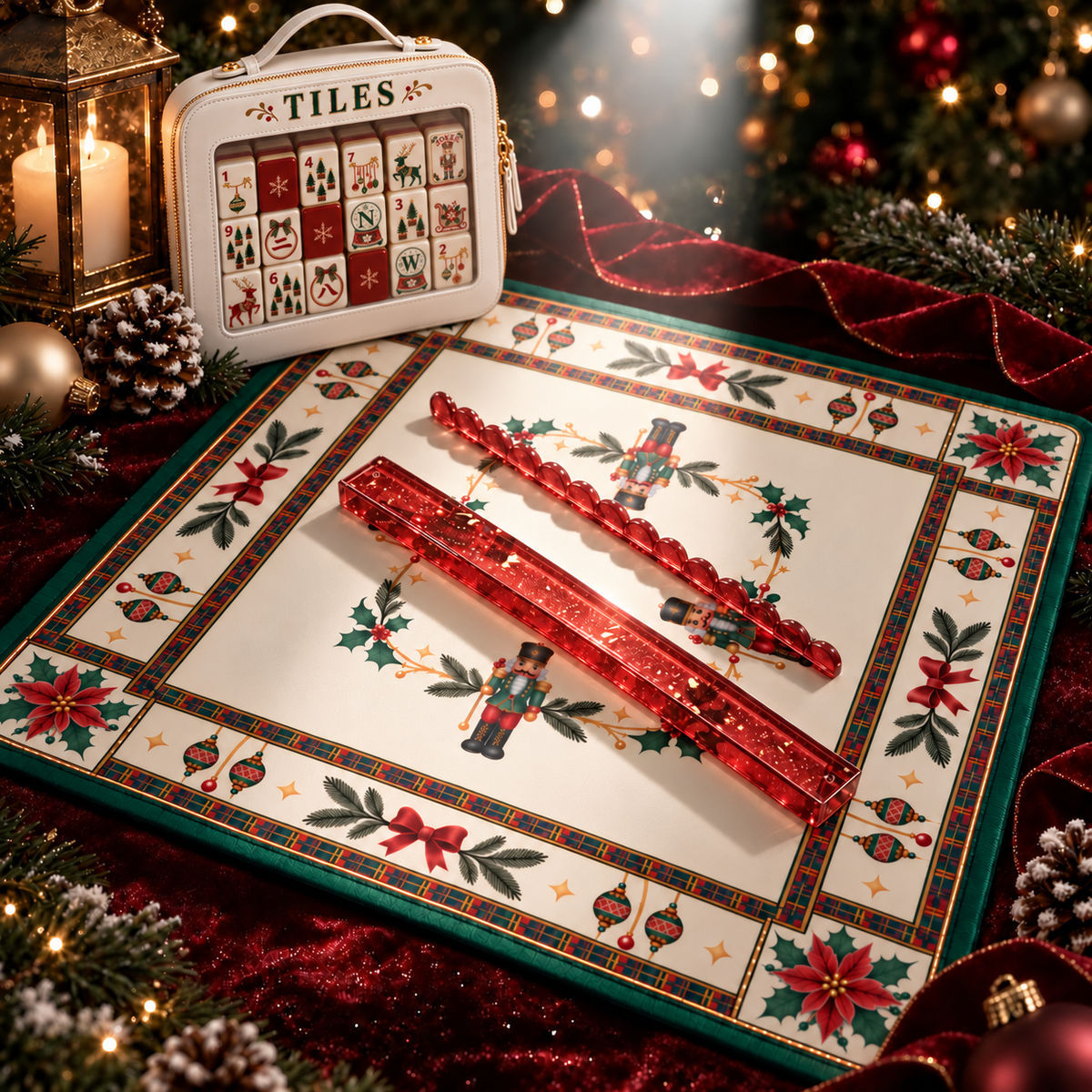
A fall mahjong party works best with 4 players, 2–3 hours, a sturdy mat, and snacks on a side table far from tiles. Host indoors where light is even and steady; seat players so everyone reads the wall clearly. Use best-selling sets with quality tiles that feel solid underhand—cheap tiles stick and slow the pace. Plan for a 30-minute Charleston (the pre-game tile pass), 4–6 rounds of play, and score tracking on paper. Theme décor around autumn: place card holders shaped like leaves, serve apple cider, use a bronze or burnt-orange mat if you love the seasonal look. Invite players who understand the current year's National Mah Jongg League card, or teach newcomers the basics before guests arrive so the first round isn't a tutorial. Mahstead's acrylic sets and engraved racks make hosting feel polished without fuss. 🀄 Shop best-selling mahjong sets →
What Space and Setup Do You Need?
Fall parties often mean smaller, cozier indoor rooms than summer gatherings. You need a table roughly 3 feet × 3 feet (minimum 30 inches square) so four players sit comfortably around it without elbows colliding. The mat should be centered, with snack tables, drink holders, and score pads 18 inches away—far enough tiles don't get moisturized by condensation or knocked by a reaching arm. Lighting matters: place a lamp behind two players so the third and fourth player don't have you blocking their view of the wall. If your fall party is hosted in a room with tall windows, close blinds during afternoon games so light doesn't glare off tile faces. A dedicated scorekeeper sits outside the game at a small desk or uses a lap tablet; this frees the fourth player to focus on strategy instead of arithmetic.
How Do You Build a Fall Theme Without Losing the Game?
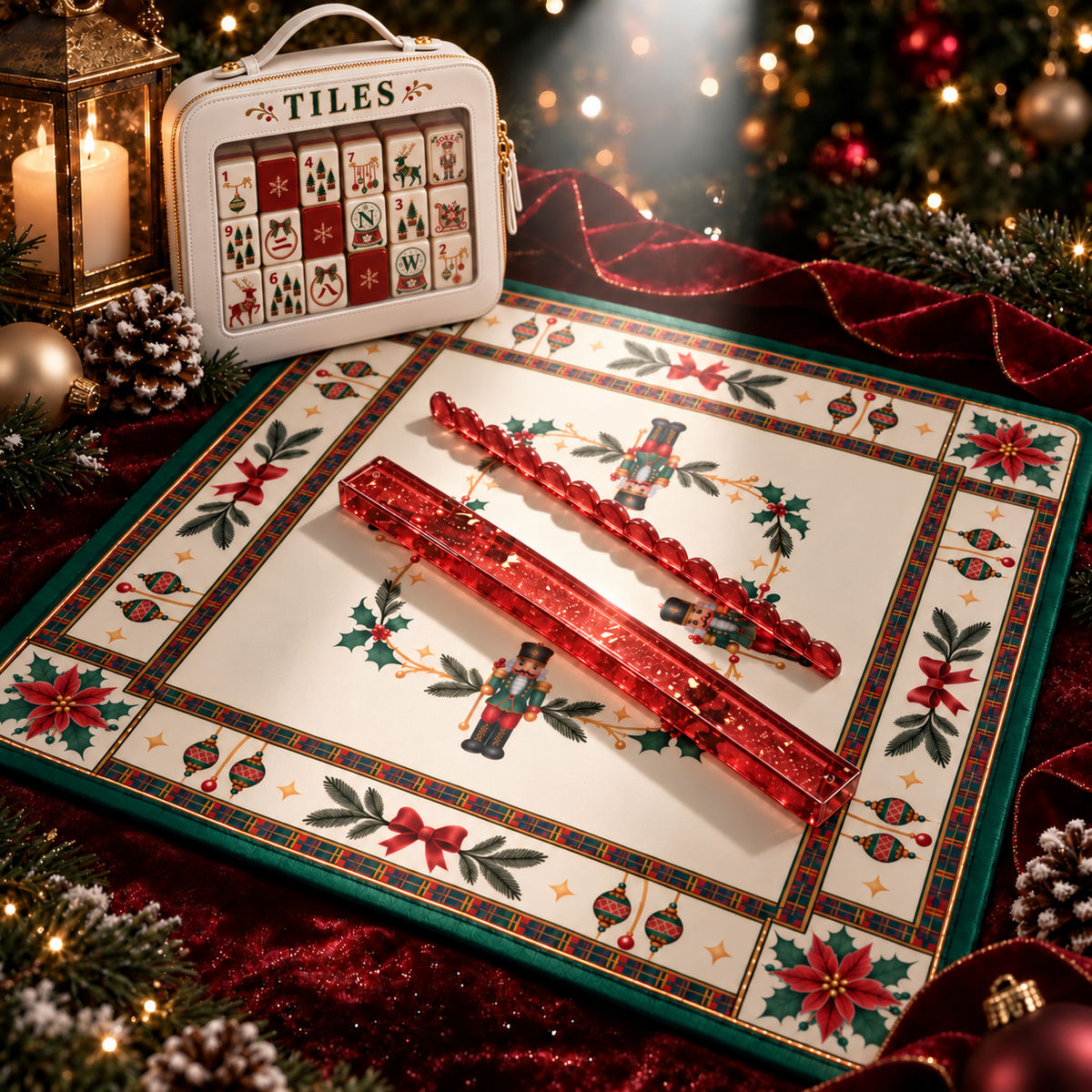
Decor and gameplay are separate—never let theme items touch the mat. Use natural centerpieces (dried corn husks, pumpkin gourds) on the side table, not in play area. Choose a mat in an autumn palette: burnt orange, warm bronze, or deep burgundy all feel seasonal and don't distract from reading hand combinations. Serve hot beverages in closed containers with lids to avoid spills near tiles. If you want place cards, use small folded cards naming each seat (North, East, South, West) in a fall font and set them outside arm's reach. Some hosts hang soft autumn string lights above the table (not so close they cast shadows) or play quiet instrumental jazz or lo-fi music in the background at low volume—nothing loud enough to mask players calling their hands. The real magic is in the ritual of the game itself: the Charleston, the wall building, the dealer's calling "ready"—let that be the centerpiece.
Should You Play by the Official Card or Invite House Rules?
American mahjong's structure depends entirely on that year's National Mah Jongg League card—rules don't vary. All players must use the identical current card to recognize valid hands; mismatches doom the game. For a fall party with experienced players, stick to the official card and standard American rules. If you have one or two newcomers, consider running two tables: one "competitive" (strict card play) and one "learning" table where you permit more casual hand combinations and focus on teaching the flow of play. Never mix variants on the same table; Riichi, Chinese, or Hong Kong mahjong follow different tile counts, hand structures, and calling mechanics that confuse everyone mid-game. If your group loves experimenting, host a separate "variant night" where everyone agrees beforehand—invite players who've studied the ruleset you're trying. The Charleston is mandatory in American mahjong and takes 10–15 minutes before round one; explain it clearly to new players by reading our Charleston guide so they don't hesitate when their turn arrives.
🎁 See our most-loved mahjong sets & accessories →
What Equipment Do You Need for a Four-Player Fall Party?
Item | Why It Matters | What to Check |
American mahjong set (152 tiles) | Holds exactly the tiles the game requires—no more, no fewer. | Acrylic tiles feel crisp; wood can warp in autumn humidity changes. |
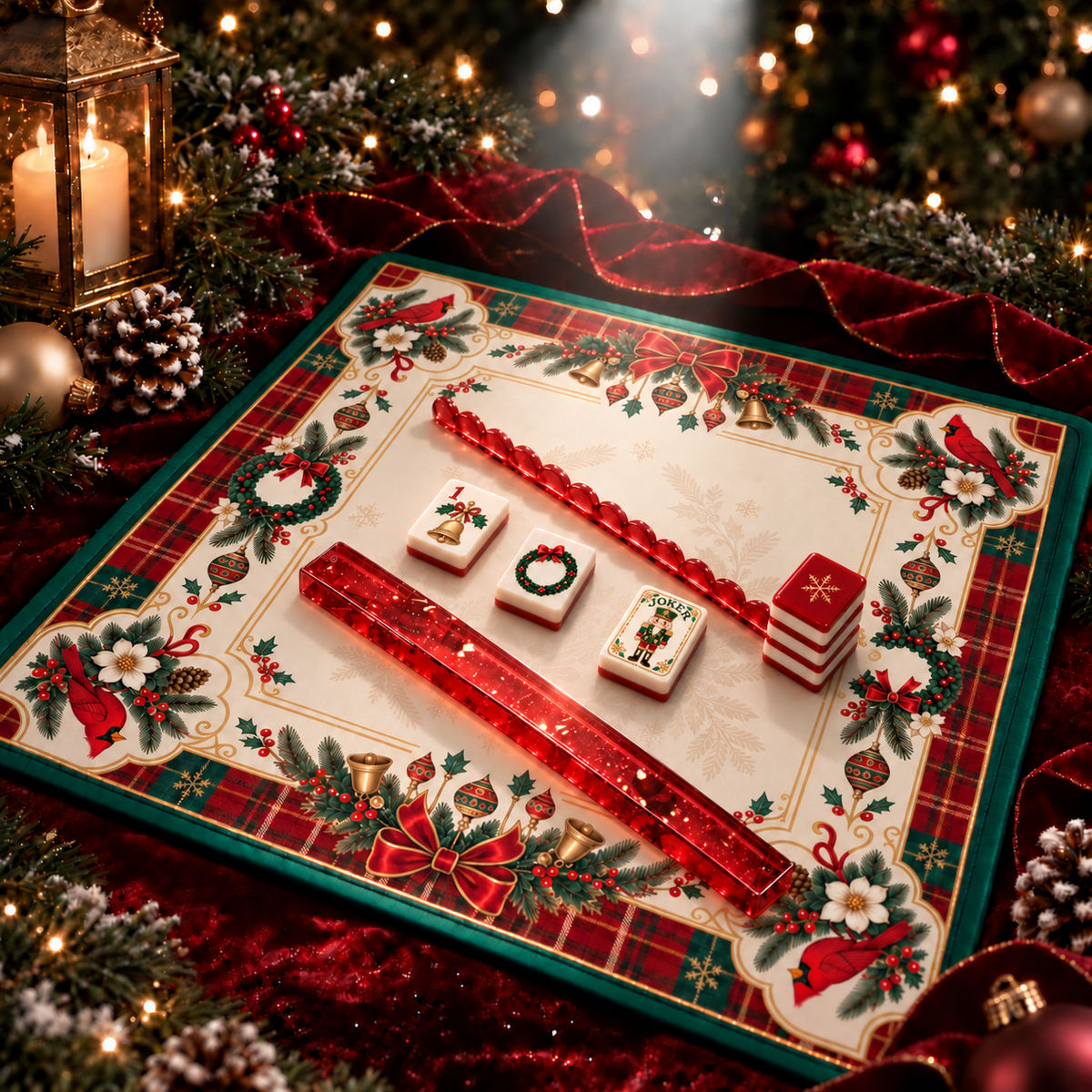
Mat | Keeps tiles visible and organized; defines play space cleanly. | 30" × 30" or larger; thick felt backing protects your table. |
Rack with pushers (one per player) | Holds your hand so others can't read tiles; pushers move tiles one at a time. | Racks should tilt slightly; pushers should glide without jamming. |
Dice (3 or 4) | Determines who deals and sets the wall. | Six-sided standard dice; use four if your group plays two simultaneous games. |
Score pad & pen | Tracks round scores; prevents disputes. | A laminated score sheet you can erase and reuse saves paper. |
We recommend engraved racks with pushers because they're sized for standard American tiles and the pusher mechanism runs smooth after hundreds of plays. If players bring their tiles from home, they may not all be identical dimensions—some old sets have mismatched tile heights—so tiles jam against each other and slow the pace. A quality mahjong mat in a fall-inspired tone (bronze, rust, deep green) also anchors the visual experience and protects your host table from spills.
How Do You Keep Guests Engaged If They're Waiting Between Rounds?
In a four-player game, everyone plays every round, so there's no "benching." But between rounds (which take 15–25 minutes depending on how quickly hands form), players chat, snack, and stretch. Have a side activity: a mahjong trivia printout, a tile history handout, or a "name that hand" card-matching quiz using photos of past winning combinations. For a fall party, serve warm snacks (apple slices with caramel, nuts, cinnamon cookies) so guests associate the gathering with comfort. If you're hosting a larger party where two tables play simultaneously, the social energy becomes the draw—people network between tables, cheer when someone reaches, and build community around the game rather than just individual competition. Score sheets become conversation starters: "You were 20 points down at round 3—how'd you recover?" Keep the tone light and celebratory rather than silent and cutthroat, especially with mixed experience levels.
What Common Hosting Mistakes Ruin a Fall Party?
Mixing tile sets. If Player A brings 1990s wooden tiles and Player B brings acrylic modern tiles, the heights and weights differ and they jam in racks. Ask all guests to bring Mahstead sets or confirm everyone uses the same brand beforehand. Starting without a scorekeeper. If the dealer tracks scores while also playing, math errors accumulate and arguments erupt at the end of the night. Assign a scorekeeper who sits out or rotates fairly. Playing with an outdated card. The National Mah Jongg League card updates every spring; if your card is from 2024 and it's now 2026, players won't recognize hands that match the current card. Download or order the current year's card from the League—don't rely on memory. Dim lighting or glare. Tiles should be read instantly; if someone misreads a number and exposes the wrong tile, the hand can collapse. Test your lighting 30 minutes before guests arrive. Placing food and drinks on the mat. Mats are cloth and absorb spills; set a rule: beverages stay 2 feet away, snacks on a side table. One sticky tile ruins the feel for everyone.
What to Check Before You Buy
Tile quality: Acrylic tiles resist moisture and fading through autumn dampness; check that characters are engraved (not printed) so they survive a season of play.
Mat thickness: A 6mm or thicker mat dampens the shuffle noise and protects your table surface from tile wear.
Rack sizing: Racks must fit your tiles' dimensions; if you're ordering new tiles and racks, buy the same brand.
Carry bag: If guests will travel to your home, a sturdy travel bag keeps tiles and mat together and makes setup 2 minutes faster.
✨ Find your Mahstead set — free US shipping →

FAQ
Can I host a mahjong party outdoors in fall?
Yes, but use a wind-proof mat and weigh it down; tiles scatter easily in breeze. Afternoon light can glare off acrylic tiles, so play in shade or use a canopy. Bring a secure carrying case so tiles don't blow away during setup.
How many guests should I invite?
Invite exactly 4 players for one game table. If you want 8 players, set up two tables with identical mats and sets so both games follow the same speed and rules—parallel games build energy better than a single table where people watch.
What's the best time to host a fall mahjong party?
Afternoons (2–6 p.m.) use natural light; evenings (7–10 p.m.) need lamps so tile faces are readable. Three hours is ideal: 30 minutes setup and Charleston, 2–2.5 hours of play across 4–5 rounds.
Do I need to provide the current League card, or can guests bring their own?
Provide one laminated current-year card for the table and confirm all guests have studied it beforehand. If a guest brings an old card, they'll misread hands and slow the game—politely ask them to reference the house copy.
What's the most common reason a fall mahjong party feels rushed?
Poor tile organization during setup. If you spend 20 minutes sorting tiles after the Charleston, momentum dies. Use a mat with clear zones (wall, hand rows, discard piles) and practice wall-building once before guests arrive so you can teach it in 2 minutes.


View More
View More
View More
