
Where to Play Mahjong in Scottsdale: Clubs, Groups & Getting Started
Last updated: Nov 23, 2026
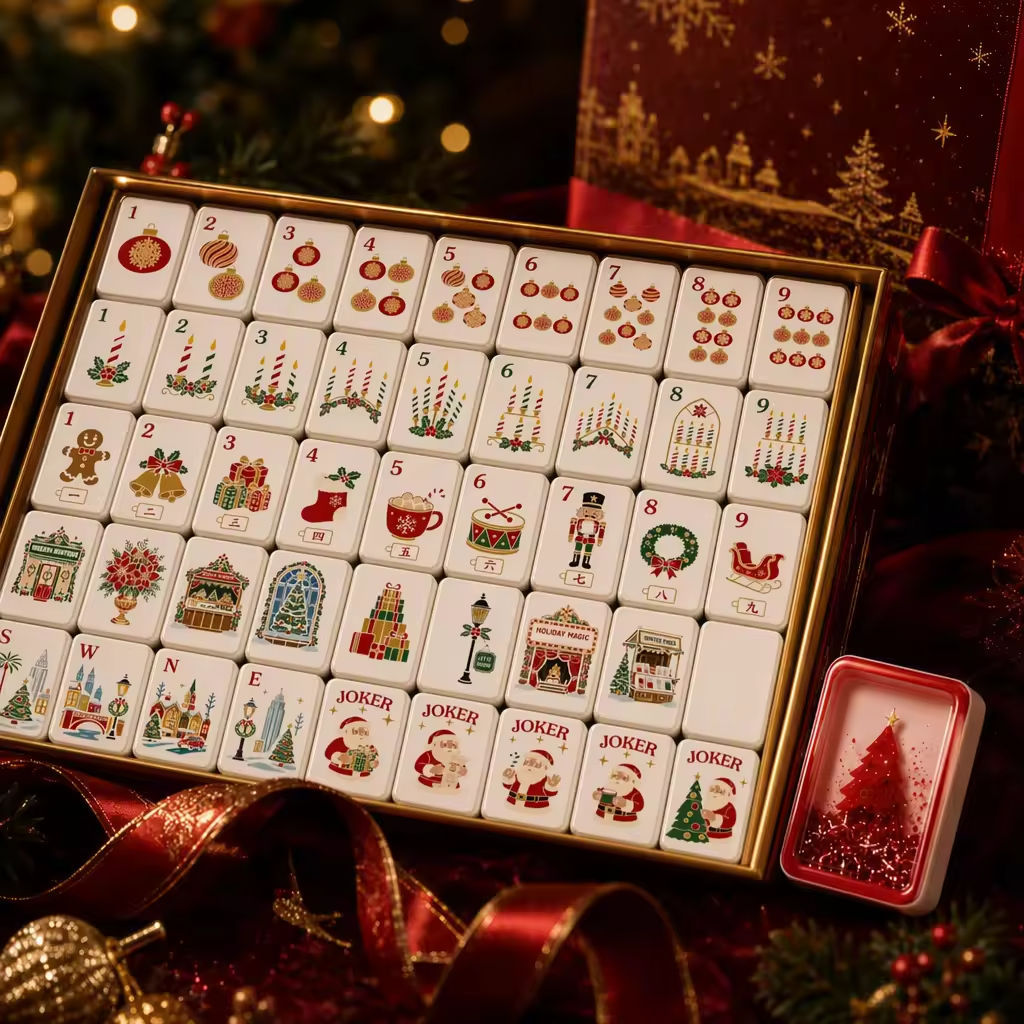
Scottsdale's mahjong scene thrives primarily through four channels: retirement communities (Sun City, Robson Ranch), country clubs and golf clubs with active women's groups, community centers offering lessons or open play, and informal weekly groups advertised on meetup boards or through synagogues and churches. Most games meet once or twice weekly, typically in the afternoon or evening, and play the standard American variant using the current National Mah Jongg League card. To find games, contact your local community center or library, ask at country clubs about women's game schedules, or search community bulletin boards. If you're new, begin with learning the basics of American mahjong before joining, and consider whether you'll need your own set—many groups share tables and equipment, but having a personal set from our best-selling collection lets you practice the Charleston and tile movement at home.
Where do most Scottsdale players gather?
Retirement communities host the largest concentration of regular games. Sun City and Robson Ranch each run multiple tables weekly—call their community centers directly to ask about drop-in or membership-based play. Country clubs and golf communities frequently sponsor women's mahjong groups that meet Thursday or Friday afternoons; membership or a guest pass is usually required. Community recreation centers in Scottsdale proper (check city and town websites for schedules) sometimes list mahjong sessions or can direct you to groups meeting on their premises.

How do I find a casual group that fits my schedule?
Start by visiting your nearest Scottsdale community library or recreation center—many post flyers or maintain bulletin boards with contact info for ongoing groups. Ask the librarian or rec staff directly; they often know regular players. Search neighborhood Nextdoor or Facebook group boards by zip code (85251, 85252, 85253 cover most of central Scottsdale) and post a polite inquiry. Many synagogues and churches host weekday or weekend mahjong; call religious centers in your area. If you want to host a new game yourself, pick a regular day and time, invite 3 friends, and use a quality mat and shared set to make setup easy and professional.
What's the best way to join if I've never played?
Before attending your first game, learn the fundamentals—understand hand patterns, how the Charleston works, and what jokers can and cannot do. Many groups welcome absolute beginners if you've studied the rules and brought the current year's card. Arrive 15 minutes early, mention you're new, and watch one round. Most players are patient with rank beginners; many learned within the same group. Ask if you can kibitz (watch without betting) before playing for small stakes. If you prefer low-pressure entry, offer to host a beginner session at home—use a dedicated mat with clear markings and our best-selling acrylic sets so everyone can learn at their own pace without pressure.

What equipment do I need to join or host a game?
A standard American mahjong game requires exactly 152 tiles plus 8 jokers, a mat for tile protection and layout clarity, a set of racks with pushers for hand management, dice, a card holder, and the current year's National Mah Jongg League card. Many established groups have shared sets and mats; newcomers often don't need to bring anything the first time. If you're joining regularly or hosting, owning your own set and mat means you're always prepared and you control the tile condition—crucial because worn tiles stick or slip, slowing the game. Acrylic tile sets are durable, easy to clean, and hold their shape through hundreds of plays. Consider a travel bag or case if you're bringing your set to someone else's home or moving between venues.
What You'll Need | For Joining | For Hosting | Why It Matters |
Mahjong set (152 tiles) | Often shared | Your own | Ensures play runs smoothly |
Mat | Usually provided | Your own | Protects tiles and defines play area |
Racks with pushers | Typically available | Recommended | Makes hand management visible and fair |
Dice | Shared | Your own | Quick setup and consistent seating rotation |
Current card | Bring or ask | Essential | All hands come from the same year's card |
Bag or case | Optional | Optional | Protects investment during transport |
🀄 Shop best-selling mahjong sets →
What should I know about Scottsdale's game culture and stakes?
Most Scottsdale groups play recreationally for pennies, nickels, or quarters per point—rarely higher. Games typically last 2–3 hours and involve 4 players rotating positions (East, South, West, North) each hand. Etiquette is strict: no talking about tiles or hands during play, no reaching across the board, and calling Mahjong immediately when you win. Scoring follows the National Mah Jongg League system, based on hand type and points earned; ask experienced players to explain scoring after your first game rather than during. Many groups have unwritten customs (like how many hands before a break, or who keeps running score); respect these without question. The atmosphere is social and welcoming, but the game itself demands focus and honesty—players self-police tile reveals and calling rules.
✨ Find your Mahstead set — free US shipping →
How do I get better and move to stronger tables?
Attend the same group every week. Learn to recognize hand patterns quickly by studying the card before play—most experienced players can spot a hand in seconds. Pay attention to which tiles opponents discard, deduce what they're holding, and avoid throwing tiles they need. Play in lower-stakes games first while you build speed and confidence. Ask experienced players for coaching after the game, not during. If a group splinters into "fast" and "slow" tables, you'll naturally drift toward the level that challenges but doesn't frustrate you. Many Scottsdale players began as complete novices; advancement depends only on practice and willingness to lose small amounts while learning.
🎁 See our most-loved mahjong sets & accessories →
What to Check Before You Buy or Join
Confirm the game uses the current year's National Mah Jongg League card — hands change annually; old cards cannot be used.
Verify the stakes (pennies, nickels, dollars per point) before sitting down — there's a huge difference between casual play and stakes games.
Ask if the group requires membership or welcomes drop-ins — some retirement communities restrict to residents or their guests.
Test the set's tile condition — rough, cracked, or warped tiles slow play and feel cheap; acrylic sets stay smooth for years.
Confirm play time and day — many groups switch tables or seasons; locked-in weekly schedules are rare.

FAQ
Do I need to own a mahjong set to join a Scottsdale group?
No. Most established groups have shared sets and mats. However, owning your own set lets you practice tile handling and the Charleston at home before your first game, which builds confidence and helps you learn faster.
What's the difference between a beginner group and a regular game?
Beginner groups explicitly welcome players learning the rules and play more slowly. Regular games assume you know hand patterns and play speed is expected. Always ask the host which category a game falls into before joining.
Can I find a game that meets on weekends?
Yes, but they're less common in Scottsdale. Most groups play weekday afternoons or evenings. Weekend games sometimes exist at community centers or through informal meetups—check library bulletin boards or ask at local country clubs.
How much do I need to budget for weekly play in Scottsdale?
Most recreational groups charge pennies or nickels per point. A 2-hour game with minimal wins or losses often costs between a dollar and five dollars. Some players lose small amounts initially; this is expected and accepted.
What should I do if I don't know anyone in Scottsdale yet?
Post on neighborhood Facebook groups or Nextdoor, or contact a synagogue, church, or community center directly and ask if they host or know of mahjong groups. You can also consider hosting your own beginner group in your home using a quality mat and set.
Are there tournaments or high-stakes games in Scottsdale?
Scottsdale does not have National Mah Jongg League sanctioned tournaments regularly listed. High-stakes games exist informally but are rare and by referral only. Most public play is recreational with low stakes and a social atmosphere.


View More
View More
View More
