
Engraved Mahjong Tiles: Weight, Feel & Durability Guide
Last updated: Nov 23, 2026
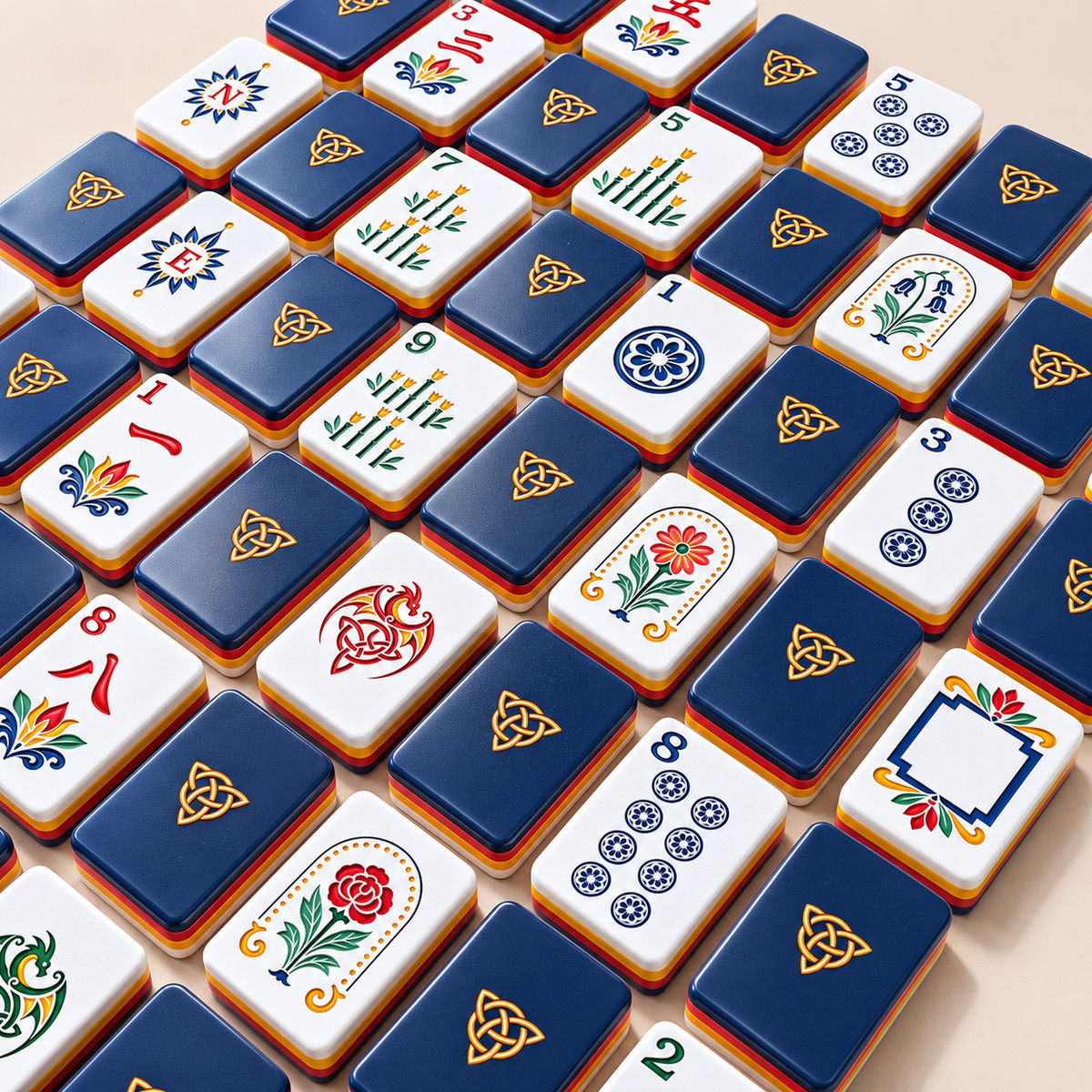
American mahjong tiles weigh between 7–9 grams each when made from acrylic or resin, depending on thickness and material density. A full 160-tile set (152 playing tiles plus spares) typically weighs 2–3 pounds, balanced enough to shuffle smoothly without fatigue. Engraved tiles feel slightly different from printed ones: the recessed design creates texture, making tiles less slippery during play. Acrylic engraved sets hold detail longer than painted alternatives because the design is cut into the tile rather than applied to the surface. We recommend acrylic for weekly games because durability matters more than novelty; tiles endure hundreds of shuffles, and engravings stay crisp through years of play.
What makes an engraved tile feel different in your hand?
Engraved tiles have recessed symbols and characters cut directly into the acrylic. When you pick up an engraved tile, your fingertips encounter slight grooves instead of a flat surface. This texture reduces slip—crucial during the rapid shuffling of the Charleston or when discarding quickly. Printed tiles, by contrast, feel smooth and can glide unpredictably across a mat, especially under fluorescent light. The friction from engraving also helps tiles nest together more stably when you're building your hand on a rack. Players who host weekly games notice the difference within the first hour: engraved sets feel intentional, less prone to accidents.

How much heavier are engraved acrylic tiles than plastic alternatives?
Acrylic engraved tiles sit at the heavier end of the mahjong spectrum—roughly 8–9 grams per tile for standard thickness. Lighter plastic or resin alternatives may weigh 6–7 grams, and bamboo/bone sets (traditional Chinese) can exceed 10 grams. The weight difference across a full set amounts to several ounces, which affects how tiles sound and feel when shuffled. Heavier tiles produce a more satisfying click when tiles collide during shuffling, a sensory cue experienced players associate with quality. However, heavier is not always better: very heavy tiles tire your hands during long games, while very light tiles feel insubstantial. Acrylic hits the sweet spot—substantial enough to feel premium, light enough to shuffle comfortably for hours. Many hosts prefer this balance because it reduces hand fatigue and feels professional without being unwieldy.
Do engraved tiles last longer than printed or painted ones?
Yes—significantly. Engraved tiles maintain their legibility because the design is cut into the material; there is nothing to wear off. After hundreds of games, engraved characters remain sharp and readable. Printed or painted tiles, by comparison, gradually lose their surface detail. Paint or ink can chip, fade, or rub away where fingers grip tiles most often. We've seen painted sets that are only three years old with noticeably worn symbols on high-traffic tiles like the 1 Bam (marked with a bird) and winds. Engraved acrylic tiles we've sold remain crisp after five years of weekly play. The cost difference between engraved and painted sets is often recouped in longevity. If you host regular games, engraving is an investment that pays back in durability and a consistent playing experience.
What's the difference between solid acrylic and hollow acrylic tiles?
Our best-selling mahjong sets typically use solid acrylic because it withstands shuffling impacts without cracking. Solid tiles are denser and more resilient when dropped or pressed hard during stacking. Hollow acrylic tiles weigh less and cost less to produce, but they are prone to cracking if a sharp edge strikes them wrong—common in fast shuffles or when tiles collide hard during the Charleston. Hollow tiles also produce a different sound, often a hollow click rather than the satisfying clink of solid acrylic. For a home game that meets weekly, solid engraved acrylic is the standard recommendation because it survives years of heavy use. The trade-off is minimal: solid tiles cost more upfront but rarely require replacement. Hollow tiles may seem economical initially, but cracking or chipping forces replacement within 2–3 years, making them costlier over time.
How do you check if engraved tiles will work for your game setup?
Before committing to a set, verify three factors: (1) tile thickness relative to your rack, (2) symbol clarity under your table lighting, and (3) tile size compatibility with your mat. Racks with pushers are designed for standard American mahjong tile dimensions; oversized or undersized tiles may not sit securely or slide smoothly. Take one tile to your playing space and test it in your rack under your actual game lighting—fluorescent light, lamps, or daylight affect how well you read engraved symbols. Engraved tiles reflect light differently than printed ones, which can be good (crisp readability) or challenging (glare) depending on your setup. Also check the mat: mats designed for standard tiles may bind slightly with thicker engraved tiles. A mahjong mat suited to your tiles ensures tiles slide smoothly without catching. Finally, test the noise level—some players prefer the softer shuffle of lighter tiles, while others love the authoritative clink of acrylic. Your preference is valid; the point is to know before you buy.

What's the best way to preserve engraved tile detail over time?
Engraved acrylic is largely self-preserving because detail is cut into the material. However, a few practices extend life: (1) store tiles in a protective bag or case to prevent dust, sun exposure, and temperature swings that can warp acrylic slightly; (2) avoid storing tiles in hot cars or direct sunlight for weeks—acrylic can discolor or become brittle; (3) clean tiles occasionally with a soft, dry cloth, never harsh chemicals; and (4) shuffle on a mahjong mat rather than a bare table to reduce tile-on-tile friction scuffs. Acrylic doesn't scratch as easily as you might think, but consistent shuffling on a hard surface will eventually dull the surface sheen. A mat protects both tiles and your table. We've found that sets stored in cases and played on mats retain their appearance for a decade or more. Sets stored loosely in humid basements or sun-facing closets can yellow or crack within 3–4 years, even if rarely played.
Comparison Table: Tile Material, Weight & Durability
Material | Weight per tile | Surface feel | Durability | Noise | Best for |
Solid acrylic (engraved) | 8–9g | Textured, grippy | 5+ years, detail crisp | Clear click | Weekly home games, durability priority |
Hollow acrylic | 6–7g | Smooth or textured | 2–3 years, prone to cracks | Hollow clink | Casual play, budget-conscious |
Painted acrylic | 7–8g | Smooth initially | 2–4 years, paint wears | Quiet | Beginners, short-term use |
Resin | 7–9g | Smooth or textured | 3–5 years, can discolor | Medium | Travel sets, occasional play |
🀄 Shop best-selling mahjong sets →
Understanding Engraving Methods & Their Impact on Feel
Engraving depth varies between manufacturers. Shallow engraving (1–2mm deep) creates minimal texture and feels almost smooth; it's cheaper to produce but wears less distinctly over time if paint is involved. Deep engraving (3–5mm) creates pronounced grooves and feels intentionally textured—your fingertips catch the symbol every time you pick up a tile. Deep engraving also means thicker acrylic, which increases durability but adds weight. The choice between shallow and deep is aesthetic and tactile, not about function. Both work fine for American mahjong as long as symbols remain legible. We recommend deep engraving for weekly games because the pronounced texture aids shuffling grip and the thicker acrylic means fewer cracks over time. Casual players or those who play once a month may prefer shallow engraving to reduce weight, though the savings are modest.
How Light & Viewing Angles Affect Engraved Tile Readability
Engraved tiles reflect light differently than flat surfaces, which is both an advantage and a consideration. Under bright overhead lighting, engraved symbols cast micro-shadows that make characters pop—often easier to read than printed alternatives. However, sitting across the table under harsh fluorescent light, glare from the smooth acrylic between engraved symbols can be momentarily distracting. Angled or softer lighting (like lamps on a side table) eliminates glare and enhances the shadows that make engravings readable. This is why many hosts position side lamps rather than relying only on ceiling fixtures. If you play under fluorescent light, bring sample tiles to your game space and observe readability from the seat farthest from the light source—that's the toughest angle. Test during an actual game hour if possible; sometimes glare that seems bad during a five-minute inspection feels negligible during real play. Most players adapt within one session, but it's worth checking.
✨ Find your Mahstead set — free US shipping →
Choosing Between Engraved Sets for Your Table Style
If you enjoy aesthetics, engraved American mahjong sets come in styles ranging from traditional Chinese characters to Western numerals, custom names, and thematic engravings (holiday designs, family crests, city names). Each style affects how the tile feels in your hand: traditional engravings often use finer detail, which requires deeper, more precise cutting and produces a more refined tactile experience. Western numerals and larger engravings feel blockier but are faster to read at a glance. Custom engravings (like a family name or initials) add weight to tiles psychologically—players often report feeling more invested in a personalized set, which may sound trivial but genuinely affects how carefully people handle tiles and treat the game. Thematic sets (holiday, regional, professional) serve dual purposes: functional game pieces and conversation starters or decor items. Choose based on where and how you'll play. Casual weekly games can handle fun, playful engravings; tournament practice or formal settings benefit from cleaner, traditional designs. The tile feel and weight remain similar across designs—the engraving style is primarily an aesthetic and psychological choice.
What to Check Before You Buy
Tile dimensions: Confirm the set fits your existing racks with pushers and mat. Standard American tiles are roughly 30mm × 20mm × 18mm; most engraved acrylic sets match this, but verify if switching brands.
Engraving depth & clarity: Request or inspect close-up photos. If available, handle a sample tile under your game lighting. Symbols should be legible from across a table without squinting.
Acrylic thickness & weight: A full set should feel balanced in both hands, not exhaustingly heavy. Tiles should nest firmly in a rack without falling out if you jostle the rack lightly.
Storage & travel: If you transport your set, ensure it ships in a protective case or fits snugly in one you own. Loose tiles bouncing in a bag develop micro-cracks over time.
Joker & spare tile count: A 160-tile set includes spares; confirm the exact configuration. Knowing how many jokers and blank tiles you have prevents confusion during setup.
Return or warranty: Understand the seller's policy if tiles crack during shipping or show manufacturing defects. Quality sellers stand behind their products.
🎁 See our most-loved mahjong sets & accessories →

FAQ
How much does a full engraved mahjong set weigh?
A 160-tile engraved acrylic set weighs approximately 2–3 pounds depending on tile thickness and acrylic density. Individual tiles weigh 8–9 grams. This weight is manageable for shuffling during a multi-hour game without hand fatigue, though heavier than plastic alternatives.
Can you use engraved tiles with a regular mahjong mat?
Yes. Engraved acrylic tiles are standard American mahjong size and work with any mat designed for 152-tile sets. However, slightly thicker engraved tiles may catch on worn mat seams; inspect your mat for damage if you notice binding or sticking.
Do engraved tiles make a different sound than printed ones?
Yes. Solid acrylic engraved tiles produce a sharper, more resonant click when shuffled or stacked because of their density. Painted or hollow tiles generate a softer or duller sound. Many experienced players prefer the solid acrylic sound as a sign of quality, though this is subjective.
How often do engraved tiles need cleaning?
Rarely. Dust them with a soft cloth monthly if stored long-term. Avoid water or harsh cleaners unless tiles are visibly stained. Acrylic resists most dirt and dust; the main risk is sun fading (avoid direct sunlight) and temperature swings (store at room temperature).
Are engraved tiles harder to read than printed ones?
No—often easier. Engraved symbols cast shadows under normal lighting, making characters stand out. However, glossy acrylic can create glare under harsh overhead fluorescent light. Angled or softer lighting solves this; most players read engraved tiles comfortably after one session.
What's the advantage of engraved over printed tiles if both show the same symbols?
Durability and tactile quality. Engraved detail lasts 5+ years of weekly play; painted tiles fade or chip within 2–4 years. Engraved tiles also grip better during shuffling and feel more intentional in hand—a subjective but widely noticed difference among regular players.
Can you customize engravings on tiles, and does it affect weight or feel?
Customization is available but doesn't significantly change weight or feel if the design fits standard tile dimensions. Custom engravings (names, dates, themes) may use shallower or deeper cutting depending on complexity; finer detail requires deeper engraving, which slightly increases tile thickness and durability.


View More
View More
View More
