
Mahjong Lessons in Houston: Where to Learn & What to Expect
Last updated: Nov 23, 2026
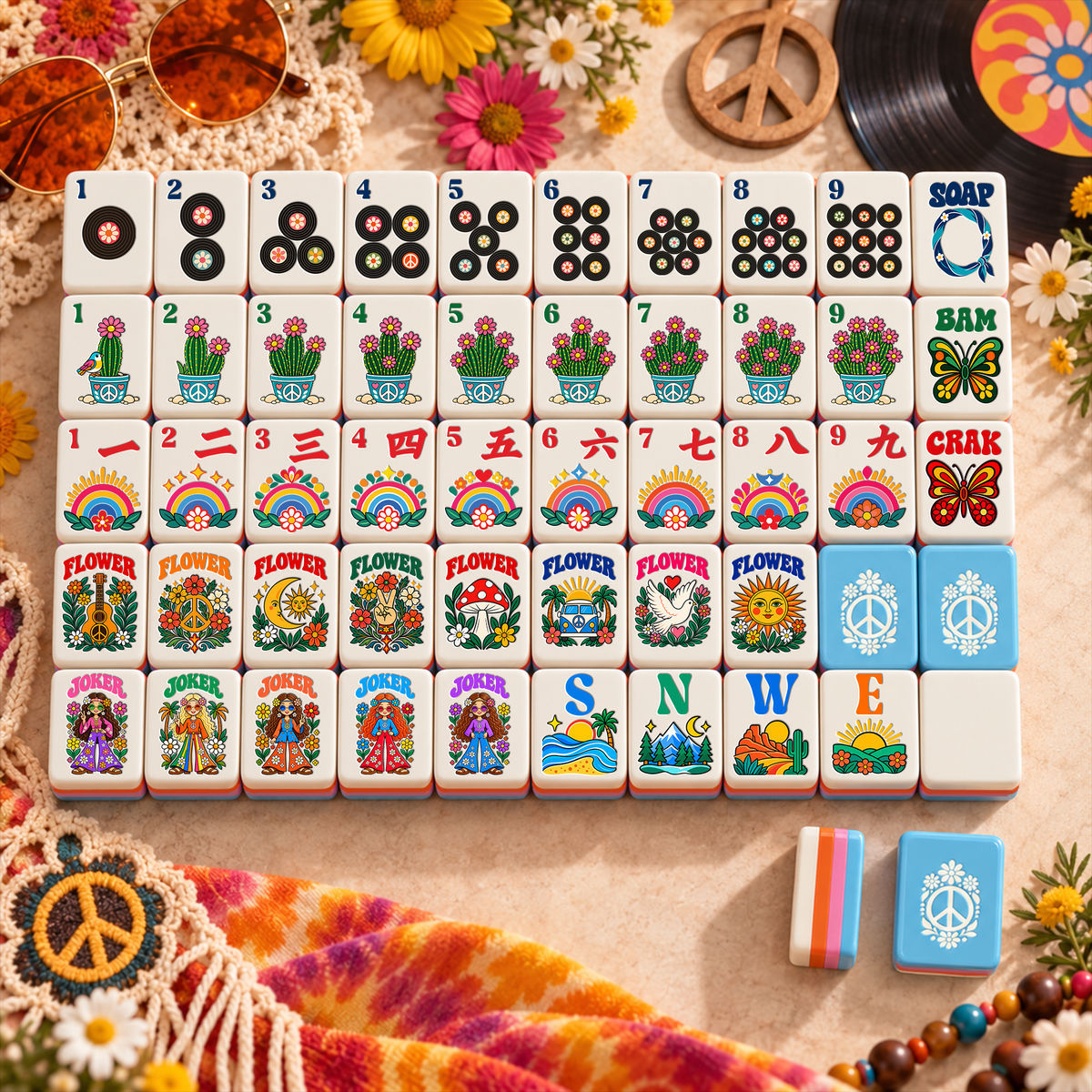
Mahjong lessons in Houston happen at public libraries, community centers, synagogues, country clubs, and through informal meetup networks—search your neighborhood library's event calendar or ask at cultural centers to find current groups. Most instructors teach American mahjong (the 152-tile, card-based variant played with four players) over 4–8 weeks of weekly 2–3 hour sessions; beginner classes focus on tile recognition, the annual National Mah Jongg League card, the Charleston passing ritual, and basic hand-winning mechanics. Costs vary by venue; many community programs charge no fee or a small drop-in rate. Before enrolling, confirm the instructor teaches American (not Chinese or Hong Kong variants), uses a current-year League card, and welcomes true beginners with no prior tile experience. Start with mahjong for beginners resources, then join a live class to practice with a real group at a table. 🀄 Shop best-selling mahjong sets →
Where Do Houston Mahjong Lessons Actually Meet?
Houston's mahjong instruction happens in four main venue types: public libraries (which often host weekend workshops and recurring drop-in games), community centers (check parks and recreation departments for spring/fall session offerings), cultural organizations and synagogues (especially active in areas with large Jewish and Asian communities), and country clubs or private game shops. Start by calling your neighborhood branch library and asking if they host mahjong events or can refer you to a local instructor. Nextdoor, Meetup, and Facebook community groups also post weekly game locations; filter for "mahjong lessons" and "beginner-friendly" to find groups actively teaching newcomers. Word-of-mouth through friends who play is fastest—ask around at work or in your neighborhood if anyone hosts a regular game and welcomes learners. Most lessons happen weekday evenings or weekend afternoons.

What Should You Expect in Your First Lesson?
Your instructor will begin with tile anatomy: the three suits (Bams, Craks, Dots numbered 1–9), winds (North, East, South, West), dragons (Red, Green, White), flowers, and jokers. You'll learn the current-year National Mah Jongg League card—a laminated reference showing 200+ winning hand patterns that change every spring. The Charleston (the ritual four-direction tile-passing exchange before play starts) comes next: it feels like a dance at first but becomes automatic by week two. Then you'll play short, low-stakes practice rounds, learning how to call a pung (three identical tiles, exposed on the table) versus discarding, and understanding why jokers can never fill a pair. Most classes spend weeks one through three on mechanics, weeks four and five on reading the League card and playing real hands, and week six onward on scoring and competitive play. Bring a notepad, drink water, and expect to feel confused for 90 minutes, then a little clearer by week four.
How Long Until You Can Play in a Real Game?
Most Houston players are ready to join a regular weekly game after 5–8 weeks of consistent lessons—one session per week minimum. By week four, you can follow play without asking every other turn; by week six, you understand the card well enough to spot two or three hands in your tiles without the instructor's help; by week eight, you're slow but independent. Don't rush this timeline: jumping into a competitive game too early (say, after one or two lessons) is frustrating for you and everyone at the table. Honest players will tell you if you're not ready yet; listen to them. Many instructors facilitate a "graduation night" where you play a friendly game with other learners under light supervision before joining the regular crowd. Ask your instructor upfront about this pathway. Once you're comfortable, you can find ongoing games at the same venues or join a private weekly group.
🎁 See our most-loved mahjong sets & accessories →
American Mahjong vs. Other Variants: What Houston Teachers Use
Houston instructors teach one of three variants: American (by far the most common in the city), Chinese, or occasionally Hong Kong or Riichi. American mahjong uses the annual National Mah Jongg League card—a printed reference of legal winning hands that changes every March. You cannot play without the card; there are no "universal" hands. Chinese mahjong has no card; hands are memorized patterns, and the tile set differs (often 144 tiles). Hong Kong is faster and simpler but rare in Houston. Ask your instructor which variant they teach before enrolling. If you want to play in Houston's regular Thursday-night or Saturday-morning games, learn American first; switching variants later is easy once you understand one fully. Most lessons use a best-selling mahjong set with acrylic tiles and pushable racks—the same equipment you'll use in real games—so equipment familiarity transfers directly.

Choosing an Instructor: Red Flags and Green Lights
Criterion | Green Light | Red Flag | Why It Matters |
Variant taught | Explicitly says "American" or "League card" | Vague; mixes variants; no card mentioned | American is Houston standard; playing other variants isolates you later |
Class size | 4–12 students, at least one practice game | Huge lectures (50+); no hands-on play | Mahjong is a table game; you learn by playing, not listening |
Teaching materials | Prints current-year League card; provides tile photos | "You'll memorize it" or very old card images | The card is THE foundation; outdated cards teach wrong hands |
Cost transparency | Tells you price upfront and what's included | Unclear about fees or adds surprise charges | Houston venues vary; honest instructors are clear |
Beginner honesty | Says "You'll be slow for 6 weeks, and that's fine" | Promises fluency in 2 weeks | Mahjong takes time; impatient instructors burn out learners |
Game access | Refers you to ongoing groups or hosts regular games | Lesson ends; you're on your own to find a game | The point is to join a community, not just take a class |
A good instructor plays in the games themselves, welcomes questions, and tells you when you're ready to move on—not before. They'll also lend or sell you a set if you need one for practice at home.
Setting Up Your Own Practice Space: Gear for Beginners
Once you've taken 2–3 lessons, practice at home between sessions speeds up your learning dramatically. You'll need a standard 160-tile acrylic American mahjong set (includes enough tiles for one complete game plus spares), a mat to protect your table, and acrylic racks with pushers so tiles stand upright and don't scatter. A mahjong mat quiets the clack of tiles and marks the player positions clearly for a beginner's eye. Racks with pushers are crucial early on; they keep your hand organized and teach proper tile spacing without the mess. Print the current-year League card at actual size and tape it to a wall or table edge during practice. If you buy a set before lessons, choose one with clear, large suits and numbers—acrylic tiles are easier to read than bamboo for new players. Many Houston instructors will tell you which set they use in class; buying the same one means no translation lag between lesson and home practice.
✨ Find your Mahstead set — free US shipping →
What to Check Before You Commit to Lessons
Before signing up, confirm the instructor covers these non-negotiables:
The National Mah Jongg League card (current year). If they don't mention it by name or don't show you one in the first email, keep looking.
Four-player American mahjong. Ask explicitly: "Is this League-card American mahjong, or a different variant?"
Real tile practice by week two. No lesson is pure lecture; you touch tiles and play hands early.
A pathway to regular games. The lesson should end with you joining an ongoing group, not stopping at the course finale.
Beginner honesty. "You'll fumble with the card for four weeks" is a green light. "You'll be an expert in a month" is a red flag.
Call or email the instructor and ask these directly. Good teachers answer cheerfully; evasive ones aren't worth your time.

FAQ
What's the difference between taking lessons in person versus learning from a book or video?
In-person lessons expose you to real tiles, live game pace, and instant feedback. Videos and books teach concepts, but a table game needs muscle memory and confidence that only comes from playing with others who correct you gently. Most successful Houston players use both: a lesson for structure, YouTube or blogs for rule reference, and practice games with the group for fluency.
How much does a typical mahjong lesson cost in Houston?
Venue matters more than instructor reputation. Community center sessions typically cost a flat drop-in fee or a per-session rate; libraries often run free workshops or low-cost programs. Private instructors charge by the hour. Contact your local venues directly for current pricing, as rates change seasonally and by neighborhood.
Can I learn mahjong if I've never played any tile or card games before?
Yes. Mahjong's rules are learnable in a day; confidence and speed take weeks. Many successful Houston players came from chess, bridge, or zero gaming backgrounds. The card is your crutch; you don't memorize 200 hands—you learn to scan the card quickly and recognize patterns in your tiles.
Do I need to buy my own mahjong set before taking lessons?
Not immediately. Most instructors provide sets in class. Buy one after 2–3 lessons if you want to practice at home, which significantly speeds up learning. A best-selling set with acrylic tiles and racks is the standard; avoid cheap plastic sets that are hard to grip or read.
What happens if I miss a lesson or fall behind?
Many Houston groups run rolling lessons (new beginners join every other month) or offer drop-in catch-up sessions. Talk to your instructor about scheduling. Mahjong is forgiving of missed weeks; a month off stings your speed but not your fundamental understanding. Return to practice and you're back on track in 2–3 games.
Is American mahjong harder than other variants?
American is stricter because of the card (you must play current-year hands; no improvising), but the tile mechanics are simpler than Chinese mahjong. Most learners find the card the hardest part for the first three weeks, then it becomes intuitive. If you learn American first, switching to Chinese later is very manageable.


View More
View More
View More
