
Easter Mahjong Tablescape: Hosting Tips & Tile Décor
Last updated: Nov 23, 2026
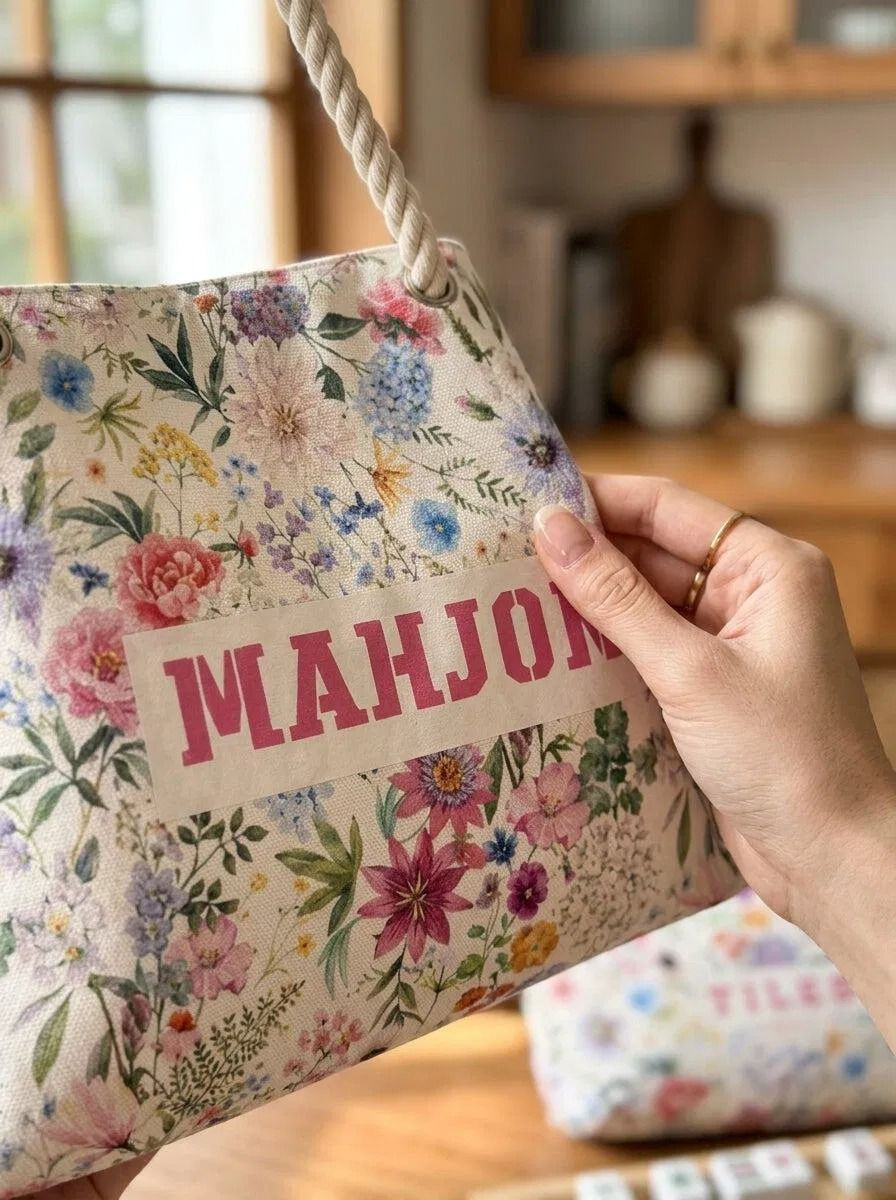
An Easter mahjong tablescape coordinates your tile set, mat, rack design, and table linens around spring colors—pastels, florals, and fresh jewel tones. Start by choosing a 160-tile acrylic set in a soft or vibrant hue (ivory, blush, sage, or coral work well), then layer in a complementary mat with Easter or floral motifs if available. Add pastel table runners, fresh greenery, or a small flower arrangement at the table center; keep the setting uncluttered so players can see tiles clearly. Light table coverings help reflect spring energy without overwhelming the game. Most players spend 15–30 minutes on tablescape setup and appreciate how the visual theme makes games feel like occasions rather than routine play. Avoid heavy, dark linens or competing patterns that distract from the tiles or the card reading; let the mahjong pieces anchor the design. Mahstead's best-selling mahjong sets come in versatile colors that anchor a spring aesthetic. 🀄 Shop best-selling mahjong sets →
How do I choose a tile color that fits Easter décor?
Acrylic tile sets from Mahstead come in a range of colors. Pastels (cream, pale pink, soft green, lavender) pair naturally with Easter eggs, spring florals, and light linens. Jewel tones (emerald, sapphire, amethyst) add depth and don't look washed out under typical game lighting. Ivory or champagne tiles work with virtually any color palette because they read as neutral while remaining elegant. Hold your top choices next to the table linens or mat you've chosen; strong contrast reads cleaner during play, while soft harmony creates a cohesive look. Most of us rotate tile colors seasonally—Easter calls for pastels or bright spring hues, not autumn darks.

What mat design works best with a spring theme?
A mahjong mat anchors your table's visual story and takes up the central playing area. Look for mats in light backgrounds (cream, pale yellow, soft gray) or those with floral or botanical prints if Mahstead offers them. A mat with a delicate border in green or coral complements Easter pastels without competing for attention. Solid-color mats in sage, blush, or ivory work equally well and let your acrylic tile colors shine. The mat also defines the play zone clearly, which matters when you're hosting players unfamiliar with your setup. Avoid mats with heavy patterns or dark bases that absorb Easter's lighter energy. A mahjong mat in a spring shade becomes a seasonal investment you'll pull out year after year.
How should I arrange racks and pushers for an Easter table?
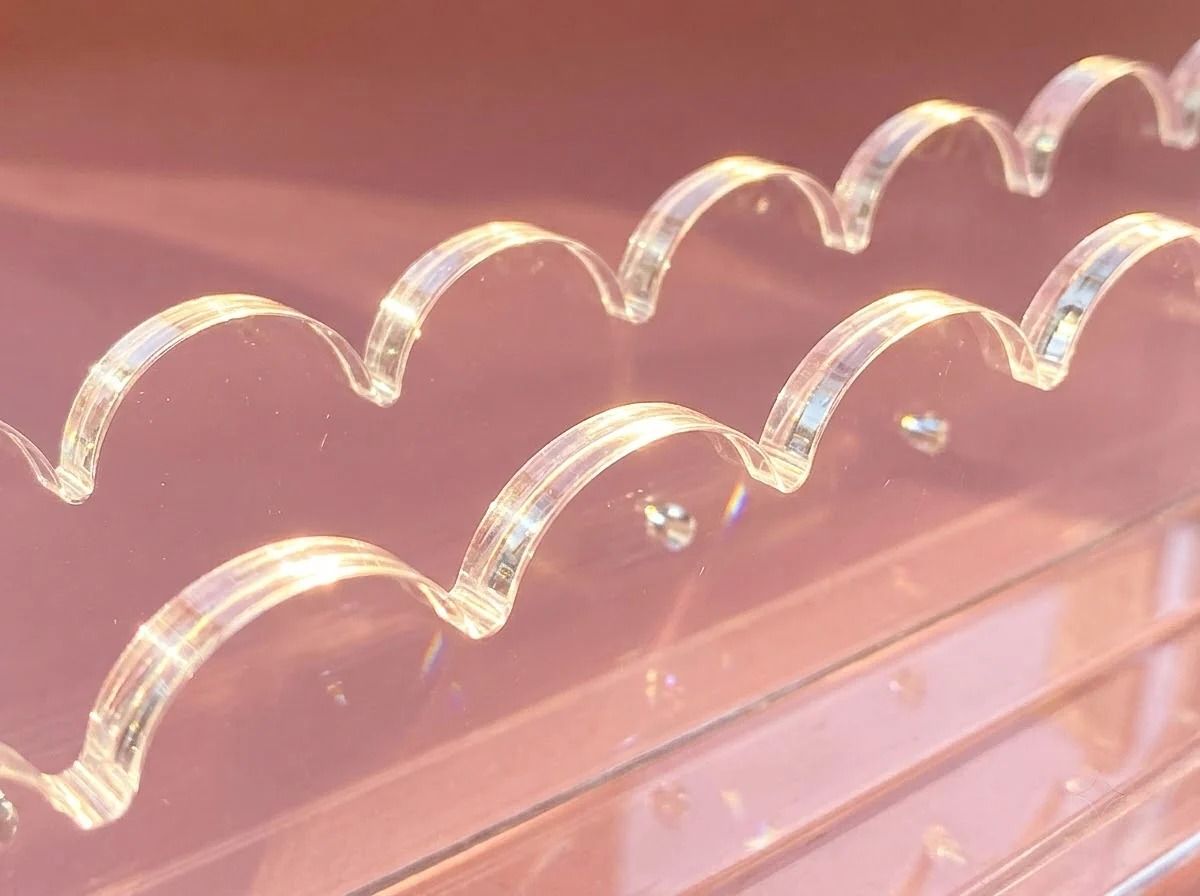
Racks hold each player's tiles and benefit from a clean, accessible design during play. Position racks at each compass point (North, East, South, West) so everyone has equal sight lines to the center mat and the drawn tiles. Racks in natural wood or light acrylic coordinate with pastel sets and don't compete visually. Place pushers—the small sticks that help players move tiles—where they're easy to reach but don't clutter the mat surface. If your racks with pushers come in a coordinating finish (light bamboo, pale acrylic), arrange them before guests arrive so the table reads as intentional. Players notice and appreciate a well-organized rack setup; it signals that hosting is deliberate, not rushed.
What table linens and centerpieces complement mahjong décor?
Layer your mahjong setup with coordinating linens to complete the Easter aesthetic. A pale linen tablecloth or pastel table runner frames your mat and racks without overwhelming the game surface. Add a small centerpiece—fresh tulips, daffodils, or pussy willow in a clear vase—at the table edge or corner, away from the play zone. Avoid tall arrangements that block sightlines or cluttered displays that collect dust near tiles. Light, fresh scents (a small votive candle, fresh flowers) enhance the spring feeling without overpowering the room. Napkins in coordinating pastels, name cards, or a printed scorepad in spring colors reinforce the theme. Keep the table surface clear enough that players can focus on tile reading and strategy; décor should enhance mood, not create obstacles.

What's the fastest way to set up an Easter mahjong table?
Assemble your tablescape 30 minutes before guests arrive. First, lay the tablecloth and mat. Position each player's rack and pusher at their seat. Place the tile set and dice near the host's position for the opening draw. Add a small floral centerpiece and water glasses at the table perimeter. Verify that each seat has access to the mahjong card (printed or digital) for reference during play. Check sightlines from each chair to the mat and all four racks—nothing should block the central play area. Set out a scorepad and pen. This order—foundation, player positions, game pieces, décor, final check—takes 20–30 minutes for an experienced host and ensures nothing is forgotten.
Setup Task | Time (minutes) | Easter-specific touch | Why it matters |
Tablecloth & mat | 3–5 | Pale or botanical print | Defines the play zone visually |
Racks & pushers | 2–3 | Coordinating finish | Organized seats signal intention |
Tile set & dice | 2 | Pastels or ivory pieces | Complements spring palette |
Centerpiece & linens | 5–10 | Fresh flowers, spring colors | Reinforces seasonal mood without clutter |
Card & scorepad | 2–3 | Spring-themed if available | Keeps game moving smoothly |
Final walkthrough | 3–5 | Sightline check | Catches blocking or missing items |
🎁 See our most-loved mahjong sets & accessories →
How do I choose a complete table setup within a budget?
If you're hosting an Easter game for the first time or upgrading your current setup, prioritize the tile set and mat as your investment anchors. A quality 160-tile acrylic set in a spring color (see current price on the product page) is the most visible and longest-lasting piece; many of us use the same sets for 5–10 years. A mat in a coordinating neutral or spring shade multiplies the cohesion without requiring top-tier pricing. Racks and pushers are functional but secondary for aesthetics; a basic set in natural wood or clear acrylic works fine. Centerpieces and linens are usually items you already own or can borrow. Most hosts find that buying or borrowing a quality set and mat first, then adding modest décor pieces, creates a polished look without overspending.
What mistakes should I avoid when planning an Easter mahjong tablescape?
Don't mix competing tile colors at the same table—pick one set and stick with it. Don't crowd the mat with decorations or racks so tightly that players can't reach tiles comfortably. Don't choose a mat so bold or colorful that it overpowers the actual tiles (remember, players need to read tile faces clearly during play). Avoid synthetic or plastic flowers that look cheap next to beautiful acrylic tiles; if using arrangements, keep them fresh or choose simple greenery. Don't forget to test your table setup with one practice round before guests arrive—this catches problems like blocked sightlines or racks too close together. Don't assume all players know the rules; have the mahjong card and a quick cheat sheet available so new players feel welcome.
✨ Find your Mahstead set — free US shipping →
What to check before you buy
Tile set color: View samples next to your chosen tablecloth or mat under your actual table lighting.
Mat size: Confirm it fits your table and leaves room for four racks around the edges.
Rack finish: Verify racks coordinate with your set's material (acrylic sets pair naturally with clear or light acrylic racks).
Centerpiece safety: Place flowers or candles where they won't spill on tiles if someone reaches across the table.
Sightline test: Arrange furniture and ask a friend to sit at each seat and confirm they can see the mat, all racks, and the card clearly.
Spring palette: Gather your proposed colors (tablecloth, mat, flowers, set) in natural daylight or under your game room's lights before committing.
FAQ
Can I mix two different tile sets on one Easter table?
Avoid it. Mixing sets in different colors, materials, or finishes creates visual chaos and makes tile reading harder mid-game. One cohesive set—even in a lighter color—reads more intentional and professional. Save the second set for a different occasion or a second table if you're hosting multiple games.
What if I don't have a themed mat—can I use a table cover instead?
Yes. A pale or pastel table cover under your mat provides the base layer for spring colors. A solid-color cover in ivory, cream, blush, or sage works just as well as a patterned mat and often costs less. See the comparison in our mat vs. table cover guide for details on when each works best.
How many players can sit at an Easter mahjong table?
Traditional American mahjong requires exactly four players. If you need to host more, set up a second table with its own set, mat, and mats. For smaller groups, some players learn 2 or 3 player variants, though these follow different rules than the standard four-player game.
Should I store my Easter mahjong set differently after the season?
Store your acrylic set in a breathable mahjong bag or case in a cool, dry place away from direct sunlight to prevent color fading or warping. Keep the mat rolled or flat in a closet. Label your storage box with the set color and year so rotation is easy next spring.
Can I use Easter mahjong as a beginner-friendly game for family gatherings?
Absolutely. Mahjong is deeply social and seasonal themes make it feel like an event rather than just a game. New players should review the mahjong for beginners guide or watch a quick rules video beforehand. A beautiful tablescape also signals respect for the game, which often motivates new players to learn seriously.
Where do I find an Easter or spring-themed mahjong mat?
Check Mahstead's mahjong mats collection for current options with floral, botanical, or light spring colors. If a specific Easter print isn't available, a solid pastel mat in cream, pale green, or blush works beautifully with pastel tile sets and Easter décor.


View More
View More
View More
