
Mahjong Teachers in Florida: Find Lessons & Build Your Game
Last updated: Nov 23, 2026
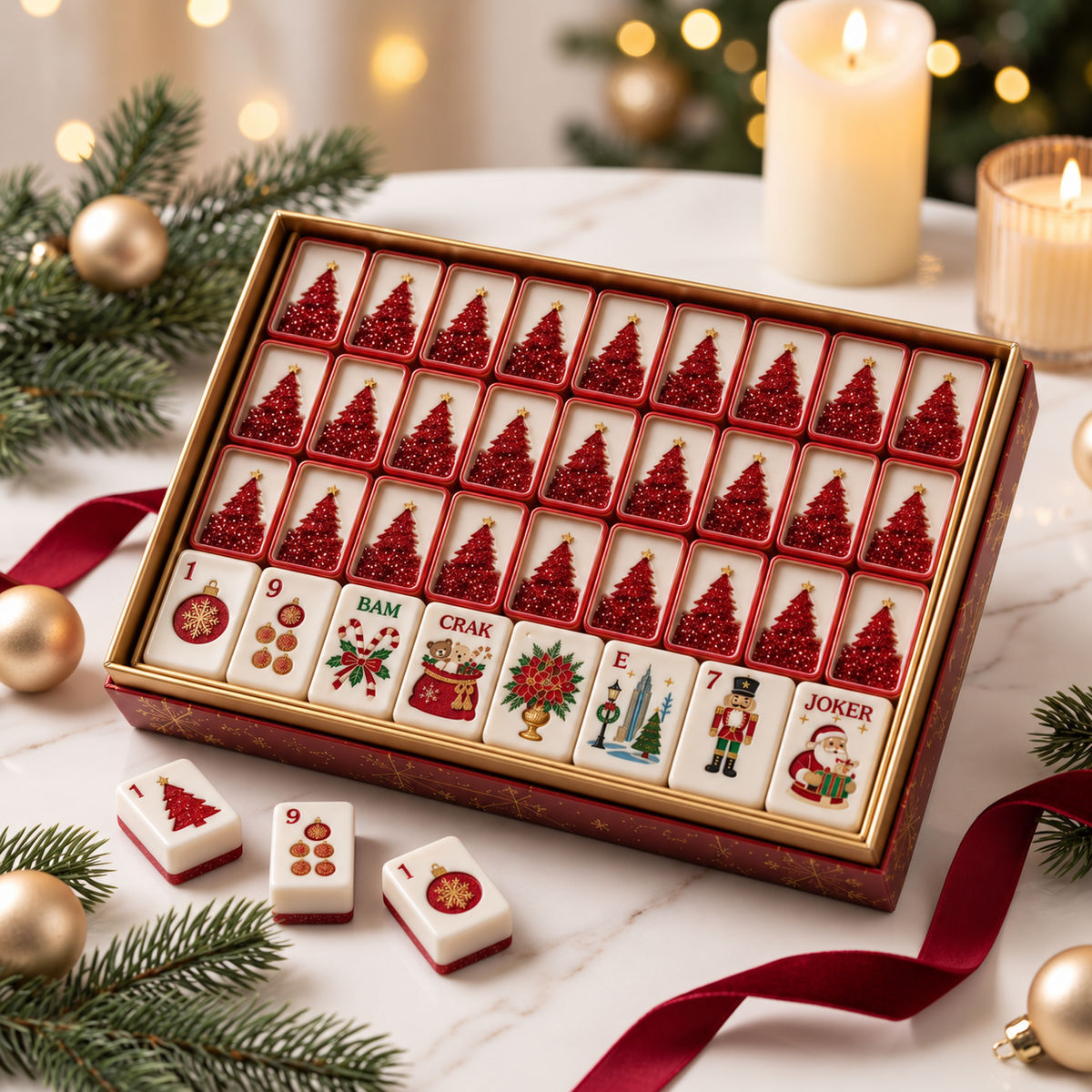
Florida mahjong teachers operate through community centers, libraries, synagogues, country clubs, and private instruction networks in Miami, Tampa, Orlando, and the Keys. Most charge hourly rates and teach American mahjong from the current National Mah Jongg League card; some teach Chinese or Hong Kong variants. Lessons typically run 60–90 minutes and cover tile recognition, hand-reading, the Charleston passing ritual, and scoring. A 160-tile acrylic set helps you practice at home—far better than playing on your phone. To find teachers, search local community centers and library bulletin boards, call ahead to confirm they teach your preferred variant, and ask whether they provide tiles or expect you to bring your own best-selling mahjong sets. Avoid teachers who charge upfront for large packages without a trial lesson.
Where Do Florida Mahjong Teachers Actually Teach?
Most mahjong instruction in Florida happens outside formal studios. Check community centers in your city—Miami-Dade, Hillsborough, Orange County, and Palm Beach County all run senior programs with mahjong components. Public libraries often post flyers for informal meetup groups that include teaching; call the adult programs desk. Synagogues, especially in Miami Beach and Tampa, host mahjong circles where experienced players mentor newcomers. Country clubs with active bridge or card-game traditions sometimes offer mahjong lessons to members. Search online community boards (Meetup, Facebook groups, Nextdoor) for "mahjong Florida" or your city name plus "mahjong"—you'll find both formal lessons and casual game hosts who welcome learners. Private teachers advertise through word-of-mouth at those same meetups, so attend a game first and ask who teaches.

What Should You Ask a Potential Teacher?
Before committing, get three clear answers: (1) What variant do they teach? American mahjong uses the annual National League card; Chinese variants play with chows (sequences) and different hand patterns; Hong Kong rules are faster-paced. (2) Do they have a trial lesson or can you observe a game first? A 30-minute trial costs less and lets you feel out their teaching style. (3) What's included? Do they provide a full 160-tile set, or do you bring your own? Must you buy materials, or just pay the lesson fee? Red flags: teachers who demand payment for 10 lessons upfront, won't let you try one lesson, or pressure you to buy branded tiles from them. Honest teachers welcome questions and expect you to show up with basic curiosity, not perfect prior knowledge.
American vs. Chinese Mahjong: What's the Difference?
This matters hugely because the game feels completely different. American mahjong (what most Florida teachers in mainstream groups teach) uses 152 tiles with 8 jokers, relies on the current year's National Mah Jongg League card for legal hands, has no sequences (only pungs, kongs, and pairs), and includes a Charleston tile-passing exchange before each hand. Chinese mahjong plays with 144 tiles, allows chows (like 4-5-6 Bams in sequence), works off traditional hand patterns your teacher explains, and has no Charleston. Hong Kong rules are faster still, with a 14-tile hand and rapid payout. Ask your teacher upfront which they play—most Florida lesson groups teach American, but some specialize in Chinese. Learning the wrong variant wastes your money. Read how to play American mahjong to get a head start on the basics before your first lesson.
How to Practice Between Lessons (and What You'll Need)
Your teacher can show you techniques, but you'll progress fastest by playing weekly. Invite three friends over for casual games and use what you learned. You'll need a real mahjong set—acrylic tiles are easier on your hands than bamboo when you're learning, they last years, and they don't crack. Pair your set with a mat to protect your table and keep tiles organized during the Charleston and play. A mat defines play zones so everyone knows where to draw and where to discard; this alone speeds up games and cuts confusion by half. Racks with pushers are optional but valuable—they hold your 13 tiles upright so you can read your hand quickly and other players can't see your cards. Print or laminate a copy of the current National Mah Jongg League card (your teacher can point you to an official source) and keep it at the table. Play twice a week if possible; the repetition locks in hand patterns faster than monthly lessons ever will.
Practice Setup | Why It Matters | What to Buy |
Acrylic 160-tile set | Durable, easier to shuffle; tiles feel smooth for learners | Best-selling sets work for all four players, home games, and casual meetups |
Padded mat | Protects table; organizes the Charleston zone and play area | Sized for 4-player games; prevents tile noise and spillage |
Racks with pushers | Holds 13 tiles upright; hides your hand from opponents | Optional but speeds up play by 15–20 minutes per game |
Printed League card | Reference for hand patterns; ensures you're all playing legal hands | Free online from the National Mah Jongg League; update yearly |

Lessons vs. YouTube: When to Hire a Teacher
Hire a teacher if: you want live feedback on your hand-reading, you get confused by the card notation, you need someone to explain why a hand doesn't work, or you learn better face-to-face. A teacher catches mistakes immediately—like using jokers in a pair (never legal in American mahjong)—and explains the why so you don't repeat it. They also adapt the pace to your speed. YouTube and blogs work if: you've already learned the basics, you want to review a specific rule (like how the Charleston works), or you're preparing before a first lesson. Our guide to mahjong for beginners covers enough fundamentals that you'll understand your teacher's lesson and ask smarter questions. Combine both: watch an intro video, take a lesson or two, then join a weekly game and return to your teacher when you're stuck. Most Florida players use this hybrid approach and progress fastest.
What to Check Before You Buy Your First Set
Start with a beginner-friendly 160-tile acrylic set—don't overspend on ornate designs yet. Acrylic sets are lightweight for travel, stack neatly in a bag, and cost a fraction of jade or bone. Check that the set includes all 152 playing tiles plus extras so nothing gets lost during travel. A mesh or zippered bag keeps tiles safe and organized in the car between games. If your teacher recommends a specific design (some teachers are partial to engraved titles for clarity), ask why—usually it's legibility or personal preference, not a requirement. Once you've played 20 games, you'll know if you prefer standard designs or whether an engraved set fits your style. Buy a mat at the same time; it's a low-cost upgrade that every serious player needs.
🀄 Shop best-selling mahjong sets →
Building Your Florida Mahjong Circle
Once you've taken a few lessons, invite your teacher or a fellow learner to your home game. Start a weekly standing date—Thursday nights work for many groups because it's midweek and low-pressure. Rotate hosts monthly so no one feels burdened. Post an open invitation on your local community board (Meetup is free and reaches lots of players) to grow from 4 players to 8–12, so you always have a game. Within a year, you'll have a solid circle, and you'll likely become the person newer players ask for lesson recommendations. That's when the real joy starts: you're not just learning, you're building community.
✨ Find your Mahstead set — free US shipping →

FAQ
How much do mahjong lessons in Florida typically cost?
Lesson fees vary widely. Most one-off or trial lessons run $20–$50 per hour based on teacher experience and location. Some community centers bundle mahjong lessons into senior programs (often under $10 per session). Private teachers charge $30–$75 per hour. Ask if the fee includes tiles and materials or if you supply your own. Always negotiate rates for multiple lessons rather than paying per session.
Do all Florida mahjong teachers teach American mahjong?
No. Most mainstream groups (community centers, libraries) teach American mahjong because it's popular among retirees and newer players. Some teachers, especially in areas with large Asian communities, specialize in Chinese or Hong Kong variants. Ask upfront which variant they teach so you learn the right one.
What happens if I can't find a teacher near me?
Many Florida players combine a single intro lesson with weekly home games and online resources. Attend one game with an experienced player, ask them to teach you the basics and explain the card, then join or host a weekly group. After 3–4 home games, concepts stick. Return to your teacher for any rule questions that come up during actual play.
Can I learn mahjong solo using an app or YouTube?
Apps teach tile recognition and basic rules, but they can't replicate live play or explain the subtlety of hand-reading. Most players who learn solo get stuck on hand patterns or the Charleston and lose interest. A single in-person lesson (even 60 minutes) accelerates understanding faster than 20 hours of solo study. Use videos to review between lessons, not as your only teacher.
Should I buy a fancy mahjong set before my first lesson?
No. Start with a standard acrylic 160-tile set in a basic design. You'll learn what features matter to you after 10–15 games. Some players prefer engraved tiles for clarity; others like minimalist designs. Once you're committed, upgrade if you want. A durable beginner set from our best-selling collection costs far less and does the job perfectly.
What's the best way to stay connected to teachers and groups in Florida?
Ask your teacher if they're part of a local mahjong club or meetup group and request the contact info. Follow community center bulletin boards (online and in-person). Join the National Mah Jongg League's player directory if they list Florida groups. Facebook groups for "mahjong Florida" or your city name are active and post weekly games. Call ahead to any meetup to confirm they welcome learners and teach your preferred variant.


View More
View More
View More
