
Mahjong Tournaments in Seattle: How to Find and Join One
Last updated: Nov 23, 2026
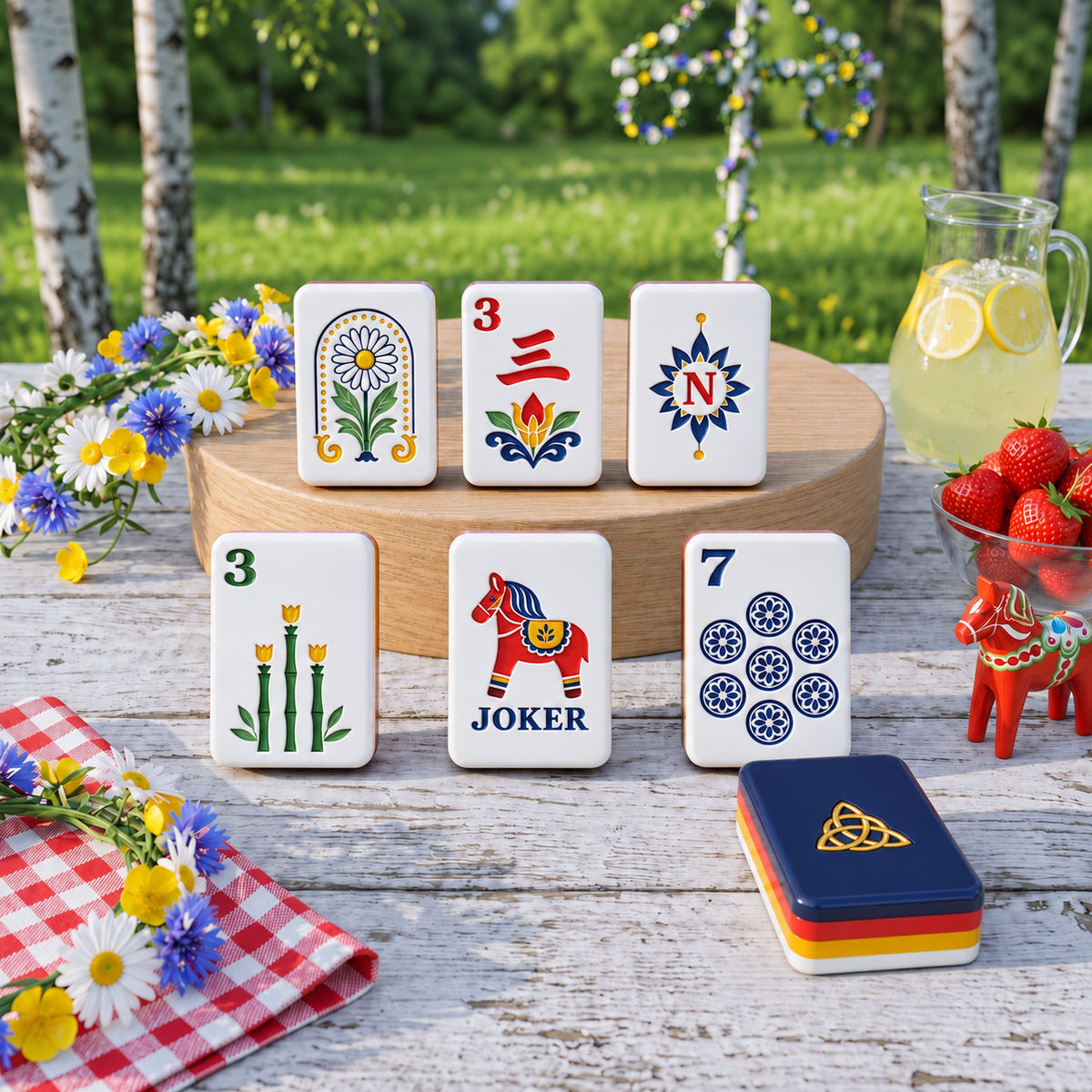
Seattle mahjong tournaments happen year-round through community centers, libraries, synagogues, and private clubs scattered across the greater Seattle area. Most tournaments follow American mahjong rules (the most common variant in the Pacific Northwest), run from one to three days, and welcome players of all skill levels—though some have beginner-only or advanced brackets. Entry fees and scheduling vary by organizer; search your local parks-and-recreation website, Meetup groups, and Jewish community centers to find current events. You'll typically need your own American mahjong set or sign up for a club rental, though many tournament organizers provide sets. Bring a mat, racks if you prefer them, and your copy of the current year's National Mah Jongg League card. First-timers should confirm the ruleset and tile format in advance, arrive early, and ask the tournament director about beginner support or mentoring.
Where do Seattle mahjong tournaments actually happen?
Most Seattle tournaments run through community-based organizations. Parks and Recreation departments in Seattle, Bellevue, Redmond, and Tacoma often host spring and fall events; check their activity guides and online registration. Libraries in the greater Seattle area sometimes sponsor weekend tournaments or can direct you to clubs. Jewish Community Centers and synagogues frequently host weekend tournaments and maintain club rosters. Check Meetup.com for Seattle mahjong groups; most post their monthly or quarterly tournament dates there. Private social clubs also run games, though you may need a member referral or introduction. Call the main branch of your local library or community center and ask directly—staff know the local scene.

What's the difference between a Seattle tournament and a drop-in club game?
A tournament has a set date, entry fee, registered bracket system, and scoring that determines winners and payouts. Drop-in clubs meet weekly or monthly for casual play without rankings or competition. Tournaments suit players who want structure, a larger draw, and the chance to meet new opponents; clubs suit regulars who prefer consistency and lower stakes. Both happen in Seattle, often run by overlapping people. If you're new, ask which environment fits your skill level: most tournaments offer beginner or intermediate brackets so you don't face advanced players on day one.
What gear do you actually need to bring to a Seattle tournament?
A set of 152 playing tiles (American format) plus spares is essential if you're not renting from the organizer. Most Seattle tournaments provide sets for a small fee or rent-per-table; confirm this before you register. A mat protects the tiles and creates a clear play surface—essential equipment, not optional. Racks with pushers are nice but not required; many Seattle players use them to organize their hand and keep tiles tidy during long games. Bring a notebook, the current year's National Mah Jongg League card (your reference for legal hands), and a pen. A bag or case keeps your set, mat, and accessories together and makes transport easy if you attend multiple tournaments in a season.
Gear | Why you need it | Required or nice-to-have | Notes |
American mahjong set (152 tiles) | The core game | Required (or rent from organizer) | Confirm rental cost before tournament |
Mahjong mat | Clear play surface, tile protection | Required | Folds flat, fits in most bags |
Racks with pushers | Hand organization, tile concealment | Nice-to-have | Useful for long tournaments; reduces hand fatigue |
National Mah Jongg League card (current year) | Hand reference; required to play | Required | Print or bring digital copy |
Pen and notebook | Score-keeping, hand notes | Nice-to-have | Some tournaments provide score sheets |
Bag or case | Transport and storage | Nice-to-have | Protects gear between games and between events |
🀄 Shop best-selling mahjong sets →
How do Seattle tournaments score and keep track of winners?
American mahjong tournaments in Seattle use the National Mah Jongg League scoring system: each hand has a point value based on the type of hand and the tiles involved, shown on the official card. Most tournaments run multiple rounds (four to eight per day) over one or more days, and players accumulate points across all rounds. The director records scores after each game, usually on a public board or sheet. Ties are broken by total points in head-to-head play or playoff games, depending on the tournament format. If you've never scored before, ask the tournament director for a quick tutorial during registration—most directors expect beginners and will walk you through the first round.

What skill level do you need to join a Seattle tournament?
Seattle tournaments range from absolute-beginner brackets (where nobody expects you to know scoring perfectly) through intermediate and advanced tiers. Most welcome newcomers; confirm the bracket when you register. If you've played a few times with friends, you're ready for a beginner tournament. If you've played weekly for a season or studied how American mahjong works, intermediate is right. Advanced brackets assume you're quick, competitive, and know scoring cold. Don't let skill anxiety stop you: tournaments exist to have fun and meet other players. Many include mentor tables or beginners-only sessions before the main event.
🎁 See our most-loved mahjong sets & accessories →
How to prepare your first Seattle tournament in three steps
Step 1: Find and register. Search "mahjong tournament Seattle 2026" on Meetup.com, your city's parks-and-recreation site, and local library events calendars. Email the organizer to confirm beginner brackets, set rentals, and whether you need to bring your own gear. Ask what time to arrive—early arrival lets you meet other players and ask questions.
Step 2: Learn the card and scoring. Download or print the current year's National Mah Jongg League card. Spend 15 minutes learning how to read it: sections are grouped by hand type (Like Numbered, Consecutive, etc.), and each row shows a legal hand. Watch one online tutorial on American mahjong scoring. You don't need to memorize; you'll reference the card during play.
Step 3: Gather or rent your set and mat. If you don't own a set, ask the tournament if rentals are available. If you own one, confirm it's the standard 152-tile American format with 8 jokers. Grab a mat—a simple fold-up style takes seconds to pack. Bring your card, a pen, and arrive 15 minutes early. Introduce yourself to the director and tell them it's your first tournament; they'll pair you well.
✨ Find your Mahstead set — free US shipping →
What to check before you buy or bring gear to a Seattle tournament
Set format: Confirm the tournament uses American (152-tile) mahjong, not Chinese or Hong Kong rules. Ask the organizer; American is the standard in Washington state.
Tile condition: If renting, ask if sets are in good shape and all tiles count correctly. If bringing your own, make sure no tiles are cracked or missing.
Mat size: A standard mahjong mat fits a four-player table. Measure your play area if you're new to a venue.
Card version: Bring the current year's National Mah Jongg League card. Hands change every spring; last year's card won't work.
Joker count: American tournaments always play with exactly 152 tiles and 8 jokers. Don't add or remove tiles.

FAQ
Can I play in a Seattle mahjong tournament if I've never played before?
Yes. Most tournaments offer beginner or novice brackets and pair newcomers thoughtfully. Arrive 15 minutes early, tell the director it's your first time, and ask for a quick rules rundown. Staff expect beginners and are happy to help.
Where do I find Seattle mahjong tournament dates?
Check Meetup.com (search "Seattle mahjong"), your city's Parks and Recreation website, local library event calendars, and nearby Jewish Community Centers or synagogues. Call or email organizers directly—many post dates only on their own sites. Groups update schedules seasonally (spring and fall are busiest).
Do I need to own my own mahjong set to play in a Seattle tournament?
No. Most tournaments offer set rentals for a small additional fee or provide sets as part of entry. Confirm rental availability when you register. If you plan to play regularly, owning a best-selling American mahjong set pays for itself quickly and lets you host home games.
What's the typical cost to enter a Seattle mahjong tournament?
Entry fees vary by organizer and tournament length. Contact the specific tournament for their fee structure. Rentals, if needed, are usually quoted at registration.
How long does a Seattle mahjong tournament last?
Most run four to eight rounds in a single day (six to eight hours), or span two to three days with four to six rounds per day. Ask the organizer for the exact schedule so you can plan.
Can I use a mahjong mat and racks at a Seattle tournament?
Yes. Mats and racks are standard equipment at tournaments. A mat protects tiles and clarifies the table, and racks keep your hand organized and hidden. Both are optional but widely used and appreciated by other players.


View More
View More
View More
